REVIEW · NEW DELHI
Private 6-Night Golden Triangle and Nepal Tour from Delhi
Book on Viator →Operated by Pacific Classic Tours India · Bookable on Viator
A week, two countries, zero planning headaches. This private Golden Triangle plus Nepal trip stitches together Delhi, Agra, Jaipur, and Kathmandu with daily breakfasts and on-the-ground transport, so you’re not spending your vacation chasing logistics. I especially love the strong on-the-ground team and the way the pace is tight-but-manageable, with guides like Mahesh, Ashok, Bishnu and drivers like Bittu, Manoj, and KK Sharma. One thing to weigh: the Delhi–Kathmandu flights are extra, so budget and schedule that part carefully.
You also get a very classic sights mix: Mughal-era masterpieces in Delhi and Agra, Rajput forts and palaces in Jaipur, then UNESCO Kathmandu highlights and a mountain sunrise in Nagarkot. The value is in what’s included—hotel breakfasts, entrance fees for the key stops, private vehicle, bottled water, and even a battery bus ride from Taj Mahal parking.
If you’re the kind of traveler who wants the headlines without the chaos of a big group, this fits well. Just know there are lots of stops and some days start early—your feet will work, but you’ll see a lot.
In This Review
- Key highlights I’d circle first
- Entering Delhi’s UNESCO circuit with room to breathe
- From Agra to first light: the Taj Mahal morning plan
- Jaipur in a day: Amber, Jal Mahal, and royal photo stops
- Crossing the line into Nepal: Kathmandu and Thamel timing
- UNESCO Kathmandu Valley: Boudhanath to Durbar Square
- Patan and Bhaktapur plus Nagarkot: Kathmandu from another angle
- Nagarkot View Tower sunrise: when weather cooperates
- Price and value: what’s included, what costs extra
- Who this trip suits best (and who should think twice)
- Should you book this Golden Triangle and Nepal combo?
- FAQ
- How many days and nights is this tour?
- What is included in the price?
- Is the Delhi to Kathmandu flight included?
- Are hotel breakfasts included?
- Do I need to pay entrance fees during the tour?
- Is the Taj Mahal sunrise visit guaranteed?
- What about a jeep ride at Amber Palace in Jaipur?
- What are the Nepal highlights included in Kathmandu Valley?
- What is the dress code for temples and museums?
- Can I request vegetarian meals?
- Is there free cancellation?
Key highlights I’d circle first
- Private, on-the-ground transport: A private, air-conditioned vehicle handles the driving so you stay on a real travel rhythm.
- Premium hotels with daily breakfast: Less worrying about food and mornings; more energy for sightseeing.
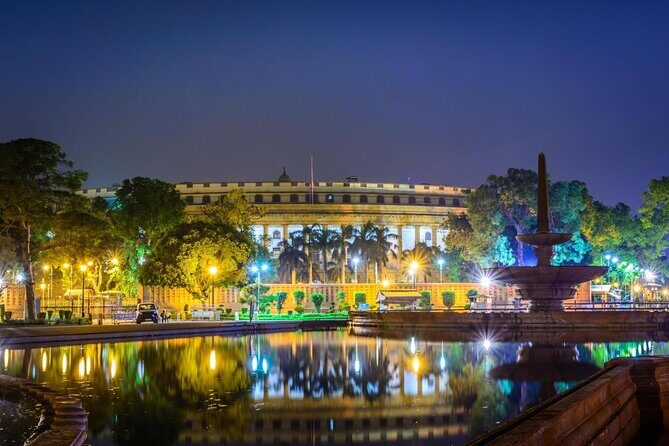
- UNESCO hits without delays: Delhi’s and Kathmandu Valley’s major sites are built into the plan.
- Sunrise emphasis: Taj Mahal and Nagarkot are both framed around early-morning mountain/monument timing.
- Team quality shows: Reviews named guides like Mahesh, Ashok, Bishnu and drivers like Bittu, Manoj, and KK Sharma as standouts.
Entering Delhi’s UNESCO circuit with room to breathe
Delhi can feel like a traffic puzzle, so I like the way this trip starts with an efficient, guided half-day. Pickup is at 9:00 am from your selected place in Delhi (or Gurugram/Noida), then you move through major sights with minimal waiting.
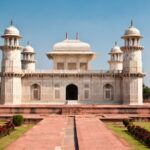
Humayun’s Tomb is the perfect opener. It’s Mughal royalty with real gravitas—UNESCO-listed and visually striking in that symmetrical, garden-and-mausoleum style that later influenced the Taj Mahal. Next is Qutub Minar, the towering UNESCO minaret that rises like a needle against the sky. Even if you don’t love history for history’s sake, the scale makes you look up fast.
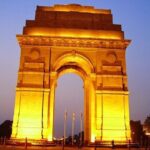
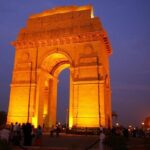
Then you get a tonal shift with the Lotus Temple. It’s free to enter and shaped like a lotus, built for meditation and prayer across faiths. After that, India Gate gives you a different kind of monument moment—an imposing WWI-era memorial designed by Lutyens.
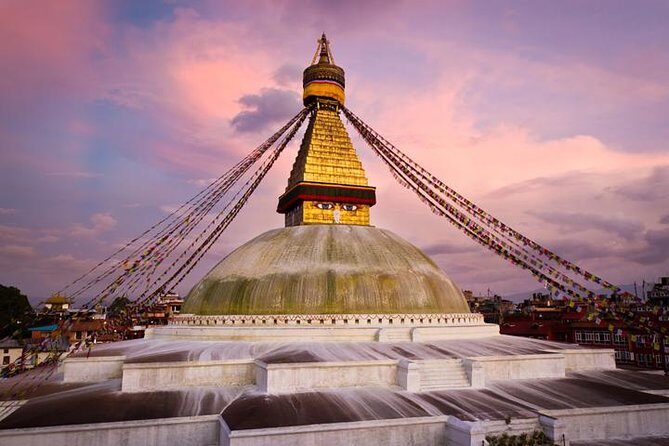
You also stop around the seat of government: the circular, colonnaded building where power shifted in 1947 is included, plus a look at Rashtrapati Bhavan/President House. It’s more “see it, understand it briefly, move on” than museum deep-dive, which works when you’re stacking big days.
Practical note: some religious sites require a dress code (no shorts or sleeveless tops; knees and shoulders covered). That matters in Delhi too, and it matters again in Nepal.
You can also read our reviews of more private tours in New Delhi

From Agra to first light: the Taj Mahal morning plan
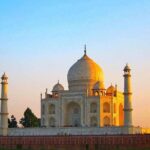
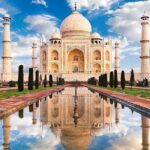
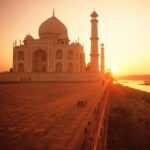
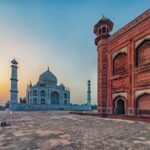
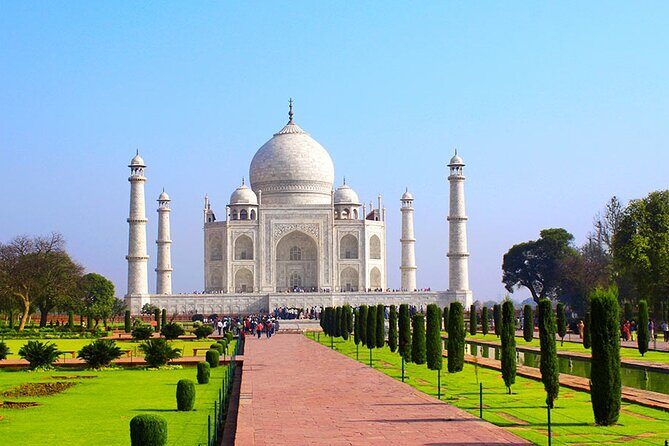
Day two is built around the classic reason people travel to Agra: the Taj Mahal at sunrise. The logic is simple. You arrive before crowds settle into full roar, and the light is usually kinder. This isn’t a guarantee for clear skies, though—sunrise visits are subject to clear weather, so have flexibility in your expectations.
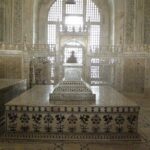
Even if you’ve seen photos a thousand times, standing in front of it hits differently. It’s the kind of architecture that makes you forget to narrate. The guide helps you read it—materials, symmetry, the way the building changes as the sky warms up.
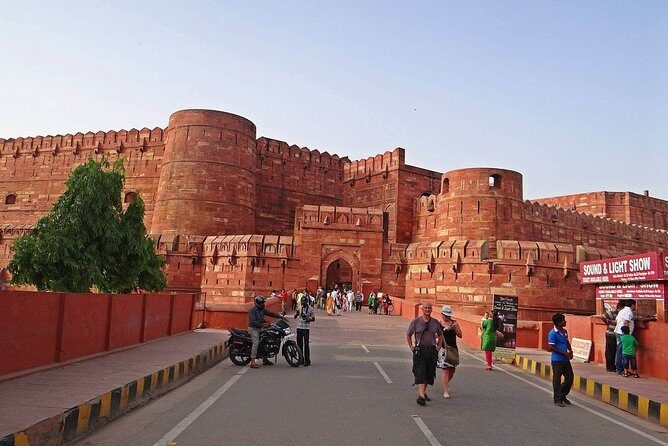
After breakfast, you move to Agra Fort, another UNESCO-listed stop. Think of it as the fortress-palace side of Mughal power: red sandstone courtyards, defensive walls, and history layered right on the river edge.
One small inclusion that’s genuinely useful: you get a battery bus/golf cart return ride from Taj Mahal parking. When you’re dealing with big distances and crowds in peak hours, that saved walking adds up.
Why this day feels like good value: you’re paying for not just tickets, but time management. Sunrise Taj Mahal is where tours often either scramble or rush. Here, the day is structured so you’re not fighting the clock.
Jaipur in a day: Amber, Jal Mahal, and royal photo stops
Next comes Jaipur, the Pink City, and it’s a full-on architecture and fort day. You’ll travel from Agra and check into your hotel, then the sightseeing hits hard but organized.
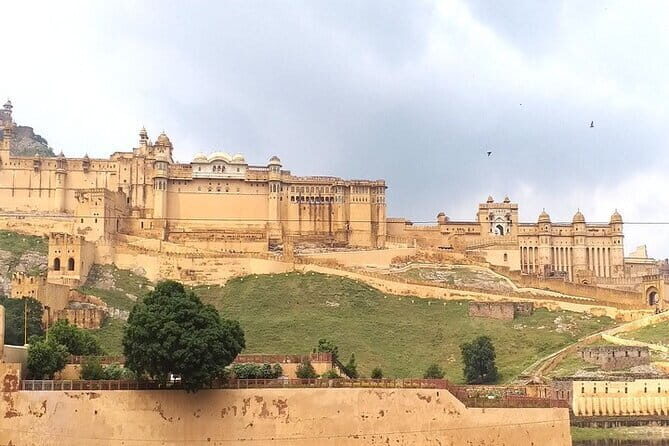
Amber Palace is first—honey-colored, hilltop, and unmistakably Rajput in style. It’s one of those places where you can’t fully capture it from a photo. The textures, the setting, the scale: it makes sense why it’s considered a must. There’s also a Jeep ride at Amber Palace that may apply for groups of 5 and above, listed at $3.00 per person. If you’re deciding whether to do it, ask your guide what’s most practical for your group and energy level.
Then you get Jal Mahal (Water Palace) as a photo stop. You don’t spend hours here, but it’s a classic frame—temple-palace vibes floating in the water.
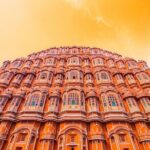
Hawa Mahal is next for quick views: the Palace of Wind is instantly recognizable with its honeycombed facade. The stop is brief (and admission isn’t included for this one), so treat it like a quick landmark check and a great photo opportunity rather than a museum visit.
After that, you visit City Palace of Jaipur—the royal-family residence complex with courtyards and buildings from different eras. It’s included with admission. This is where you get a calmer, more “walk and absorb” rhythm before the last big sights.
Finally, Jantar Mantar rounds out the day. It’s UNESCO-listed and made of curving geometric structures used to monitor the stars and planets. If you like science-as-culture, this stop clicks. If you don’t, it still works because it looks so different from typical monuments.
You might want to bring a light layer. Jaipur sun can switch fast—bright and hot, then suddenly harsh shade when you move under arches and colonnades.
Crossing the line into Nepal: Kathmandu and Thamel timing
Day four pivots from India to Nepal. After breakfast, you transfer to Indira Gandhi International Airport for the flight to Kathmandu. The key detail: this flight is not included in the tour price, so you’ll need to book it separately.
Once you land, you’re met and transferred to your hotel. Then you get Thamel time—two hours of free space to rest or explore on your own. Thamel is Kathmandu’s tourist hub: international restaurants, souvenir shops, hiking stores, and street food. It’s a convenient place to orient yourself fast because you can grab essentials and find places to eat without venturing far.
This is also where I appreciate the “private” part. A big group tour sometimes leaves you wandering in a crowd on your first Nepal afternoon. Here, you have breathing room to recover from travel and then choose how to spend your time.
UNESCO Kathmandu Valley: Boudhanath to Durbar Square
Day five is your Kathmandu culture loop, mixing Buddhist and Hindu landmarks. The route is set up to keep you from bouncing around aimlessly, with private guidance and included admissions for several stops.
First: Boudhanath Stupa, UNESCO-listed and described as the largest stupa in Nepal. It’s also a major Tibetan Buddhist site outside Tibet, which gives it a unique atmosphere. Even if you’ve seen stupas before, Boudhanath’s scale and the surrounding activity tend to make it memorable.
Next is Pashupatinath Temple, UNESCO-listed and dedicated to Shiva. Entry is free, and the golden roof and silver door work as visual anchors. This is one of those places where you’ll notice the mix of devotion and daily life.
Then you climb to Swayambhunath. It’s an old Buddhist shrine on a hill, UNESCO-listed, with views over the Kathmandu Valley. This is the kind of stop where timing matters—if the light is right, the valley view can feel like a reward for the stairs.
You finish at Kathmandu Durbar Square, another UNESCO World Heritage site. It’s a complex of palaces, courtyards, and temples including Hanuman Dhoka Palace and Kumari Ghar, the abode of the Living Goddess. This area is historically layered and feels more like a living heritage neighborhood than a single standalone attraction.
Dress code matters again here. Plan to cover knees and shoulders to avoid being turned away at religious sites and selected museums.
You can also read our reviews of more evening experiences in New Delhi
Patan and Bhaktapur plus Nagarkot: Kathmandu from another angle
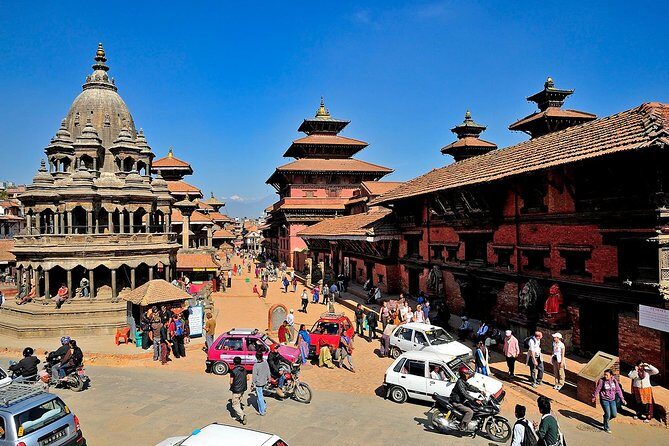
Day six keeps the UNESCO streak going with two more Durbar Squares: Patan Durbar Square and Bhaktapur Durbar Square. Both are UNESCO World Heritage sites and both have different textures.
Patan Durbar Square leans into Buddhist monuments and Hindu temples, including bronze gateways, guardian deities, and detailed carvings. It’s known for crafts and metalwork, so if you like close-up artistry, you’ll feel it here.
Bhaktapur Durbar Square is a royal-palace plaza from the old Bhaktapur Kingdom, sitting at about 1,401 meters elevation. Compared to Kathmandu’s chaos, Bhaktapur can feel more grounded and architectural—less about one big scene and more about what you keep noticing as you walk.
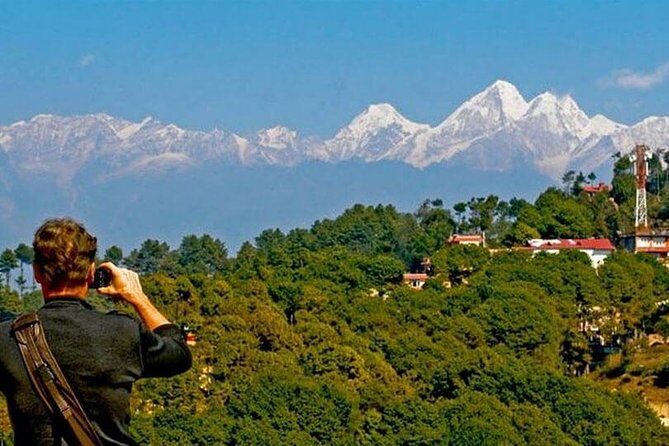
After the valley sites, the day shifts to the mountains. You drive about an hour to Nagarkot, known for views of the Himalayas, with Mount Everest sometimes visible to the northeast, plus sunset scenery. The tour includes a dinner at the hotel in Nagarkot, giving you a straightforward end to the day.
This is the part of the trip where you stop thinking like an itinerary and start thinking like a traveler: dinner, rest, then a proper morning shot at the horizon.
Nagarkot View Tower sunrise: when weather cooperates
Day seven is all about a sunrise view from Nagarkot View Tower. The plan calls out eight mountain ranges visible when timing and conditions line up: Annapurna, Manaslu, Ganesh Himal, Langtang, Jugal, Rolwaling, Everest, and Numbur. That’s a lot of names, but the practical point is this: you’re buying a chance at big mountain panoramas, not a guaranteed postcard.
Mountain weather can be unpredictable, so set your mindset to enjoy what you can see—clear peaks or softer fogged outlines still make the morning feel special.
Price and value: what’s included, what costs extra
At $1,220 per person for a 6-night stay (7 days approx.), the value comes from what you don’t have to manage yourself.
Included items you’ll feel:
- Hotel accommodation for 6 nights on twin share with breakfast daily
- Private air-conditioned vehicle and professional local private guides
- Entrance fees for the sights mentioned
- Unlimited bottled water
- Taj Mahal parking transfer by battery bus
- Breakfast (6) and at least one dinner at the hotel in Nagarkot
- A vegetarian option is available if you request it during booking
What costs extra (so you can plan):
- Delhi–Kathmandu flights are not included
- Meals beyond what’s specified
- The Amber Palace jeep ride may have an additional charge (listed at $3 per person for applicable groups)
- Any holiday gala dinners on Christmas Eve and New Year Eve are not included and are charged extra (if your dates overlap)
To me, the pricing makes sense if you want the classic big-ticket sights plus Nepal’s UNESCO sites without DIY transport headaches. If you already know you’ll do flights and city logistics on your own, the included value shrinks fast. This tour is strongest when you want someone else to handle the moving parts.
Who this trip suits best (and who should think twice)
This is a great fit if you:
- Want a private experience that still hits the major highlights
- Prefer premium hotels with breakfast over basic rooms and uncertain mornings
- Like UNESCO sites and guided context instead of self-guiding every step
- Want a tight timeline that covers India and Nepal in one go
Think twice if you:
- Are uncomfortable with early starts. Taj Mahal sunrise and Nagarkot sunrise are both timing-sensitive.
- Don’t want to handle the extra step of booking flights. The Delhi–Kathmandu flight is specifically not included.
- Get frustrated by temple rules. You’ll need knees/shoulders covered.
Based on the named guide and driver praise—Mahesh, Ashok, Bishnu, and drivers Bittu, Manoj, KK Sharma—service quality is clearly a priority here, and that matters when you’re crisscrossing long distances.
Should you book this Golden Triangle and Nepal combo?
If your goal is to see Delhi, Agra, Jaipur, Kathmandu Valley, and a Himalayan viewpoint with minimal planning stress, I’d lean yes. You’re paying for organization: private transport, guided stops, entrance fees, breakfasts, and sensible day structure.
I’d only hold off if your travel dates are tight enough that sunrise timing could be a big risk for you, or if you’d rather spend the effort arranging everything yourself. For most people, though, this kind of planned sweep is exactly how you turn limited time in South Asia into real memories—starting with Taj Mahal light and ending with mountains at dawn.
FAQ
How many days and nights is this tour?
It’s listed as about 7 days with 6 nights of hotel accommodation.
What is included in the price?
The tour includes hotel accommodation for 6 nights with breakfast, a private air-conditioned vehicle, professional local private guides, entrance fees for the listed sights, unlimited bottled water, and breakfasts (6). It also includes dinner at the hotel in Nagarkot and indicates dinner is included.
Is the Delhi to Kathmandu flight included?
No. The commercial flight from Delhi to Kathmandu is not included.
Are hotel breakfasts included?
Yes. Breakfast is included for 6 days.
Do I need to pay entrance fees during the tour?
For the sights mentioned in the plan, entrance fees are included.
Is the Taj Mahal sunrise visit guaranteed?
It’s subject to clear weather conditions, so it’s not guaranteed.
What about a jeep ride at Amber Palace in Jaipur?
A jeep ride at Amber Palace may apply for 5+ travelers, listed at $3.00 per person.
What are the Nepal highlights included in Kathmandu Valley?
The included stops cover Boudhanath Stupa, Pashupatinath Temple, Swayambhunath, Kathmandu Durbar Square, Patan Durbar Square, and Bhaktapur Durbar Square, plus Nagarkot.
What is the dress code for temples and museums?
A dress code is required: no shorts or sleeveless tops, and knees and shoulders must be covered to avoid being refused entry.
Can I request vegetarian meals?
Yes. A vegetarian option is available if you advise at the time of booking.
Is there free cancellation?
Free cancellation is offered: you can cancel up to 24 hours in advance for a full refund. Less than 24 hours before the start time is not refundable.