REVIEW · UDAIPUR
Farm to Table: With a local farmer family
Book on GetYourGuide →Operated by Strode Experiences · Bookable on GetYourGuide
Farming first, then cooking with your hands. This farm-to-table experience on the outskirts of Udaipur turns the food you eat into something you can trace back to the field. You’ll start with a short walk around local temples and devras, then move into the day’s real center of gravity: fresh produce, family stories, and a cooking lesson.
I love that you don’t just watch. You’ll interact with local farmers and even pluck vegetables to cook with, so the meal feels earned, not packaged. I also like the very practical focus: spice learning, wood-fired clay-oven batis, and a group dinner you’ll actually want to repeat at home.
One key consideration: the venue sits outside Udaipur, and conveyance isn’t included. If you don’t have your own car/driver, you may need help arranging transport, and that can affect how smooth your day feels.
In This Review
- Key highlights you’ll care about
- Why this farm-to-table experience feels real in rural Rajasthan
- Arriving near Udaipur: welcome, temples, and devras
- Farm walk and farming lessons: what you learn before the cooking starts
- Spice lesson and the open-air kitchen: learning the logic, not just the steps
- Cooking stations: how each dish teaches a different skill
- Dal Bati: the structure of comfort food
- Churma: sweetness without being complicated
- Gatte Ka Saag: dumplings that make the curry feel complete
- Cha as and local snacks: the cooling rhythm in the middle of it all
- The group feast under a neem tree: what’s actually on your plate
- Culture beyond the plate: music, artisans, and village life
- Price and time: is $21 for 2 hours good value?
- Logistics you should plan for: English, meeting point, and rural timing
- Who this farm-to-table tour suits best
- Should you book this farm-to-table experience near Udaipur?
- FAQ
- Where is the farm-to-table experience located?
- How long is the experience?
- How much does it cost?
- What’s included in the price?
- What is not included?
- What is the meeting point?
- What languages are available?
- Is free cancellation available?
Key highlights you’ll care about
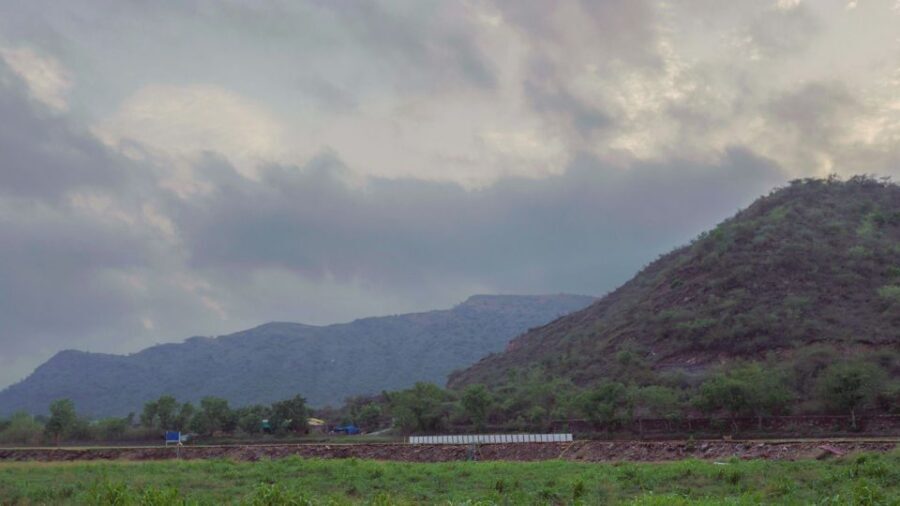
- Short farm-and-temple walk that sets the tone with countryside calm and village landmarks
- Hands-on farming time where you pluck fresh vegetables alongside the farmer family
- Spice lesson before you cook, so the flavors make sense instead of just tasting good
- Clay-oven Dal Bati and dumplings like Gatte Ka Saag made with clear, step-by-step guidance
- Cha as (buttermilk) refreshment to cool down between cooking and eating
- Food under a neem tree, with local artisans and musicians adding a live village vibe
Why this farm-to-table experience feels real in rural Rajasthan
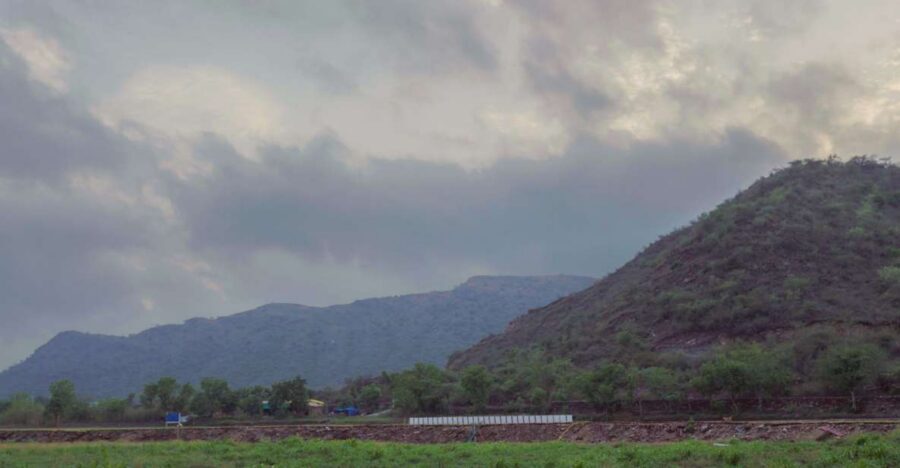
There are lots of cooking classes where you chop things in a kitchen and call it local. This one is different because the food starts on the ground, not the counter. You meet the people who grow the ingredients, you see how farming fits the day, and then you cook dishes that are common to Rajasthan—not show-off fusion.
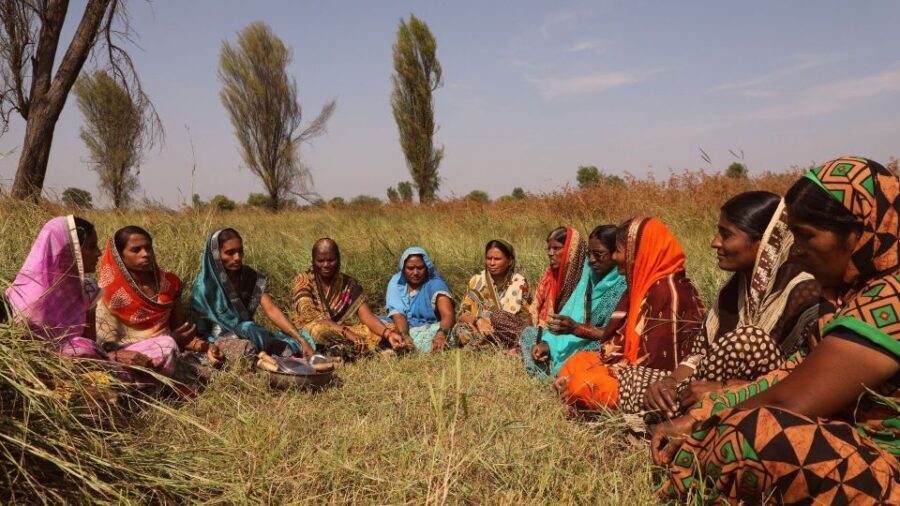
You also get that rare combo of calm and activity. You’re walking through mustard fields and village paths, then you’re working with dough and spices, and finally you’re eating in a shaded outdoor spot. It’s a simple rhythm, but it lands.
And yes, the meal matters. You’ll leave with recipes in your head for the dishes you actually help make: Dal Bati Churma, Gatte Ka Saag, and greens like Sarson Ka Saag. Even if you never bake batis again, you’ll still know what makes them tick.
You can also read our reviews of more tours and experiences in Udaipur.



Arriving near Udaipur: welcome, temples, and devras
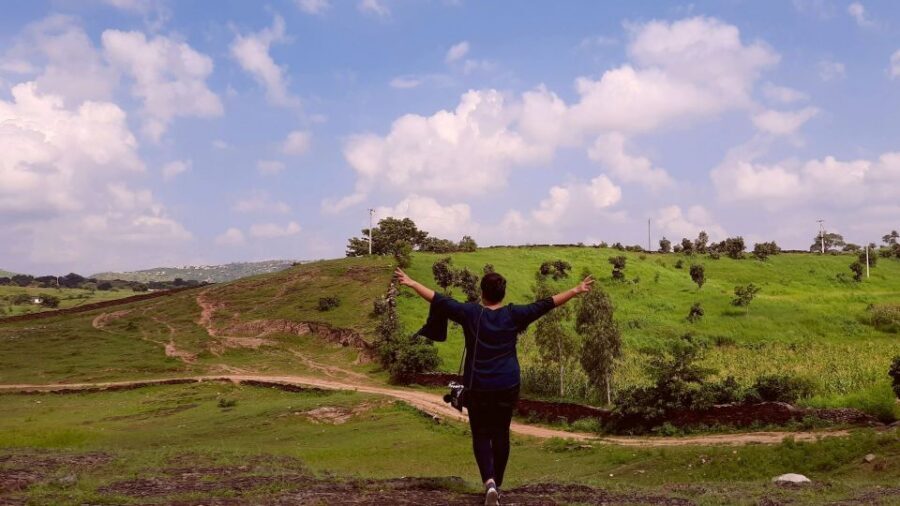
Most days start with an easy greeting from your hosts and villagers. You’ll arrive in the village and feel that shift from city to countryside—earthy aromas, open air, and a slower pace.
A short walking segment follows, designed to help you orient yourself fast and understand the village setting. You’ll visit local temples and devras, and that’s not just sightseeing. It gives context for why farmland and community life are tied together here. Devras (small shrine spaces) are part of how villages mark sacredness and tradition around daily living.
What to expect in this part:
- A gentle walk rather than a long hike
- Simple but meaningful stops around village religious sites
- Time to look around: mustard fields, chickpea-related crops, and the kinds of rural views you don’t get from a car window
Possible drawback to keep in mind: because it’s outdoors and rural, weather matters. If it’s hot, you’ll feel it more than you would inside a modern venue. Plan accordingly with water and sun protection.
Farm walk and farming lessons: what you learn before the cooking starts
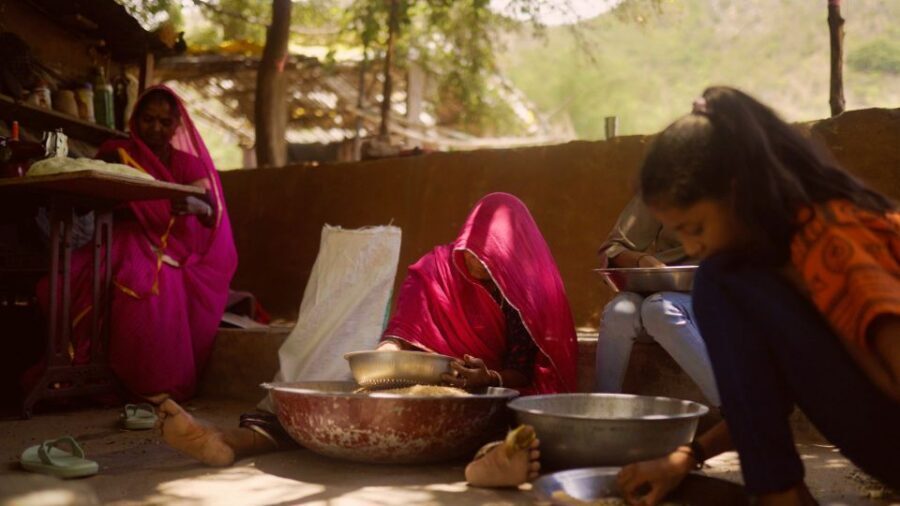
After the early village walk, you move into the fields. This is where the experience earns its name.
You’ll explore crops growing nearby, including mustard greens and chickpea flour (the kind of crop connection that matters when you later cook dishes like Sarson Ka Saag and Gatte Ka Saag). You’ll learn traditional farming methods, which usually means slower, knowledge-heavy practices passed down through families.
Then comes the part that tends to make people smile: you interact with farmers and pluck fresh veggies. It’s not a token photo moment. You’re handling real produce that will become part of your meal.
If you’re the type of traveler who likes to understand the how, this segment is the payoff:
- You see the raw ingredients in real life
- You learn the logic behind which spices and cooking styles pair well with local crops
- You get stories tied to the land, not just a list of facts
Wear shoes you’re comfortable getting a little dusty. Even when paths look tidy, rural ground has its own rules.
Spice lesson and the open-air kitchen: learning the logic, not just the steps
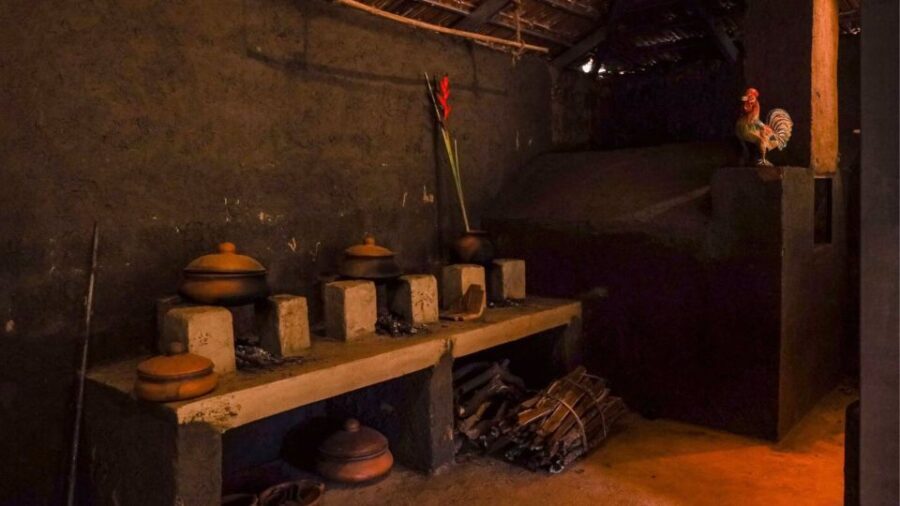
Once the farm time is done, you head to the cooking area—an open-air setup in the village environment. Multiple dishes revolve around that classic Rajasthan approach: spice layering, cooking patiently, and using heat from a wood-fired clay oven.
Before the first dish comes together, there’s a spice lesson. This is one of the most valuable parts for you, because it helps you connect taste with technique. When you later eat, you’ll know why a spice was used, what it does, and how it changes the dish.
In the cooking session, expect a guided, hands-on flow that centers on these dishes:
- Dal Bati: you’ll craft dough for batis that are baked in a wood-fired clay oven, then pair them with lentil curry spiced with native masalas
- Churma: a sweet mix of crushed batis, ghee, and local jaggery
- Gatte Ka Saag: chickpea flour dumplings cooked in a rich, spicy curry
One detail I’d highlight: the heat source and setup are part of the charm. One account noted a manmade mudclay fire stove, which tells you this is not a glossy studio. If you love authentic technique more than polished presentation, you’ll appreciate it.
If you don’t love cooking with heat and smoke in the air, do yourself a favor: bring a light cover for hair if you want it, and keep your expectations grounded. It’s village cooking, not a restaurant line.
Cooking stations: how each dish teaches a different skill
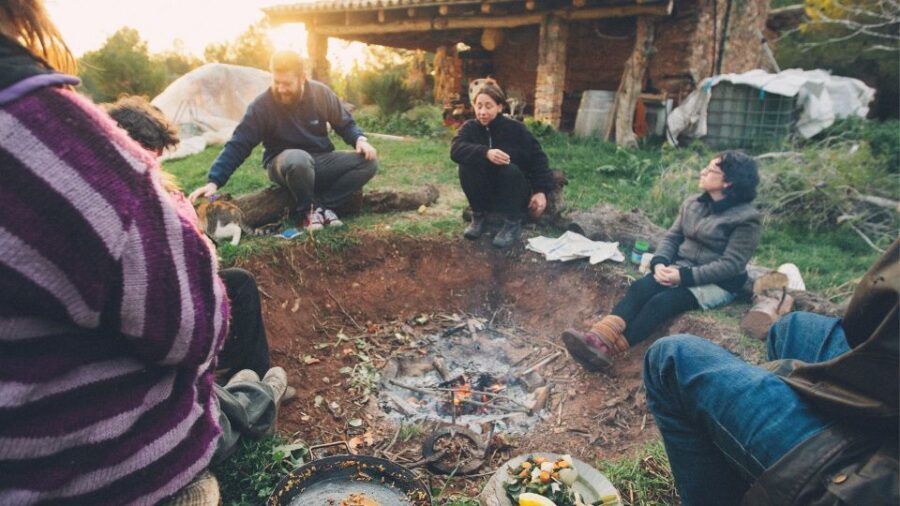
This meal isn’t one recipe. It’s several, and each one teaches you something distinct.



Dal Bati: the structure of comfort food
Batis are the backbone here: dough formed into batis, then baked until they’re ready to break, dip, and eat. The lentil curry does its job with masalas that feel local rather than generic.
What you’ll likely enjoy:
- The moment you see the dough become something oven-baked
- The way the curry clings to bite-sized pieces
- The balance between savory and ghee-rich flavor
If you’re curious about cooking texture, this is the dish that explains why some Indian breads and balls are baked and not just fried.
Churma: sweetness without being complicated
Churma is made from crushed batis mixed with ghee and jaggery. It’s a simple formula, but it works because the sweet component has depth and warm flavor.
You’ll probably remember this one for a practical reason: it’s a dessert-like ending that doesn’t taste like heavy sugar. It leans on the roasted flavor of the batis.
Gatte Ka Saag: dumplings that make the curry feel complete
Gatte Ka Saag uses chickpea flour dumplings. Those dumplings add substance, so the curry doesn’t feel thin or like a sauce-only dish.
This is a good one to pay attention to while you’re cooking, because dumpling texture matters:
- Too soft and it breaks
- Too firm and it’s chewy
- Done right, it makes each bite satisfying
Cha as and local snacks: the cooling rhythm in the middle of it all
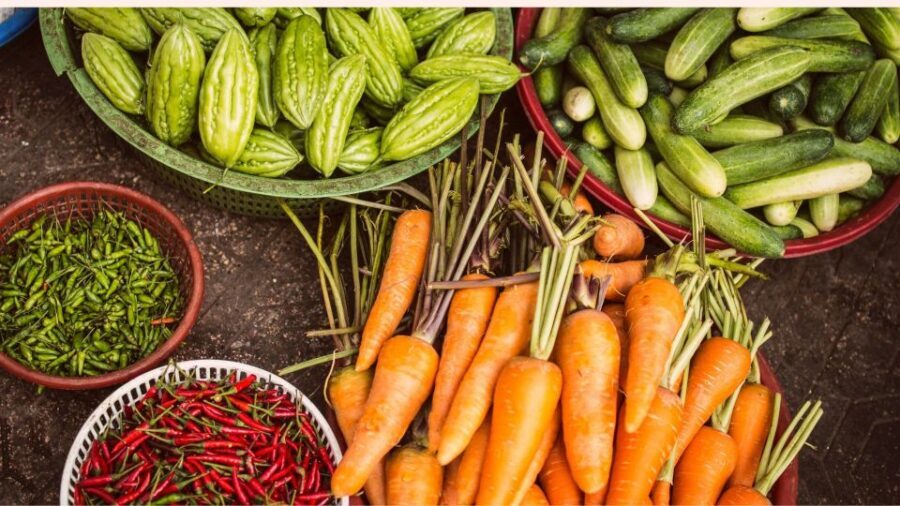
Between farm time and full cooking intensity, you’ll be refreshed with chaas, a traditional buttermilk drink made of yogurt. It’s there for a reason: it cools you down, helps you reset your palate, and keeps you comfortable while you’re active outdoors.
You’ll also have local snacks along the way. The snacks help you avoid that post-walk, pre-meal hunger slump that can make group dining feel rushed.
If you’re sensitive to dairy or spices, this is the time to take note of what you’re given and how you respond. But in general, chaas is a safe, friendly palate cleanser.
The group feast under a neem tree: what’s actually on your plate
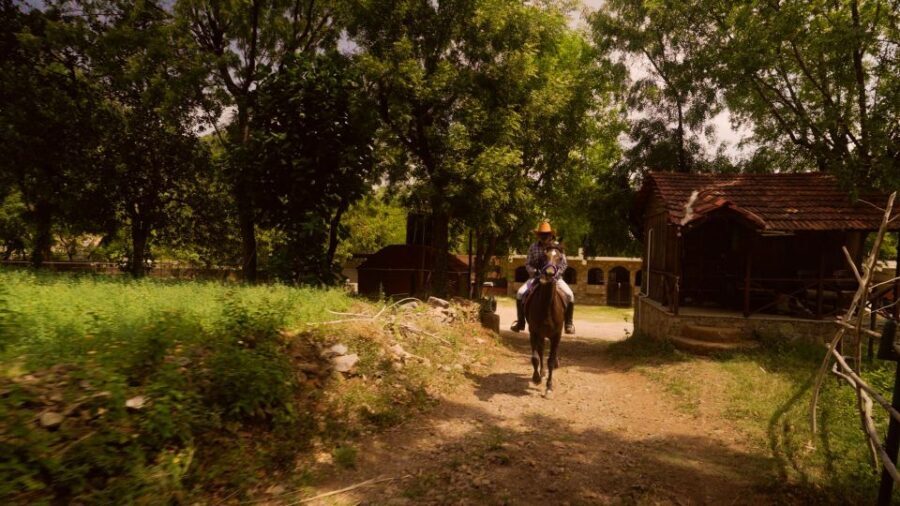
After cooking, you eat. The setting is outdoors and shaded—under a neem tree—which is a classic choice for a reason: it cools the air and keeps the meal relaxed.
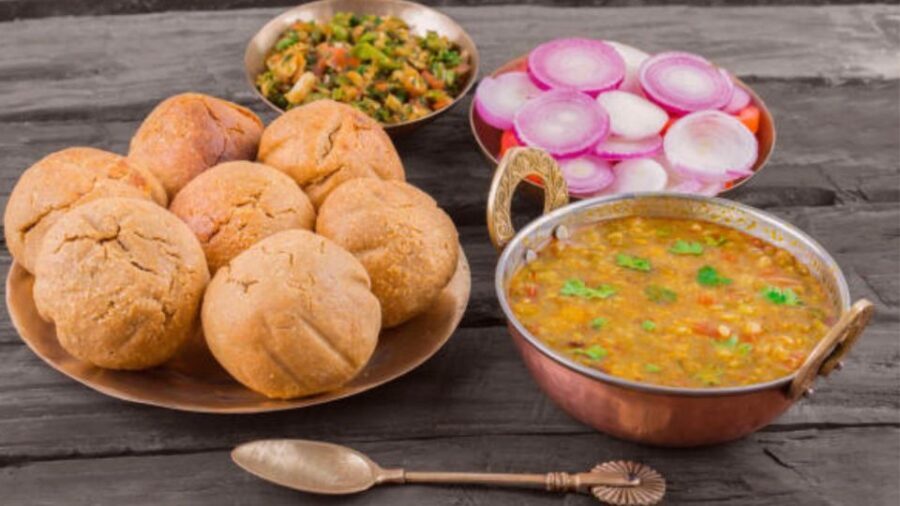
Your table includes the dishes you helped make or learned to make:
- Dal Bati Churma
- Sarson Ka Saag
- Gatte Ka Saag
- Chaas (buttermilk) and local snacks
What I like about this lineup is that it’s not random. It matches the farming theme:
- Mustard-related greens connect to the field
- Chickpea flour connects to the dumplings
- The clay oven theme connects to the batis
Add in local artisans and musicians, and you get an evening that feels like village life rather than a scripted food show.
Culture beyond the plate: music, artisans, and village life
The meal doesn’t happen in silence. Local artisans and musicians add performances during the dining time. That matters because Rajasthan isn’t only about food; it’s about how people pass time and mark moments together.
You’ll feel it in small ways:
- People take more time with conversations
- The group energy shifts from cooking focus to shared enjoyment
- The music makes the experience feel longer than two hours
It’s also a good reminder that eating here is part of community, not just hospitality.
Price and time: is $21 for 2 hours good value?
At $21 per person for 2 hours, this is priced like a bite-sized cultural activity rather than a full-day excursion. The key value driver is simple: food is included. You’re not paying extra for the meal after the class—you’re eating what you learned.
You do need to factor in transport. Conveyance is not included, and the experience is on the outskirts of Udaipur. If you already have a car/driver, the price can feel very fair for what you get. If you need help arranging a vehicle, your real all-in cost may rise, and the “two hours” becomes “two hours plus travel time.”
For many visitors, that trade-off is worth it because:
- You get hands-on farming and cooking
- You eat multiple Rajasthan dishes
- You gain context that typical restaurants can’t provide
If you want maximum value, plan it as a half-day anchor. Don’t stack it with another long activity across town unless you have reliable transport lined up.
Logistics you should plan for: English, meeting point, and rural timing
Here’s the practical stuff that keeps the day smooth.
- Meeting point: Your host will meet you at the set meeting point.
- Languages: English and Hindi support is available.
- Duration: about 2 hours.
- Location: outskirts of Udaipur, so expect rural travel time.
If you’re coming without transport, don’t assume it’s walkable from the center of Udaipur. The information explicitly notes you may need assistance reaching the venue, and that help can include arranging a vehicle with separate charges.
Also, pack for outdoors. Even if the walking is short, you’ll spend time in fields and open air. Bring water, sun protection, and something you can comfortably wear while moving.
Who this farm-to-table tour suits best
This experience fits best if you like one or more of these:
- You enjoy hands-on cooking more than watching
- You care about how local crops connect to local dishes
- You want a Rajasthan experience that feels grounded in everyday life
- You prefer small, personal interactions with hosts rather than big bus tours
It may be less ideal if you want a fully indoor, climate-controlled experience, or if rural transport uncertainty stresses you out. In that case, line up your transport before you go and you’ll feel much better.
Should you book this farm-to-table experience near Udaipur?
If you’re in Udaipur and you want something more meaningful than another sightseeing loop, I’d say yes—with one condition: plan transport early. The rest is a strong, practical package for farm life plus real cooking plus a proper group meal.
Book it if you want to:
- meet the people behind the ingredients
- cook classics like Dal Bati and Gatte Ka Saag
- eat under a neem tree while local musicians add atmosphere
Skip it or rethink it if:
- you don’t want any rural walking or open-air time
- you’re relying on transport that might be hard to arrange
Overall, this is a food experience that actually explains itself. You leave with more than a full stomach—you leave with a clearer sense of how Rajasthan’s meals are built.
FAQ
Where is the farm-to-table experience located?
It takes place in Rajasthan, India, on the outskirts of Udaipur.
How long is the experience?
The duration is 2 hours.
How much does it cost?
It costs $21 per person.
What’s included in the price?
The experience includes food.
What is not included?
Conveyance (transport) is not included.
What is the meeting point?
Your host will be waiting for you at the meeting point.
What languages are available?
The host or greeter speaks English and Hindi.
Is free cancellation available?
Yes. You can cancel up to 24 hours in advance for a full refund.