REVIEW · JAIPUR
Explore Private Tour The Golden Triangle Done Differently
Book on Viator →Operated by Raju's Private Tours · Bookable on Viator
Golden Triangle, but with fewer crowds and more control. This private take on the classic Delhi–Agra–Jaipur route mixes the famous monuments with lesser-seen stops like Lodhi Garden and the Black Taj, guided by Raju. You’re not stuck in a one-size-fits-all day.
I love the pickup-first start in Delhi and the fact that breakfast included means you start each morning fueled, not hunting. I also like how Raju works with your wish list day by day, from shopping time in Jaipur to the photo setup at the Taj Mahal known as the Diana seat.
The main thing to plan for: lunch and dinner aren’t included, so you’ll want to budget for daily meals and be ready to choose where you eat on the fly.
In This Review
- Key highlights worth noticing
- Why this Golden Triangle tour feels different (and why that matters)
- Price and what you’re really buying for $224.71
- Day 1 in New Delhi: airport pickup and an easy start
- Day 2 in Delhi: Lodhi Garden, Lotus Temple, and Humayun’s Tomb
- Day 3 in Agra-area sights: Baby Taj and the Black Taj story
- Day 4 at the Taj Mahal: Diana seat photo time and real appreciation
- Day 5 Fatehpur Sikri and Abhaneri: victory gate, fusion palace, and an 8th-century stepwell
- Day 6 Jaipur shift: Galtaji Monkey Temple and royal cenotaphs
- Day 7 Jaipur royal highlights: City Palace, Water Palace at sunset, and Amber Fort
- Day 8 departure: one last breakfast and a smooth ride out
- Who should book this Golden Triangle “done differently” style
- Should you book it?
- FAQ
- Is this tour private?
- Where does the tour take place?
- How long is the tour?
- Is pickup included?
- Are meals included besides breakfast?
- What about hotel accommodation in Delhi?
- Are entrance tickets included?
- What’s the cancellation policy?
- Is there a mobile ticket?
Key highlights worth noticing
- A true private driver-guide for the Golden Triangle route
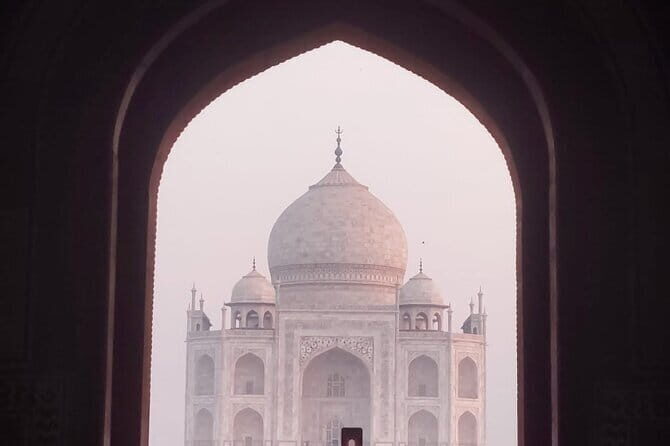
- Taj Mahal time that includes the Diana seat photo spot
- Offbeat add-ons like Lodhi Garden, the Black Taj, and Abhaneri’s stepwell
- Breakfast included every morning, with lunch/dinner handled separately
- Real walking involved (fort streets, temple areas), so comfy shoes matter
Why this Golden Triangle tour feels different (and why that matters)
Most Golden Triangle trips feel like a relay race. You get dropped, pointed at the big sights, then shoved along before you can actually absorb anything. This one is built around the idea of your pace—private, with a guide who adjusts the day around what you want to see and do.
That shift is practical. When you’re not sharing time with a large group, you can spend a little longer if a monument hits you, or move faster if your energy is high. You also get more time for the in-between stuff—food stops, local shopping, and side sights that aren’t always on the loudest tour scripts.
The second reason this works is Raju. He’s repeatedly described as safe, punctual, and genuinely engaged with India beyond the photo stops. In a place where traffic can be chaotic, having someone who knows routes and timing is not a “nice-to-have.” It changes how relaxed your whole trip feels.
You can also read our reviews of more private tours in Jaipur



Price and what you’re really buying for $224.71
At about $224.71 per person for roughly 8 days, the value depends on what you usually pay for in India. If you’ve ever booked a budget tour and then discovered that each admission and transfer costs extra, this format may feel cleaner.
Here’s what’s covered in the parts you can clearly see:
- Breakfast is included for 7 mornings
- Pickup is offered
- A private group means you’re not paying for other people’s pace
- Some monument admissions are marked included, and others are marked free
What’s not included:
- Lunch
- Dinner
This is the trade you should plan for. If you’re the type who likes to eat where the locals eat, you might welcome the freedom. If you prefer everything pre-paid and predictable, you may want to set aside a daily food budget and ask Raju for recommendations as you go.
Also note the accommodation reality. Delhi starts you at Red Fox as the base level (minimum standard), and you can negotiate a step-up if you want.
Day 1 in New Delhi: airport pickup and an easy start
Day 1 is about landing, settling, and not wasting your first evening. Most flights into India from Australia land later, and this tour matches that rhythm: Raju collects you from the airport and takes you on the short drive to your Delhi accommodation.
That matters more than it sounds. After a long flight, you don’t want admin. You want a smooth arrival, a clear plan for the morning, and sleep that actually happens.
If you’re arriving as part of another tour, you’ll meet at a suitable place that fits the schedule. Once you’re checked in, you’re free to recover—or do a little low-effort wandering near your hotel area if you’re the energetic type. The tour is also set up with the idea that you’ll be active the next day, not “start sightseeing” at midnight.
Day 2 in Delhi: Lodhi Garden, Lotus Temple, and Humayun’s Tomb
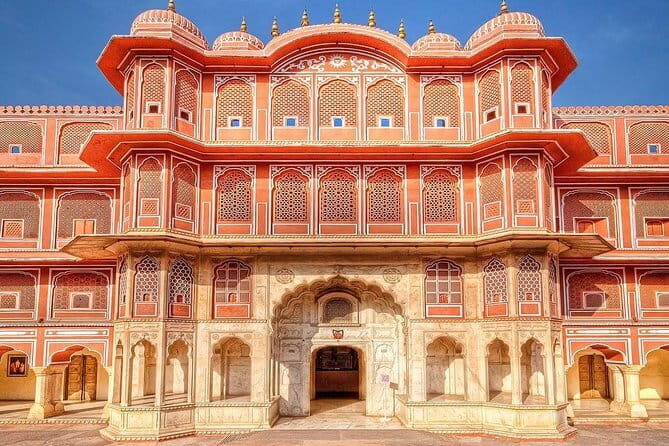
Delhi on Day 2 is a smart mix: park calm, spiritual architecture, then Mughal grandeur.
First stop: Lodhi Garden. It’s a big 90-acre green space in the middle of the city, and it’s described as a well-kept secret. If you’ve ever arrived in India and felt like the city was all concrete and horns, this is your reset button. You’ll get space to breathe and get your bearings fast.
Next: Lotus Temple (Baha’i). This is one of those buildings where the shape does the talking. All people of all faiths are welcome, and the architecture is the draw—so go with a slower eye than you would for a quick photo.
Then: Humayun’s Tomb. Built in the 1500s and made of red sandstone and marble, it’s also an engineering standout for its era. This is the kind of stop where a guide helps a lot, because the design details reward attention.
Practical note: you’ll likely walk more than you think in these monuments. Wear shoes that handle uneven ground and plan to hydrate—Delhi can surprise you with how warm it feels, even when the schedule looks gentle.
Day 3 in Agra-area sights: Baby Taj and the Black Taj story
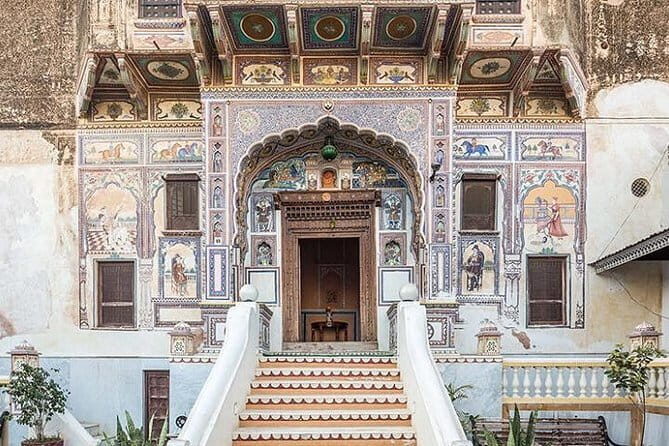
Day 3 leans into two tombs that connect to the Taj Mahal legend, but in very different ways.
Start with Itimad-ud-Daulah, often called the Baby Taj. It’s from the 1626–28 period and is requested by his widow. The key detail here is the marble work and the carvings—something guides can explain in a way that makes your photos look better because you’re photographing with context, not just for scale.
Then comes the Black Taj, also known as the Tomb of Shah Nawaz Khan, across the river from the Taj Mahal. The point of this stop isn’t only the building. It’s the myth-and-truth angle: the stories behind it, and what you can decide is accurate.
This day is valuable because it gives you layers before you hit the main event on Day 4. When you see the Taj Mahal after learning about related tombs and design influences, it lands differently. You don’t just see the icon—you understand why it evolved the way it did.




Day 4 at the Taj Mahal: Diana seat photo time and real appreciation
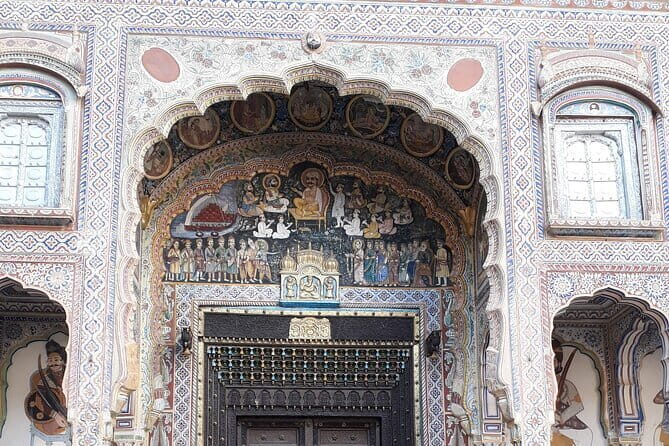
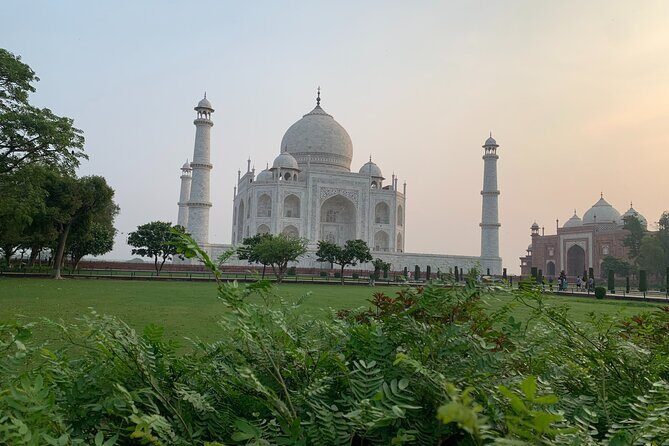
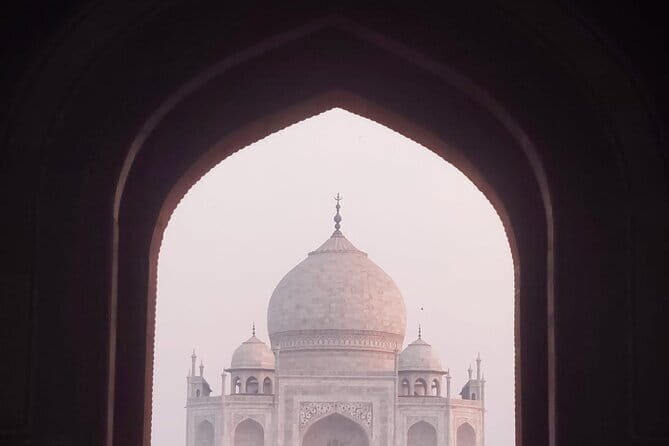
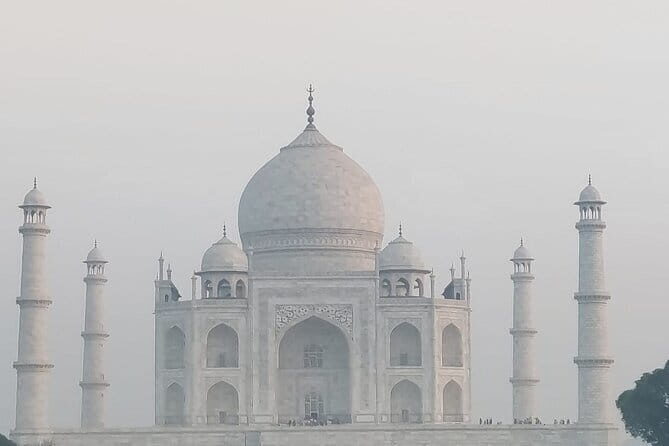
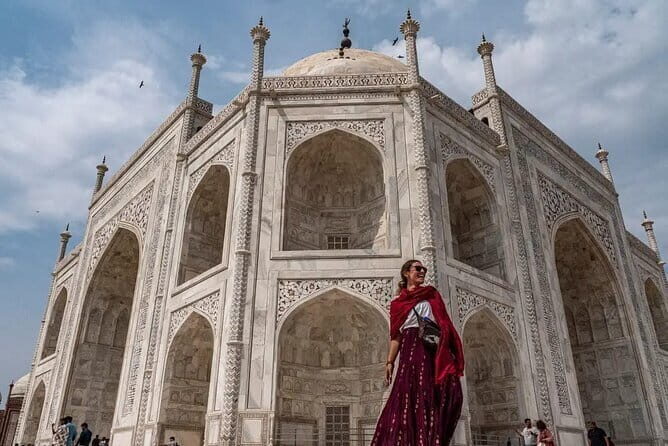
If you’re coming to the Golden Triangle, this is the big one. Taj Mahal is an 8-day magnet for a reason: commissioned by Shah Jahan for his wife Mumtaz Mahal, it’s a monument of love tied to Mughal power and design ambition.
This tour includes a specific photo moment: the Diana seat. It’s a named photo setup, so it helps you get the classic angle without wandering around guessing. Even if you’re not a photographer, having a planned spot saves time and keeps your photos consistent.
What I love about structuring the Taj Mahal day like this is that it supports two different travel styles. If you want photos first, you can do that. If you want quiet attention first, you still have the time—because a private setting usually helps you control the order.
One consideration: the Taj Mahal area is a high-demand zone, so go in ready for crowd energy. The private guide doesn’t erase crowds, but it can help you navigate timing and movement so you don’t feel stuck.
Day 5 Fatehpur Sikri and Abhaneri: victory gate, fusion palace, and an 8th-century stepwell
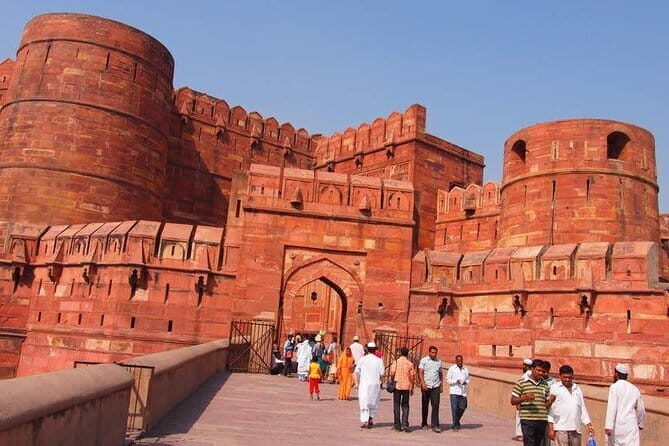
Day 5 is where the tour earns its “done differently” label.
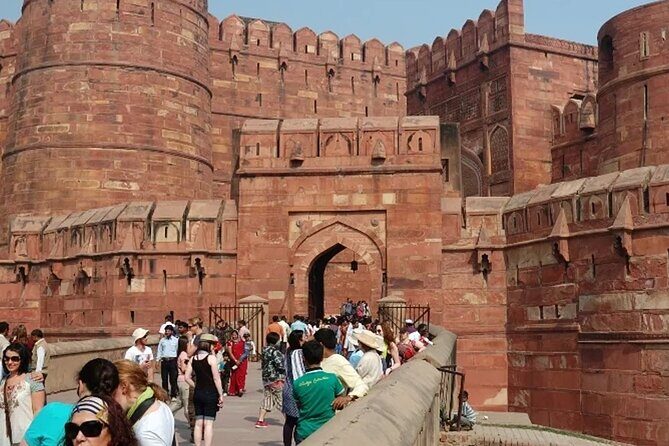
First: Fatehpur Sikri, including the Spectacular Victory Gate commissioned after victory in Gujarat in the late 1500s. Even one gate can hold a lot, because it’s the kind of monument where the story is built into the details. A guide helps you connect the dots between power, politics, and design.
Then: Jodha Bai’s Palace inside Fatehpur Sikri. It’s described as the largest palace there, with fusion of Hindu and Persian architecture using red sandstone. This stop is interesting because it’s not only about being old. It’s about how styles mix when empires collide and compromise.
Finally: Abhaneri, the 8th-century stepwell. Even though the stop is short, it’s memorable. You get a chance to see a very different side of Rajasthan architecture—water engineering made visible in stone.
The drawback potential on Day 5 is pace. You’re stacking several sites in one day. If you’re sensitive to long drives, plan to drink water and take breaks when you can. Comfortable clothing helps too, because this is a day where the sun and walking can add up.
Day 6 Jaipur shift: Galtaji Monkey Temple and royal cenotaphs
Day 6 starts in the Jaipur region with a temple stop and ends with a more personal Jaipur afternoon.
First: Galtaji Temple, also called Monkey Temple. Spring waters flow through narrow crevices into pools and tanks where pilgrims bathe, with temples built to honor the sacred water flow. It’s a stop where sound, movement, and everyday ritual blend together—different from the “sit, stare, photograph” monuments.
Next: Gaitore Ki Chhatriyan, cenotaphs for royal kings and queens of Jaipur. This is a more reflective kind of stop, and it changes the mood after temple energy.
Then you land in Jaipur for the afternoon’s flexible part: time for finding “hidden things,” working through your wish list for something special to take home, and seeing how something is made. The tour doesn’t force you into only big ticket sights. It’s designed to let you pursue personal interests—crafts, small shopping goals, or just a calmer afternoon.
If you like a tour that gives you structure but doesn’t treat every hour like a checklist, this is where it shows.
Day 7 Jaipur royal highlights: City Palace, Water Palace at sunset, and Amber Fort
Day 7 is your full Jaipur day: royal architecture, a summer palace moment, and a big fort.
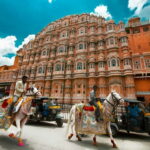
Start with City Palace of Jaipur. It’s described as beautiful and the stop is 2 hours, which is helpful. City Palaces can feel rushed on short tours, but a longer window gives you time to look at details and not just get your bearings.
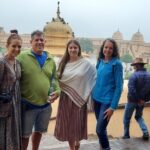
Then you get the Water Palace, also known as the summer residence for the Jaipur Royal family. The tour frames this as a chance to see it while having lunch or watching the sunset. Even if you don’t eat there, planning your time around the light can turn a sightseeing stop into a memory.
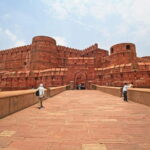
Finally: Amber Fort. Expect large ramparts, several gates, and cobbled streets. This part is where shoes matter and where you’ll feel the day as it moves uphill or across uneven surfaces. It’s still worth it—Amber Fort is the kind of site where structure and views work together.
You end with Jaipur shopping and relaxing, with time set aside to unwind and handle last-minute buys without feeling panicked.
Day 8 departure: one last breakfast and a smooth ride out
Day 8 keeps things simple. You’ll have a leisurely breakfast, check out, and then continue your journey home or onto your next adventure. The tour includes help taking you to the airport or train.
This wrap-up is underrated. A lot of multi-day tours jam the last day so hard you don’t feel human. Here you get breathing room in the morning, which helps you avoid the “we’re packing in a rush” feeling while still keeping the trip organized.
If you’re the type to squeeze in extra shopping, Day 8 is not the best time—that’s what Day 6 and Day 7 are for. Instead, treat Day 8 as your reset: slow breakfast, final photos, and a stress-free departure.
Who should book this Golden Triangle “done differently” style
This tour is best if you want:
- A private experience across Delhi, Agra, and Jaipur without sharing your schedule
- Flexibility for your own wish list (shopping time and special interests matter here)
- A guide with real drive-time skills and monument context (Raju is the center of this tour)
- Breakfast included and a straightforward rhythm of mornings with planned sights
You might want a different setup if:
- You hate making decisions about lunch and dinner every day
- You prefer fully included, fixed-price meals and zero customization
- You want a tour that’s only about the biggest headline monuments with no time for side stops
One last practical thought: this route includes tombs, temples, forts, and palace areas. That means moderate walking and some uneven ground. If you’re comfortable with that, the tour feels smooth. If you’re not, you’ll want to plan mobility support and pace yourself.
Should you book it?
Yes—if your ideal Golden Triangle trip is a private, guide-led mix of famous sights and meaningful extras. The value comes from the structure (pickup, daily breakfast, organized stops) plus the flexibility (Raju adapting to what you want, including shopping and special-interest time). If you’re okay managing lunches and dinners yourself, this is the kind of tour that makes the classic route feel more personal.
FAQ
Is this tour private?
Yes. It’s a private tour/activity, and only your group participates.
Where does the tour take place?
It covers Jaipur, with the Golden Triangle route also including Delhi and Agra-area sights along the way.
How long is the tour?
The duration is listed as 8 days (approx.).
Is pickup included?
Pickup is offered. Raju can collect you from the airport in Delhi, and he can also take you to the airport or train at the end.
Are meals included besides breakfast?
Breakfast is included for 7 mornings. Lunch and dinner are not included in the tour fee.
What about hotel accommodation in Delhi?
The base level accommodation in Delhi is the Red Fox. A step up can be negotiated if you want something better.
Are entrance tickets included?
Some monument admissions are included and others are marked free in the schedule. The tour includes tickets for specific stops like Lotus Temple, Humayun’s Tomb, Itimad-ud-Daulah, Black Taj, Taj Mahal, and City Palace (as listed), while other stops are marked free.
What’s the cancellation policy?
You can cancel for a full refund up to 24 hours in advance of the experience’s start time. If you cancel less than 24 hours before, the amount paid is not refunded.
Is there a mobile ticket?
Yes, a mobile ticket is included.