REVIEW · BODH GAYA
Exclusive Guided Tour of Bodh Gaya
Book on Viator →Operated by TravelBaits · Bookable on Viator
Bodh Gaya feels busy. This tour keeps it calm. I love the Mahabodhi Temple start on day one and the smooth way you visit a whole chain of international monasteries without getting lost, with a real guide doing the explaining. I also like that you get practical help like maps and eating suggestions so you’re not guessing. One thing to weigh: several monastery and sight stops list admission as not included, and a lot of them are brief (about 20 minutes each).
This is a private tour for up to 3 people, with pickup and an air-conditioned car. You get a mobile ticket, and the guide helps you keep the day moving at a sensible pace so you can actually enjoy the quiet parts, not just collect photos.
If you like temple circuits and want a structured plan in just 2 days, this is a good match. If you’re the kind of person who wants long, slow hours at each monastery, you might find the schedule a bit tight.
In This Review
- Key highlights you should know before you go
- Entering Bodh Gaya the right way: temples, monasteries, and a calm pace
- Day 1 at Mahabodhi Temple: the emotional center of the trip
- Monastery circuit day: Thai, Bhutanese, Cambodian, Japanese, Metta, and more
- What you’ll actually feel at these stops
- The main drawback to plan for
- Sujata Kuti: a quieter 30-minute pause with meaning
- Day 2 start: Vishnupad Temple and the Falgu River area
- Barabar Caves: a major shift into ancient rock-cut history
- Dungeshwari Hills: two hours of meditative space and views
- Back to the monasteries: Tibetan and Chinese temples
- Comfort and logistics: what the A/C vehicle and pickup actually buy you
- Price and value: when $226.67 per group makes sense
- Guide quality and flexibility: Dinu, Brijesh, and the small details
- What to bring and how to pace your 2 days
- Should you book this private guided tour of Bodh Gaya?
- FAQ
- How long is the Bodh Gaya guided tour?
- What is the group size for this private tour?
- Does the tour include pickup and transportation?
- Are airport transfers included?
- Is accommodation included in the price?
- Are temple and monastery admission tickets included?
- What’s the meeting window for the tour?
- Do I need a certain physical fitness level?
- What’s the cancellation rule if weather is bad?
Key highlights you should know before you go
- Private group (up to 3): only your group participates, so timing feels flexible.
- Mahabodhi + Vishnupad marked as free admission stops: two anchors of the itinerary.
- Monastery hopping across countries: Thai, Bhutanese, Cambodian, Japanese, Tibetan, and Chinese sites in one loop.
- Real variety beyond Bodh Gaya town: Barabar Caves and the Dungeshwari Hills give you a nature-and-history shift.
- On-the-ground help beyond sightseeing: the TravelBaits team can assist with train tickets and onward travel plans.
- Comfort built into the logistics: air-conditioned vehicle plus pickup, which matters when you’re covering multiple areas.
Entering Bodh Gaya the right way: temples, monasteries, and a calm pace
Bodh Gaya is one of those places where the setting itself pulls you in. But it can also be a lot to manage if you’re trying to plan on your own—crowds, multiple entry points, and the sheer number of sites that feel connected but aren’t in a straight line.
That’s where this guided setup helps. You get an air-conditioned vehicle and a guide, so your day runs on local know-how rather than map-tapping stress. I also like that the tour includes tour maps and eating-out suggestions—small touches that make a big difference when you’re trying to stay oriented.
One more practical win: it’s designed as a 2-day circuit, not a rushed 5-stop sprint. In the feedback you’ll see a pattern—people value having time shaped around what matters most to them, especially at the central Mahabodhi Temple area. Even with a set itinerary, a good guide can help you manage your attention where it counts.
You can also read our reviews of more guided tours in Bodh Gaya
Day 1 at Mahabodhi Temple: the emotional center of the trip
Day one anchors itself at the Mahabodhi Temple, and that choice makes sense. You start with a calm, focused visit where Gautam Buddha is connected with enlightenment, and you’re given time to slow down. The stop is listed at 1 hour with admission ticket noted as free.
What makes this part work on a guided tour is simple: your guide can help you understand what you’re looking at, and that turns the temple complex from a sightseeing checklist into something more personal. You also have time to observe the Bodhi Tree area properly, including a chance to see monks and notice the rhythm of worship around you.
Practical note: temples like this reward patience. If you rush, you miss the details—ways people move, where they pause, and how the space feels at different angles of the day. With a guide and a planned hour, you’re less likely to feel forced to choose between standing back or taking in everything.
Monastery circuit day: Thai, Bhutanese, Cambodian, Japanese, Metta, and more
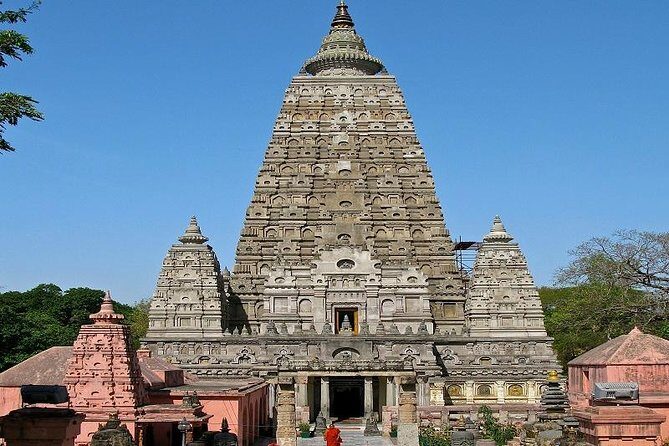
After Mahabodhi, the itinerary becomes a “world tour” of Buddhism—without leaving Bodh Gaya. This is where the tour’s focus on international sites really shines. You’ll hit several monasteries in sequence, each around 20 minutes, with admission noted as not included for these stops.
Here’s the route on day one:
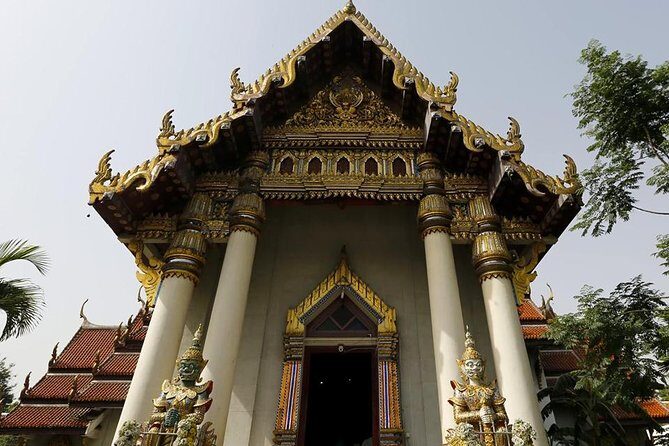
- Thai Monastery (about 20 minutes)
- Royal Bhutan Monastery (about 20 minutes)
- Cambodian Monastery Bodhgaya (about 20 minutes)
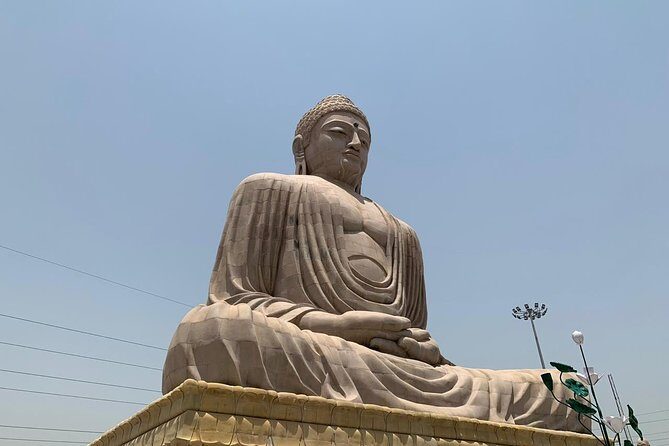
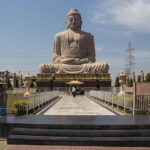
- Great Buddha Statue (about 20 minutes)
- Indosan Nippon Japanese Temple (about 20 minutes)
- Metta Buddharam Temple (about 20 minutes)
- Sujata Kuti (about 30 minutes)
What you’ll actually feel at these stops
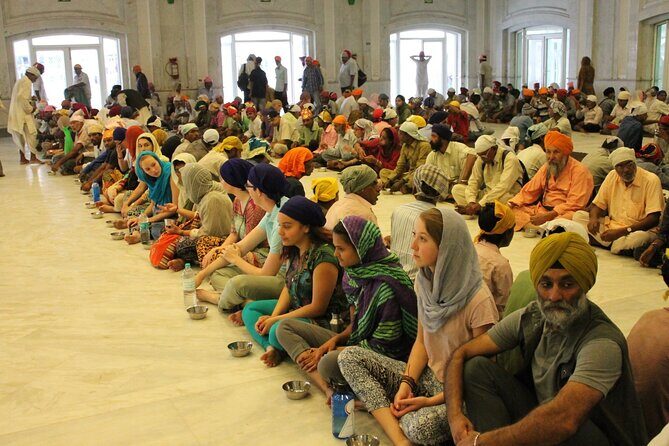
These aren’t all the same type of visit. Each monastery has its own look and mood—different architecture, different design cues, and different styles of prayer spaces. If you’re the type who likes noticing how faith shapes art and layout, this section can be satisfying.
The “brief stop” format is also honest. You won’t get hours at each, but you do get a cross-section of the larger Bodh Gaya story: Buddhism here isn’t one language or one tradition. It’s many, stacked together in one place.
The main drawback to plan for
The schedule is tight at the monasteries. If you want to go deep at every site, the time windows can feel short. Also, since admission is listed as not included for most of these, you should budget for those tickets. If you’re careful, you’ll still leave day one with a clear sense of the complex’s variety.
Sujata Kuti: a quieter 30-minute pause with meaning
Sujata Kuti is the longer stop on day one at about 30 minutes, and that extra time is well used. This is connected to Sujata, the person associated with offering food to Buddha while he meditated.
This is one of those stops that benefits from context. A guide can point out why this story matters in Buddhist tradition and how it fits around the broader enlightenment setting. Even if you’re not a scholar, you’ll likely leave with the feeling that the tour is not only about buildings—it’s about the ideas attached to them.
It’s also a helpful moment to reset after a run of monasteries. Thirty minutes gives you breathing room to sit, look around, and absorb.
Day 2 start: Vishnupad Temple and the Falgu River area
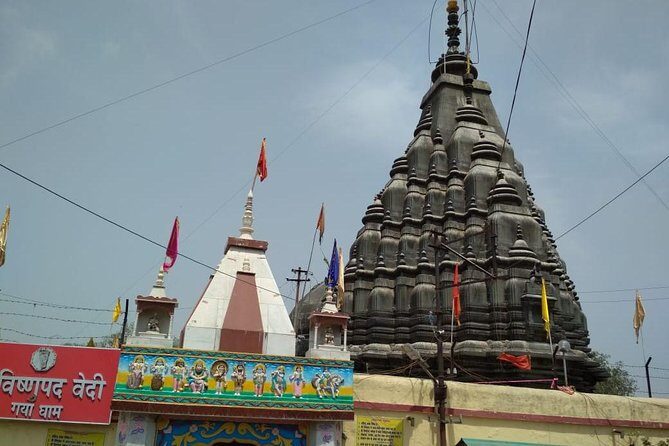
Day two begins at Vishnupad Temple in Old Gaya near the Falgu Bank. The stop is listed at 1 hour with admission ticket noted as free.
This is a good second-day anchor because it changes the feel. Mahabodhi is about the enlightenment landscape; Vishnupad brings you into a different spiritual atmosphere tied to a larger sacred geography around Gaya.
If you want your 2 days to feel like a complete experience instead of repeating the same setting, this is a smart pivot. Also, a free admission stop helps you manage costs since you’ll still have other paid-entry monasteries later.
Barabar Caves: a major shift into ancient rock-cut history
Next up: the Barabar Caves, about 1 hour. These caves are described as among the earliest rock-cut caves in India, constructed around 300 BC, with admission not included.
This stop matters because it’s not only Buddhism-themed sightseeing. It’s a direct move into early rock-cut architecture and a different kind of “history you can stand inside.” If you’ve only been thinking about temples and monastery courtyards, the caves give you something physical and enclosed—cooler, darker, and very different from open shrine spaces.
The drawback here is purely practical: caves can be less forgiving for people who don’t like enclosed spaces. If that’s your situation, you might still go in briefly and spend more time at the entrance area, but the tour time is set for a full hour.
Dungeshwari Hills: two hours of meditative space and views
Then comes the Dungeshwari Hills, listed at about 2 hours, with admission not included. This stop is tied to the idea that Buddha spent a lot of time meditating here.
This is the tour’s slow-burn moment. Two hours is long enough to take breaks, pause for quiet, and enjoy the sense of distance from the main temple core. Even if you don’t hike all over (the itinerary doesn’t specify exact walking intensity), the hills usually give you better chances to look at Bodh Gaya from a more spread-out perspective.
This is also one of the reasons the tour notes moderate physical fitness. You don’t need to be an athlete, but you should be comfortable with uneven ground, stairs, and spending a couple of hours outdoors.
Back to the monasteries: Tibetan and Chinese temples
In the late part of day two, the itinerary returns to Bodh Gaya with:
- Tibetan Monastery (about 20 minutes)
- Chinese Temple (about 20 minutes)
These are short stops, and that works best if you treat them as “finishers.” By now, you’ll have already seen several monastery styles, so you’ll likely notice what’s consistent and what’s distinct across traditions.
I like this pacing. It prevents day two from feeling like only caves and hills. You get a final religious-spiritual component that bookends the outdoor history section.
Comfort and logistics: what the A/C vehicle and pickup actually buy you
This tour includes:
- air-conditioned vehicle
- guide
- all fees and taxes (for the tour itself)
- airport transfer (and drop can be included if you’re flying to Patna or Gaya)
It also offers pickup, and you receive a mobile ticket. Meeting hours are listed in a morning window (6:00 AM to 11:00 AM).
Here’s what that means for you in real life:
- You don’t waste time figuring out transport between sites.
- You get consistent pacing across a day full of stops.
- You’re less likely to “accidentally skip” something because you ran late.
A/C matters more than it sounds in Bihar summers. Even if you’re religious about sightseeing, comfort keeps your attention on the places—not your sweat level.
Also, the tour is private. That’s not a luxury-only feature. It’s how you avoid group chaos in a place where your best memories usually come from quieter moments.
Price and value: when $226.67 per group makes sense
The price is listed at $226.67 per group, up to 3 people. On average, it’s booked about 93 days in advance, which suggests it’s a popular slot for planning.
So is it worth it?
Here’s the value equation I’d use:
- You’re paying for a private guided plan over two full days.
- You get an A/C cab and a guide, which is the biggest cost driver in local travel.
- You’re also covered for tour-level fees and taxes, plus airport transfer access if you’re arriving/departing through Patna or Gaya.
Where you should be realistic: accommodation is not included. And since many stops note admission as not included, you may still spend some extra cash on attraction tickets.
If you’re traveling as a couple or a small group, private tours usually become better value fast because you spread the car + guide cost. If you’re a solo traveler, it can still work if you’d rather pay for comfort and clarity than spend time negotiating transport and admission details.
Guide quality and flexibility: Dinu, Brijesh, and the small details
The best tours don’t just show places—they manage your time and help you interpret what you see.
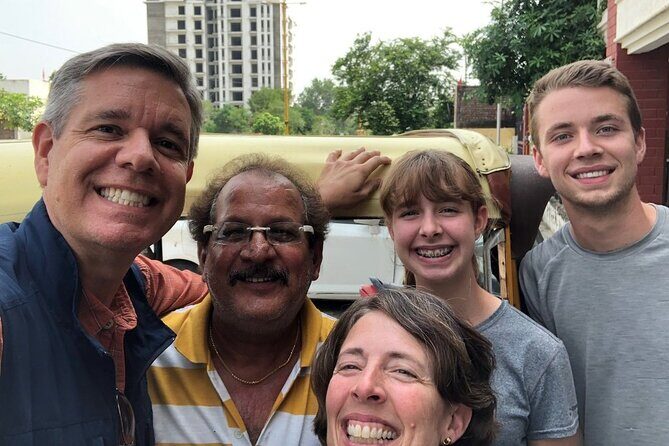
From the experience notes tied to this tour, the guide named Dinu is praised for being prepared and explaining things in simple terms. There’s also a clear pattern of flexibility—so if your interests tilt toward more time at Mahabodhi Temple or you want to slow down for questions, you’re more likely to feel heard.
Driver support matters too, especially across multiple areas in 2 days. The car driver noted as Brijesh is described as helpful and familiar with the routes. That kind of local comfort can reduce the mental load for you.
Finally, one more practical perk: the TravelBaits team (including a representative named Shraddha) is mentioned as helping with train tickets and multi-city arrangements. That doesn’t replace the guided sightseeing, but it’s useful if Bodh Gaya is only one stop in your India plan.
What to bring and how to pace your 2 days
The tour asks for moderate physical fitness. That’s your clue to pack like you’ll be outdoors and moving between temple complexes, hills, and caves.
Bring:
- comfortable footwear for uneven ground
- water and a light layer (temples and caves can shift temperature)
- a small amount of cash for any admission fees marked not included
Pacing tip: don’t treat every stop as equally urgent. In this kind of itinerary, your “best memory” usually comes from whichever place you slow down for. If Mahabodhi or the Bodhi Tree area is your priority, protect that attention slot. The rest of the circuit then becomes a satisfying add-on instead of a race.
Should you book this private guided tour of Bodh Gaya?
Book it if you want a private, structured 2-day tour that covers the core Bodh Gaya sites plus surrounding history like Barabar Caves and the Dungeshwari Hills. It’s especially attractive for small groups who want A/C comfort, pickup, and a guide to explain the meaning behind what you’re seeing.
Skip it (or consider a different style) if you’re aiming for long, slow visits at every monastery. The itinerary is built for breadth and good flow, not hours of deep study at each stop—and several admissions are listed as not included, so you’ll want to budget for tickets.
If your goal is a well-managed religious and cultural circuit without the stress of planning every transfer, this tour fits the bill.
FAQ
How long is the Bodh Gaya guided tour?
It runs for about 2 days.
What is the group size for this private tour?
It’s a private tour, and your group size can be up to 3 people.
Does the tour include pickup and transportation?
Yes. Pickup is offered, and you’ll travel by an air-conditioned vehicle.
Are airport transfers included?
Airport transfer and drop can be included if you’re traveling to Patna or Gaya airports.
Is accommodation included in the price?
No. Accommodation is not included.
Are temple and monastery admission tickets included?
Admission ticket status varies by stop. Mahabodhi Temple and Vishnupad Temple are listed as free admission, while several other monasteries and sites are listed as not included.
What’s the meeting window for the tour?
Tours operate within the morning window of 6:00 AM to 11:00 AM.
Do I need a certain physical fitness level?
The tour suggests a moderate physical fitness level.
What’s the cancellation rule if weather is bad?
You can cancel up to 3 days in advance for a full refund, and the experience requires good weather; if it’s canceled due to poor weather, you’ll be offered a different date or a full refund.