REVIEW · JAIPUR
Elephant Sanctuary for Best elephant experience in Jaipur
Book on GetYourGuide →Operated by Yoga Tours By India · Bookable on GetYourGuide
You can meet elephants without riding them. This Jaipur sanctuary visit focuses on rescued giants, ethical care, and hands-on moments that actually feel educational.
I love that the experience centers on interaction like feeding, cuddling, and walking, not sitting on an elephant. You’ll also appreciate the free hotel pickup and drop-off and the fact that you’re guided all the way, including on the drive into town.
One consideration: it’s not suitable for wheelchair users, and you’ll want heat-ready gear since you’re outdoors.
In This Review
- Key things that make this Elephant Sanctuary visit special
- Elephant Sanctuary Jaipur: what makes it feel ethical
- Getting to the sanctuary from your hotel, the easy way
- Inside the sanctuary: eco-friendly living and caretaker care
- Elephant interaction time: feeding, cuddling, walking (and the rules behind it)
- What you learn during the visit (beyond the feel-good part)
- The guide experience: turning transport into part of the story
- Food, gear, and staying comfortable in Jaipur heat
- Price and value: what $62 per person buys you
- Who should book this (and who might want to reconsider)
- Should you book Elephant Sanctuary in Jaipur?
- FAQ
- Where is the Elephant Sanctuary experience in Jaipur located?
- How much does the experience cost?
- Does the price include pickup and drop-off?
- What’s included with the entry ticket?
- Can I ride the elephants on this experience?
- What activities will I do with the elephants?
- What should I bring?
- Are there guides, and what languages are supported?
- Is this suitable for wheelchair users?
- Is there a pay-later option?
- What is the cancellation policy?
Key things that make this Elephant Sanctuary visit special
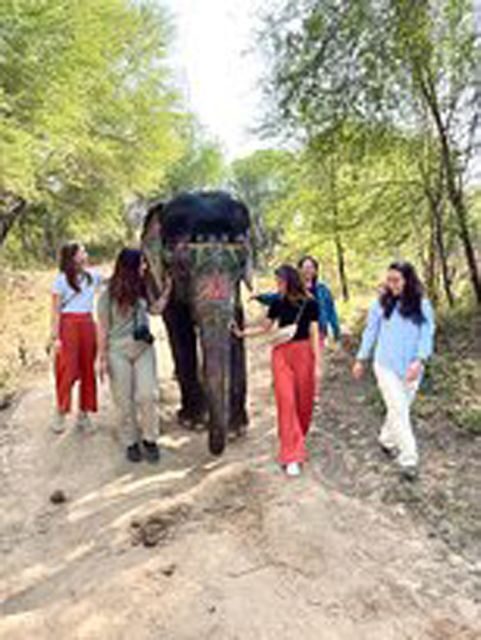
- Riding-free elephant time: You interact through feeding and walking rather than riding.
- Rescue-focused care: Expect to learn how elephants came from circuses and how sanctuary life supports recovery.
- Personal space for each elephant: The sanctuary runs with individual space and dedicated caretakers.
- Real help from the guide: On the transfer, you can get context on Jaipur’s history and traditions (Ankit is specifically mentioned).
- Comfortable, simple logistics: Hotel pickup/drop-off is included, with air-conditioned transport reported by visitors.
- Good add-ons for the day: Tea, coffee, and fruit juice are included—small comfort in the heat.
Elephant Sanctuary Jaipur: what makes it feel ethical
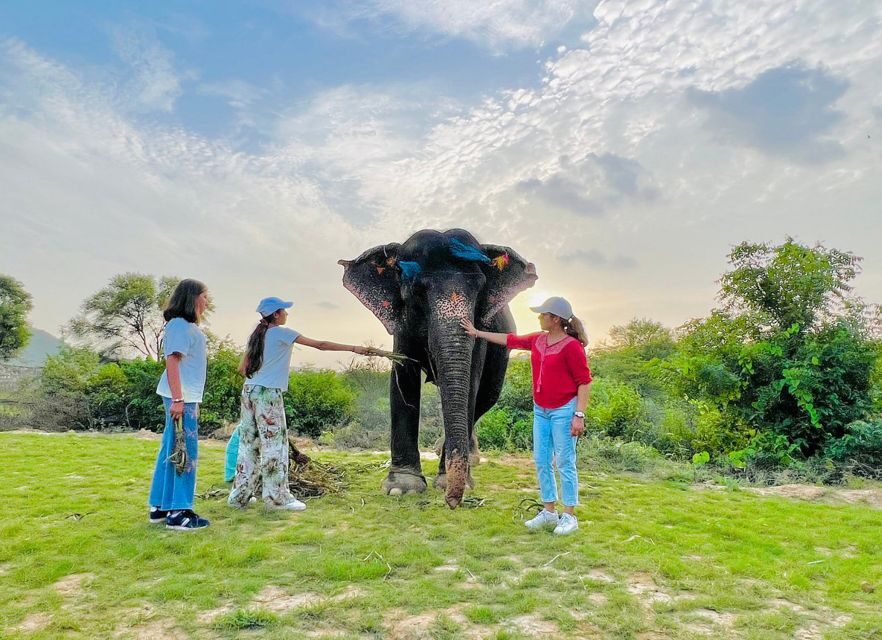
The biggest reason to book this kind of Jaipur elephant sanctuary visit is what you are not doing. The program is built around ethical elephant interaction, where you’re close to the elephants without riding them. That matters, because it changes the whole vibe: you’re not treating the elephant like a vehicle, and you’re not reducing a living animal to a photo moment.
What I like in particular is the emphasis on everyday sanctuary behavior—where the elephants are, how they spend their time, and what they eat. Instead of a performance-style setup, you’re seeing elephant life as it actually happens: guided, careful, and paced for both you and the elephants.
Another ethical point that comes through clearly: the sanctuary highlights rescued elephants, including individuals previously connected to circuses around India. In a good sanctuary, that backstory isn’t there for drama. It’s there to explain why this place exists and what recovery looks like.
You can also read our reviews of more tours and experiences in Jaipur.



Getting to the sanctuary from your hotel, the easy way

This experience includes hotel pickup and drop-off, so you don’t have to figure out transport on your own. Several visitors also mention that they used an air-conditioned car for the ride, which is a real quality-of-life win in Jaipur’s heat.
The drive itself isn’t just travel time. You can get commentary on Jaipur—history and traditions—so you arrive with your bearings. One guide named Ankit gets called out for making the journey feel informative, and one visitor even mentioned that he helped keep the experience comfortable for someone with health issues by checking in.
Here’s the practical takeaway: if you’re traveling with limited stamina or you’re sensitive to heat, tell your team when you’re picked up. The sanctuary setup seems to allow for some flexibility, and at least one couple reports having options for the time of day because of the hot weather.
Inside the sanctuary: eco-friendly living and caretaker care
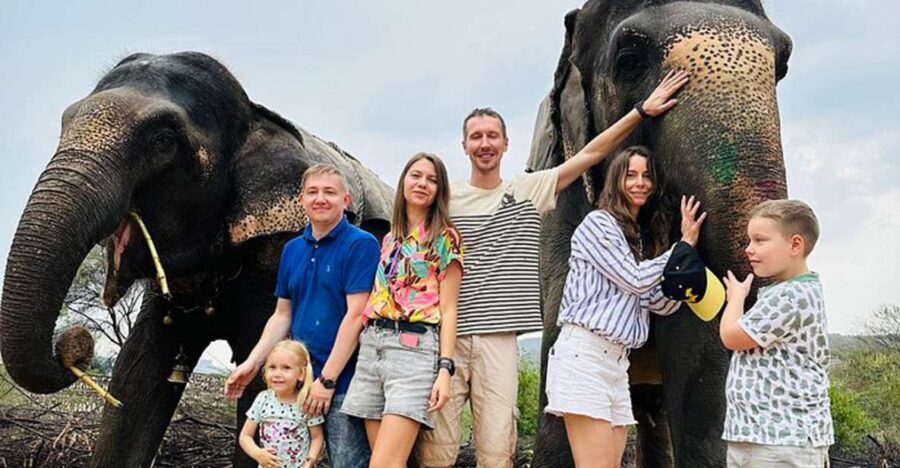
Once you arrive, the sanctuary experience is built around eco-friendly living spaces for the elephants. You’re not just shown a stage. You’re walking through a living environment designed for elephant well-being, which helps you understand what “sanctuary” means in real terms.
The sanctuary also runs with a structure that’s meant to respect the elephants’ needs. Visitors mention that each elephant has its own space, plus a caretaker assigned to look after them. That’s more than a nice detail. When elephants have consistent care and calm routines, the day becomes quieter, and interactions feel less stressful for everyone.
You’ll also hear about where certain elephants came from and why the sanctuary took them in. One visitor specifically described learning about an elephant named Pinky, including the chance to pamper her and spend meaningful time with her. While every elephant has their own personality, the common thread is that you’re treated as a respectful visitor in their world—not the other way around.
Elephant interaction time: feeding, cuddling, walking (and the rules behind it)
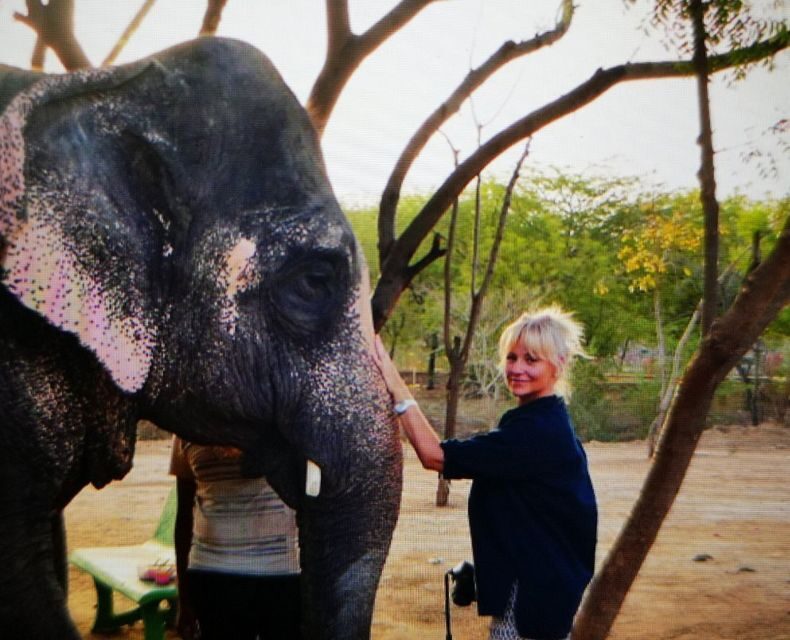
This is the heart of the day. The elephant interaction is designed around close contact, but not riding. That shows up in multiple accounts: feeding, hugging, cuddling, and walking with the elephant under guidance.
What you should expect, practically:
- You’ll spend time with a specific elephant (names like Mala and Pinky are mentioned).
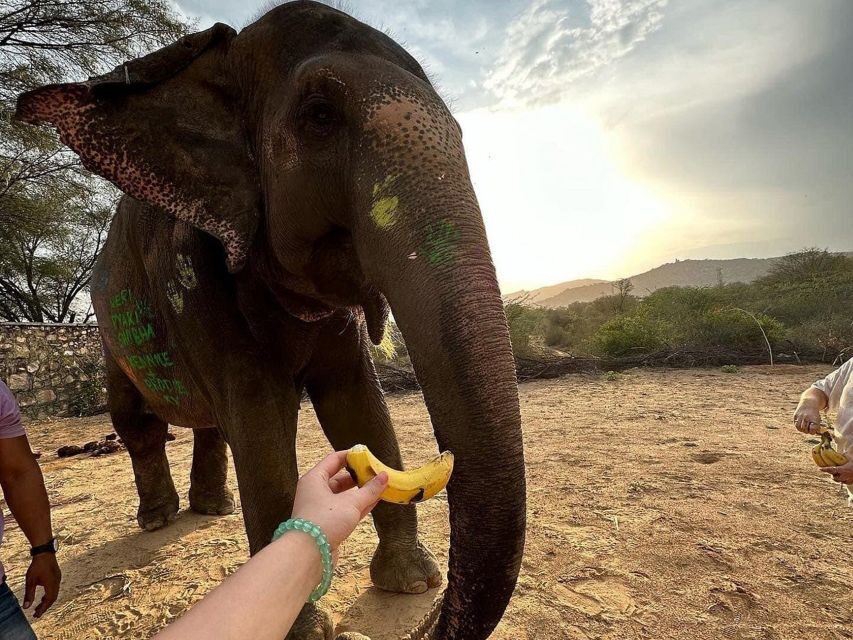
- You’ll feed them as part of the interaction.
- You may be allowed activities like pampering, hugging, or other gentle engagement that stays within sanctuary care standards.
- You can also expect learning moments—what the elephant is doing, what they’re eating, and how caretakers manage their routines.
Walking with an elephant is one of those moments that sounds simple, but it lands differently in real life. You’re slower than you would be on a typical tourist ride, and you’re watching behavior closely—how the elephant moves, how they respond to calm voices and routine. That’s where the experience turns from entertainment into education.
One detail to note: one visitor mentioned a brief ride option in the past, and another mentioned washing. Since the main theme across the information you have is riding-free ethics, I’d treat any riding as something that may not be part of the standard program you’re booking. The safest assumption is that feeding and walking are the core activities.
What you learn during the visit (beyond the feel-good part)
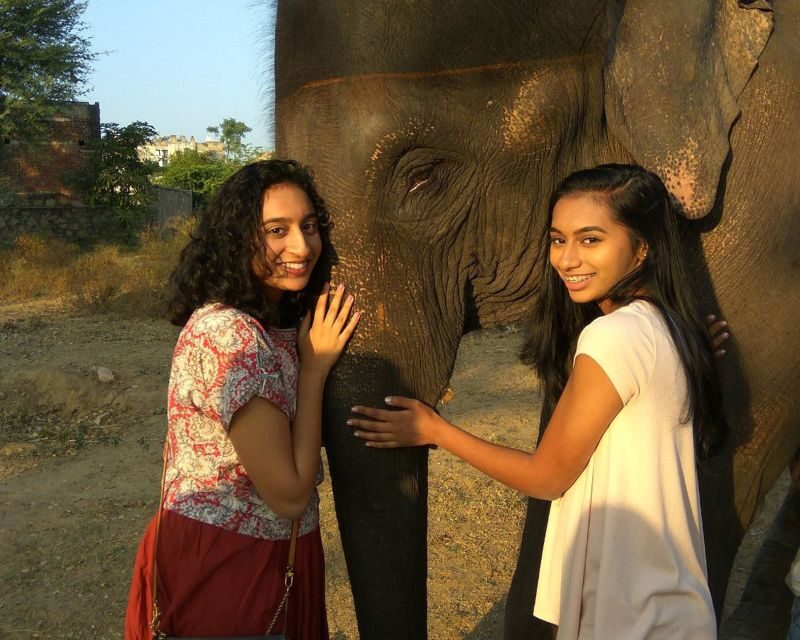
The sanctuary visit isn’t just about getting close. It’s set up to teach you what matters about elephant life in a sanctuary.
You can expect explanations related to:
- Daily routines: what elephants do through the day, and how sanctuary time differs from performing life.
- Diet and feeding: what they eat and what you’re seeing during feeding time.
- Origins: which elephants were rescued from circuses in and around India, and what brought them to sanctuary care.
- Behavior cues: how elephants communicate and how caretakers guide interactions.
One reason I think this is valuable is that it changes how you photograph and talk about the day. You stop asking, Can I touch? and start noticing, How is the elephant reacting? That shift is the difference between a quick attraction visit and an experience you’ll remember for years.
And honestly, the small factual bits can be surprisingly motivating. When you learn that the elephants are doing well and appear happy, it’s not just a comforting claim. It connects to the care model the sanctuary is trying to maintain: safe spaces, dedicated caretakers, and interactions that don’t exploit the animal.






The guide experience: turning transport into part of the story
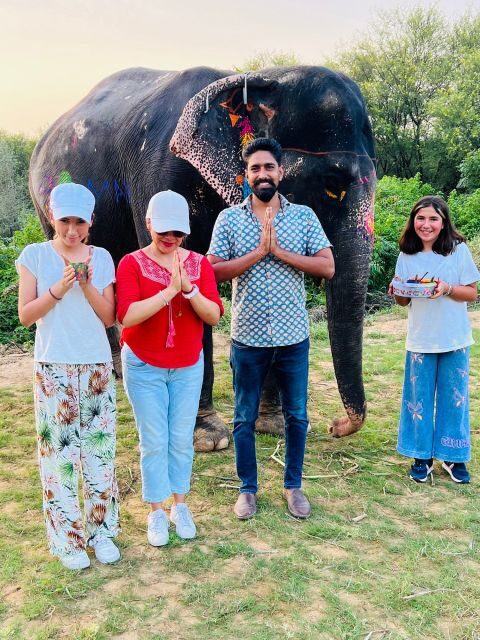
A standout part of this day is the guide support. Multiple visitors mention a guide who talks about Jaipur’s history and traditions during the trip. Ankit is named, and visitors describe him as kind and helpful, with information they found genuinely useful.
This matters because it makes your day feel connected to the city you’re in. Elephant sanctuaries can sometimes feel like a break-from-the-city day. With a guide who explains Jaipur context, you get both: a meaningful animal experience and a better understanding of where you are.
One practical note from the feedback you have: guides seem to stay attentive to visitors’ needs. That shows up in one report where the guide repeatedly checked that a husband with health issues was okay so he could enjoy the experience.
Food, gear, and staying comfortable in Jaipur heat

Included in the experience are tea, coffee, and fruit juice. That’s a welcome buffer, especially if you’re waiting outdoors or dealing with a warm morning-to-midday schedule.
You’ll also want to bring what the experience lists:
- Passport or ID card
- Comfortable shoes
- Sun hat
- Sunscreen
- Water
- Camera
- Comfortable clothes
- Packed lunch
The packed lunch part is important. You don’t want to get to the sanctuary day and realize you’re hungry and stuck waiting. Since only drinks are listed as included, plan for lunch on your checklist.
For photos: bring your camera, but also remember you’ll be watching an animal that doesn’t pose like a model. Focus on short bursts and video for behavior—feeding, trunk movement, and the slow pace of walking.
Price and value: what $62 per person buys you
At around $62 per person, this is not the cheapest Jaipur day tour. But it also isn’t trying to compete with the bargain-bin elephant attractions.
The value comes from a few things working together:
- Included hotel pickup/drop-off, which saves time and hassle.
- Entry ticket to the sanctuary.
- Drinks included (tea, coffee, fruit juice).
- The experience style: closer, longer interactions built around care rather than riding.
If you care about ethics and want an experience centered on rescued elephants and humane interaction, that’s where the money tends to land well. If your goal is only quick photos with minimal time on the ground, it might feel pricey. But if you want a day that teaches you and gives you real contact time, it’s easier to justify.
Also remember that you’re paying for a system built around caretakers and space for the elephants. That costs real money. The higher price can be part of the tradeoff for doing things the right way.
Who should book this (and who might want to reconsider)

This Jaipur elephant sanctuary experience is a great fit if you:
- Want a hands-on animal day without riding.
- Prefer guided learning over just wandering.
- Care about rescued elephants and sanctuary-style care.
- Want a smooth, included transfer from your hotel.
It may be a tough fit if you:
- Need wheelchair accessibility. The experience states it is not suitable for wheelchair users.
- Have major mobility limits. Comfortable shoes matter here, and the day is outdoors.
It’s also ideal for couples and thoughtful travelers. One honeymoon-themed visit is mentioned, and the emotional tone in several accounts suggests this is the kind of trip people remember long after the photos fade.
Should you book Elephant Sanctuary in Jaipur?
Book it if you want an elephant day that feels respectful, guided, and focused on sanctuary life—not animal entertainment. You’ll likely enjoy the riding-free interaction, the chance to feed and walk, and the way the guide experience (including Ankit being mentioned) ties the day to Jaipur itself.
Skip or think twice if riding is non-negotiable for you. If you need wheelchair access, this one isn’t for you. And if you’re very sensitive to heat, plan around timing and keep your sunscreen and water close—Jaipur sun is real.
If you want a practical rule: choose this for the elephants and the care model first. If you do, the day usually lands as meaningful, not just scenic.
FAQ
Where is the Elephant Sanctuary experience in Jaipur located?
It runs in Rajasthan, India, centered on the Jaipur area.
How much does the experience cost?
The price listed is $62 per person.
Does the price include pickup and drop-off?
Yes. Hotel pickup and drop-off are included.
What’s included with the entry ticket?
Entry ticket to the Elephant Sanctuary is included, along with tea, coffee, and fruit juice.
Can I ride the elephants on this experience?
The experience is described as an ethical elephant experience that focuses on interaction like feeding and walking without riding. One visitor did mention a short ride option in a separate context, but the main theme is interaction rather than riding.
What activities will I do with the elephants?
You can expect to meet the rescued elephants, feed them, and interact with them closely, including activities like pampering/cuddling and walking with guidance.
What should I bring?
Bring a passport or ID card, comfortable shoes, a sun hat, sunscreen, water, a camera, comfortable clothes, and a packed lunch.
Are there guides, and what languages are supported?
The languages listed are English, Spanish, Italian, Russian, and German. A guide named Ankit is mentioned in visitor accounts.
Is this suitable for wheelchair users?
No. It is not suitable for wheelchair users.
Is there a pay-later option?
Yes. You can reserve and pay later, with a book now and pay nothing today option.
What is the cancellation policy?
Cancellation up to 24 hours in advance is eligible for a full refund.