REVIEW · NEW DELHI
Divine Ganga Aarti in Haridwar and Rishikesh Tour
Book on Viator →Operated by Memorable India - Tour Operator · Bookable on Viator
Ganga aarti turns minutes into magic. This 4-day Haridwar and Rishikesh tour is built around the sunrise and sunset Ganga aarti ritual, with priests and huge flames performing clockwise movements on the river steps while chanting fills the air. I also like how the route mixes that river moment with hilltop devotion and calm spiritual stops, from Mansa Devi and Chandi Devi to Saptrishi Ashram and Swarg Ashram. The main thing to plan for is the moderate walking and stair climbing that comes with ghat steps and temples on hills, plus the fact that the experience needs decent weather.
You’ll get real structure here: hotel nights, daily buffet breakfast, and private AC transfers with a local guide, so you’re not wrestling transport while trying to catch the right time for worship. It’s also vegetarian-focused in these holy places, with pure vegetarian meals offered, and a smart casual dress code. One practical consideration: admission tickets for some temple stops are not included, so expect small add-on costs depending on what you enter.
In This Review
- Key highlights at a glance
- Ganga Aarti at Har Ki Pauri: What the Ceremony Feels Like
- Price and Value: What $490 Covers (and What It Doesn’t)
- Your 4-Day Flow Through Haridwar and Rishikesh
- Haridwar Ghat Time: Har Ki Pauri and the Lamp-Steps Experience
- Mansa Devi and Chandi Devi: Hilltop Temples and the Stairs Reality
- Saptrishi Ashram: Seven Sages and Seven Streams Thinking
- Rishikesh: Yoga, Meditation, and Ram Jhula’s River-Spanning Theater
- Swarg Ashram at Ram Jhula: Chanting, Meditation, and Kali Kamli Wala
- Private Guide, Private Van: How This Tour Keeps You From Losing Time
- What to Wear, Bring, and Do for a Smooth Day on the River Steps
- Who This Tour Fits Best
- Should You Book the Divine Ganga Aarti in Haridwar and Rishikesh Tour?
- FAQ
- How long is the Divine Ganga Aarti in Haridwar and Rishikesh tour?
- Where does the tour start and do I get pickup?
- What’s included in the $490 per person price?
- Are meals included besides breakfast?
- Are admission tickets included for all temple stops?
- Is this tour private, and do I need a minimum number of travelers?
- What dress code should I follow?
- Does the tour run in bad weather?
- Is there a peak period supplement for Kumbh Mela?
Key highlights at a glance
- Har Ki Pauri Ganga aarti timing at sunrise and sunset with oil lamps and clockwise flame movement
- Hilltop temple visits to Mansa Devi and Chandi Devi with a view-and-prayer feel
- Saptrishi Ashram tied to the myth of the Seven Sages and the idea of seven river streams
- Swarg Ashram at Ram Jhula for yoga-and-meditation country, plus chanting and aarti activities
- Private guide and private AC vehicle to keep your day on schedule
Ganga Aarti at Har Ki Pauri: What the Ceremony Feels Like
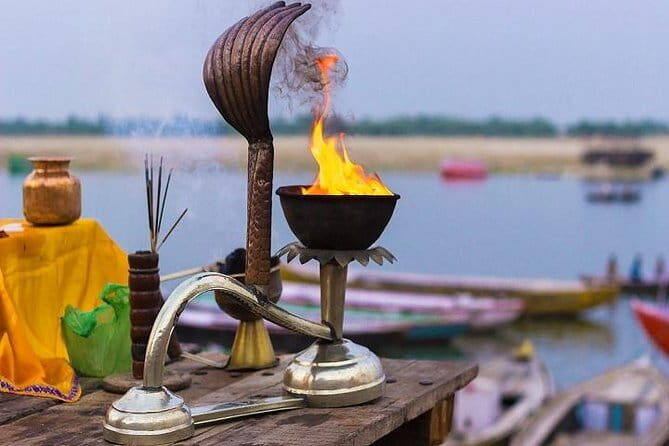
If you care about spirituality, photography, or just moments that feel bigger than you planned, Haridwar’s Ganga aarti is the headline. On the banks at Har Ki Pauri, priests light oil lamps and the flames rise and fall in a clockwise rhythm while loud chants carry across the river steps. This is a daily ritual at sunrise and sunset, and that regularity matters: you’re not just “seeing a show,” you’re stepping into something locals treat as part of everyday sacred time.
What I like most is the mix of scale and intimacy. You’ll see hundreds of devotees and also tourists gathering along the stone steps at the river edge. The crowd changes your pace. You slow down without trying. Even if you’re only there with a camera, you’ll find yourself looking up at the flames, then out toward the Ganges, then back to faces as the chanting swells and softens.
Practical note: the ghat steps and riverfront spaces can feel crowded, and you’ll want comfortable footwear. Since the tour requires moderate physical fitness, plan for a bit of standing and walking. If you’re sensitive to crowds, go in expecting it—then let the ritual do the work of calming you down.
You can also read our reviews of more tours and experiences in New Delhi.


Price and Value: What $490 Covers (and What It Doesn’t)
At $490 per person for about four days, the best way to judge value is to look at what you’re not doing yourself. This tour includes:
- 3 nights of hotel accommodation
- daily buffet breakfast
- pickup and departure assistance
- all transfers and sightseeing by private AC vehicle
- a local tour guide
- all tolls, parking, fuel, and taxes
That’s the big value win. In North India, drivers, time, and navigation can add up fast, and a guide helps you move through religious sites without turning your day into a scavenger hunt.
Where you’ll want to budget separately is food beyond breakfast and temple entry costs for some stops. Food and drinks are not included unless specified, so plan on paying for lunches and dinners. Also, admission tickets are free for some sights you’ll stop at, but not all of the temple visits are included.
If you’re comparing with a DIY plan, ask yourself a simple question: how much would you pay for a guide plus a private driver plus the timing help for sunrise and sunset ceremonies? For many people, that’s where the $490 starts to make sense.
Your 4-Day Flow Through Haridwar and Rishikesh
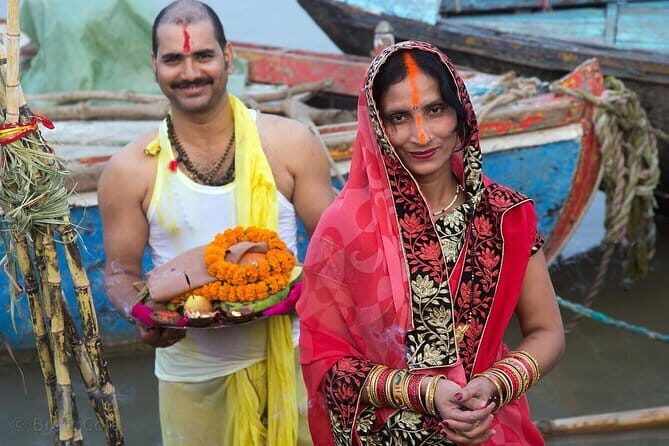
The tour is designed around a simple idea: you don’t rush the river. You build your days around the rhythm of worship and then connect the rest of the story through temples and ashrams.
A typical pattern looks like this:
- You base yourself in the Haridwar and Rishikesh area with 3 nights in a hotel.
- You use private transport to keep your days efficient.
- You fit key religious stops around the times when chanting and aarti energy is strongest.
Because the tour runs in all weather conditions, you’ll want flexibility. If skies are heavy or rain comes in, you’ll likely still move through the plan, just with extra attention to comfort and timing.
One more scheduling detail worth knowing: this is structured for a private group only. That means fewer “wait times while someone buys a snack” moments, and more time staying with the plan.
Haridwar Ghat Time: Har Ki Pauri and the Lamp-Steps Experience
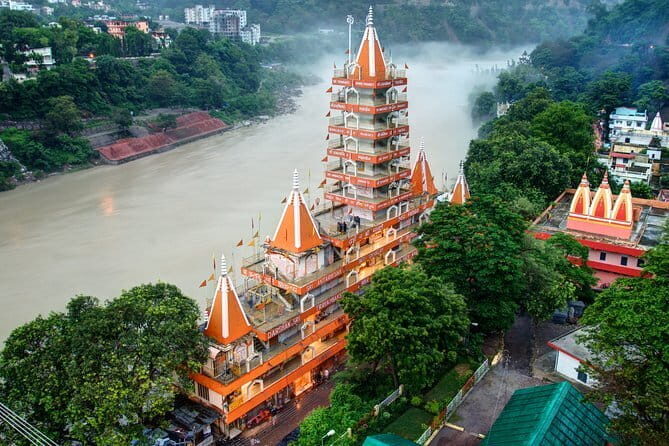
Har Ki Pauri isn’t just another spot on a map. It’s the major landmark ghat in Haridwar, on the banks where the Ganges flows out of the Himalayan foothills. The steps here become a stage for daily worship, and the ceremony is known for lamps—tiny flickering lights that help devotees honor the river.
In your day, you’ll spend focused time here, including a key window to see Ganga aarti. The tour also includes another short stop connected to Har Ki Pauri Marg, which works well if you like to walk a bit and get your bearings without exhausting yourself.
The best way to experience Har Ki Pauri is to do less. Don’t try to sprint to every angle. Stand where you can see the flames, watch the clockwise motion, then look beyond it to the river itself. If you’re photographing, take a breath before you shoot. Chanting and fire can make you forget your settings, and you’ll waste batteries.
For value-minded travelers, the admission ticket for this area is free, which is a nice bonus if you’re trying to keep temple costs down.
Mansa Devi and Chandi Devi: Hilltop Temples and the Stairs Reality
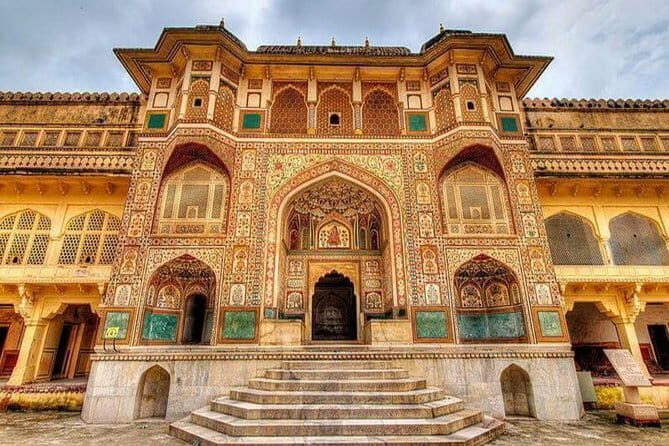
Devotion in Haridwar isn’t only at river level. You also go uphill, which gives these stops a different feel. The Mansa Devi Temple is dedicated to Goddess Mansa Devi and sits atop Bilwa Parvat in the Sivalik Hills. Chandi Devi Temple is dedicated to Goddess Chandi Devi and is located atop Neel Parvat on the eastern summit of the Sivalik Hills.
These temples are included as visits with about an hour each, and while the exact walking level depends on where you park and how you move, you should plan for steps and elevation. The tour’s “moderate physical fitness” note isn’t just legal fine print. It’s because these hilltop locations naturally ask for more effort than a flat ghat.
Another practical point: admission tickets for Mansa Devi and Chandi Devi are not included. So budget for that. The cost is usually small compared with the bigger picture, but it’s still good to know up front so you’re not surprised at the gate.
What you’ll likely value at these temples is the shift in mood. Away from the river steps and constant motion, you get more of a contained, prayer-in-your-body kind of atmosphere.



Saptrishi Ashram: Seven Sages and Seven Streams Thinking
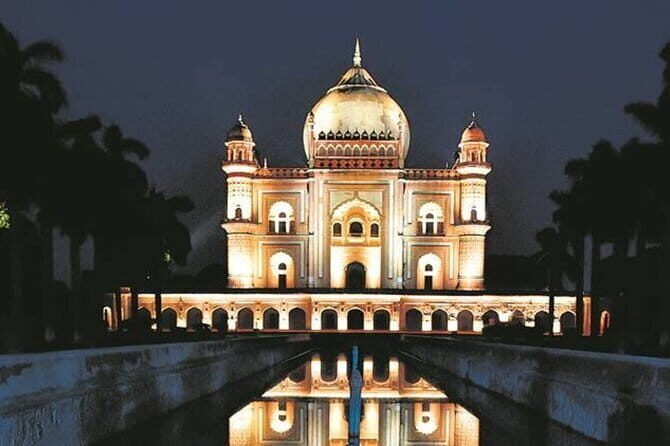
Saptrishi Ashram is connected to Hindu mythology through the Seven Sages: Vashishth, Kashyap, Atri, Vishwamitra, Gautam, Bharadwaja, and Jamadagni. The place is also described as the point where the Ganges splits into seven streams, known as Sapto Sarovars.
Even if you don’t memorize the names, the idea is the point. You’re standing at a spiritually meaningful location tied to the river’s shape and story. It’s a gentler stop than the ghat rush. The air usually feels more like reflection than performance.
This stop is about an hour, and admission tickets are not included. Plan for that small add-on. The payoff here is the conversation your guide can prompt. When a local guide explains the meaning behind why certain sites matter, you get more out of the visit than just the photo.
Rishikesh: Yoga, Meditation, and Ram Jhula’s River-Spanning Theater

Rishikesh is where the vibe shifts from temple-crowds to study-and-practice. The city sits in Uttarakhand’s Himalayan foothills along the Ganges, and it’s known as a center for yoga and meditation. Temples and ashrams line the eastern bank around Swarg Ashram, and the river becomes the main thread through your sightseeing.
One quick, iconic sight is Ram Jhula, an iron suspension bridge across the Ganges about 3 kilometers from Rishikesh town. It’s short in your schedule, but it’s a memorable change of perspective. The bridge gives you scale for the river and a sense of how the town’s spiritual culture stretches across both sides of the water.
If you like photography, Ram Jhula gives straightforward compositions. If you just like walking and atmosphere, it’s a good “breather” stop between more focused spiritual sites.
Swarg Ashram at Ram Jhula: Chanting, Meditation, and Kali Kamli Wala

Swarg Ashram is one of the tour’s best emotional payoff points if you’re looking for something quieter and more structured spiritually. The ashram is built in memory of Swami Vishudhanand, also known as Kali Kamli Wala, and it’s popular with foreign visitors for its distinct cultural feel.
Location matters here. Swarg Ashram sits at Gangapar, Ram Jhula, and it’s part of an area described as traffic-free, alcohol-free, and vegetarian. That makes it easier to slow down without street noise taking over your senses.
Inside Swarg Ashram, religious activities take place, including chanting, meditation, and aarti. So even if you’ve already seen the Ganga aarti earlier, you’re still getting a living spiritual rhythm—more inward, less ceremonial pyrotechnics.
This stop is about an hour, and admission is free for the ashram visit. Also, the ashram is maintained by a trust called Kali Kamliwala Kshetra, which gives the place a real sense of community upkeep rather than being only a tourist stop.
Private Guide, Private Van: How This Tour Keeps You From Losing Time
One reason I think this works well for first-timers is the “don’t make me plan everything” factor. You’re not just dropped at a temple and told good luck. You have a local tour guide and all transfers are handled by private AC vehicle.
That combination helps with:
- timing around morning and evening ceremonies
- moving between ghat areas, hill temples, and the Rishikesh side
- not wasting half your day on directions and waiting
This is also a private tour/activity, meaning only your group participates. It’s built for groups of at least 2 people per booking, so you won’t be getting stuck solo if you’re traveling as a couple or small family.
And yes, there are group discounts and a mobile ticket. Those aren’t flashy, but they make the logistics simpler when you’re on the go.
What to Wear, Bring, and Do for a Smooth Day on the River Steps
This tour asks for smart casual clothing. In practice, that means you should dress neatly enough for temple spaces but comfortably enough for a lot of standing. Since the experience operates in all weather conditions, dress appropriately. If rain is possible, layers and rain protection can save the day.
Footwear matters more than you’d think. You’ll be at ghat steps and visiting hilltop temples, so shoes you can trust on uneven stone are a smart move. If you’ve got any knee issues, take it seriously and move slowly at stairs.
Also, because Haridwar and Rishikesh are holy places, pure vegetarian meals are offered. Breakfast is included as a daily buffet at the hotel, but lunches and dinners are not automatically part of the price unless specified—so keep that in your budget.
Who This Tour Fits Best
This tour is a strong fit if you want:
- the daily Ganga aarti experience with real ritual context, not just sightseeing
- a guided route that connects river worship with temples and ashram life
- private transport to reduce stress and keep ceremony timing easier
It may feel like a lot if you’re trying to travel with zero walking, or if you hate crowds at the river edge. Also, photography lovers will have a better time if they’re patient at the ghat. The ritual energy is the point, not rushing through it.
Should You Book the Divine Ganga Aarti in Haridwar and Rishikesh Tour?
If you care about spiritual atmosphere and you like being guided by a local who can explain what you’re seeing, I think this is a good booking. The value is strong because most of the friction is handled for you: hotel nights, breakfasts, private AC transfers, a guide, and the ceremony-timed flow.
I’d book with confidence if you’re okay with:
- temple tickets for some stops being extra
- moderate walking and stairs
- weather-aware planning around sunrise and sunset
Skip it only if you want a totally independent, no-structure vacation. Here, structure is the product—and it helps you catch the moments that matter most on the Ganges.
FAQ
How long is the Divine Ganga Aarti in Haridwar and Rishikesh tour?
It lasts about 4 days.
Where does the tour start and do I get pickup?
The tour is based in New Delhi, and pickup plus arrival and departure assistance are included.
What’s included in the $490 per person price?
You get 3 nights of hotel accommodation, daily buffet breakfast, all transfers and sightseeing by private AC vehicle, a local tour guide, and all tolls, parking, fuel, taxes, fees, and handling charges.
Are meals included besides breakfast?
Pure vegetarian meals are offered, and there is a daily buffet breakfast at the hotel. Food and drinks beyond what is specified are not included.
Are admission tickets included for all temple stops?
Admission tickets are free for Har Ki Pauri and Har Ki Pauri Marg, but tickets are not included for Mansa Devi Temple, Chandi Devi Temple, and Saptrishi Ashram.
Is this tour private, and do I need a minimum number of travelers?
It’s a private tour/activity, so only your group participates. There is a minimum of 2 people required per booking.
What dress code should I follow?
The dress code is smart casual.
Does the tour run in bad weather?
It operates in all weather conditions, so dress appropriately. The experience requires good weather; if it’s canceled due to poor weather, you’ll be offered a different date or a full refund.
Is there a peak period supplement for Kumbh Mela?
Yes. A peak period supplement is extra for Kumbh Mela for the period 01 Jan 2021 to 30 May 2021.