REVIEW · NEW DELHI
Delhi: Old & New Delhi Private Guided Sightseeing Tour
Book on GetYourGuide →Operated by Travel Creators Of India · Bookable on GetYourGuide
Delhi in one day can be chaos—on purpose, especially in Old Delhi. I love the private guide who keeps the day moving while you hit big landmarks like Jama Masjid and the lanes around Chandni Chowk. One consideration: Delhi traffic can squeeze time, so you might need a bit of flexibility on how much you can enter versus view from the car.
This tour feels built for real travel days—airport or hotel pickup, air-conditioned private transport, and a plan you can adjust. You’ll also get a rickshaw ride inside Old Delhi, which is one of those small experiences that makes the whole day feel like you’re actually there, not just ticking boxes.
If you want a day that’s part sightseeing, part street-level culture, this works well—just wear comfortable shoes and pack modest clothes for mosque time.
In This Review
- Key Highlights Worth Booking
- Why Old Delhi + New Delhi Works Better Than “Just a Same-Day City Tour”
- Price and Value: About $13 Per Person (What You’re Actually Getting)
- Pickup From Airport or Hotel: A Day Starts When It Starts For You
- Old Delhi: Jama Masjid and the Maze of Chandni Chowk
- Jama Masjid: A Monument You Shouldn’t Rush
- Chandni Chowk: Markets That Make Senses (If You Have Context)
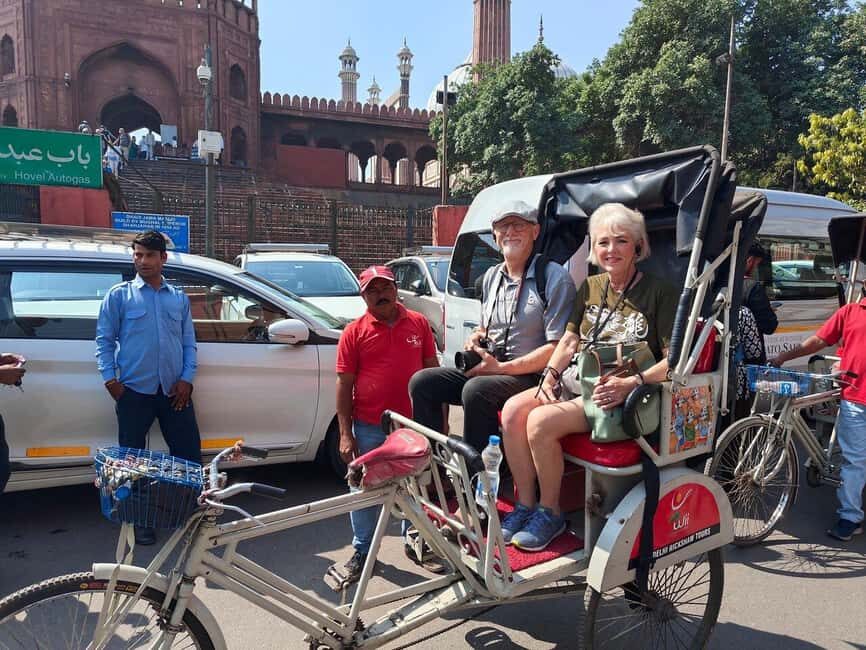
- The Rickshaw Ride: One of the Best “Local Life” Moments
- New Delhi Driving Sights: India Gate and the Government District Views
- Lotus Temple: Peaceful Grounds (And the Monday Change)
- Qutub Minar UNESCO: The Stop That Makes the Architecture Click
- Your Guide Makes (or Breaks) the Day
- Tickets, Cash, and the Realities of Entry Fees
- What to Bring and Wear (So You Don’t Lose Time)
- Timing and Traffic: How to Keep Your Day Comfortable
- Is This Tour Best for First-Timers, Families, or Solo Travelers?
- Should You Book This Old and New Delhi Private Guided Tour?
- FAQ
- What’s included in the private guided sightseeing?
- Where can pickup and drop-off happen?
- Is the tour fully private?
- Do I need to buy monument tickets during the tour?
- Is lunch included?
- Are there any closures that affect the route?
- What should I wear and bring for the mosque visit?
- Does the tour work for wheelchair users?
- Is there a limit on language for the guide?
- Are pets allowed?
Key Highlights Worth Booking
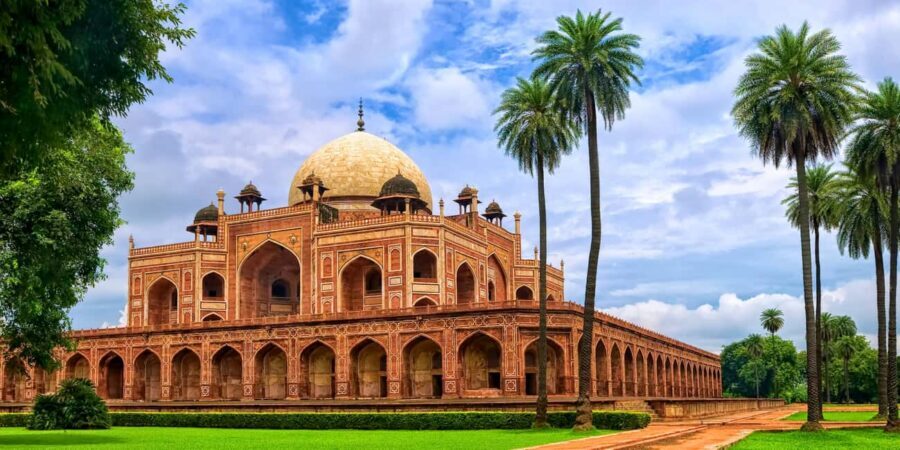
Old Delhi + New Delhi in one private day so you get the contrast without coordinating transit yourself.
Jama Masjid and Chandni Chowk with a guide to help you navigate what matters and what to skip.
Rickshaw ride in Old Delhi for a closer look at the narrow lanes and everyday city rhythm.
UNESCO Qutub Minar plus major New Delhi landmarks like India Gate and Parliament areas.
A/C private car with flexible pickup from Delhi, Noida, Gurugram, or Aerocity.
Monument tickets and lunch options available when you want to save time and decide on the pace.
Why Old Delhi + New Delhi Works Better Than “Just a Same-Day City Tour”
Delhi is two cities wearing one name. Old Delhi is about Mughal-era landmarks, layered religious life, and market streets where you’ll see spice shops, brass and textiles, and people moving fast. New Delhi, by contrast, is wide avenues, colonial government buildings, and more planned public space—great for photos, but it helps to have someone interpret what you’re looking at.
That’s where this private format matters. You’re not trapped in a set group timetable, and you’re not guessing which monuments need a stop versus a quick exterior look. You’ll also have the comfort of an air-conditioned vehicle between areas, which is a big deal in heat and traffic.
I also like that you can steer the day. If you’re more interested in architecture, you can lean toward Qutub Minar and the bigger New Delhi sights. If you want street life, you can push harder on Old Delhi’s markets and the rickshaw section. That personalization is often what separates a frustrating day from a memorable one.
You can also read our reviews of more guided tours in New Delhi


Price and Value: About $13 Per Person (What You’re Actually Getting)
At roughly $13 per person, the value is strongest when you factor in what’s included: pickup and drop-off, a private air-conditioned vehicle, a licensed guide, parking/tolls/fuel charges, bottled water, and a rickshaw ride in Old Delhi. For Delhi, that’s not a “budget sightseeing ticket.” It’s paying for a guide plus transport, which is usually the expensive part.
The optional items are clearly labeled too—meals and drinks aren’t included, and monument entry tickets are included only if you select that option. In practical terms, that means you can control costs by choosing which sites to enter and whether you add lunch and tickets upfront.
My advice: treat the price as good only if you use the private guide well. If you just want someone to drive and wait, you’ll feel less value. But if you want context, routing help, and guidance on what’s worth your time, the price-to-experience ratio makes sense.
Pickup From Airport or Hotel: A Day Starts When It Starts For You
A big win here is pickup flexibility. You can be collected from Delhi, Noida, Gurugram, or Aerocity, and you’ll have a driver in an air-conditioned vehicle. That matters if you’re arriving late, checking out early, or trying to fit Delhi sightseeing around flights.
The vehicle choice is based on group size:
- For 1–2 people, expect a 3-seater sedan like Toyota Etios or similar
- For 3–5 people, a 6-seater wagon like Toyota Innova or similar
- For 6–10 people, a 10-seater van (Tempo Traveler)
This isn’t just trivia. It affects comfort and how crowded you’ll feel during traffic. More space also means easier phone and camera use while moving between Old Delhi and New Delhi.
In the best cases, the driver shows up on time and drives calmly. One guide/driver pairing that stood out had the driver ready at the airport and the vehicle kept very clean—small things, but they reduce stress fast.
Old Delhi: Jama Masjid and the Maze of Chandni Chowk
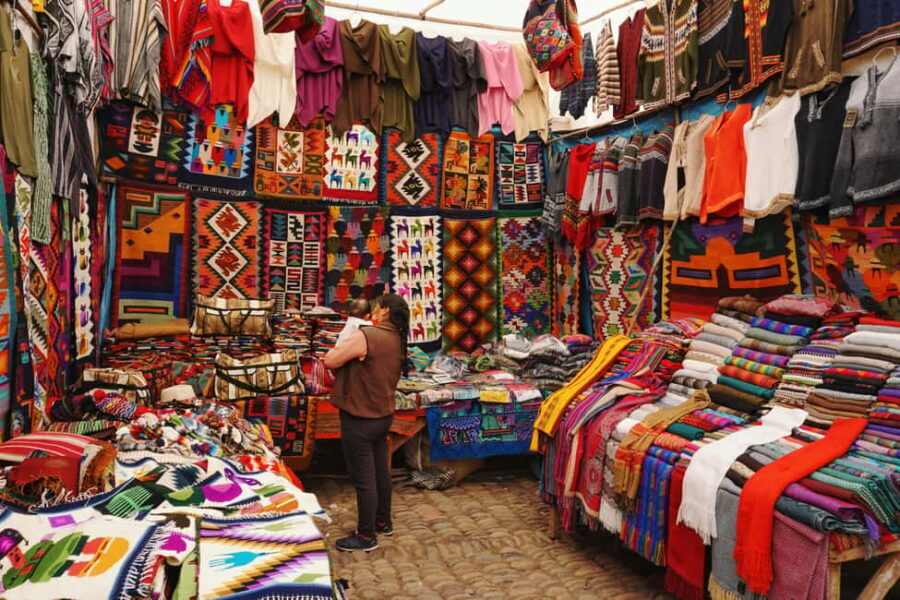
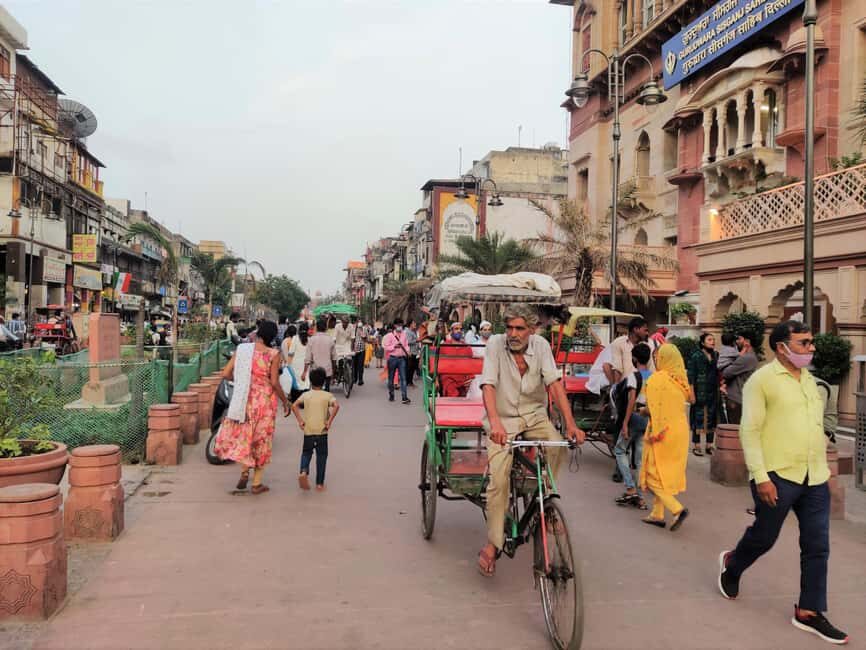
Old Delhi is where you’ll feel Delhi most—loud, busy, and visually intense. With a licensed guide, you can turn that intensity into something useful.
Jama Masjid: A Monument You Shouldn’t Rush
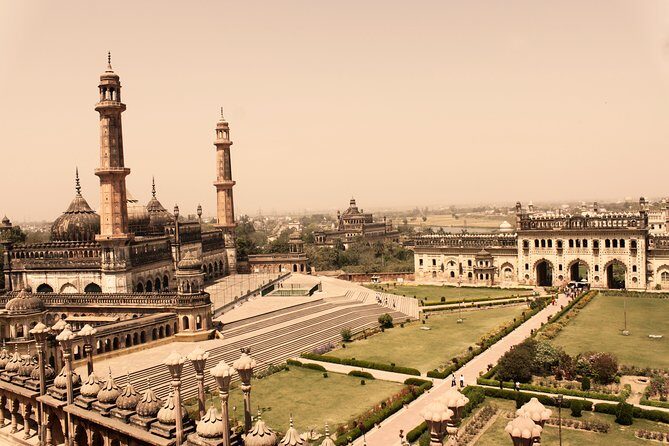
Jama Masjid is one of India’s largest mosques, and it’s the kind of place where understanding helps. Your guide can explain what you’re seeing and how to behave respectfully, especially since you’ll be walking around an active religious space.
Plan for mosque-appropriate clothing. Modest attire is required for visitors, so bring something you’re comfortable wearing. You may also want a light layer for shade and sun protection since outdoor areas can get hot.
A practical note: this is also a moment where your guide can help you avoid the typical confusion of where to go first and what areas you can enter. That saves time and reduces accidental disrespect.
You can also read our reviews of more private tours in New Delhi



Chandni Chowk: Markets That Make Senses (If You Have Context)
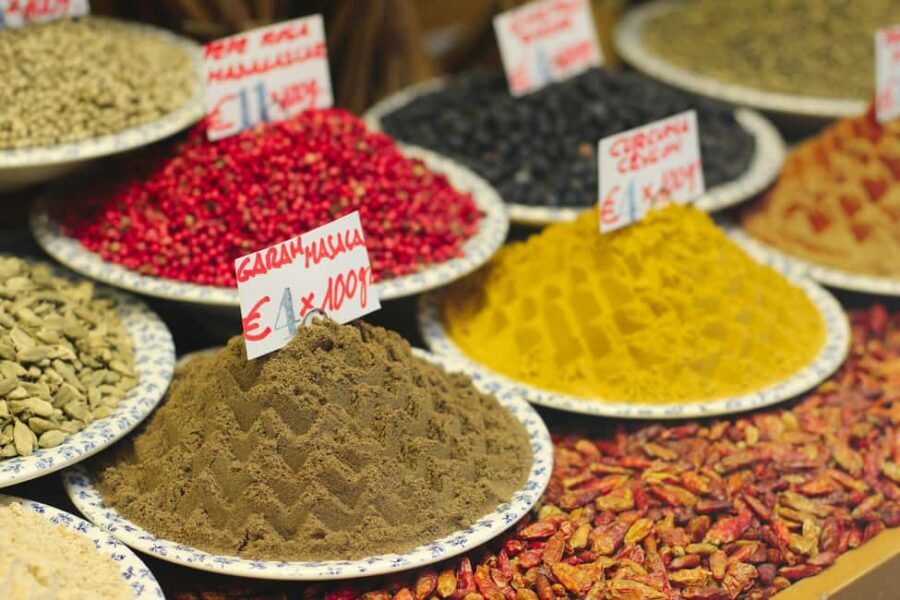
After Jama Masjid, you’ll move through the bazaars around Chandni Chowk. This is where you’ll see spices, fabric, and everyday commerce in action. The key isn’t to buy everything—it’s to understand what you’re looking at and how the market is laid out.
With a guide, you’ll get the story behind the patterns: why certain streets feel linked to certain trades and how the market culture works. It also helps you know when to slow down, when to keep moving, and how to photograph without blocking people.
If you’re into food aromas, you’ll notice how the area changes street by street. If you’re not a shopper, you can still have a great time—just use the guide to steer you toward the best sections and away from distractions.
The Rickshaw Ride: One of the Best “Local Life” Moments

The included rickshaw ride in Old Delhi is more than a thrill. It’s a mobility shortcut through narrow lanes where you’d feel awkward on foot—or stuck in traffic with no route clarity.
Here’s how to get more out of it:
- Use it as a viewing session. Don’t try to stop and shop during the ride.
- Keep your camera ready, but be mindful of pedestrians and lane space.
- Treat it like transportation plus orientation. You’ll come away with a better mental map of Old Delhi.
This is often the moment that makes people remember the day, because it’s not just a monument. It’s how you experience the city’s scale and density.
New Delhi Driving Sights: India Gate and the Government District Views
After Old Delhi, the mood shifts. You’ll transition to New Delhi, where you’ll likely see major landmarks from the car before stopping where it makes sense.
Expect driving-by or short explorations of:
- India Gate
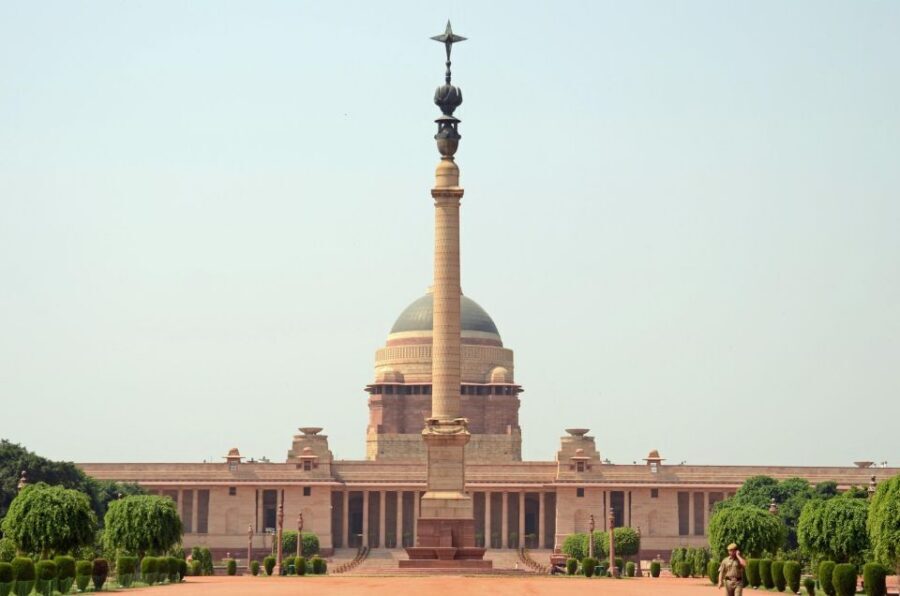
- Presidential Palace areas
- Parliament House vicinity
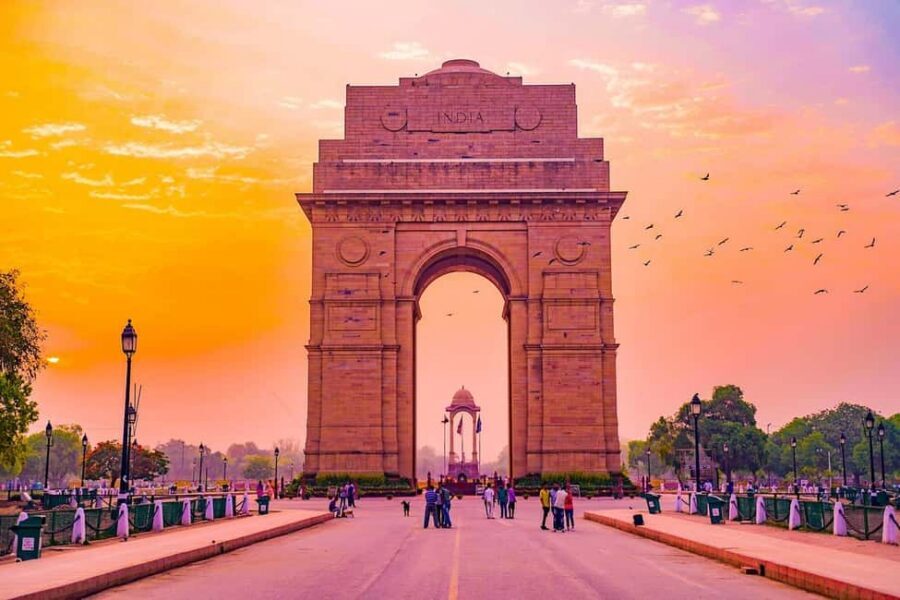
Even when you’re not entering every building, these are important visual anchors. India Gate gives you a sense of memorial architecture and the scale of ceremonial roads. The Parliament area helps you connect Delhi’s historical layers—from imperial planning to modern governance.
One practical reality: traffic can make it hard to spend long blocks at every stop. If time gets tight, your guide can adjust so you still get key photo angles and enough time to feel the place, rather than sprinting through everything.
Lotus Temple: Peaceful Grounds (And the Monday Change)
The Lotus Temple is one of the stops people expect to see in New Delhi. It’s distinctive, peaceful, and easy to recognize—an architectural breather after the noise and crowds of Old Delhi.
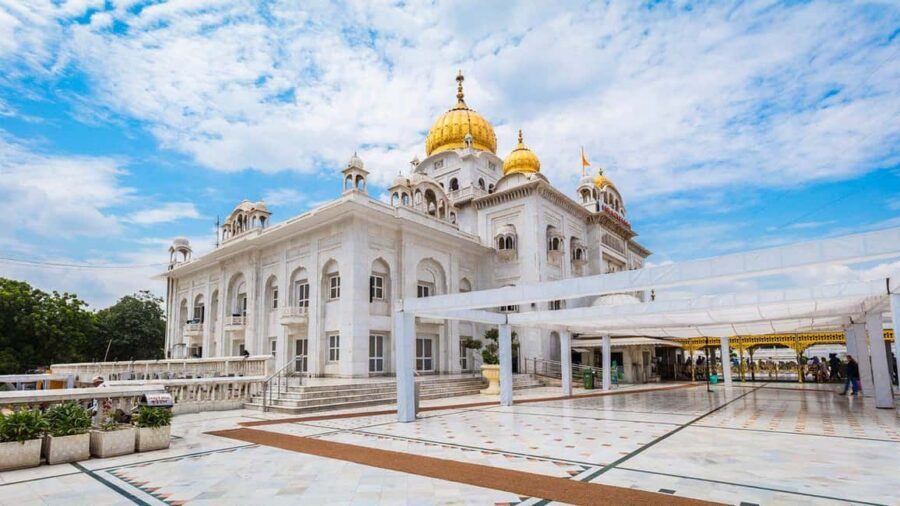
On Mondays, there’s a twist: Red Fort and Lotus Temple are closed, so the plan swaps the Lotus Temple day experience for Gurudwara Bangla Sahib instead. That’s actually a useful substitution, because you still get a major religious site with its own atmosphere and a strong cultural feel.
When you visit, keep an eye on dress expectations and follow site guidance. Even if the temple grounds feel open and calm, you’re still in a place with rules for visitors. Your guide will help you figure out the best way to move through and where you can pause.
Qutub Minar UNESCO: The Stop That Makes the Architecture Click
Then you get to Qutub Minar, a UNESCO World Heritage Site and one of Delhi’s most striking examples of Indo-Islamic architecture. If architecture is your thing, this is the moment you’ll start connecting the visual language across centuries—shape, geometry, and the way form holds meaning.
Why this stop matters: it’s not just impressive from a distance. It’s a monument you can slow down with for photos and real observation. The guide’s explanation can help you see how the structures relate to the broader historical development of the area.
Even for non-architecture travelers, it’s worth it because the tower is so iconic you can’t help but react. It gives the day a “big finish” feel, especially after market streets and government avenues.
Your Guide Makes (or Breaks) the Day
Private tours live or die by the guide. When the guide is strong, the day feels planned but not rigid. When it’s weak, you get wasted time.
I’ve seen what great guiding looks like with this kind of tour: a guide named Daljeet tailoring stops based on what the couple wanted most, and taking good photos along the way. Another guide named Manav impressed by knowing the individual points around the route and keeping the atmosphere friendly and organized.
The best part is customization. You can adjust your focus after booking—especially helpful if you’ve got a specific interest (architecture, religion, political Delhi, or shopping culture).
A balanced caution: some guides can steer toward shops during the day. If you’re not interested, set the expectation early. You can be polite and direct—ask to prioritize monuments and time for walking or photos, not shopping stops. Good guides will adjust quickly.
Also, language matters. Guides may speak multiple languages, including English, French, German, Hindi, Italian, Japanese, Russian, and Spanish. If you have a language preference, make sure it’s aligned before you start.
Tickets, Cash, and the Realities of Entry Fees
You have some control over how the day is structured financially and in time.
- Monument entry tickets are included only if selected
- Your guide can assist with ticket purchases
- Some sites may not accept credit cards, so it’s smart to carry cash in INR or ask your driver to help locate an ATM
This is one of those boring-sounding details that saves you from an annoying halt in your day. If you’re planning to enter multiple monuments, having cash ready helps things move smoothly.
One more practical tip: wear comfortable walking shoes. Between mosque courtyards, market streets, and the Qutub Minar area, your legs will do a real day’s work.
What to Bring and Wear (So You Don’t Lose Time)
Delhi sunshine and rules inside religious sites can change your day fast. Here’s the practical list:
- Bring a passport (and/or valid photo ID as requested)
- Wear comfortable shoes for walking
- Use sun protection: hat, sunglasses, sunscreen
- Plan modest clothing for the mosque visit
- Bring your camera or smartphone
Also note: pets aren’t allowed, so plan for that if you’re traveling with an animal.
One more thing: bottled water and sanitizers are included, which helps on days when you’re walking and switching areas frequently.
Timing and Traffic: How to Keep Your Day Comfortable
Delhi traffic is a real factor. This tour is designed to work around it, but you should still plan for partial views when needed.
What you can do:
- Be flexible about entrance time at each stop if delays happen
- Prioritize what you care about most and ask your guide to protect that time
- Know that some stops might be from the road if traffic squeezes the schedule
This is also where private transport helps. You’re not stuck with a fixed walking itinerary that doesn’t match your day. Your guide can shift emphasis based on pace.
Is This Tour Best for First-Timers, Families, or Solo Travelers?
It’s a strong match for:
- First-time visitors who want Old and New Delhi without transit stress
- Families who need a guide to manage flow and keep everyone oriented
- Solo travelers who want a safe, structured day with a licensed guide
- Couples who want a private format and photo-friendly pacing
The tour is also adjustable if you want lunch included. Meals aren’t included by default, but a traditional Indian lunch can be added when you want a planned break rather than improvising.
Should You Book This Old and New Delhi Private Guided Tour?
Book it if you want a private, guide-led day that covers the headline sights and also gives you hands-on street experience in Old Delhi. The included rickshaw ride, the licensed guide, and the air-conditioned car make it feel like a workable plan rather than a guessing game.
Skip or reconsider if you’re extremely time-sensitive or you know you prefer a strict, no-shopping itinerary. In that case, message your priorities early and be ready to politely refocus the day if extra detours appear.
FAQ
What’s included in the private guided sightseeing?
You get a private air-conditioned vehicle with a driver, airport or hotel pickup and drop-off within Delhi/NCR areas, a rickshaw ride in Old Delhi, a licensed tour guide, bottled water and sanitizers, and all parking, tolls, and fuel charges. Monument entry tickets are included only if you select that option.
Where can pickup and drop-off happen?
Pickup and drop-off are offered from Delhi, Noida, Gurugram, or Aerocity.
Is the tour fully private?
Yes, the tour is private, with a licensed guide and a driver for your group.
Do I need to buy monument tickets during the tour?
If you select the option with monument entry tickets, those are included. Otherwise, your guide will assist you with ticket purchases, and it’s a good idea to carry cash in INR in case some sites don’t accept credit cards.
Is lunch included?
Meals are not included by default. You can customize the tour to include lunch as an optional upgrade.
Are there any closures that affect the route?
Yes. The Red Fort and Lotus Temple are closed on Mondays. On those days, the tour includes Gurudwara Bangla Sahib instead.
What should I wear and bring for the mosque visit?
Bring passport/valid photo ID, wear comfortable shoes, and plan modest clothing for the mosque visit. Sun protection is also recommended, and camera or smartphone use is allowed.
Does the tour work for wheelchair users?
Wheelchair-friendly routes are available for easy access at all sites.
Is there a limit on language for the guide?
Guides are available in multiple languages, including English, French, German, Hindi, Italian, Japanese, Russian, and Spanish.
Are pets allowed?
No, pets are not allowed.