REVIEW · INDIA
Chai Master Class – Savor Food in an Indian Family Home
Book on GetYourGuide →Operated by Explore Real India · Bookable on GetYourGuide
A perfect cup starts with a host. In this Chai Master Class at R-142 GK-1 Bindra’s House, you get taught in an actual Indian household, not a commercial kitchen. I love the hands-on chai brewing and the fact you also learn the spice logic behind masala chai, not just the steps.
The best part for me is leaving with a spice blend you can recreate at home and a cup you already know how to balance. One consideration: it’s a focused 1-hour session, so it’s short by design. If you’re craving a long, full-on cooking day with multiple dishes, this is more of a chai deep-precision class than a whole meal workshop.
In This Review
- Chai Master Class Quick Scorecard
- Why a Chai Class in a Family Home Feels Different
- Meeting JD and Getting Oriented at Bindra’s House
- The 60 Minutes: What You Actually Do
- Brewing the Perfect Chai: Spices, Ratios, and Balance
- Crafting Your Own Spice Blend (and Why It Matters)
- The North Indian Breakfast Pairing
- Price and Value: Is $16 Worth It?
- What to Expect From the Group and the Home Setting
- Who This Chai Master Class Suits Best
- Practical Tips Before You Go
- Should You Book This Chai Master Class?
- FAQ
- How long is the Chai Master Class?
- Where is the meeting point?
- What does the class cost?
- What’s included in the price?
- Is alcohol allowed?
- What languages is the guide using?
Chai Master Class Quick Scorecard
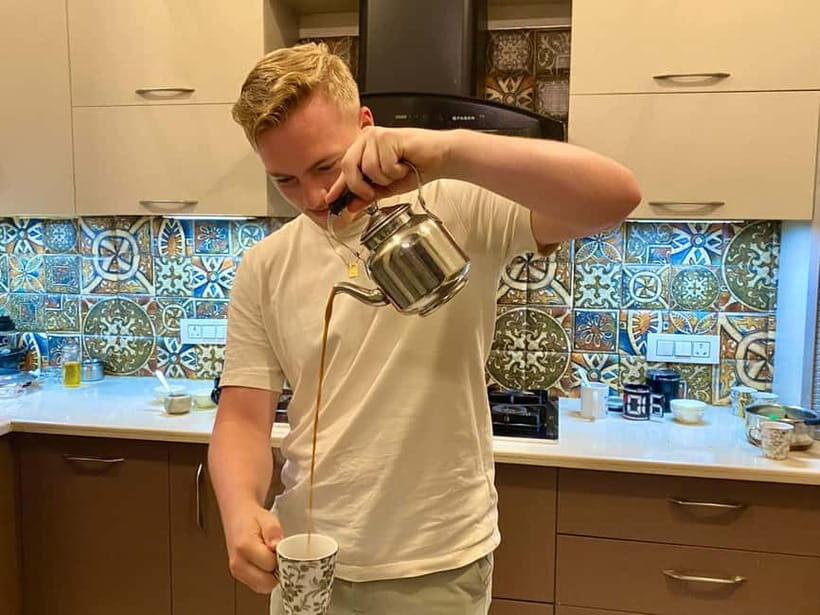
- Family-home setting in GK-1, with you treated like a guest rather than a class visitor
- Small group (up to 10) so questions don’t get lost
- Brew masala chai hands-on with step-by-step guidance from JD (English, Hindi)
- Make your own spice blend using what you learn about spice usage and flavors
- Chai + North Indian breakfast so you taste the result with a proper pairing
- Separate entrance to help you avoid waiting around
Why a Chai Class in a Family Home Feels Different
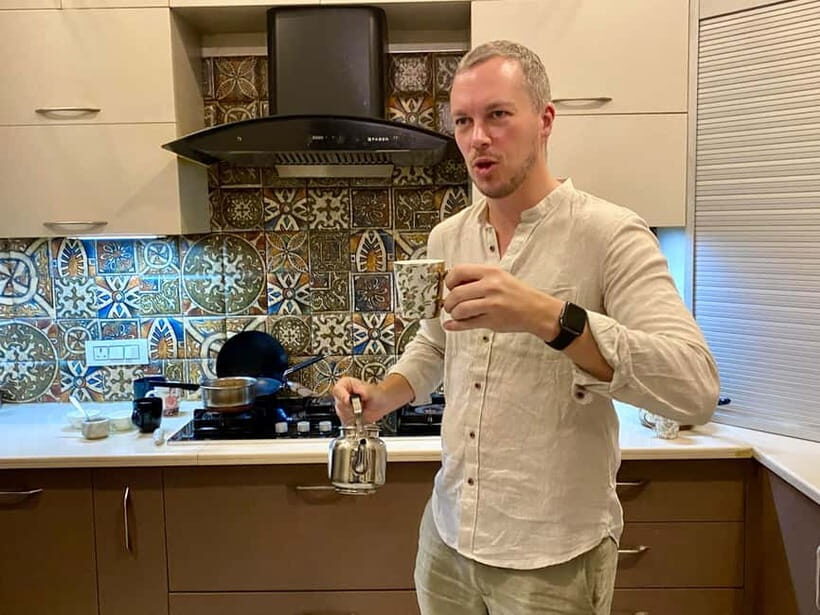
Most “cooking classes” in big cities feel like a performance. This one feels like you’re being invited into routine: you’re learning chai the way it makes sense in an Indian home, where it’s comfort, timing, and taste, all at once.
Because it’s in a private residence (R-142 GK-1 Bindra’s House, first floor), the vibe stays practical. You’re not just watching. You’re doing. You’re handling the process—brewing and building flavors—and that changes how you remember it.
And the class is built around more than the final drink. You get the historical roots and the rise of chai in India, including how Masala Chai came to be. That context matters because chai isn’t just a recipe. It’s a way of balancing warming spices with tea, sweetness, and milk.
You can also read our reviews of more food & drink experiences in India

Meeting JD and Getting Oriented at Bindra’s House
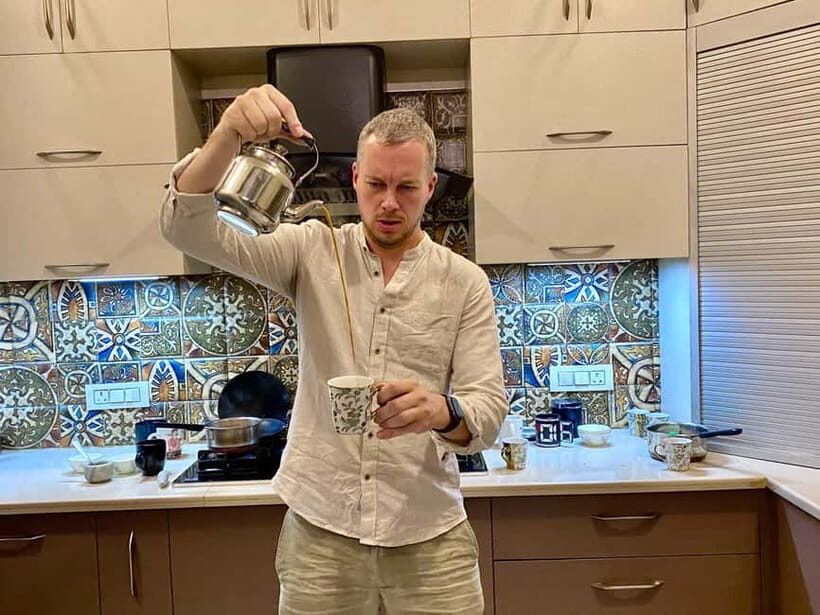
You meet at R-142 Gk-1 Bindra’s House (plug it into Uber and you should find it easily). The address points to the first floor, and you use a separate entrance to help you skip waiting.
The host is JD, and the class is conducted by a live guide in English and Hindi. That matters because chai has a lot of nuance. If you only get a recipe in one language, some of the reasoning can get lost. Here, you can follow the instructions and still ask the “why” questions.
The group stays small, limited to 10 participants. For a one-hour experience, that keeps things moving and keeps you from being stuck at the back of a kitchen trying to figure out what’s going on.
The 60 Minutes: What You Actually Do
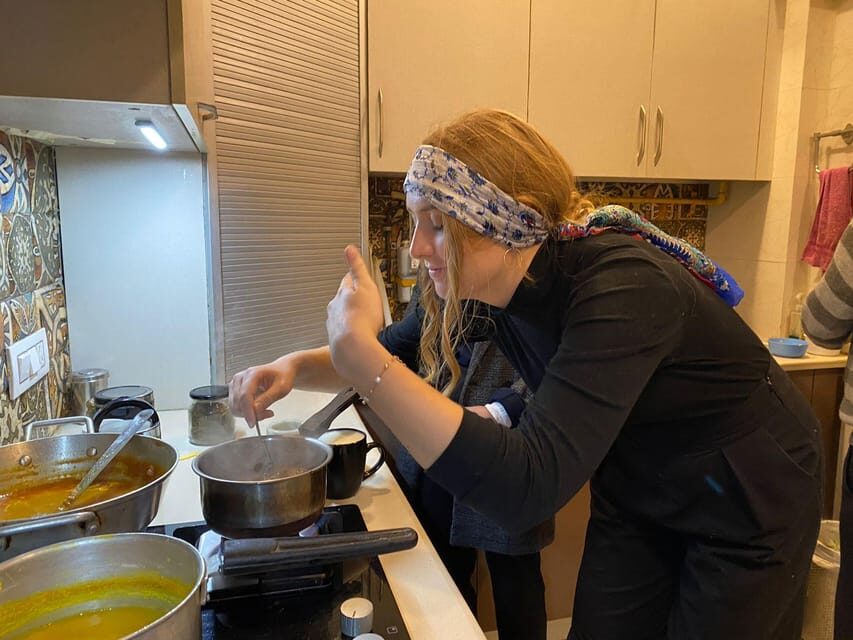
This isn’t a passive tasting. The session is designed as a fast, structured learning sprint.
First, you get taught the core method for brewing the chai. You’ll learn how to get the tea and spices working together, rather than treating it like a flavor add-on. Then you shift into the part that makes it feel personal: you’ll create your own spice blend.
On top of the cooking action, the guide also shares background—where chai fits in India and how masala chai developed. You’ll walk away with a story you can tell, not just a drink you can copy.
By the end, you get to enjoy the chai you prepared, and you’ll also have a traditional North Indian breakfast.
Brewing the Perfect Chai: Spices, Ratios, and Balance
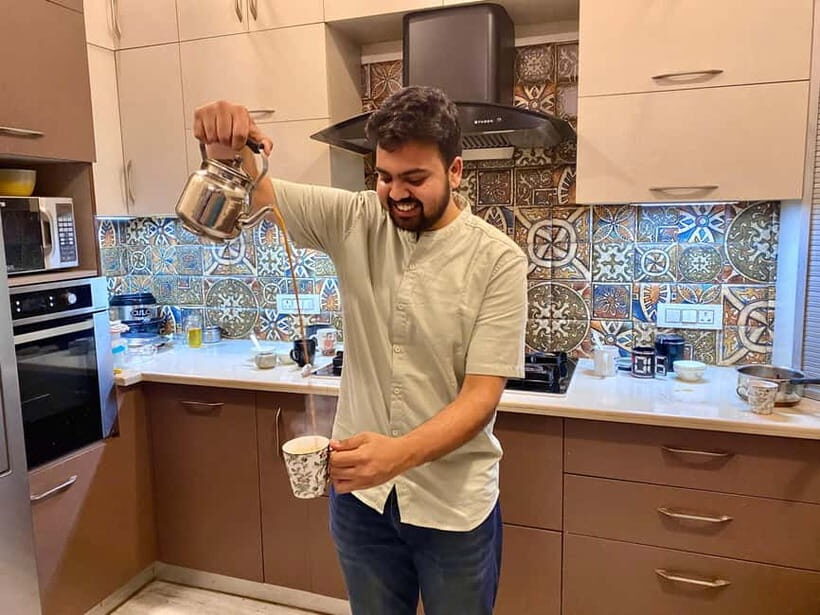
The headline promise is “master the art of brewing the perfect chai,” but what you’re really learning is balance. Chai is a chemistry of flavors: tea has its own sharpness; spices bring warmth, aroma, and heat; milk rounds out edges; and sweetness changes the whole perception.
You’ll get insights into spice usage and flavors during the class. That means you understand what each spice contributes and how to adjust the profile you like. The goal isn’t to memorize a single fixed recipe. It’s to learn how spice behavior affects the cup.
And since you’re hands-on, you’re not only hearing about balance—you’re testing it. That’s why this class is so repeatable. When you’re back home, you won’t be stuck guessing what to do. You’ll know what you’re aiming for.
Crafting Your Own Spice Blend (and Why It Matters)
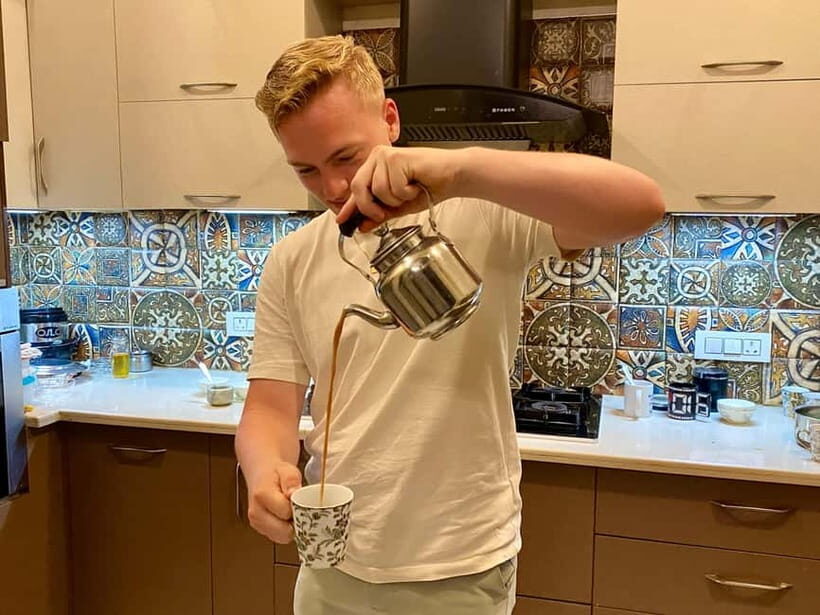
Creating your own blend is the part that turns “I attended a class” into “I can recreate this.”
You’re learning from the structure the guide gives you—how spices are used, how flavors combine, and how to think about building a profile. Then you apply that thinking to your own spice blend, so the final chai feels like yours.
From a value perspective, this is smart. Many classes teach a recipe. This one also teaches the method behind the recipe. When you’re making chai later, you’ll be adjusting flavors instead of copying measurements blindly.
One extra detail that makes this credible: you’re not just handed spice packets and instructions. You’re taught the historical roots and rise of chai in India, including the genesis of Masala Chai. When you understand where a flavor tradition came from, you’re less likely to treat it like a trend and more likely to treat it like something you can truly cook with.




The North Indian Breakfast Pairing
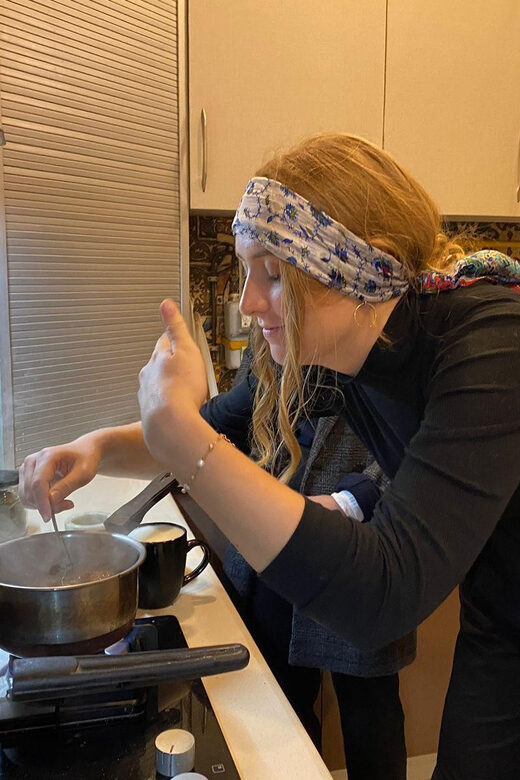
After you brew your chai, you don’t drink it in isolation. You enjoy it with a traditional North Indian breakfast.
This pairing is more than a snack. It helps you taste chai as part of a routine meal, where the drink complements savory flavors and textures. If you’ve only ever had chai from a café, this is a useful reset. You start noticing how chai behaves when it’s meant to sit alongside breakfast food, not just act as a sweet stand-in.
You’ll also have all drinks covered during the experience, including tea and water, plus a snack as part of the session.
Price and Value: Is $16 Worth It?
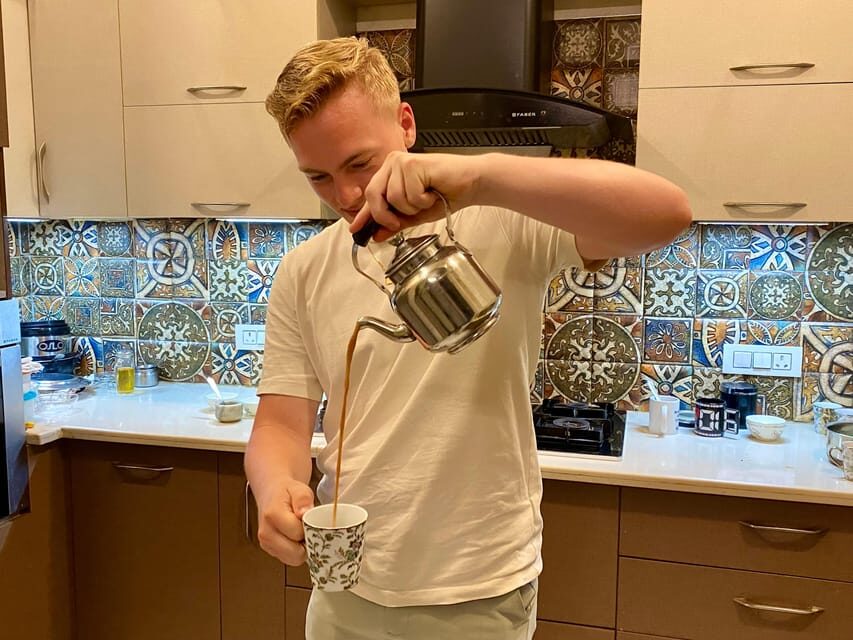
At $16 per person for a 1-hour small-group class in a private home, the value comes from three things:
- Hands-on instruction rather than observation
- You make something (your spice blend and your chai)
- Food is included (snack, traditional breakfast, and drinks)
It’s not priced like a full cooking-tour with multiple stops or a long menu. It’s priced like a focused skill transfer. If you like food experiences that end with a practical takeaway, that’s a good fit.
Also, the included ingredients and instructor fee are part of the price. You’re not paying extra for the “right to use spices,” which is often how cooking classes sneak in costs.
If you’re trying to maximize your India trip budget without sacrificing authenticity, this format makes a lot of sense.
What to Expect From the Group and the Home Setting
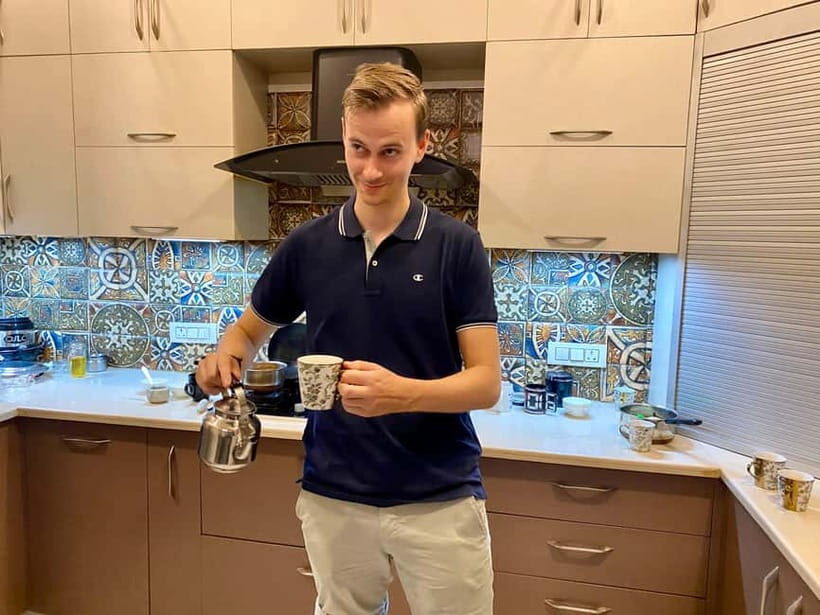
This is an English and Hindi experience with a live guide, and the group stays capped at 10. That usually means you can get your questions answered without waiting your turn forever.
Because it’s in a family home, the setting is likely more personal than glossy. That’s a good thing, as long as you’re comfortable with a lived-in environment. This isn’t a restaurant dining room. It’s someone’s house, and the class follows that rhythm.
One more note: alcohol and drugs aren’t allowed. If you planned to mix chai with a night-out vibe, this won’t be that kind of experience.
Who This Chai Master Class Suits Best
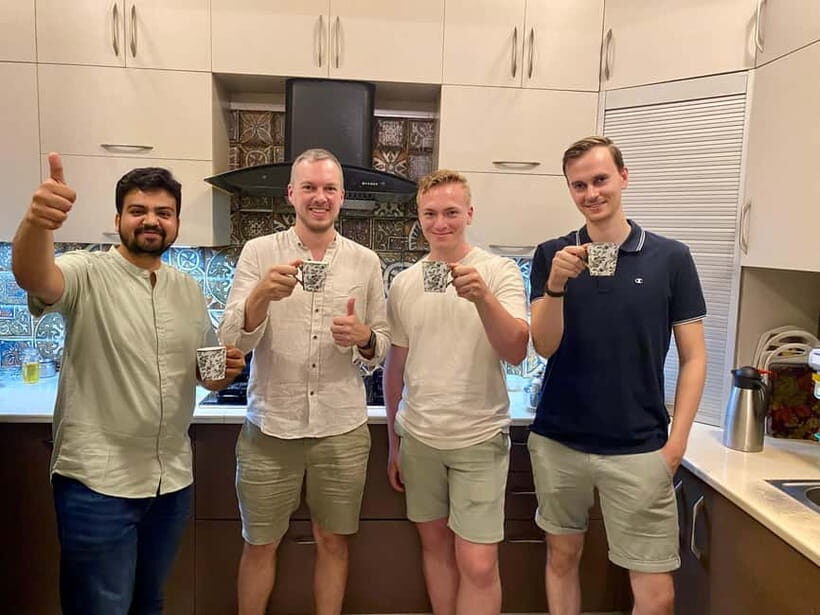
This class is especially good if you:
- want a practical food skill you can actually repeat at home
- like understanding spice flavor logic, not just collecting recipes
- enjoy cultural context while you cook, especially around chai’s history in India
- prefer small-group experiences with real conversation
It may be less ideal if you’re looking for a long itinerary, multiple dishes, or a full cooking marathon. This is concentrated. You leave with one main craft mastered: chai, masala chai style, with a spice blend you can recreate.
Practical Tips Before You Go
A few simple moves will make this easier:
- Use R-142 GK-1 Bindra’s House in Uber, and expect the first-floor meeting point.
- Plan for a quick session. Since it’s 1 hour, arrive on time so you don’t miss part of the brewing steps.
- Bring a curious mindset for spice questions. The class includes insights into spice usage and flavors, so ask what you want to understand.
- Expect included refreshment. Ingredients, snacks, tea/water, and the instructor fee are covered.
If you have any allergies or strong dietary limits, you might want to ask in advance or early in the session so you can follow along comfortably. The class is focused, and you want your experience to stay enjoyable.
Should You Book This Chai Master Class?
I’d book it if you want one of the most “bring it home with you” food experiences in New Delhi. The mix of hands-on brewing, your own spice blend, and the explanation of how masala chai took shape in India makes it more than a one-time tasting.
It’s also a strong deal for $16 because you don’t just watch—you participate, eat, and drink, all within a small group.
Skip it only if you’re determined to do a longer, multi-dish cooking day. This is a focused chai master class, and it does that job extremely well.
FAQ
How long is the Chai Master Class?
The experience lasts 1 hour.
Where is the meeting point?
Meet at R-142 Gk-1 Bindra’s House. It’s the first floor. You can type this address into Uber to find it, and there’s also a Google Maps link provided.
What does the class cost?
The price is $16 per person.
What’s included in the price?
The class includes ingredients, snack, all drinks like tea and water, and the instructor fee.
Is alcohol allowed?
No. Alcohol and drugs are not allowed.
What languages is the guide using?
The live tour guide provides instruction in English and Hindi.