REVIEW · INDORE
Day Trip From Indore To Ujjain Ancient Prime Meridian Of India
Book on Viator →Operated by 5 Senses Walks · Bookable on Viator
Ujjain makes time feel physical. This day trip ties together astronomy and devotion, from the Mahakaleshwar Jyotirlinga to Jantar Mantar, where medieval rulers built sky-watchers to track planets and the sun. I like how the story stays grounded in real places you can walk through, and I also love the clear Prime Meridian connection—Ujjain was treated as a central reference point for Indian time. The main trade-off is the pace: it’s a long 12-hour day with several 2-hour stops, so plan for early mornings and sustained sightseeing.
A big plus is that you’re not doing it alone. You get pickup from Indore, a private setup for your group, and a guide who can connect the dots without turning the day into a lecture. In my notes, Anurag came up as a standout guide name, especially for explaining the ancient version of GMT and why the Prime Meridian idea mattered for centuries. If you prefer super-slow temple time with lots of roaming, you may feel a bit “on schedule” here.
In This Review
- Key highlights at a glance
- Indore to Ujjain: why the day trip format works
- Ujjain and the ancient Prime Meridian idea (and why you should care)
- Mahakaleshwar Jyotirlinga Temple: where devotion meets the time theme
- Sandipani Ashram: the learning center angle (Krishna and Sudama)
- Jantar Mantar: tracking planets and the sun with medieval precision
- Kal Bhairav Temple: grounding the day in the city’s guardian
- Price and value: what $150 gets you in real terms
- Timing, pacing, and who will like this most
- How to get more out of each stop (without extra effort)
- Should you book this Ujjain Prime Meridian day trip?
- FAQ
- How long is the day trip from Indore to Ujjain?
- What time does the tour start?
- What sights are included?
- Is pickup included?
- What does the price include?
- What is the cancellation policy?
Key highlights at a glance
- Ancient Prime Meridian story: Ujjain as a central reference point for calculating Indian time, linked to the Surya Siddhanta
- Mahakaleshwar Jyotirlinga visit: one of India’s twelve celebrated Jyotirlingas, tied to religious texts
- Sandipani Ashram learning legacy: education of Krishna and Sudama at Guru Sandipani’s ashram
- Jantar Mantar observatory: a 17th-century observatory built by Maharaja Jai Singh
- Kal Bhairav as city guardian: a temple stop that grounds the day in local religious life
Indore to Ujjain: why the day trip format works
This tour is built as a classic morning-to-evening run: it starts at 7:30 am and runs for about 12 hours. For many people, that’s the sweet spot. You get real Ujjain without spending the night, which matters if you’re using Indore as your base.
The route also shapes the experience. You’ll go from a travel mindset into a temple-and-observatory mindset fast, so it helps that the plan moves you through Ujjain’s big “time-and-faith” landmarks in a logical order. If you’re traveling with limited vacation days, this is a practical way to see the core ideas without building an itinerary from scratch.
One more value point: this is listed as a private tour/activity where only your group participates. Even if you’re traveling in a small group, the private format usually makes it easier to ask questions and keep the pace aligned with your interests—especially for a day like this where the science-religion links can use explanation.
You can also read our reviews of more tours and experiences in Indore.

Ujjain and the ancient Prime Meridian idea (and why you should care)
The headline concept is bold but specific: Ujjain is described as the ancient Prime Meridian of India, tied to how Indian time was calculated. The location is framed through astronomy: Ujjain is presented as sitting at the intersection of the Tropic of Cancer and the zero meridian of longitude according to the Surya Siddhanta, a 4th-century astronomical treatise.
What makes this idea worth your time is that it isn’t just trivia. When you see the day’s stops—temples, ashrams, and an observatory—you start to understand why Ujjain became a meeting point for worldview. The tour connects timekeeping to religion, not by forcing a modern science angle, but by showing how older societies treated the sky as meaningful and measurable.
In the reviews, the Prime Meridian angle shows up again and again, and you can feel why. One standout comment notes that the guide explained the ancient version of GMT and that the Prime Meridian association lasted for centuries until the British shifted it to GMT/Greenwich. Even if you don’t know the history already, that framing gives you a clear storyline: a place-centered approach to time, then a later shift toward European standards.
Tip for your brain: during the day, keep asking yourself a simple question—what problem were these people trying to solve? In this context, it’s time, calendars, and understanding planetary movement. That makes the observatory stop click instead of feeling like random old structures.
Mahakaleshwar Jyotirlinga Temple: where devotion meets the time theme
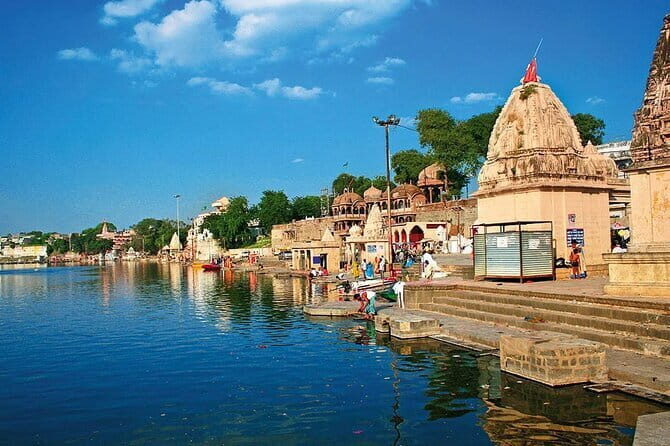
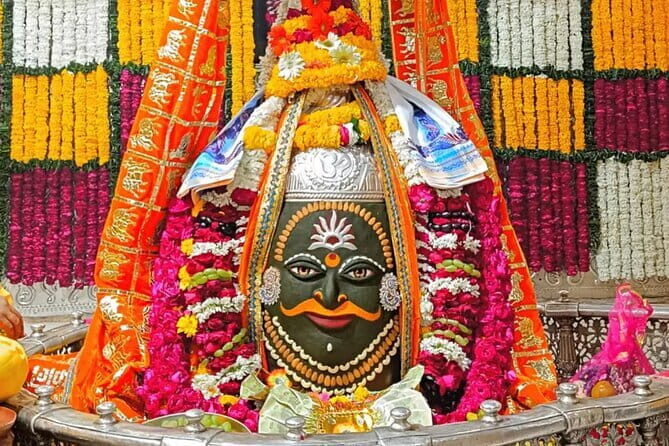
The first major stop is the Shri Mahakaleshwar Jyotirlinga Temple. This site is described as one of India’s twelve celebrated Jyotirlingas, with its glory discussed in the Puranas—and the itinerary notes that Kalidasa is part of the literary line connected to Mahakaleshwar.
Why this stop matters on a Prime Meridian day is simple: the tour isn’t treating religion as separate from science. It treats spiritual center points as also being intellectual and cultural anchors. In other words, Mahakaleshwar isn’t here just for impressive architecture. It sets the tone for the whole day: Ujjain as a place where sacred identity and structured knowledge traveled together.
The visit is planned for about 2 hours, and the admission ticket is listed as free. That’s a nice practical detail because it keeps costs simpler while you’re already paying a single tour price.
Possible drawback? Temple-going can be emotionally intense and sometimes visually busy. If you’re hoping for quiet, unstructured wandering, you’ll likely have less control over pacing here. On a scheduled day trip, the experience may feel more guided than spontaneous. Still, that’s also what helps you connect the dots quickly.
Sandipani Ashram: the learning center angle (Krishna and Sudama)

Next comes Sandipani Ashram, a stop that changes the tone from ritual space to education story. Ujjain is described as a prestigious learning center at the start of the Mahabharata period, and the tour specifically connects it to Guru Sandipani, where Lord Krishna and Sudama received education.
I like this stop because it gives your day a “human” reason behind the science theme. Before you get to Jantar Mantar’s instruments, Sandipani Ashram helps you see the broader culture: knowledge was trained, taught, and treated as something you studied seriously.
The visit is also planned for about 2 hours, with the admission ticket listed as free. That makes it one of the easiest stops financially, which matters when you’re comparing value across day trips.
What to watch for during this stop: the meaning of education here isn’t only academic. It’s tied to discipline and moral learning, which is why it pairs so well with the Prime Meridian storyline. The tour is basically telling you that Ujjain wasn’t just “measuring the sky,” it was also training minds to interpret it.
Jantar Mantar: tracking planets and the sun with medieval precision
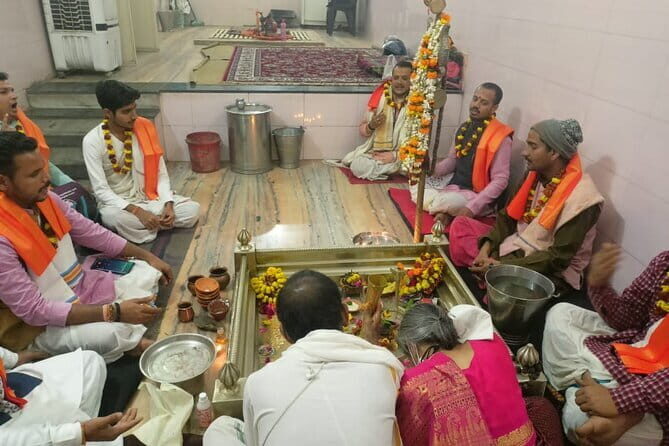
Then you reach the part that makes the science angle concrete: Jantar Mantar. This observatory is described as a 17th-century build by Maharaja Jai Singh. The core promise is that you’ll understand how older rulers studied the movement of planets and the sun.
I think this is the heart of the tour, because you can’t fake the impact of standing in a place built for measurement. Jantar Mantar isn’t just a museum stop. It’s a reminder that astronomy once lived in physical public structures.
Admission here is listed as included, and the visit is planned for about 2 hours. The “included” part is a small but real value boost: you’re not juggling ticket counters while you’re trying to follow the guide’s explanation.
What makes the experience work well is the explanation style described in the reviews—guides can explain the ancient timeline idea without making it feel like a history quiz. The comments about learning an ancient version of GMT suggest that the best value comes when your guide connects Ujjain’s location story to what you’re seeing in the observatory.
Practical note: observatory areas often involve some standing and looking up. If you’re the type who likes to photograph everything, you might lose time. If you’re the type who wants to understand first and then take photos, you’ll enjoy this more.

Kal Bhairav Temple: grounding the day in the city’s guardian
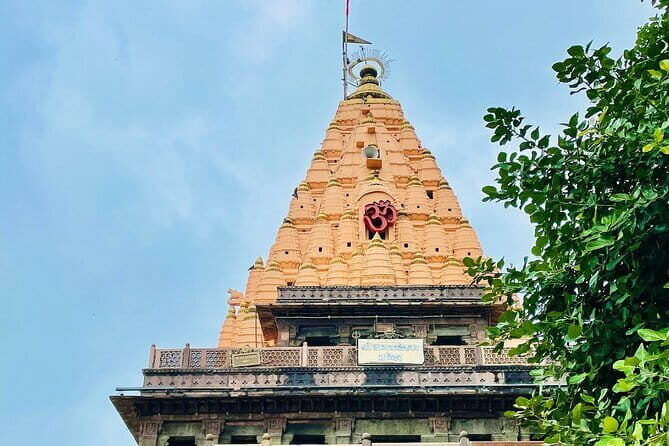
The final temple stop is Kal Bhairav Temple, dedicated to Kal Bhairav, described as the guardian deity of the city. This is a good finishing choice because it brings the day back from cosmic measurement into city identity.
This stop is also scheduled for about 2 hours, and the admission ticket is listed as free. It’s a solid low-cost add-on inside the broader $150 tour price, and it helps you end the day with a sense of local spiritual structure rather than stopping on an “astronomy only” high.
Why I think this pairs well with the other stops: the earlier sites are about time, learning, and the sky. Kal Bhairav offers a different angle—protection and guardianship. In a town known for timekeeping stories, that city guardian concept feels like a natural counterbalance.
If temples make you tired fast, take it easy here. This isn’t the kind of stop where you want to rush. Try to slow down for 10 minutes and actually look around, not just at the main spot.
Price and value: what $150 gets you in real terms
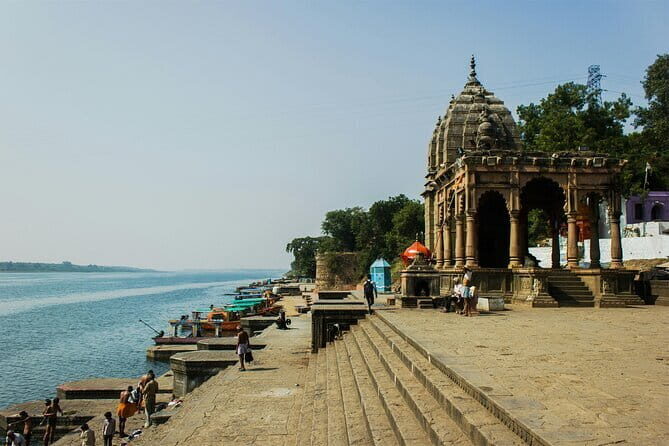
The price is listed as $150.00 per person. On paper, that’s not a “cheap day trip.” But when you spread it across what’s included, it starts to look more reasonable:
- Pickup offered from Indore, which cuts down your own logistics stress
- A private setup for your group
- Group discounts (useful if you have friends traveling with you)
- Mobile ticket convenience
- Multiple major stops that cover temples, an educational ashram, and an observatory
- Admission ticket included at Jantar Mantar (and the others listed as free)
A detail I’d pay attention to: it’s noted that this is booked on average 49 days in advance. That’s a hint that there’s likely steady demand, possibly because the day trip is one of the more straightforward ways to do Ujjain with a structured story.
What you’re really paying for here is interpretation. Ujjain’s Prime Meridian theme can sound abstract. A good guide makes it practical—helping you connect Surya Siddhanta ideas, temple significance, and Jantar Mantar’s instruments into one coherent walk.
If you’re traveling solo and already comfortable navigating temples on your own, you might compare costs with DIY transportation. But if you want the science-faith connection explained cleanly, this tour’s price is aiming at that value.
Timing, pacing, and who will like this most
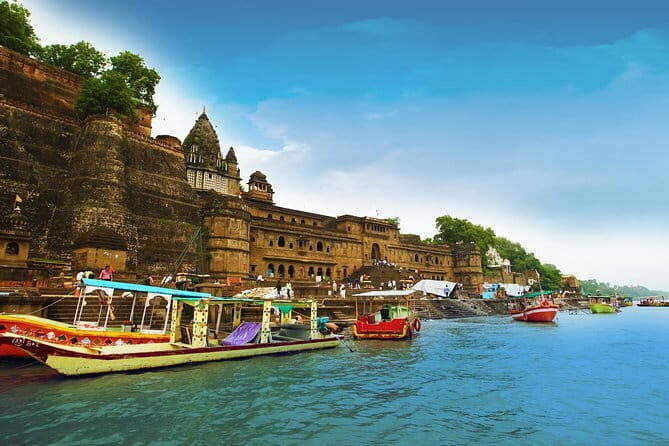
The biggest factor isn’t cost—it’s pacing. With a 12-hour day and several 2-hour stops, this tour favors travelers who want structure and clear priorities. If you’re someone who enjoys moving, seeing, and learning steadily, you’ll likely have a great day.
This is also a good fit for:
- People curious about ancient astronomy
- Travelers who like stories that connect culture and science
- Anyone spending a short time in Indore and wanting the best-known Ujjain highlights
It may not be your best match if:
- You want lots of free time for shopping, long temple rests, or slow wandering
- You get stressed by tight schedules and prefer fully flexible itineraries
Also keep in mind that the tour is listed as “Most travelers can participate,” which suggests it’s not overly specialized. Still, temple days can involve walking and standing, especially around observatory areas.
How to get more out of each stop (without extra effort)
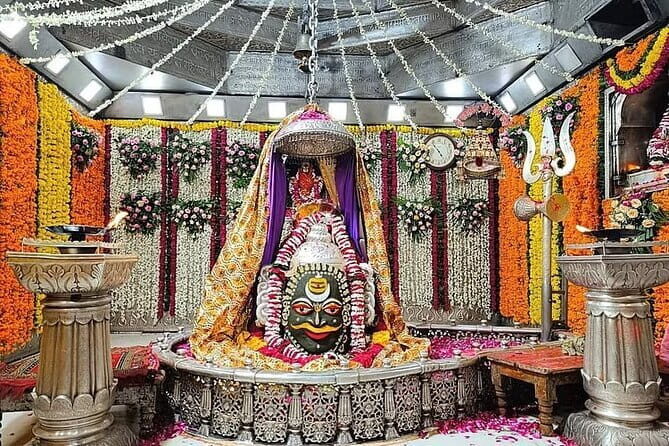
You don’t need a notebook full of facts. You just need a simple strategy:
- Start each stop by asking what role it plays in the day’s theme. Mahakaleshwar anchors the religious side. Sandipani Ashram adds the learning side. Jantar Mantar proves the science side. Kal Bhairav ties it back to local identity.
- During Jantar Mantar, focus on understanding the purpose first. If you fixate only on photos, you might miss why the observatory matters.
- If you’re the type who likes clear explanations, you’ll probably enjoy a guide well-known for connecting the ancient timeline to later GMT/Greenwich shifts. That style showed up in the comments about Anurag.
Should you book this Ujjain Prime Meridian day trip?
Yes, if you’re coming to central India with a short schedule and a big curiosity about how ancient societies thought about time. This tour is a neat, story-driven route through Ujjain’s core landmarks, and the best part is the way it links the prime meridian/timekeeping idea to places where you can actually see and feel the culture.
I’d skip it if you hate structured days or if you’re looking for a mostly unplanned, wander-at-your-own-speed temple visit. With this format, the day is designed to teach, not just to stroll.
If you do book, you’ll get the most value by going in with an open mind: Ujjain is not only a religious city. It’s also a place where people treated the sky like a map—and turned that map into knowledge you could live by.
FAQ
How long is the day trip from Indore to Ujjain?
It runs for about 12 hours.
What time does the tour start?
The start time is 7:30 am.
What sights are included?
You’ll visit Shri Mahakaleshwar Jyotirlinga Temple, Sandipani Ashram, Jantar Mantar, and Kal Bhairav Temple.
Is pickup included?
Yes, pickup is offered.
What does the price include?
The tour price is $150 per person and includes the Jantar Mantar admission ticket. Other listed temple/ashram admissions are free.
What is the cancellation policy?
You can cancel for a full refund up to 24 hours before the experience’s start time. If you cancel less than 24 hours before, the amount paid is not refunded.