REVIEW · NEW DELHI
Cultural Rajasthan
Book on Viator →Operated by Indike Travels · Bookable on Viator
A first-time Rajasthan plan that moves fast. This Cultural Rajasthan trip strings together the Marwar and Mewar flavors plus big changes in scenery, from desert dunes at Sam to the lakes around Udaipur. You also get a strong community-minded angle via stops linked to local work, not just ticket photos.
What I like most is the way the trip is built around English/Spanish-speaking local guides in each city. You’ll see major sights, but the real win is understanding why they were built and how people lived around them. I also like the mix of iconic landmarks and slower local moments, like walking Old Delhi markets, wandering small-town lanes in Mandawa, and taking time around Pushkar Lake.
One thing to consider: monument entrance fees are listed as not included. So factor that into your budget (and bring a bit of patience for ticket lines, especially for the Taj days).
In This Review
- Key highlights worth planning around
- Marwar-and-Mewar focus across 14 days
- Arriving in Delhi: transfer support and a full Old+New day
- Old Delhi markets and the Humayun’s Tomb-to-Qutab arc
- Mandawa’s havelis: fresco art in the Shekhawati semi-desert
- Bikaner: Junagarh Fort plus camels and Jain temples
- Jaisalmer: golden fort, Gadisar Lake, and desert nights
- Jodhpur’s Mehrangarh: the Blue City from above
- Udaipur: City Palace, Saheliyon Ki Bari, and Lake Pichola by boat
- Pushkar: temple walks and a lake-side evening pace
- Jaipur: Tilonia women’s work, City Palace, and the Amber Fort day
- Agra and the Taj Mahal: sunrise plus Mehtab Bagh viewpoints
- Price and what you’re getting for $1,960
- Logistics that matter: comfort, timing, and long drives
- Guides and drivers: safety and explanation quality
- Who should book this Cultural Rajasthan route
- Should you book it?
- FAQ
- Where does the tour start and end?
- Is pickup offered?
- What’s included in the price?
- Are monument entrance fees included?
- Do you stay overnight outside a hotel?
- What languages do the guides speak?
- Does the tour use mobile tickets?
- What is the cancellation policy?
Key highlights worth planning around
- Private groups, private transport: only your group rides in an air-conditioned vehicle with hotel nights handled for you.
- Old Delhi with rickshaw time: Jama Masjid plus a food-markets stop gives you the full sensory start.
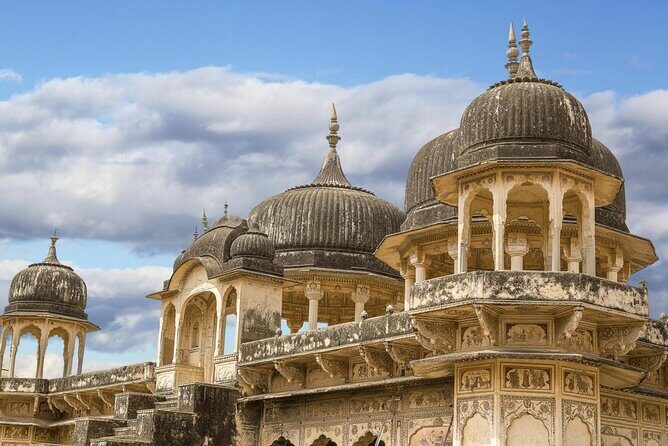
- Shekhawati havelis in Mandawa: fresco art and ornate mansions in an easier pace than big-city sightseeing.
- Desert camp experience near Jaisalmer: sunset jeep ride time plus an overnight in the sand.
- Ranakpur’s 1444 carved pillars: a standout architecture stop on the way to Udaipur.
- Taj Mahal timing: sunrise visit plus a second viewpoint from Mehtab Bagh.
Marwar-and-Mewar focus across 14 days
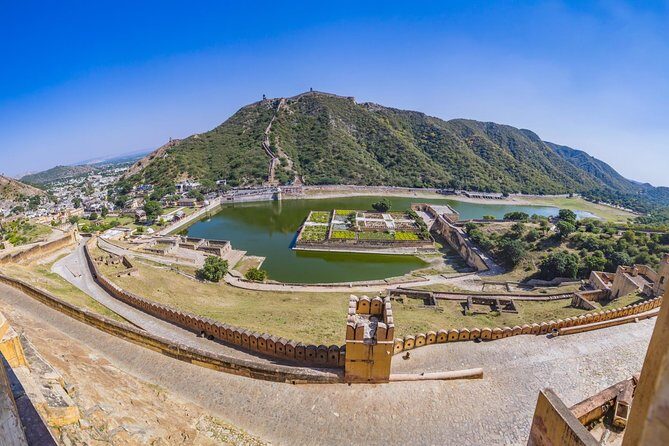
Rajasthan can feel like one long highlight reel—forts, palaces, markets, temples. What makes this tour more interesting is the framing: it’s about how different regions blend culture, architecture, and daily life. You’re moving from the Shekhawati semi-desert art belt into the desert world around Jaisalmer, then shifting to the lake setting of Udaipur before ending in Agra for the Taj Mahal.
For you, that means less time sitting in a bus without a reason. Each stop has a theme: desert fort towns, water-and-palace cities, and Mughal landmarks at the end. It’s also a good fit if you want a guided version of Rajasthan without having to plan every transfer.
The flip side is pace. This is a lot of ground covered in a limited number of days, so expect long drives between regions. If you hate travel days, you’ll feel them.
You can also read our reviews of more tours and experiences in New Delhi.



Arriving in Delhi: transfer support and a full Old+New day
Most Rajasthan trips start in Delhi because it’s the gateway city. Here, you land at Delhi International Airport, get met by a representative, then transfer to your prebooked hotel. That little handoff matters when you’re jet-lagged and trying not to spend your first evening figuring out logistics.
Your next full day is a dense mix of Old and New Delhi. You’ll hit Jama Mosque with a rickshaw ride, then slow down at Rajghat and Humayun’s Tomb. After that, you go modern with Lotus Temple and Qutab Minar, then drive past major government buildings like India Gate, Parliament House, and the Diplomatic Area.
What I like about this approach is that you get orientation fast. Old Delhi’s energy is very different from the wide, planned feeling of New Delhi. And the optional evening food walk in Old Delhi markets gives you a chance to taste the area instead of just seeing monuments.
The only caution: this is a packed day. Wear shoes you can walk in for real, not just sightseeing in sandals.
Old Delhi markets and the Humayun’s Tomb-to-Qutab arc
Delhi can be overwhelming because it’s layered—Islamic, Mughal, colonial, and modern all in the same city. The best part of this routing is the order. You start with Old Delhi icons first, then shift to Humayun’s Tomb style of Mughal grandeur before moving to Qutab Minar’s earlier architecture. It helps your brain sort eras without needing a separate museum day.
When you get to the evening market time, you’ll be primed to notice details beyond the obvious. Spices and street food don’t just fill your stomach—they show how the city has traded and fed people for centuries. Even if you skip the optional food walk, the Old Delhi vibe is hard to avoid.
Mandawa’s havelis: fresco art in the Shekhawati semi-desert
After Delhi, you head to Mandawa early in the morning to beat traffic. That detail sounds minor, but it’s one of the reasons this kind of route feels smoother. It also positions you to enjoy Mandawa in daylight, which matters for fresco paintings.
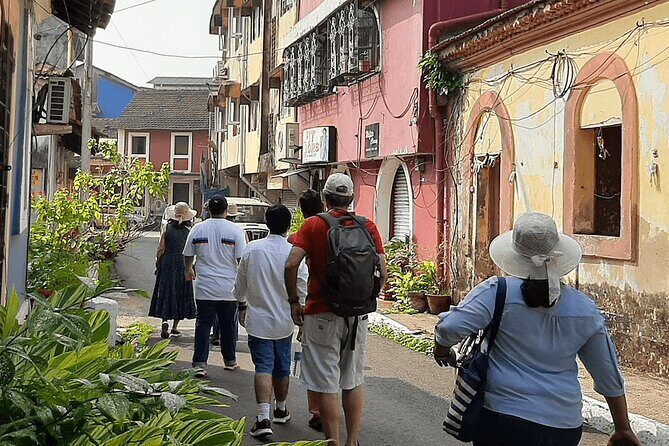
Mandawa sits in the Shekhawati region, often described as an open-air art gallery. You’ll see famous havelis with fresco work, including places like Chokhani Saraf and Ladia Haveli, plus Mandawa Castle. The guided portion is the main event, and the evening walking tour helps you absorb the town at a human scale.
What I like here is the “not too big” feel. Mandawa doesn’t demand the same endurance as Jaipur or Jodhpur. If you want a breather after Delhi, this is the kind of stop that gives it to you without feeling like you’re missing something.
Potential drawback: havelis are visual by nature. If you’re tired or you’re trying to run through photos fast, fresco details can blur. Give yourself time.
Bikaner: Junagarh Fort plus camels and Jain temples
From Mandawa you move to Bikaner, the kind of Rajasthan city that doesn’t always get the same marketing as Jaipur or Udaipur, but delivers hard. The big anchor is Junagarh Fort, a major stronghold with impressive structure and museum-like sections.
You’ll also see Lalgarh Palace, then shift to two very different cultural stops: a camel breeding farm and a Jain temple. That mix is part of the value of Bikaner as a break from palace overload. It’s not only about rulers and walls; it’s also about the region’s livelihood and faith.
This is also a good day for your guide to explain what you’re seeing. Forts in Rajasthan aren’t just military blocks—they connect to trade, local power, and community planning. If your guide happens to be the type who loves specifics, you’ll get more than just a list of rooms.



Jaisalmer: golden fort, Gadisar Lake, and desert nights
Jaisalmer is where the scenery changes. The trip dials from town art and forts to the golden dessert mood of the Thar.
You’ll arrive, check in, and get downtime after a long surface drive, then go for a sunset jeep ride near Sam in the sand dunes. That sunset time matters. You get dramatic light for photos, but more importantly, the experience feels more than just transportation—it becomes a small event.
The next morning, you’ll explore Jaisalmer’s highlights: Jaisalmer Sonar Fort, Gadisar Lake, and a Jain Temple. Then late in the day you head back out to the dunes for a camp setup around 4:00 pm and spend the night there.
A desert camp can range from simple to comfortable depending on what’s arranged, and the tour data here doesn’t spell out camp-level details beyond the overnight. So think practical: bring layers for cooler desert evenings, and plan for a different sleep routine than a hotel bed.
This is one of the best parts of the route because it’s the day you most clearly feel “Rajasthan,” not just see it.
Jodhpur’s Mehrangarh: the Blue City from above
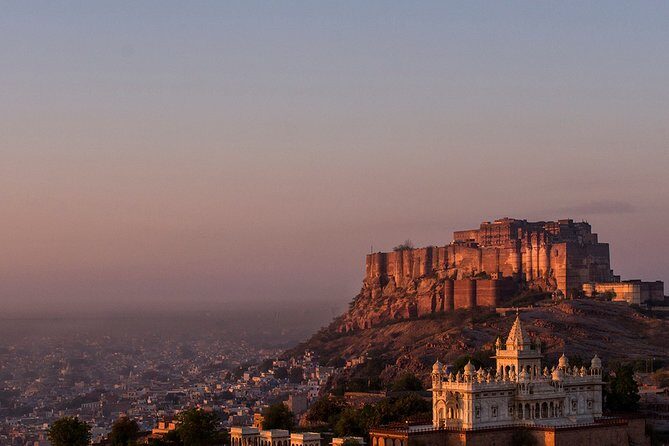
From Jaisalmer you continue to Jodhpur, the Blue City. After checking in, you’ll focus on the skyline powerhouses: Mehrangarh Fort, Umaid Bhawan Palace, Jaswant Thada, and the Clock Tower.
Mehrangarh is the kind of fort that makes you understand why rulers built above the city. You get real vantage, and you get a sense of scale even before your guide explains details. Jaswant Thada adds a quieter contrast with its marble work, which helps break up fort fatigue.
Then you get free time for markets—often where you can shop and see daily life without a hard schedule forcing you along.
If you want a little extra movement, choose the optional walking tour. You’ll see Jodhpur’s street rhythm better that way than by standing in one place.
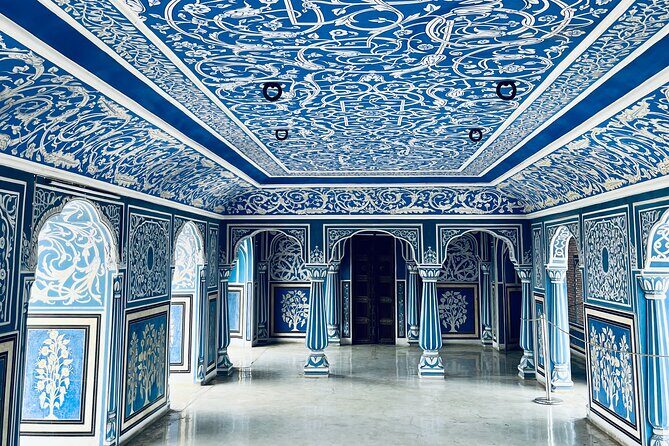
Udaipur: City Palace, Saheliyon Ki Bari, and Lake Pichola by boat
Udaipur earns its name—the city of lakes—because the water is part of the design. On the way in, you stop at Ranakpur Jain Temple, famous for its architecture and its 1444 carved pillars (all different in design). This is one of those “how did they do that” stops where your camera will keep finding details.
Once in Udaipur, you’ll check in with time to relax after the drive. The sightseeing day includes City Palace & Museum, Saheliyon Ki Bari (Garden of Maids of Honour), Bharatiya Lok Kala Mandir, and Jagdish Temple.
One of the best included moments is the boat ride at Lake Pichola. It’s not just a scenic break. It changes how you read the city because you see the palace and ghats from water level.
In the evenings, you have shopping time, and Udaipur is particularly known here for handmade painting. If you’re shopping, set a budget early. Handicrafts are tempting once you understand the work behind them.
Pushkar: temple walks and a lake-side evening pace
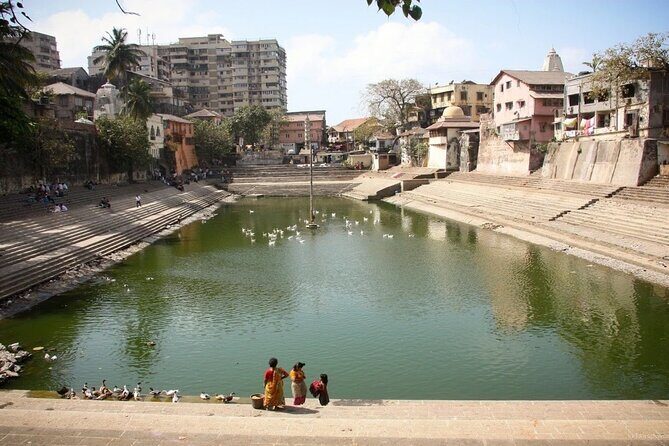
Pushkar feels different from the big-fame palace cities. It’s more about the sacred lake and the smaller web of temples around it.
You’ll drive there, check in, then spend the afternoon on a walking tour: Pushkar Temple, Pushkar Lake, and other nearby temples. The evening is free to explore the small local market.
What I like for you is the pace. After fort days and desert timing, Pushkar lets you slow down. You’re not rushing from one landmark to another every ten minutes. You’re walking, looking, and letting the place set the rhythm.
Practical note: walking around temples means you should be ready for rules about clothing and shoes. Keep it simple and respectful.
Jaipur: Tilonia women’s work, City Palace, and the Amber Fort day
Jaipur is the next big culture stop, and this route adds something meaningful en route via Tilonia village, tied to a non-profit focused on local community and women empowering. That’s the sort of stop that turns a tour into something you remember for more than photos.
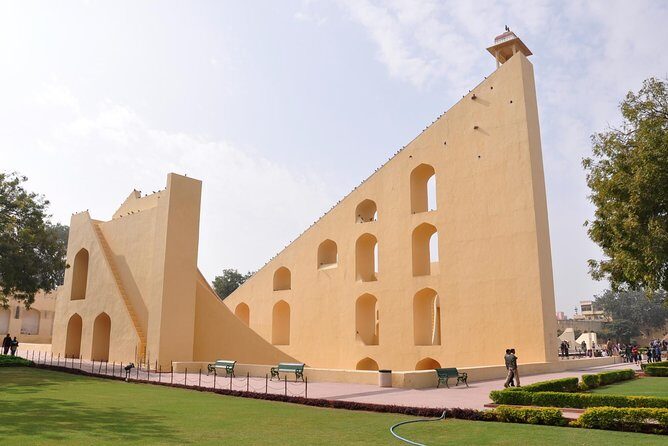
In Jaipur, you’ll visit City Palace & Museum, the Palace of Winds, and an observatory. Then the second Jaipur day focuses on Amber Fort as the half-day excursion, leaving the rest of the time for markets and shopping.
Jaipur markets are where you’ll find a wide range of handicrafts, silk, and jewelry. The free time here is valuable because you can shop without feeling trapped in a tight schedule.
The only concern with Amber Fort: it’s a fort with a lot of steps and open areas. Go prepared for sun and bring water even if you don’t think you’ll need it.
Agra and the Taj Mahal: sunrise plus Mehtab Bagh viewpoints
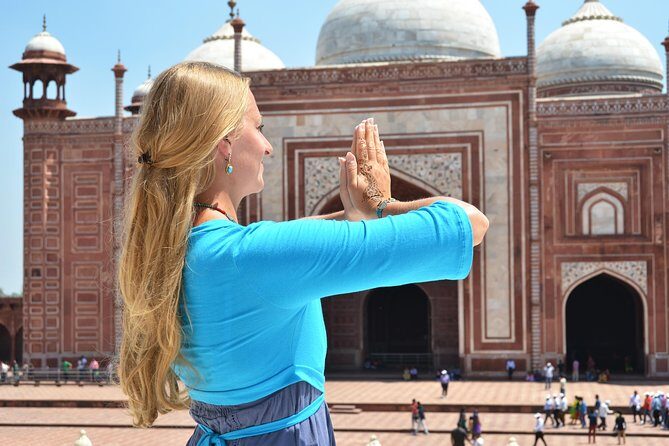
Agra is where the trip’s final headline lands: the Taj Mahal. You’ll drive from Jaipur to Agra, and on the way you visit Fatehpur Sikri, one of Emperor Akbar’s most important forts.
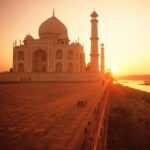
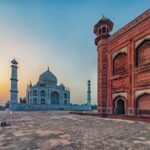
When you reach Agra, you’ll have time to check in, then you’ll visit Mehtab Bagh at sunset. This viewpoint gives you a different angle on the Taj Mahal from across the river, which helps you appreciate it beyond the postcard view.
Then comes the real timing day. Early the next morning you visit Taj Mahal at sunrise—and after that, you explore Agra Fort, including Deewan-E-Aam, Deewan-E-Khas, and Moti Masjid. You also get time for local markets before driving back to Delhi for your onward flight.
Why this timing works: sunrise light is softer, and crowds can feel less intense earlier in the day. But it does require your body to wake up early. If you’re someone who hates early mornings, this is the day you’ll pay for it—plan for it mentally.
Price and what you’re getting for $1,960
At $1,960 per person for about 14 days, the value here is less about one single famous monument and more about how much is handled for you.
Here’s what the price direction clearly covers:
- 13 nights of accommodation in three-star/heritage/equivalent hotels
- an air-conditioned vehicle and private transportation
- assistance on arrival and departure
- English/Spanish-speaking local guides across the cities
- breakfast daily (14 breakfasts)
- the boat ride at Lake Pichola
- taxes, parking, fuel charges, and driver allowance
What’s not included:
- monument entrance fees
- your airfare, visa, and travel insurance
- personal expenses like tips, laundry, drinks, and phone calls
So the real decision is whether you want to pay for convenience and guided learning, rather than piece together trains, drivers, and ticket planning yourself. If you like structure and local guidance, this price often makes sense. If you’re comfortable planning independently and have strong flexibility for long drives, you could probably spend less—but it would take more work on your side.
Also, because entrance fees aren’t included, your final “true cost” will depend on which sites require tickets and what you choose to enter. Budget extra so you’re not surprised at each stop.
Logistics that matter: comfort, timing, and long drives
This is a private tour, which is a big deal in India. You’ll avoid the hassle of shared shuttles and you can move as a group with less waiting. The vehicle is air-conditioned, and you get picked up and assisted at key points.
But the itinerary format means you’ll spend plenty of time on the road: Delhi to Mandawa, Mandawa to Bikaner, Bikaner to Jaisalmer, then onward through Jodhpur, Udaipur, Pushkar, Jaipur, and finally Agra. In exchange, you’re rewarded with variety and fewer “wasted days” sitting in one city.
If you want to make this smoother for yourself:
- pack a light layer for desert/cool mornings (especially around camp and sunrise Taj)
- plan comfortable walking shoes for fort days and temple days
- keep small bills and basic essentials handy for markets
Guides and drivers: safety and explanation quality
The strongest pattern in the feedback I’ve seen around this kind of tour is simple: professionalism and safety. People especially praise the way pickup and day coordination feel organized, and they mention drivers being attentive and careful.
On the guiding side, names like Jamil and Raja show up in positive comments tied to Mughal storytelling around the Taj Mahal and making the experience smoother in crowded areas. If you’re booking, it’s worth asking your guide to focus on the architectural and cultural story, not only where to stand for photos. That’s where guides can turn a visit into something that lasts.
Who should book this Cultural Rajasthan route
This tour is a strong match if:
- you want a private guided Rajasthan circuit without the planning stress
- you like a “see the classics” itinerary but still want meaning behind what you see
- you’re open to long drives in exchange for desert, lakes, and forts in one trip
- you’d enjoy a mix of architecture, temples, and local markets
It’s less ideal if you want a slow travel pace, hate early mornings, or can’t handle desert-camp style overnight logistics.
Should you book it?
I’d book this Cultural Rajasthan tour if your priority is clear: hit Delhi, Mandawa, Bikaner, Jaisalmer, Jodhpur, Udaipur, Pushkar, Jaipur, and Agra with guided context and real time inside markets and major monuments. The value isn’t just the famous sights—it’s the way the route adds regional variety and includes moments like Lake Pichola by boat and a desert camp night.
Don’t book on autopilot if you dislike budgeting for entrance fees at each stop. Confirm what’s included for ticketed monuments when you book, then you’ll enjoy the rest without surprises.
If you want a structured, culturally framed Rajasthan trip with a practical pace, this one fits.
FAQ
Where does the tour start and end?
It starts in New Delhi, India, and ends back in New Delhi at Delhi International Airport so you can board your onward flight.
Is pickup offered?
Yes. Assistance on arrival and departure is included, and the tour indicates pickup is offered.
What’s included in the price?
The price includes air-conditioned vehicle/private transportation, hotel accommodations for 13 nights, English/Spanish-speaking local guides for sightseeing in each city, boat ride at Lake Pichola, breakfast for 14 days, and taxes, parking, fuel charges, and driver allowance.
Are monument entrance fees included?
No. Entrance fees for the monuments in the program are not included.
Do you stay overnight outside a hotel?
Yes. The schedule includes staying overnight in a camp in the desert near Jaisalmer.
What languages do the guides speak?
Local guides speak English and Spanish.
Does the tour use mobile tickets?
Yes. Mobile ticket is listed as a feature.
What is the cancellation policy?
Free cancellation is available up to 24 hours in advance for a full refund. If canceled less than 24 hours before the experience starts, the amount paid is not refunded. The experience also requires good weather; if canceled due to poor weather, you’ll be offered a different date or a full refund.