REVIEW · AGRA
Cooking class with taj
Book on GetYourGuide →Operated by Explore taj · Bookable on GetYourGuide
Home-kitchen cooking beats tourist food every time.
This 3-hour experience in Uttar Pradesh pairs a real cooking lesson with cultural extras like Heena and sari how-tos, plus a welcome cup of Indian masala tea. I like that it’s a small group setup (up to 10), so you’re not lost in a crowd, and you get time to ask questions in English. One drawback to consider: the cooking part can be more watching and guidance than constant hands-on for everyone, depending on the group.
You’ll still leave fed and informed. Veg curries and sides are the star, and the day includes a dinner using the same food, all at a price that feels almost too good to be true. Just plan on being vegetarian-focused, wearing comfortable shoes, and bringing your camera if you want to capture the sari and kitchen moments.
In This Review
- Key highlights you’ll feel immediately
- A family-kitchen class in Uttar Pradesh (3 hours that move fast)
- Masala tea, ingredients, and the first taste of the lesson
- Veg Indian cooking: how interactive it really is
- Heena and sari tips: the cultural part that actually feels useful
- Dinner with the same food: tasting your lesson, not just watching it
- Value check: $5 vegetarian cooking, tea, and dinner
- Who this class suits best (and who should skip it)
- Practical tips so you get the most out of it
- Should you book Cooking class with Taj?
- FAQ
- Where is this cooking class located?
- How long is the experience?
- How much does it cost?
- How big is the group?
- Is the instructor English-speaking?
- What’s included in the price?
- Is pickup included?
- What drinks are included?
- Is the activity suitable for children?
Key highlights you’ll feel immediately

- Masala tea welcome sets the tone before you step into the kitchen
- Small-group format (max 10) keeps questions and pacing manageable
- Heena and sari how-tos turn the visit into more than just cooking
- Veg cooking lesson + dinner so you taste what you just learned
- English-speaking instruction makes the steps easier to follow
- Hands-on cooking time is offered, even if it varies by group
A family-kitchen class in Uttar Pradesh (3 hours that move fast)

This experience is built around one simple idea: you learn by being in the kitchen while food happens. You start with a warm welcome and then shift into a practical food lesson in a clean, family-run space. The setting matters here. It’s not a glossy demo stage. It’s a working kitchen where you can actually understand ingredients, heat, timing, and order of steps.
The total time is 3 hours, so expect a tight flow: tea and introductions, ingredients and technique, cooking (or close observation), and then a dinner built around the dishes. A small group (up to 10) also changes the whole vibe. Even if you’re a quieter person, you can still get your questions answered without waiting your turn for long.
Price is part of the appeal: it’s listed at $5 per person, which is unusually low for a cooking lesson that includes tea and a full meal. At that cost, the value comes from access to a real household experience, not from luxury equipment or fancy staging.
You can also read our reviews of more cooking classes in Agra

Masala tea, ingredients, and the first taste of the lesson
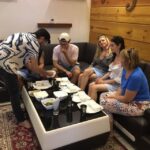
You’re welcomed with Indian masala tea before the cooking gets going. For me, that first sip is more than a drink. It’s your signal that you’re about to learn an India-style rhythm: spice first, then layering flavor as you go.
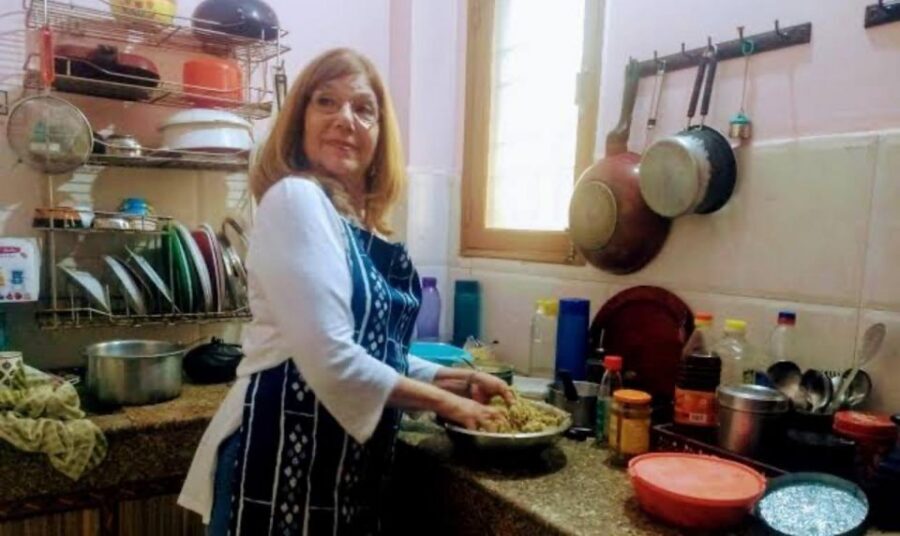
Once you’re in the kitchen area, the instructor explains the food and the cooking process. You’ll be shown the vegetables used for the class, and you’ll get a sense of what each ingredient contributes. This is where most cooking classes either shine or fall flat. The good ones make you understand why something goes in when it does. Here, the approach is to explain the food clearly, then let you see it come together in real time.
You should also know that the whole experience is vegetarian. That means the spice and technique become the focus. Instead of relying on meat stock or shortcuts, you’ll notice how the base flavors build—often through onions, tomatoes, and spice mixes (even if the exact spice blends aren’t named for every dish).
Veg Indian cooking: how interactive it really is

The lesson is designed so you can participate at least in some way. The experience notes say you’ll be able to cook as well for hands-on practice, so don’t show up thinking you’ll only watch. That said, one important reality check: the level of interaction can vary by group size and flow.
In practical terms, here’s how the cooking part usually works in a setup like this:
- You’re introduced to ingredients and basic technique.
- You help with tasks like prepping or assembling steps (depending on timing).
- You follow the instructor’s guidance as the dish comes together.
- If there’s enough room, you’ll do more of the active cooking.
Even if you end up watching more than chopping, you’re still learning. You’ll pick up the real logic: heat control, spice timing, and when to add components so the flavor stays balanced. And because dinner later uses the same food, you get immediate feedback in the best way—by eating what you helped create or closely followed.
Also, the instructor is listed as English-speaking, which matters. Spice cooking is easy to mess up when instructions are vague. Clear language makes the steps more repeatable later at home.
Heena and sari tips: the cultural part that actually feels useful
This isn’t just a kitchen stop. You’ll also get Heena (henna) class time and learn how to wear a sari. These are the moments that turn it from a standard cooking workshop into something more personal.
What I like about adding Heena and sari instruction is that it gives you a different kind of understanding. Food teaches flavor. Clothes teach culture—how people present themselves, how fabric moves, and why certain folds and wraps matter. Even if you never plan to wear a sari again, learning the basics helps you spot what you were seeing in India all along.
You should also expect small gifts. The experience description says they provide items like masala tea or spice gifts. That’s a nice touch because it gives you something to remember besides photos.
One more practical point: sari and henna lessons can involve hands-on guidance, so you’ll want to be comfortable moving a bit and standing while instructions happen. Wear shoes you can walk in easily and won’t regret if your feet stay on the floor for a while.
Dinner with the same food: tasting your lesson, not just watching it
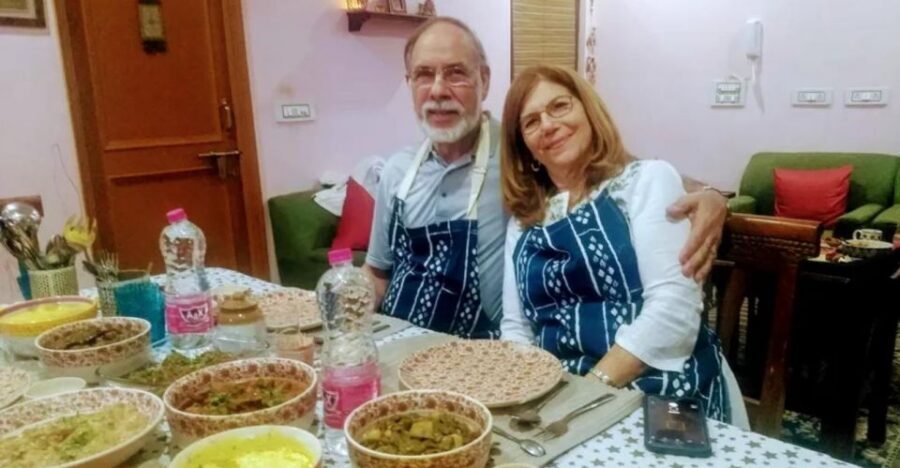
After cooking, dinner is served. The highlights mention dinner is included at the same price, and the food matches what you worked on during the class. That’s a big deal.
Why? Because dinner turns the session into a full loop:
- You learn ingredients and steps.
- You see the dish created.
- You eat it in context.
A lot of cooking classes teach one thing and serve another. Here, the meal is part of the learning. You’ll be able to connect the taste back to the process—like what made the curry thicker, why masala flavors feel different from one bite to the next, and how the spice tea welcome ties into the overall flavor style.
The dinner is also vegetarian, and the experience notes say you can choose what you like from the veg selection. If you’re picky, vegetarian menus still give you options—just check what’s on offer when you arrive.






Value check: $5 vegetarian cooking, tea, and dinner
Let’s talk value honestly. $5 for a 3-hour experience that includes tea, vegetables for the class, and dinner is extremely low. That’s not normal pricing for cooking instruction. So you should think of the value as coming from household hospitality and access, not from high-end production.
What makes it a strong deal is how many things are bundled:
- Tea on arrival
- Kitchen instruction in English
- Vegetable ingredient work
- Heena and sari lessons
- Dinner using the same food
At this price, the biggest thing to watch isn’t quality—it’s consistency. One rating mentioned the activity didn’t take place and the host didn’t respond after a wait. Another said it was friendly, fun, but the cooking interaction wasn’t super hands-on. Put those together and you get the right takeaway: the experience can be excellent, but you should confirm details clearly and keep an eye on communication close to your time slot.
Who this class suits best (and who should skip it)
This is ideal if you want a real, grounded India moment. You’ll probably love it if you:
- enjoy vegetarian Indian food and want to learn technique
- like cultural extras (Heena and sari instruction)
- prefer small groups and direct questions
- want a low-cost activity that still feels personal
It’s not designed for everyone. The experience notes say it’s not suitable for children under 10, so families with younger kids should choose something else. Also, if your main goal is a super hands-on cooking lab with constant mixing and frying for every participant, go in with flexible expectations because the level of interaction can vary.
One more thing: you’ll likely spend time standing and moving for sari/henna lessons and kitchen demonstrations. If you have mobility limits, it’s smart to ask how much standing is required before booking.
Practical tips so you get the most out of it
Bring comfortable shoes and a camera. That’s not just about photos. You’ll want footwear that works on kitchen floors and around family spaces where you might be seated briefly, then standing for instruction again.
Here’s what to plan around:
- Expect a vegetarian menu.
- Expect spice-focused flavor. Even if you’re not a spice person, masala and tea are part of the experience.
- Expect the class to be English-led.
- Plan for a 3-hour time commitment without much downtime.
About drinks like beer: the experience notes say you can drink beer if you want, but the food stays vegetarian. Still, beer isn’t listed as included, so don’t count on it being provided automatically. If you care about this detail, ask ahead.
Pickup is another area where you should confirm. The notes mention pickup from hotels along Taj Link Road, but the included/excluded section also states no pickup. The safest move is to verify pickup in your booking message so you don’t show up wondering where to meet.
Should you book Cooking class with Taj?
I’d book it if you want a low-cost, small-group, vegetarian-focused experience that mixes real cooking steps with cultural skills like Heena and sari. At $5 with tea and dinner included, the odds are good you’ll leave with both full taste buds and useful knowledge for your next India meal.
I would not book it blindly if you rely on perfect scheduling and zero communication risk. Since one booking report said the class didn’t take place and the group never got a response, you should confirm the exact meeting point and time the day of. Send a message, get a clear start time, and make sure you know whether pickup is truly part of your option.
If you do that, you’re set up for a genuinely fun, family-style evening where you learn by doing, then eat what you made.
FAQ
Where is this cooking class located?
It’s in Uttar Pradesh, India.
How long is the experience?
The duration is 3 hours.
How much does it cost?
The price is listed as $5 per person.
How big is the group?
The group is small, limited to 10 participants.
Is the instructor English-speaking?
Yes, the instructor is listed as English.
What’s included in the price?
It includes food, tea, all vegetables used for the cooking class, and Dirop.
Is pickup included?
The information includes pickup from hotels along Taj Link Road, but another section says no pickup. Check your confirmation to be sure for your specific hotel.
What drinks are included?
Indian masala tea is included. Other drinks are not listed as included, though beer may be available on site if you want it.
Is the activity suitable for children?
No, it’s not suitable for children under 10 years old.