REVIEW · MADIKERI
Classic Coorg Coffee Plantation experience
Book on Viator →Operated by Coorgexpress · Bookable on Viator
Coffee grows here like a living cycle. In this Classic Coorg Coffee Plantation tour (about 1 hour from Madikeri), you follow coffee from plant to cup while a local farmer with 20+ years in cultivation explains what you’re seeing. I especially liked the story tied to Coorg’s shade-grown coffee under native trees in the Western Ghats.
You also get a proper finish at the host’s house, where you learn about different blends and taste the flavors Coorg is known for. The coffee focus is practical, not just scenic. The main thing to consider: it’s a short tour, and you may find the on-plantation setup is pretty basic rather than a polished visitor attraction.
In This Review
- Key highlights you’ll actually notice
- Coorg coffee isn’t just coffee
- The 1-hour flow: what happens from the walk to the tasting
- Stop 1: A short walk through the plantation
- Stop 2: The host’s house for blends and tasting
- What shade-grown growing conditions mean for your cup
- The tasting lesson: how to get more from the host-house stop
- Price and value: what $11.33 gets you
- The main drawback to watch for: short and sometimes basic
- Who should book this, and who might skip it
- Should you book Classic Coorg Coffee Plantation?
- FAQ
- How long is the Classic Coorg Coffee Plantation experience?
- Where does the tour start and end?
- What’s included in the tour price?
- Is this tour private?
- Do I need transportation to join the tour?
- What kinds of coffee does the tour cover?
- What’s the cancellation policy like?
Key highlights you’ll actually notice
- Shade-grown coffee in the Western Ghats: why the native-tree canopy matters for flavor
- Seedlings to picking: a guided walk that connects growth stages to harvest time
- Two bean types in Coorg: Arabica and Robusta, explained in the context of cultivation
- Blends and tasting at the host’s house: you learn how Coorg coffee flavors get built
- Good value for time: about an hour, with coffee and/or tea included
Coorg coffee isn’t just coffee
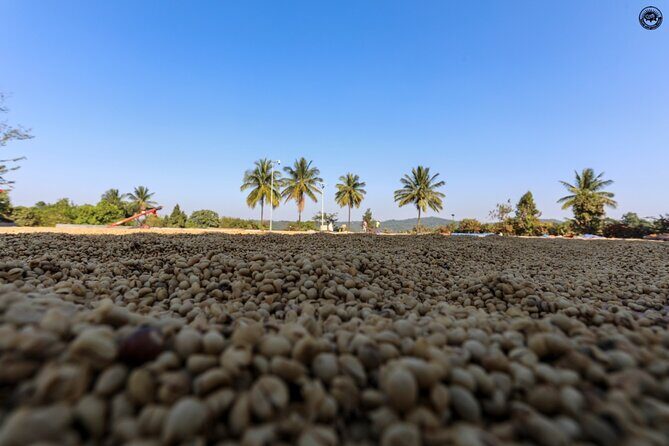
Coorg has a reputation for a reason. It’s often called the Coffee Cup of India, and the region is one of India’s major coffee producers. The big idea behind what you’ll hear on this tour is that Coorg coffee isn’t just grown anywhere. It’s grown in a particular way—shade-grown under native trees of the Western Ghats, a UN biodiversity hotspot.
That shade-growing approach matters because it changes the whole growing environment. It tends to shape how the plant develops and how the beans mature, which is why Coorg is known for mild coffee. During the tour, you’re not stuck with general talk. You’ll connect what you see in the plantation to what ends up in your cup.
You’ll also hear that Coorg grows Arabica and Robusta. Coorg’s Robusta is described as some of the best in the world and is exported internationally, especially to Europe. Even if you don’t become a coffee-nerd by the end, this context helps you understand why the region pays attention to quality and why different beans and blends taste different.
Finally, there’s the human story. Coffee cultivation was introduced by the British, and later local Coorgs used it as a commercial crop. That historical arc is useful because it explains why coffee is now part of daily life and not just a curiosity for visitors.
A few more Madikeri tours and experiences worth a look
The 1-hour flow: what happens from the walk to the tasting
This tour is built as a simple, time-tight sequence. It starts in Madikeri, and you end back at the meeting point. The total duration is about an hour, and it’s designed for a first look at how coffee farming works.
Stop 1: A short walk through the plantation
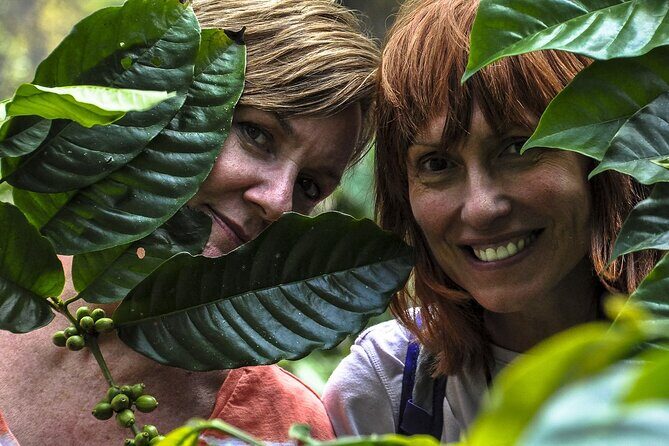
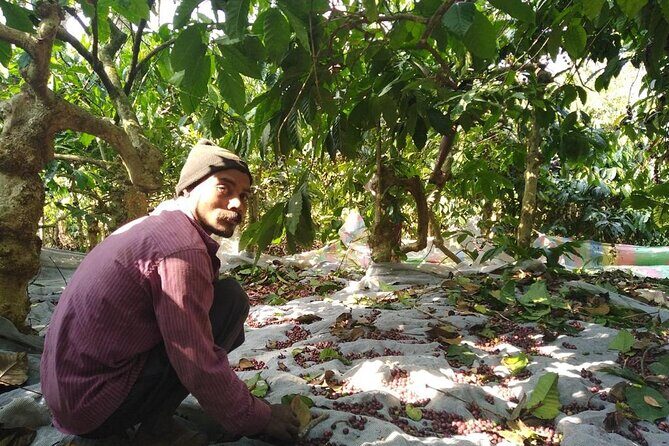
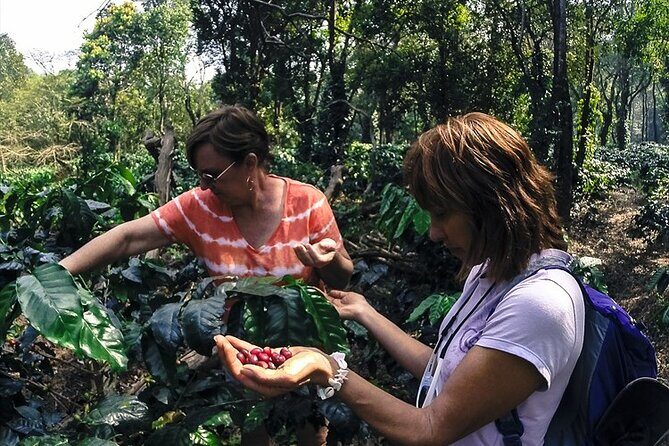
The first part is a guided walk through the coffee plantation. You’ll learn how coffee plants grow across stages that make sense to a beginner: seedlings in nurseries, then when they’re planted out into the plantation, and later how and when they’re picked. The point here is to connect cause and effect.
As you walk, you’re essentially learning the coffee timeline. You see the plant as a living process, not a product that just appears at a café. Even if you already know coffee is a crop, this helps you put faces and plant stages to words like nursery, harvest, and picking.
One practical thought: this is a walk. Wear shoes you don’t mind getting a bit dirty and be ready for uneven ground. You’ll get more out of it if you ask questions as you go, because the tour is short and you’re moving through multiple stages.
Stop 2: The host’s house for blends and tasting
The tour ends at the host’s house, where you learn about blends and taste the flavors of coffee Coorg offers. This is where the tour shifts from farming basics to flavor recognition.
In the tasting session, you’re not just handed a cup and sent on your way. The format is meant to teach you what to look for—how different blends can change taste. You’ll also get coffee and/or tea as part of the experience, which is helpful if you want to go easy on the coffee but still understand the flavor differences.
If you’re the type who learns best by doing, this final part is likely the moment you’ll remember most. It turns the plant walk into something sensory, which is where many people actually start to care about the details.
What shade-grown growing conditions mean for your cup
Shade-growing is one of those concepts that sounds abstract until you connect it to what people drink. In this Coorg context, shade-grown coffee means the plants grow under the native trees of the Western Ghats rather than in full sun.
Why should you care? Because the tour frames Coorg coffee as uniquely mild and well-regarded. Shade can influence growth pace, bean development, and overall plant stress levels. That affects how the beans mature, which ultimately affects flavor in the cup.
On this tour, that whole idea is tied to place. You’re not being told that shade makes coffee better in general—you’re seeing coffee grown in Coorg’s ecosystem, where the region’s natural variety matters. And since the Western Ghats are a UN-recognized biodiversity hotspot, the shade canopy is also part of a bigger story about how farming and native ecosystems can coexist.
Another flavor clue you’ll pick up: Coorg is known for both Arabica and Robusta. Those two beans tend to deliver different sensory profiles. Arabica is often associated with smoother, more nuanced flavors, while Robusta can bring stronger, more intense character. The tour doesn’t require you to memorize tasting notes. It gives you the framework to understand why two cups from the same region can still taste different.
The tasting lesson: how to get more from the host-house stop
If you want to make this tour pay off, don’t treat tasting like a formality. Treat it like a mini class. The host’s house portion is where you can turn a basic tour into a useful one.
Here’s how I’d approach it:
- Start by asking what blend you’re tasting first and what the host thinks it tastes like.
- Take a short moment between sips. Coffee fades fast, so slow down for just a few seconds.
- If you’re offered coffee and/or tea, try to get one coffee tasting and one non-coffee option. That helps you compare intensity and bitterness.
- Ask what cultivation choices connect to flavor. Even when explanations are general, the link between farm stage and cup taste is the whole point.
You’ll also benefit from a mindset shift. Instead of thinking, How does this taste compared to my usual coffee? think, What does this teach me about how Coorg coffee is built? That’s the skill you carry home.
Even the broader background helps. The tour references the British introduction of coffee and then local adoption as a commercial crop. When you understand that coffee became a serious crop, you understand why growers care about consistent quality. And when you taste blends, you’re tasting the outcome of that care.
Price and value: what $11.33 gets you
At $11.33 per person, this tour is priced like a focused local experience, not a long, multi-stop excursion. For the time—about an hour—it’s straightforward: you pay for a short plantation walk plus the tasting education at the host’s house.
The best value element is that coffee and/or tea are included. That matters, because it means you’re not paying extra to sit through the final tasting lesson. You’re also paying for access to a farmer-led explanation, including how seedlings move from nursery to planting and then how picking fits the cycle.
Two things to keep your expectations grounded:
- Duration is short. You won’t come out with a full farming manual.
- Transportation isn’t included. If you’re staying outside Madikeri or farther from the meeting point, plan for how you’ll get there.
One extra detail worth noting: the tour is commonly booked about 23 days in advance on average. That’s a signal this isn’t a random schedule slot you can always grab last minute, especially during busy travel periods. If you’re set on the experience, book early.
The main drawback to watch for: short and sometimes basic
One low-rating account described the plantation portion as having no infrastructure and said the tour felt very basic, with limited learning during their time there. The provider’s response clarified that the tour runs for about an hour total and that time is split roughly equally—about 30 minutes in the plantations and about 30 minutes in the experience center.
So what does that mean for you, practically? It means you should show up wanting a quick, beginner-friendly introduction, not a museum-style educational setup. If you crave lots of signage, modern facilities, or a long, slow explanation of every farming detail, this may feel too compact.
How to reduce the chance of disappointment:
- Go in knowing it’s a farm walk plus tasting, not a deep agronomy course.
- Bring curiosity and questions. When you ask, the tour becomes more informative fast.
- If weather is poor, don’t be stubborn. The experience requires good weather, and the operator may offer a different date or a refund.
Also, consider asking beforehand what the host’s house tasting focuses on. If your goal is flavor learning, that’s usually the most valuable portion of a short tour.
Who should book this, and who might skip it
This is a good fit if you want a first, grounded look at Coorg coffee without committing half a day. You’ll like it if you enjoy:
- learning how everyday foods connect to farming choices
- short, structured experiences you can actually finish
- the idea of tasting blends right after a guided walk through the crop
It may be less satisfying if you’re traveling with an expectation of extensive infrastructure on the plantation itself or a very long, technical lesson. The best mindset is beginner-friendly: coffee fundamentals, then a tasting payoff.
Also, since this is a private tour for your group, it works nicely when you want flexibility with questions and pace. Just remember you still have the one-hour time cap, so ask the big questions early.
Should you book Classic Coorg Coffee Plantation?
If you’re in the Madikeri area and you want an hour-long coffee education that ends with a real taste session, I’d say yes—with one caveat: treat it as a compact introduction, not a detailed museum experience.
Book it if:
- you want Arabica vs Robusta context and a clear bean-to-cup story
- you care about shade-grown farming and why Coorg’s coffee is described as mild
- you enjoy learning by tasting
Consider passing (or lowering expectations) if:
- you need lots of plantation infrastructure or lots of time on farming mechanics
- you expect a long deep technical breakdown
Overall, the value looks strongest because coffee and/or tea are included and the experience is built around a simple sequence: walk the plantation, then taste blends at the host’s house.
FAQ
How long is the Classic Coorg Coffee Plantation experience?
It’s about 1 hour (approx.).
Where does the tour start and end?
The meeting point is in Madikeri, Karnataka 571201, India, and the activity ends back at the meeting point.
What’s included in the tour price?
Coffee and/or tea are included.
Is this tour private?
Yes. It’s a private tour/activity, so only your group will participate.
Do I need transportation to join the tour?
Private transportation isn’t included, so you’ll need to arrange your own way to the meeting point.
What kinds of coffee does the tour cover?
The tour focuses on Coorg coffee varieties, including Arabica and Robusta.
What’s the cancellation policy like?
Cancellation is free. You can cancel up to 24 hours in advance for a full refund, and you can also be offered a different date or a full refund if canceled due to poor weather.