REVIEW · NEW DELHI
9 – Days Private Golden Triangle Tour with Khajuraho & Varanasi
Book on Viator →Operated by World Travel Experiences · Bookable on Viator
Nine days, five cultural worlds. This private route strings together India’s Golden Triangle with two big spiritual adds: Khajuraho’s temple art and Varanasi on the Ganges. You also get practical travel help—airport pickup, an English-speaking guide in the key cities, and a chauffeur-driven car to reduce the usual hassle between stops.
I especially like how the plan mixes famous sights with hands-on moments. You’ll ride a rickshaw in Old Delhi, take a battery van at the Taj Mahal, and even get a jeep safari angle up toward Amer Fort—small things, but they save energy and keep the day moving. The pace still leaves enough time to enjoy the atmosphere, not just check boxes.
One consideration: entrance fees and tips are extra. The tour notes an estimated $100 per person for monument entrances, and that can swing your final budget depending on how many sites you choose to enter beyond the core highlights.
In This Review
- Key highlights you’ll feel right away
- Private Golden Triangle with Khajuraho and Varanasi: why this mix works
- Arriving in Delhi: airport pickup, Old Delhi energy, and Mughal landmarks
- Jaipur by jeep safari and palaces: Amer Fort plus the Pink City core
- Agra and the Taj Mahal: battery van convenience plus a full royal backdrop
- A rail night and an Orchha pause: how the itinerary keeps momentum
- Khajuraho’s Western and Eastern Temple Groups: what to look for
- Varanasi and Sarnath: ghats, Kashi Vishwanath, and a calmer Buddhist break
- Sunrise on the Ganges: boat ride, prayer atmosphere, and getting ready
- Money matters: is $683 good value for this 9-day private plan?
- Who should book this tour, and who might prefer something else
- Should you book this 9-day private Golden Triangle with Khajuraho and Varanasi?
- FAQ
- What’s included in the $683 per person price?
- Are entrance fees to monuments included?
- What transportation is used between the cities?
- Does the tour include pickup from the airport or railway station?
- Is the Taj Mahal always open?
- What’s special about the Jaipur experience?
- Is the Ganges boat ride included, and how early is it?
- Is this really a private tour?
Key highlights you’ll feel right away
- Private driver + English guide support across Delhi, Jaipur, Agra, Khajuraho, and Varanasi
- Old Delhi by rickshaw plus classic Mughal landmarks on the same day
- Amer Fort access by jeep safari, which helps on a hill climb
- Taj Mahal with a battery van ride, making your visit more comfortable
- Khajuraho Western and Eastern Temple Groups as two distinct temple sets
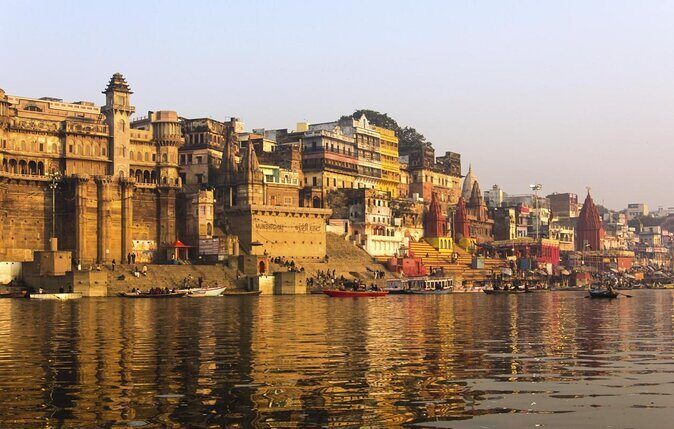
- Sunrise Ganges boat ride plus time at Varanasi ghats and Sarnath
Private Golden Triangle with Khajuraho and Varanasi: why this mix works
The Golden Triangle is the obvious backbone—Delhi, Agra, Jaipur. What makes this tour feel more than just sightseeing is the add-on combo: Khajuraho brings you temple sculpture at a world-famous level, and Varanasi brings you a daily spiritual rhythm that’s hard to recreate anywhere else.
I like the logic of the routing. You see Mughal power and imperial architecture in Delhi, then you shift to Rajput grandeur in Jaipur, then to Mughal love and monument-building in Agra. After that, you get a totally different vibe with carved stone temples in Khajuraho and living river culture in Varanasi.
It’s also built around comfort. Instead of constantly switching modes, you’ll rely on a private car with a chauffeur, plus AC rail segments for the longer jumps. That matters because India rewards good timing—getting from A to B efficiently means more time in the places you came for.
You can also read our reviews of more private tours in New Delhi



Arriving in Delhi: airport pickup, Old Delhi energy, and Mughal landmarks
Day one is the usual gentle landing: you’re met at New Delhi International Airport and transferred to your hotel by air-conditioned vehicle. After check-in, the rest of the day is free for leisure, which is great if you want a quiet first night instead of rushing straight into crowds.
On the main Delhi day, the route gives you two very different experiences in one go. You start in Old Delhi at Chandni Chowk, one of the oldest and busiest market areas. Then you pair it with a taste of Mughal grandeur through stops like Humayun’s Tomb and landmark New Delhi sights such as India Gate and Qutub Minar.
A practical win here is the way you explore Chandni Chowk. You get a rickshaw ride, which helps you cover the tight lanes without doing the whole thing on foot. It’s one of those activities that can feel touristy in other places, but in this setting it actually keeps you moving while you soak up the market chaos.
Delhi also sets you up for the rest of the trip with a quick geographic reset. You’ll see government-central New Delhi landmarks (India Gate, the area around Rashtrapati Bhavan) and then shift back into Old Delhi’s energy. That contrast helps you understand why the same city can feel like two different countries.
Jaipur by jeep safari and palaces: Amer Fort plus the Pink City core
Jaipur is where the trip turns from big monuments to layered royal architecture. After traveling from Delhi, you check into a pre-booked hotel and then spend a full day focused on the city center.
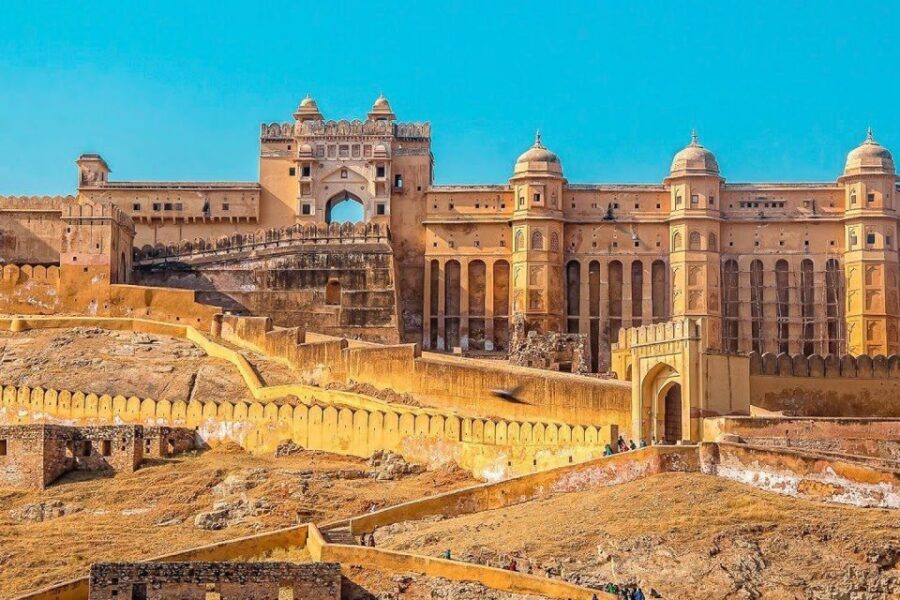
The route starts with the Amer Palace area and the approach is part of the experience: you climb toward the fort via jeep safari. That’s not just for fun—it’s a smart way to manage time and energy in a hill setting, especially if you’re traveling during hotter parts of the year.
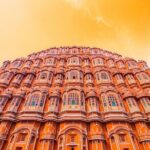
From Amer, the day continues with a calmer visual pause: Jal Mahal, the Water Palace. It’s brief in the plan, but it’s a good reset point between heavier sightseeing stops. Next up is Hawa Mahal, the Palace of Winds, quick to see but iconic enough that you’ll feel like you’re in the Pink City instantly.
Then you get the more lived-in royal angle at City Palace of Jaipur, a complex of courtyards, gardens, and buildings that was once the seat of the Kings. You finish with Jantar Mantar, the astronomical instruments built in the early 1700s, including the world’s largest stone sundial noted in the tour description.
Two practical thoughts for Jaipur:
- This is a day where you’ll want comfortable shoes. Even with car transfers, the palace areas involve walking and stairs.
- If you hate shopping stops, you can still enjoy them—just treat them as short cultural breaks rather than a mission. The tour includes handmade jewels/stone cutting factory time in Jaipur, plus market shopping tours.
Agra and the Taj Mahal: battery van convenience plus a full royal backdrop
Agra is designed as a single strong push. You drive in, check into your hotel, then focus on the big three: the Taj Mahal, Agra Fort, and time that helps frame the Mughal story.
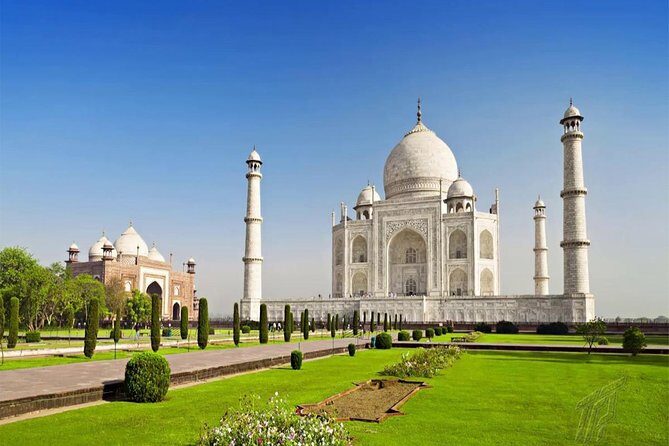
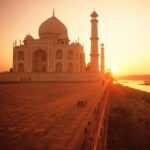
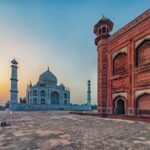
The highlight is, obviously, the Taj Mahal. The tour notes the Taj Mahal is closed every Friday, so if your dates land there, you’ll need either a different schedule or you might have to swap timing with the operator. The tour also includes a battery van ride at the Taj Mahal. That’s a small item that makes a real difference because the grounds are spread out and walking can add up fast.
After Taj Mahal, you move to Agra Fort, built by Emperor Akbar on the Yamuna’s west bank. It dominates the city, and the fort description in the tour plan emphasizes its long outer wall and internal maze-like layout. That’s your cue to expect more than a quick peek—you’ll likely want a little time to read the scene and let your eyes adjust.
One extra element I like in this Agra plan is the marble factory visit. It can be fast and commercial, but it also helps you connect what you see in monuments with the materials behind the scenes. If you’re the kind of traveler who likes learning how things are made, it’s worth paying attention during that stop.
A rail night and an Orchha pause: how the itinerary keeps momentum
One of the smartest logistics choices in this tour is the use of AC rail instead of trying to road-trip every stretch. You’ll take a train ticket for Agra to Jhansi in an air-conditioned coach, and later another rail segment for Khajuraho to Varanasi (also described as air-conditioned). The inclusions also note one night’s accommodation in an overnight train, which helps explain how you cover these distances without losing an entire day to driving.
Along the way, you get a stop at Orchha Fort. Even though Orchha is not in the Golden Triangle, it fits the broader theme of royal power and fort architecture in North India. The plan has this as an en-route visit, so it doesn’t balloon the day.
For you, the main benefit is less transit pain. Instead of spending long hours on the road and arriving worn out, you break the journey with train time and insert one heritage stop that still feels meaningful.





Khajuraho’s Western and Eastern Temple Groups: what to look for
Khajuraho is where the tour takes a sharp artistic turn. You’ll do local sightseeing focused on two temple groupings, not just one.
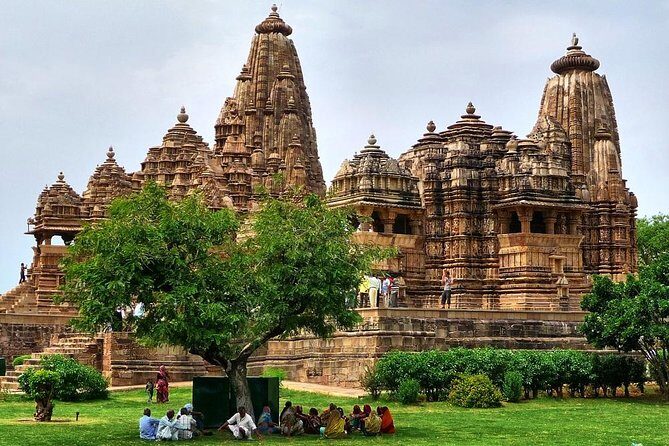
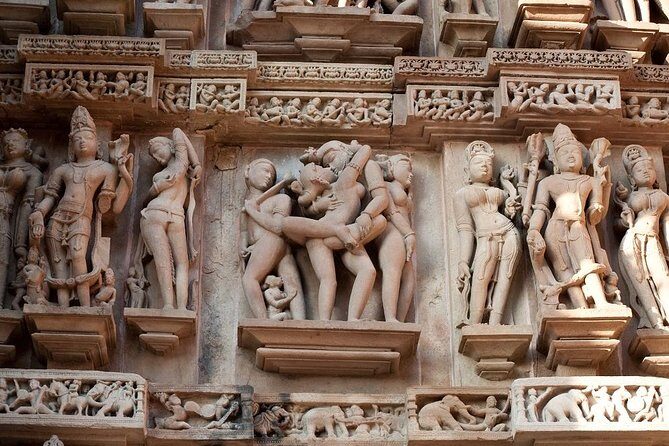
First is the Western Group of Temples, described as comprising 14 gorgeous temples, including names like Matangesvara, Chaunsath Yogini, and Kandariya Mahadeo among others listed in the tour plan. When a site is known for sculpture detail, I find it helps to slow down and use the carvings as your map. Even if you don’t read every inscription, you can still “read” the iconography and the style differences temple to temple.
Then you move to the Eastern Group of Temples, which the tour description splits as a mix: three Hindu temples and four Jain temples. The plan lists examples like Vamana and Javari, and mentions the Parsvanath reference as well. This split matters because it gives you variety in religious design language within the same overall Khajuraho experience.
A practical pacing note: the temples are best with time to look up and down. If you try to rush them, you’ll miss the reason people come here. Also, since Khajuraho is known for close-up stone work and ornamentation, keep your camera ready—but remember the tour data only mentions a note about camera fees at monuments, so it’s worth keeping cash/understanding rules on-site.
Varanasi and Sarnath: ghats, Kashi Vishwanath, and a calmer Buddhist break
Varanasi starts with travel support: you meet the representative at Varanasi railway station, then get transferred to your hotel. After breakfast, the plan includes an excursion to Sarnath, which is described as one of the four holiest places for Buddhists.
Sarnath is a different tempo from Varanasi. The tour plan calls it a quiet and spiritual town with historical Buddhist stupas. So it works well as a mental reset before you return to the busier sacred riverfront life.
Back in Varanasi, the tour then focuses on major religious stops. You visit Kashi Vishwanath Temple on the Ganges’s western bank. The plan describes it as one of the 12 Jyotirlingas dedicated to Lord Shiva, and includes time for the main temple complex visit.
Then you go to the Banaras Ghats, described as a long chain of ghats where pilgrims bathe for spiritual purification. The tour also highlights there are about a hundred ghats in the city, which is a useful detail when you realize you won’t see all of them in one short visit. The point is to experience the riverfront rhythm and understand why the ghats are the heart of daily life.
You also have time for smaller, specific stops in the plan: Bharat Mata Temple, a shrine dedicated to Mother India with a carved relief map; and Alamgir Mosque, a 17th-century Mughal structure built on land that once had a Shiva temple. This pairing helps you see that Varanasi’s sacred geography isn’t single-faith only—it’s layered over time.
Sunrise on the Ganges: boat ride, prayer atmosphere, and getting ready
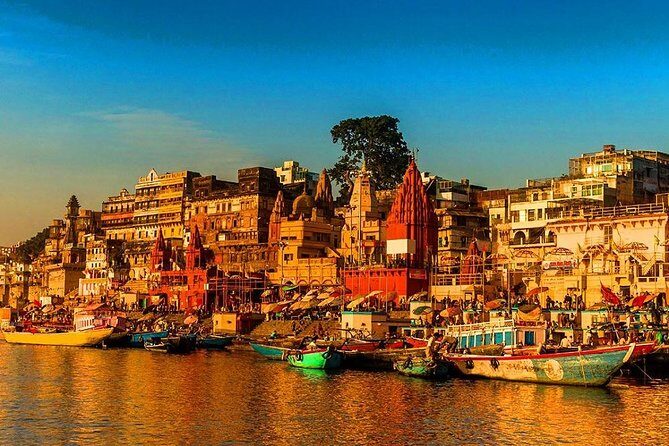
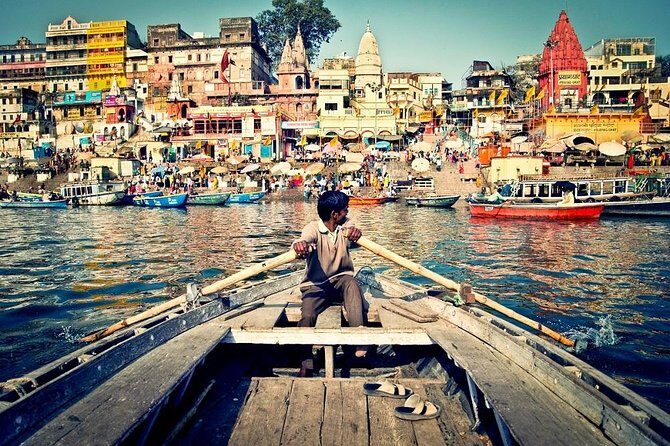
The final day starts early. You begin with a boat ride on the Ganges, and the description is clear that it’s a dawn experience: rise before dawn and step gingerly into the boat as the boatman rows. This is one of the tour’s most memorable inclusions because it changes how you experience the city—before the noise, before crowds, and with the river in a calmer mood.
The tour summary also lists an evening prayer ceremony on the river Ganges as a highlight. The itinerary details show several ghats-focused and temple-focused blocks in Varanasi, so you should expect prayer atmosphere to fit into that broader riverfront time window.
For your planning: dress in layers. Dawn can feel cool even when the day later warms up. And bring something small for personal needs; the tour includes packaged drinking water, but you’ll still want basics handy for an early start.
Money matters: is $683 good value for this 9-day private plan?
At $683 per person for about 9 days, this is not a budget backpacker deal, but it’s also not priced like a luxury show. The value comes from what’s bundled: 7 nights of accommodation, 1 night on an overnight train, a private English-speaking guide in Delhi, Jaipur, Agra, Khajuraho, and Varanasi, and a private chauffeur-driven car throughout.
You’re also getting several experience add-ons that reduce stress:
- Rickshaw ride in Chandni Chowk
- Jeep safari toward Amer Fort
- Battery van ride at the Taj Mahal
- Ganges boat ride
- Factory visits (marble in Agra, handmade jewels/stone cutting in Jaipur)
- Breakfast included (8 breakfasts listed)
The main cost risk is what’s not included: monument entrance fees estimated at $100 per person, plus tips for drivers and guides. If you plan to enter every ticketed viewpoint, that number can creep higher. If you’re willing to prioritize only the core ticketed sites, you can keep it closer to the estimate.
So I’d budget like this:
- Start with the trip price plus the stated entrance fee estimate.
- Add a little extra for tips and any camera fees at monuments (noted in the tour data as possible).
- Expect that shopping stops are optional in spirit, but the tour does include structured market time.
Who should book this tour, and who might prefer something else
This is a strong choice if you want a guided, private route that still feels varied. You like major icons, but you also want the more specific India moments: Khajuraho’s sculpture focus, Sarnath’s calmer historical break, and a Ganges sunrise boat experience.
It fits especially well for:
- First-time India travelers who don’t want to coordinate trains and drivers day by day
- People who prefer English support and clear planning
- Travelers who like comfort touches like rickshaw rides, battery vans, and private transfers
It might not fit as well if:
- You’re ultra price-sensitive and hate paying entrance fees on top
- You prefer fully unscheduled time in each city
- You dislike factory and shopping add-ons (these are part of the tour format)
If you’re flexible and ready for a busy but well-supported schedule, this route can be a satisfying way to see a big chunk of India without living out of a constant taxi shuffle.
Should you book this 9-day private Golden Triangle with Khajuraho and Varanasi?
I’d book it if your dream list includes Delhi’s major landmarks, the Taj Mahal, Jaipur’s royal sights, plus Khajuraho temple carvings and Varanasi’s riverfront life. The private guide support, chauffeur-driven transfers, and the included transport upgrades (rickshaw, jeep safari, battery van, boat ride) add real value beyond the headline destinations.
I wouldn’t book it if your dates fall on a Friday and you can’t adjust for the Taj Mahal closure. Also, go in with your entrance-fee and tip budget ready, because monuments are the one extra that can surprise people.
If you want a clear, guided route that mixes iconic sights with two very different spiritual experiences, this is a solid bet.
FAQ
What’s included in the $683 per person price?
It includes 7 nights of hotel accommodation, 1 night on an overnight train, train tickets (Agra to Jhansi and Khajuraho to Varanasi), a private English-speaking chauffeur and private English-speaking tour guide in Delhi, Jaipur, Agra, Khajuraho, and Varanasi, plus several included experiences like a rickshaw ride, jeep safari, battery van ride at the Taj Mahal, and a Ganges boat ride. Breakfast is also included.
Are entrance fees to monuments included?
No. The tour lists entrance fees to monuments/sightseeing places as not included, with an estimate of $100 per person.
What transportation is used between the cities?
You use a private chauffeur-driven car throughout the tour, and you also travel by air-conditioned train for the segments Agra to Jhansi and Khajuraho to Varanasi.
Does the tour include pickup from the airport or railway station?
Yes. You’ll have traditional welcome and airport transfer at New Delhi International Airport, and you’ll also be met at Varanasi railway station for transfer to the hotel.
Is the Taj Mahal always open?
No. The tour notes that the Taj Mahal is closed every Friday.
What’s special about the Jaipur experience?
You get a jeep safari to climb toward Amer Fort, plus sightseeing across Amber Palace, Jal Mahal, Hawa Mahal, City Palace of Jaipur, and Jantar Mantar.
Is the Ganges boat ride included, and how early is it?
Yes, the tour includes a boat ride on the Ganges, described as a sunrise-style experience where you rise before dawn.
Is this really a private tour?
Yes. The tour is private, and only your group participates.