REVIEW · JAIPUR
3-Days Golden Triangle’s Private Tour
Book on Viator →Operated by India Tours Cabs · Bookable on Viator
Three days. Three cities. One private plan. This 3-day Golden Triangle private tour strings together Delhi, Agra, and Jaipur with pickup and drop-off in Delhi, so you can focus on sights instead of trains and timetables. I like that the itinerary is designed to be customizable, with private transport built in to keep the days moving.
Two things I’d bet you’ll love right away: the guide support (I’ve seen a standout Delhi guide named Suhani praised for being easy to talk to and making the day genuinely fun) and the comfort of private logistics. You also get small-but-useful extras like bottled water, and the service includes fuel, parking fees, and gratuities, which saves you from adding up a bunch of little costs during the trip.
One consideration: the schedule is full. You’ll hit multiple major monuments per day with about 30-minute windows in several Delhi stops, plus long drives between cities. Also, most monument entry tickets are not included, and the tour requires good weather, so you’ll want to stay flexible with expectations.
In This Review
- Key points before you go
- Private car comfort on the Delhi–Agra–Jaipur loop (and why it matters)
- Day 1 in Delhi: Red Fort, Jama Masjid minaret views, Gurudwara Bangla Sahib, and India Gate
- Red Fort (UNESCO) for first-day scale
- Jama Masjid and the minaret climb for wide views
- Gurudwara Bangla Sahib and the story behind the tank
- Swaminarayan Akshardham, plus a timing choice with Humayun’s Tomb
- Qutub Minar and carvings that reward close looking
- India Gate: the war memorial walk to close the day
- Drive to Agra
- The in-between drive: how to plan your energy for Taj Mahal day
- Day 2 in Agra and Fatehpur Sikri: Taj Mahal, Agra Fort, Itmad-ud-Daula, and a Mughal detour
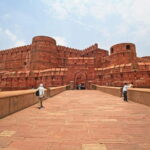
- Agra Fort (UNESCO): where architecture mixes styles
- Itmad-ud-Daula: the so-called Baby Taj
- Fatehpur Sikri stop: a fortified Mughal capital detour
- Drive to Jaipur
- Day 3 in Jaipur: Amber Palace elephant ride, Hawa Mahal, City Palace, Jal Mahal, and market time
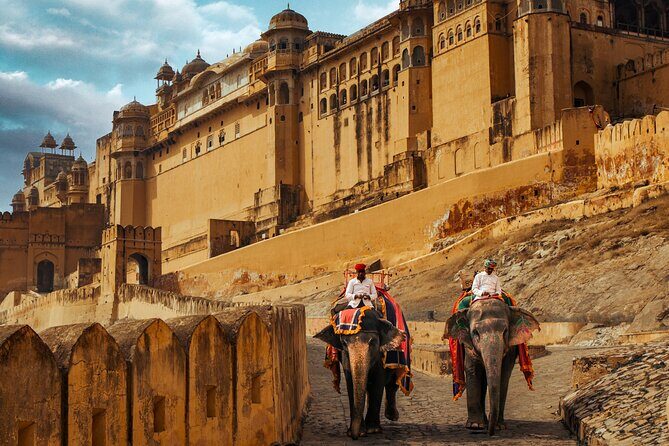
- Amber Palace: fort views plus an elephant ride option in the plan
- Hawa Mahal: the Palace of Winds in a short hit
- Govindam Retreat: a food break with Rajasthan vibes
- City Palace: museums and the living royal setting
- Jal Mahal: the lake-side pause at Man Sagar
- Free time for Johari Bazaar and Bapu Bazaar
- Drive back to Delhi
- Price and value: what $342.64 per person really covers
- Who this Golden Triangle private tour suits best (and who should reconsider)
- Should you book this 3-day private Golden Triangle?
- FAQ
- Which cities are included in the 3-day Golden Triangle tour?
- What’s the pickup area and pickup time window?
- Is transportation private or shared?
- Are monument admission tickets included?
- Are meals included in the price?
- Is accommodation included?
- How long are the drives between cities?
- Is the itinerary customizable?
- Can I cancel for a full refund?
- What if weather is poor?
Key points before you go
- Delhi pickup where you are: choose any start time between 9 AM and 11 AM, from Delhi/Noida/Gurugram/Ghaziabad/Faridabad.
- A guide who communicates well: a guide named Suhani has been specifically praised for making Delhi enjoyable and easy to ask questions about.
- Private door-to-door transport: no buses or trains, with parking and fuel handled.
- UNESCO and iconic sights, fast: Red Fort, Jama Masjid, Qutub Minar, Taj Mahal, Agra Fort, and more in just three days.
- Entry tickets are mostly your extra: many stops list admission as not included, so budget for monument fees.
- Animal rides and stamina check: Amber Palace includes an elephant ride up to the fort entrance, and some stops involve climbing and crowds.
Private car comfort on the Delhi–Agra–Jaipur loop (and why it matters)
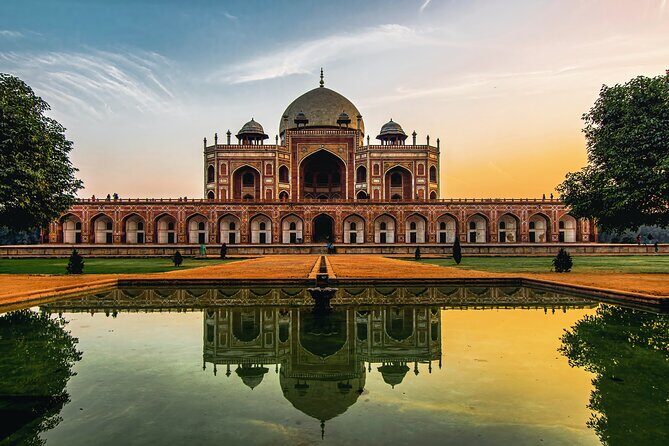
This tour’s big value is simple: you’re traveling by private transportation across the Golden Triangle, not switching between trains, stations, and local bus chaos. That matters in India because the time you save can become actual sightseeing time. It also means you can plan around your own pace when you’re tired, hungry, or just want one extra photo stop.
The car-and-driver setup also tends to reduce friction. The service includes fuel surcharge, parking fees, and gratuities, so you’re not constantly thinking about small payments while you’re trying to enjoy the day. Bottled water is included, which I appreciate because Delhi and Agra can be hot and dusty, and you’ll be walking more than you expect.
One more practical point: it’s a private tour, so only your group participates. That’s great for families and small groups because you’re not stuck waiting for other people’s pace at every monument.
You can also read our reviews of more private tours in Jaipur



Day 1 in Delhi: Red Fort, Jama Masjid minaret views, Gurudwara Bangla Sahib, and India Gate
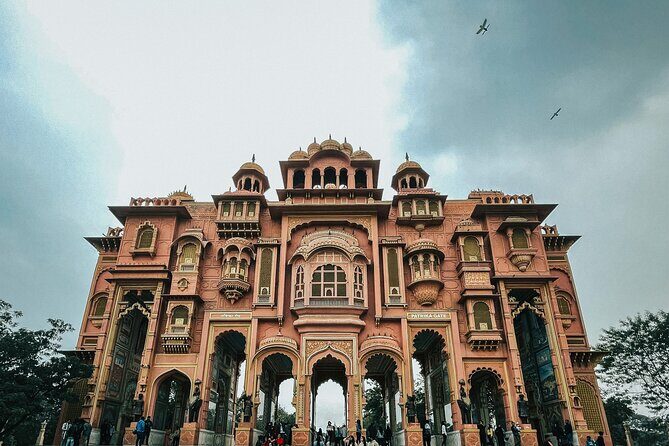
Your day starts with pickup anywhere in Delhi, Noida, Gurugram, Ghaziabad, or Faridabad. You can choose a pickup time between 9 AM and 11 AM, which is nice if you’re adjusting to your hotel location or jet lag.
From there, you’ll move through a tight string of major Delhi highlights, each with a short visit window—often around 30 minutes—so you’ll want to keep your expectations realistic. This is not a slow, sit-and-stretch kind of sightseeing day. It’s a high-impact introduction to North Delhi.
Red Fort (UNESCO) for first-day scale
You’ll start at the Red Fort, a UNESCO World Heritage Site. The goal here is quick orientation: the fort’s architecture, garden area, and the big-picture historical significance. Since entry tickets are not included for this stop, I’d plan to pay the admission separately so you don’t lose time at the gate.
A practical tip: wear something comfortable for walking and take water. Forts sound grand (and they are), but you’ll still be moving—especially if your guide points out key viewpoints.
Jama Masjid and the minaret climb for wide views
Next is Jama Masjid, one of the largest mosques in India. You’ll spend about 30 minutes here, including time to climb the minaret for panoramic views. That’s a real highlight because it gives you a “map in the sky” feeling—how the city spreads out around the monument.
The only caution is physical: a minaret climb means stairs and sun exposure. If anyone in your group has mobility issues, this is worth flagging early so the guide can adjust timing.
Gurudwara Bangla Sahib and the story behind the tank
Then it’s off to Gurudwara Bangla Sahib, where the story is part of the visit. The tour highlights a tradition from 1664, when the eighth Sikh Guru visited a king and people were cured from smallpox and cholera after the Guru distributed water from the tank. Whether you’re religious or just curious, it’s a meaningful cultural stop.
Expect a calmer mood here compared with the busiest streets. It’s also a great place to slow down for a few minutes and reset after the intensity of forts and mosques.




Swaminarayan Akshardham, plus a timing choice with Humayun’s Tomb
After that, you’ll reach Swaminarayan Akshardham, described as one of the biggest Hindu temples. The tour notes it was constructed in 2005, but the architecture gives it an older, layered feel—like it has been there for centuries.
You may also see flexibility built into the plan: there’s mention that you can either visit Humayun Tomb or Akshardham Temple depending on timing. If you care most about one of those, tell the driver/guide early. In a schedule like this, a small swap can protect your priorities.
Qutub Minar and carvings that reward close looking
Next is Qutub Minar, another UNESCO World Heritage Site and known for being the tallest brick minaret built in 1192. You’ll get about 30 minutes, which is enough time to appreciate the carvings and shapes if you don’t rush.
This is also one of the places where a guide can help. In a short visit, you want someone to point out what you should look for, not just say “this is old.”
India Gate: the war memorial walk to close the day
Finally, you’ll end the day at India Gate, a war memorial dedicated to Indian soldiers. It’s a good last stop because the walk feels easy and you can absorb the atmosphere without committing to another climbing-heavy segment.
Drive to Agra
After Delhi sightseeing, the driver heads to Agra and drops you at your hotel. The drive time listed is about 3 hours, so plan for a day that ends with travel rather than a long evening tour.
The in-between drive: how to plan your energy for Taj Mahal day
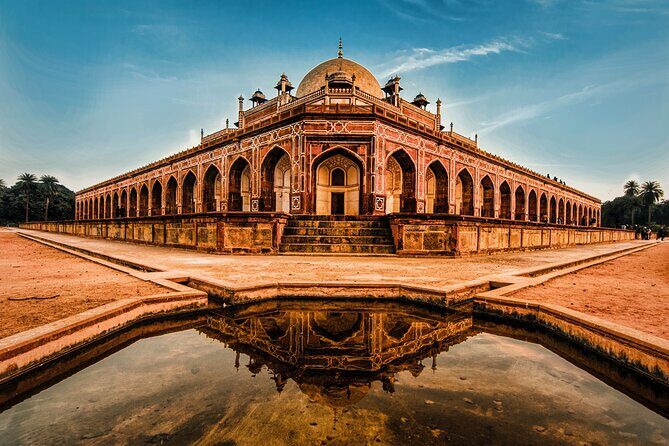
This tour is built around big sights, so Day 2 can feel like a sprint. The Day 1 ride to Agra (about 3 hours) is your buffer. Use that time to hydrate and set up your camera basics, because Taj Mahal photography often means standing still longer than you expect.
Also remember: Taj Mahal entry tickets are not included in the plan. That means you’ll likely want to keep some cash or card ready for monument fees, and arrive with time rather than at the exact last minute.
Day 2 in Agra and Fatehpur Sikri: Taj Mahal, Agra Fort, Itmad-ud-Daula, and a Mughal detour
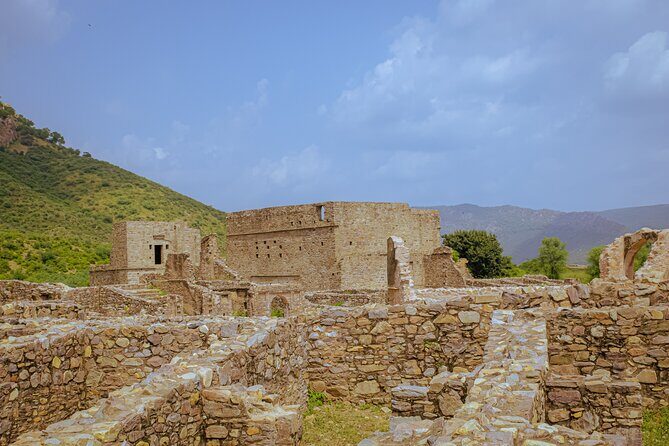
Day 2 starts with Taj Mahal, scheduled for about 3 hours. The plan emphasizes the white marble architecture and the love story behind it. This is the “work of art” stop, and 3 hours is the right kind of length: long enough to see the monument from different angles and notice details, not just do a quick exterior check.
You’ll also be ready to deal with crowds. I’m not going to pretend it’s empty. But if you slow down for a moment and just focus on symmetry and material, you still get the wow factor.
Agra Fort (UNESCO): where architecture mixes styles
After Taj, you’ll visit Agra Fort, another UNESCO World Heritage Site. It’s described as a 17th-century structure with a blend of Indian and Islamic art and architecture. You’ll have about 1 hour here.
This stop works well after Taj because it changes the vibe—from romance and marble to walls, military design, and palace-citadel layout. If you only have short time, focus on structure and layout first, then details.
Itmad-ud-Daula: the so-called Baby Taj
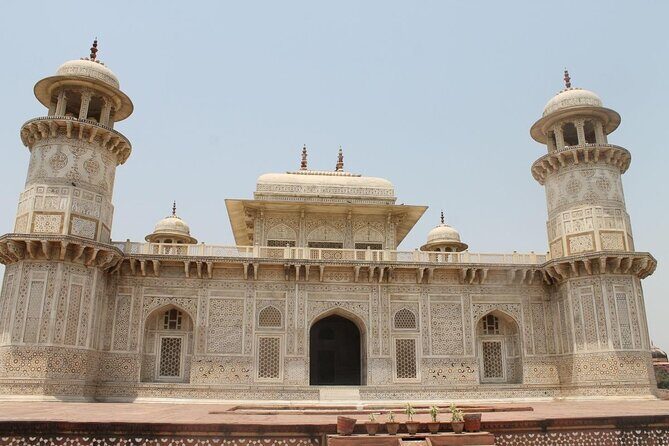
Next is Itmad-ud-Daula, often called the Baby Taj. The tour plan notes it for intricate marble work and gardens around the mausoleum. You’ll get about 1 hour.
If Taj feels too big and overwhelming, this is a helpful counterpoint. Smaller scale can make details easier to spot, especially the way marble patterns catch the light.
Fatehpur Sikri stop: a fortified Mughal capital detour
Then you head toward Jaipur via a stop at Fatehpur Sikri, specifically the Panch Mahal area. The plan describes it as a fortified ancient city about 40 km west of Agra, and it served as the short-lived Mughal capital between 1572 and 1585.
You’ll likely spend about 1 hour at this stop. That’s enough to get the “this was a capital” feeling without turning it into an all-day expedition. It’s also a smart break before you hit Jaipur’s forts and palaces.
Drive to Jaipur
From Fatehpur Sikri, you’ll drive to Jaipur and be dropped at your hotel. The listed drive time is about 3 hours.
Day 3 in Jaipur: Amber Palace elephant ride, Hawa Mahal, City Palace, Jal Mahal, and market time
Day 3 is your Jaipur day, and it’s a mix of grand forts, iconic facades, and slower breaks for food and shopping.
Amber Palace: fort views plus an elephant ride option in the plan
First up is Amber Palace (Amber Fort). You’ll get about 3 hours, which is important because this place isn’t just a door and a photo. You’ll explore the hilltop fortress and take in the architecture and views.
The plan explicitly includes an elephant ride up to the fort entrance. This can be a memorable way to arrive, but it’s also a personal comfort issue for many people. If anyone in your group is uncomfortable with animal rides, ask the guide early if there’s a reasonable alternative. Don’t wait until you’re at the base of the fort.
Hawa Mahal: the Palace of Winds in a short hit
Next is Hawa Mahal, the Palace of Winds. You’ll have about 30 minutes, focusing on the ornate facade and its lattice windows designed so royal ladies could watch street life below.
This stop is ideal for quick, high-impact sightseeing. You’ll see it well even if you don’t have hours to spend.
Govindam Retreat: a food break with Rajasthan vibes
After the monuments, you’ll spend about 1 hour at Govindam Retreat, described as a concept meant to capture Rajasthan’s spirit with a casual dining setup. This is a practical buffer in the day. In a trip like this, you need at least one meal break planned so you’re not searching last minute when everyone is hungry.
City Palace: museums and the living royal setting
Then comes City Palace of Jaipur, the residence of the Jaipur royal family. You’ll spend about 1 hour exploring courtyards, museums, and art and artifacts.
This is the stop where you’ll likely learn the most through guided explanations. Even with limited time, City Palace helps you understand Jaipur as more than just photo backdrops.
Jal Mahal: the lake-side pause at Man Sagar
You’ll also see Jal Mahal, set in the middle of Man Sagar Lake with Rajput-style architecture. The plan gives about 2 hours for this section, which is longer than most other stops on Day 3.
That extra time is helpful because it lets you take a slower look and handle photos without feeling rushed.
Free time for Johari Bazaar and Bapu Bazaar
After the main sights, you’ll get free time for shopping in Jaipur’s markets, including Johari Bazaar and Bapu Bazaar. Keep your energy for this part. Markets are where you can spend money without it feeling like a museum bill.
If shopping isn’t your thing, this can still be useful time to snack, rest, and pick up a few practical items you might want on the rest of your India trip.
Drive back to Delhi
To end the tour, you’ll be driven back to Delhi and dropped off at your preferred location. The listed drive time is about 4 hours.
This is a long final push, so try to keep your last-day plans low-key. Save your energy for dinner and sleep after you arrive.
Price and value: what $342.64 per person really covers
At $342.64 per person, the price is for a private, multi-day logistics plan. You’re not only paying for sightseeing coordination—you’re paying for private transportation and the friction-reducing extras that usually add up fast.
Included items:
- Bottled water
- Fuel surcharge
- Gratuities
- Parking fees
- Private transportation
- If you choose with hotel, meals are provided by the tour option
Not included:
- Any personal requests
- Most monument admission tickets (many stops list admission as not included)
- Meals and accommodation unless you select a with-hotel option (the plan also notes meals and lodging are extra so you can pick what suits you)
So is it good value? For many people, yes—because private cars across three cities are expensive on their own, and fees like fuel, parking, and driver gratuities can be a hassle to track mid-trip. The custom itinerary angle is also a practical plus if you want to adjust the balance between forts, temples, and shopping.
The tradeoff is that you still need to budget for entry tickets and decide how you want to handle meals and hotels. If you want a fully “all-in” experience, you’ll need to confirm exactly what package level you select.
Who this Golden Triangle private tour suits best (and who should reconsider)
This tour fits best if you want three big cities on one trip and you dislike transit stress. It’s also strong for small groups who value private pacing and don’t want to negotiate day-by-day transport.
It may not be ideal if you want long, slow museum time. Delhi alone includes multiple major sites in short windows, and Day 2 and Day 3 are tightly packed too. You’ll be walking, timing, and moving.
Two practical “think twice” moments:
- Amber Palace elephant ride is part of the planned experience. If you’re not comfortable with that, ask about alternatives early.
- The tour requires good weather, so if your travel dates are rainy or unstable, you might need to be flexible.
If your group includes someone who struggles with stairs, plan around the Jama Masjid minaret climb. That’s the one stop explicitly tied to climbing.
Should you book this 3-day private Golden Triangle?
If you want a clean, organized way to see Delhi, Agra, and Jaipur without living on trains, this is a solid choice. The private transport, pickup/drop-off, and included extras like bottled water and covered driver costs reduce daily stress. It also has a strong track record: a 5/5 rating across 69 ratings and 100% recommendation.
I’d book it if:
- You value private logistics over public transport
- You want a guided introduction to major monuments in a short time
- You’re okay paying monument entry tickets and arranging your own hotel/meals level
I’d think twice if:
- You prefer slow travel with lots of downtime
- Your group has mobility limits that could be affected by short-visit crowds and climbing
- You’re aiming for a fully all-in package where admission fees and lodging are already covered
In short: book this when you want maximum Golden Triangle impact with minimal transportation headaches.
FAQ
Which cities are included in the 3-day Golden Triangle tour?
It covers Delhi, Agra, and Jaipur in three days.
What’s the pickup area and pickup time window?
Pickup is available from anywhere in Delhi, Noida, Gurugram, Ghaziabad, and Faridabad. You can choose any pickup time between 9 AM and 11 AM.
Is transportation private or shared?
This is a private tour with private transportation.
Are monument admission tickets included?
Admission tickets are generally not included for most listed monuments. The plan notes some stops as ticket-free, but many major sights list admission as not included.
Are meals included in the price?
Meals are only provided if you select the option that includes hotel (listed as Provide meals if Tours choose With Hotel). Otherwise, meals are extra.
Is accommodation included?
No. Accommodation is listed as extra, so you choose your own lodging option.
How long are the drives between cities?
Delhi to Agra is listed at about 3 hours. Fatehpur Sikri to Jaipur is about 3 hours. Jaipur to Delhi at the end is about 4 hours.
Is the itinerary customizable?
Yes. The private itinerary can be customized to suit your requirements.
Can I cancel for a full refund?
Free cancellation is available up to 24 hours in advance for a full refund. If you cancel less than 24 hours before the start time, you don’t get a refund.
What if weather is poor?
The tour requires good weather. If it’s canceled due to poor weather, you’ll be offered a different date or a full refund.