REVIEW · JAIPUR
2-Day Private Jaipur City Sightseeing Tour with Six Place
Book on Viator →Operated by Momento India Tour · Bookable on Viator
Jaipur clicks into focus with a real guide. This private two-day, six-sight tour strings together lake views, fort lookouts, and Jaipur’s big icons with expert guidance and story-led stops that make the city easier to understand (and easier to enjoy).
What I like most is the way the schedule groups major landmarks in a smooth flow, so you spend less time figuring out logistics and more time looking closely. The second win is interactive, on-site explanations (especially at Jantar Mantar). One thing to plan for: key entry tickets are not included, so your total cost rises once you pay for sites like City Palace and Jaigarh Fort.
In This Review
- Key Highlights You’ll Actually Feel on the Ground
- What This Private Six-Stop Jaipur Tour Really Delivers
- Price and Value: $45.36 Per Person Plus Tickets You Pay Separately
- Day One: Jal Mahal, Jaigarh Fort, and Nahargarh Fort Without the Guesswork
- Jal Mahal: The Lake-Palace Stop That Sets the Mood
- Jaigarh Fort and the Jaivana Cannon: Fort of Victory Comes Alive
- Nahargarh Fort: Big Views, Windy Stairs, and the Aravalli Perspective
- Day Two: Hawa Mahal, Jantar Mantar, and City Palace in One Coherent Route
- Hawa Mahal: The Facade That Was Built for Watching Street Life
- Jantar Mantar UNESCO: When Explanations Make the Instruments Make Sense
- City Palace: Rajput and Mughal Blending You Can Walk Through
- The Real Secret Sauce: Why the Guide Matters Most
- Practical Tips: How to Get the Most From Two Days in Jaipur
- Who This Tour Fits Best (and Who Might Want to Skip It)
- Should You Book This Private Jaipur Tour Plan?
- FAQ
- What’s included in the tour price?
- Is this a private tour?
- What admission fees are not included?
- Where does the tour start and end?
- What time does the tour run?
- Can I cancel and get a refund?
Key Highlights You’ll Actually Feel on the Ground
- Private, air-conditioned transport with bottled water, so your day stays comfortable in the heat.
- Jal Mahal + forts gives you a strong mix of water, architecture, and hilltop views instead of only palace walls.
- Jantar Mantar with hands-on-style guidance, designed to help you understand what you’re seeing before you snap photos.
- Hawa Mahal time with royal context, not just a quick photo stop at the facade.
- City Palace museum visits that connect Rajput and Mughal styles in real rooms, not vague descriptions.
- Guides named Sarfaraz, Vivek, and Piyush are repeatedly praised for patient, professional storytelling.
What This Private Six-Stop Jaipur Tour Really Delivers
This is the kind of tour that helps you get your bearings fast. Jaipur can feel like a lot on your first day—traffic, crowds around the famous buildings, and a steady stream of ticket counters. Here, you’re rolling in an air-conditioned vehicle with a professional guide and bottled water, and the plan is built around six major sights.
You’re not bouncing randomly from place to place. Instead, you get a thoughtful arc: Day One leans toward fort viewpoints and the dramatic lake-at-their-feet moment at Jal Mahal. Day Two pivots to Jaipur’s signature facade (Hawa Mahal), the UNESCO astronomy observatory (Jantar Mantar), and the City Palace complex.
Because it’s private, the pace can be adjusted to your questions. And that matters, since Jaipur rewards attention: there’s symbolism in the stonework, and meaning in the layouts. A guide who explains what you’re looking at turns monuments from background noise into something you can actually connect with.
You can also read our reviews of more city tours in Jaipur


Price and Value: $45.36 Per Person Plus Tickets You Pay Separately
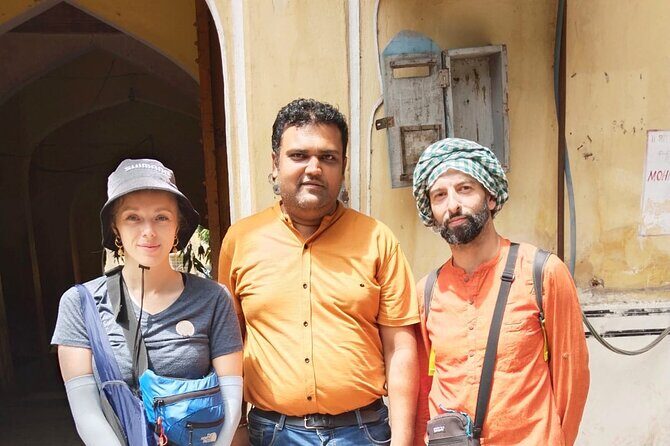
The base price is $45.36 per person for a private two-day tour with pickup offered. That includes:
- Air-conditioned vehicle
- Bottled water
- Professional tour guide
- Fuel charges and parking fee
Then come the extra site entry fees you pay directly. Based on the provided costs, tickets not included total:
- Hawa Mahal: $2.50
- Jantar Mantar: $2.50
- City Palace: $11.46
- Nahargarh Fort: $2.50
- Jaigarh Fort: $8.50
Add those up and you’re looking at roughly $29.46 in admissions per person, for an estimated total around $74.82 per person (before any optional spending). For a private two-day guide + car + parking, that’s solid value if you care about understanding what you see, not only collecting photos.
If you’re a strict budget traveler, you could DIY for less—but you’d likely lose time coordinating routes and you’d miss explanations that make the sites click.
Day One: Jal Mahal, Jaigarh Fort, and Nahargarh Fort Without the Guesswork
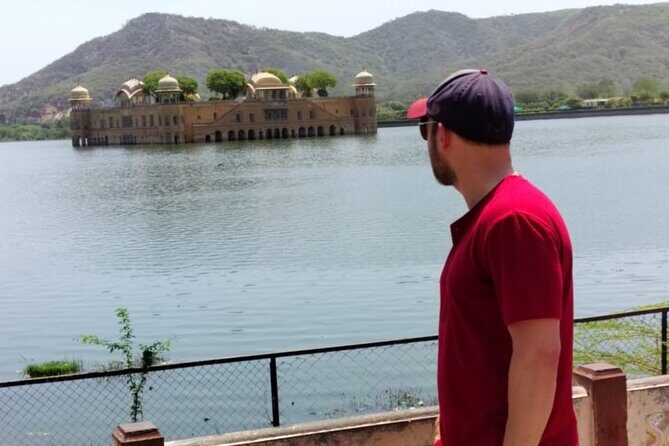
Day One starts with Jal Mahal, a striking palace sitting in Man Sagar Lake. Even from a distance, it’s visually memorable: it looks like it belongs to the landscape even though it’s a man-made statement piece. Your guide’s job here is crucial. Without context, Jal Mahal can feel like a scenic postcard. With context, it becomes part of Jaipur’s water-and-power story—how rulers used resources and views to project control.
From there, you head to Jaigarh Fort, often described as the fort of victory. This is where Jaipur starts to feel like a defense system rather than a set of buildings. Forts can be exhausting if you don’t know what matters—where to look, what was built for defense, and why certain structures are where they are. A good guide keeps it readable.
Then you finish at Nahargarh Fort, perched on the Aravalli Hills. This is your big “look over the Pink City” payoff. The point isn’t just the view; it’s how the view helps you understand why these forts were built where they were. Hills equal sightlines. Sightlines equal strategy.
Practical note: forts and viewpoints usually mean walking on uneven ground and climbing stairs. You’ll enjoy the day more with comfortable shoes.
Jal Mahal: The Lake-Palace Stop That Sets the Mood
Jal Mahal is the kind of stop that makes you pause even if you’re not a “palace person.” The location—inside Man Sagar Lake—creates a surreal effect. It looks partially submerged, which makes it feel both distant and close at the same time.
Here’s the real value of having a guide at Jal Mahal: you’ll get the historical framing so you understand the why, not just the what. And you’ll likely be better positioned to notice architectural details instead of only the reflections in the water.
What to watch for: take a minute to look at how the palace sits relative to the shore and waterline. That spatial relationship is a big part of why Jal Mahal feels dramatic.
Jaigarh Fort and the Jaivana Cannon: Fort of Victory Comes Alive

Jaigarh Fort is known for serious fortifications, and one highlight is Jaivana, described as the world’s largest cannon on wheels. That detail alone is worth the stop, because it forces you to picture military power as something physical and mobile.
Without guidance, forts can turn into a blur of walls and ramps. With guidance, you get a map of meaning. You’ll learn what each fort element was likely meant to do and why the layout matters.
A second reason this stop gets strong marks is focus. The best guides don’t just list facts; they connect them to what you’re seeing—where the cannon would have mattered, what the fort’s design suggests, and how the fort supported the city around it.
Ticket cost: admission isn’t included ($8.50 per person), so if you want to keep things smooth, carry funds for the entry fee.
You can also read our reviews of more private tours in Jaipur





Nahargarh Fort: Big Views, Windy Stairs, and the Aravalli Perspective
Nahargarh Fort sits above the city on the Aravalli Hills. That location is the whole show. You’ll likely get wide panoramic views over Jaipur, which helps you understand the city as a whole rather than a set of separate attractions.
This is also a good stop for photos, but I’d treat photos as a bonus, not the mission. The guide’s storytelling is what turns the view into understanding. You’ll look at the terrain differently once you’ve heard how these forts relate to defense and control.
Consideration: forts often mean sun exposure and wind. Even if the views are worth it, plan for comfort—light layers help, and water is a must.
Day Two: Hawa Mahal, Jantar Mantar, and City Palace in One Coherent Route
Day Two is your classic Jaipur culture-and-architecture day. It starts with Hawa Mahal (Palace of Wind)—the iconic pink honeycomb facade that you see on postcards for a reason. But it’s not only about the exterior. The story is the point.
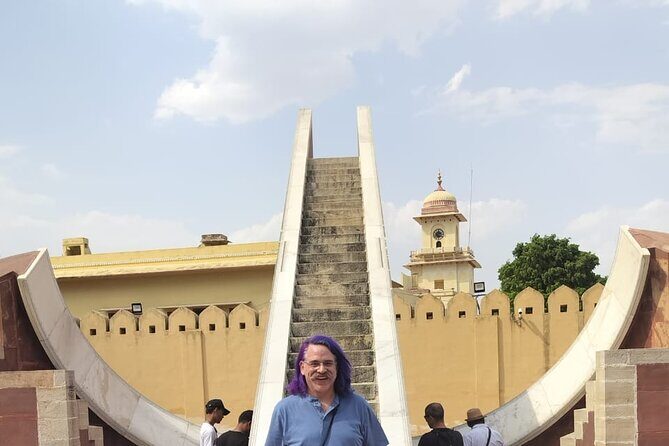
Then you visit Jantar Mantar, the 18th-century astronomical observatory and a UNESCO World Heritage Site. This is one of those places where most people see instruments but don’t know what they’re for. A strong guide can change that quickly.
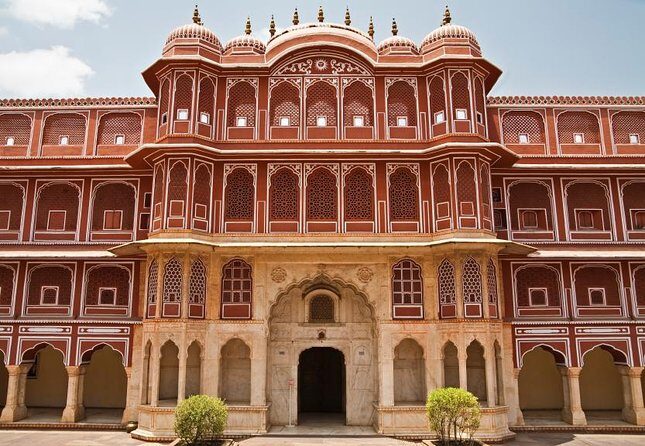
Finally, you end at City Palace, a royal residence and museum that mixes Rajput and Mughal architecture. You get to walk through spaces like Mubarak Mahal and Chandra Mahal, and into halls like Diwan-i-Khas and Diwan-i-Khas is part of the complex’s museum framing. It’s less about one single photo and more about seeing how power and design worked together.
Ticket costs again: Hawa Mahal ($2.50), Jantar Mantar ($2.50), and City Palace ($11.46) are not included, so budget for them.
Hawa Mahal: The Facade That Was Built for Watching Street Life
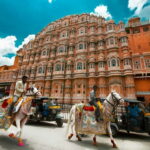
Hawa Mahal’s appeal is instantly visual: a pink, five-story facade with a honeycomb look. The purpose makes it even more interesting. The design is connected to the idea that royal women could observe street festivals without being directly exposed.
That context is exactly what makes the stop better with a guide. The facade stops being decorative and becomes functional—an architectural tool for privacy and observation.
If you’re into photography, this stop is about angles and light. If you’re not, it’s still about understanding how the building’s design served social life. Either way, expect this to be one of the most memorable “icon moments” of the trip.
Admission note: entry fee is not included ($2.50 per person).
Jantar Mantar UNESCO: When Explanations Make the Instruments Make Sense
Jantar Mantar is famous for its collection of architectural instruments used for celestial observations. But you don’t have to be an astronomy nerd to enjoy it. You just need a guide who can explain how the instruments relate to the sky.
This tour includes expert guiding here, and the emphasis is practical: you’ll learn what you’re looking at and why the observatory is UNESCO-worthy. With the right narration, Jantar Mantar becomes a live lesson in measurement and observation rather than a set of oddly shaped structures.
The timing is also good. You see it after Hawa Mahal, so you’ve already learned how architecture served specific purposes—then Jantar Mantar shows another side of design: science as built form.
Ticket cost: $2.50 per person is not included.
City Palace: Rajput and Mughal Blending You Can Walk Through
City Palace is a royal residence and museum complex that showcases Rajput and Mughal architecture. That blend matters because it reflects the overlapping cultural influences that shaped Jaipur’s rulers over time.
You’ll explore key parts of the palace-museum complex, including:
- Mubarak Mahal
- Chandra Mahal
- Rooms and halls such as Diwan-i-Khas and Diwan-i-Aam (both part of the palace’s museum framing)
The best way to enjoy City Palace is to think of it as three layers: architecture, power, and everyday court life. A guide helps you connect features to how people would have lived and governed here.
Ticket cost: City Palace is $11.46 per person, not included.
The Real Secret Sauce: Why the Guide Matters Most
Across the feedback you’re likely to see for this tour style, one pattern shows up again and again: guides who tell the story patiently and clearly. Names like Sarfaraz, Vivek, and Piyush get highlighted for being professional and for making history feel alive instead of just recited.
That’s more than nice customer service. In Jaipur, information changes what you notice. When your guide explains why a fort is placed on a hill, you look at the terrain. When your guide explains how Jantar Mantar instruments connect to the sky, you look at the instruments. When your guide explains the social purpose behind Hawa Mahal’s design, you see function instead of just decoration.
If you’re traveling with kids, this is especially helpful. The sites are big; the guidance turns them into something your group can actually understand in real time.
Practical Tips: How to Get the Most From Two Days in Jaipur
A two-day private tour is efficient, but you still want to travel smart.
Wear comfort first. Fort days usually mean stairs and uneven ground. You’ll enjoy it more with supportive shoes and breathable clothes.
Plan for sun and wind. Jal Mahal and forts can expose you quickly to bright light, heat, or breezes. Keep water close and consider light layers.
Budget for tickets. Since admissions are separate, decide up front whether you want a cash-ready approach. The total admissions you’re likely to pay add up quickly.
Ask one good question early. If you ask your guide early in the tour, you’ll get better answers for the rest. I like to start with something like, Which part of Jaipur should I notice first: architecture, defense, or royal life? The guide can tailor attention from there.
Use photos as a reward, not a race. With sites like Jantar Mantar and City Palace, you’ll get more enjoyment by pausing to listen, then taking fewer, better photos.
Who This Tour Fits Best (and Who Might Want to Skip It)
This private two-day plan is a strong fit if you:
- Want the major Jaipur icons without chaos
- Care about history and context, not just sightseeing
- Prefer a driver-and-guide setup over map-and-transit juggling
- Enjoy asking questions and getting clear answers
You might consider a different style of trip if you:
- Only want quick photo stops
- Are determined to skip entry tickets and view everything from outside
- Have limited flexibility for walking around forts
Should You Book This Private Jaipur Tour Plan?
If you want Jaipur to feel understandable by the end of Day Two, I’d book it. The mix of Jal Mahal, two forts, Hawa Mahal, Jantar Mantar, and City Palace hits the big themes—water, defense, observation, and royal life—without repeating the same type of place.
The biggest reason to choose this tour is the guiding. When your guide explains the why, you stop seeing Jaipur as scattered landmarks and start seeing it as a coherent city with patterns.
Just go in with one expectation: you’ll pay separate entry fees for a few key sites. If you’re okay with that, the value feels fair for a private, two-day, air-conditioned tour that saves you time and turns iconic stops into something you remember.
FAQ
What’s included in the tour price?
The tour price includes an air-conditioned vehicle, bottled water, a professional tour guide, and fuel charges and parking fees.
Is this a private tour?
Yes. This is a private tour/activity, so only your group participates.
What admission fees are not included?
Admission is not included for Hawa Mahal ($2.50 per person), City Palace ($11.46 per person), Jantar Mantar ($2.50 per person), Nahargarh Fort ($2.50 per person), and Jaigarh Fort ($8.50 per person).
Where does the tour start and end?
It starts at Hawa Mahal Rd, Badi Choupad, J.D.A. Market, Kanwar Nagar, Jaipur, Rajasthan 302002, India, and it ends back at the meeting point.
What time does the tour run?
The opening hours listed are Monday–Sunday, 8:00 AM to 12:00 PM (for the activity timing).
Can I cancel and get a refund?
Yes. You can cancel for free up to 24 hours in advance for a full refund. If you cancel less than 24 hours before the start time, the amount paid is not refunded.