A smooth Rajasthan plan saves your energy. This 15-day route uses a private AC car and driver-guide support to connect Delhi, Agra, and the Rajasthan cities without constant re-planning. I like that it keeps you moving between the Mughal highlights and the desert-state forts at a comfortable pace.
I also like the logistics help: hotel/airport pickup and free Wi‑Fi in the car reduce stress from day one. The main drawback to budget for is the trade-off in the pricing: the $1,200 covers the car/driver service, but hotels, meals, tips, and entry fees aren’t included.
In This Review
- Key things to know before you go
- Price and logistics: what $1,200 actually buys
- Day 1 in Delhi: Old Delhi first, not last
- Day 2 Agra: Taj Mahal day, and why you should plan ahead
- Days 3–4 Jaipur: the Pink City and City Palace complex
- Day 5 Pushkar: pilgrimage town time, not rush time
- Days 6–7 Udaipur: Lake Pichola views and royal palaces
- Day 8 Ranakpur Jain Temple: a slower detour with strong payoff
- Days 9–10 Jodhpur: Mehrangarh Fort and the blue city views
- Days 11–12 Jaisalmer: the Golden City in two full days
- Day 13 Bikaner: Junagarh Fort and Karni Mata Temple
- Day 14 Mandawa: a short day with Shekhawati flavor
- Day 15 back in Delhi: finishing where you started
- What your days will feel like on the road
- Tickets, meals, and budgeting without surprises
- Who this trip suits best
- Should you book this Rajasthan and Agra road trip?
- FAQ
- Where does the tour start and what time?
- Does this trip run as a private tour?
- What’s included in the $1,200 per person price?
- What costs extra?
- Is Taj Mahal admission included?
- Is Wi‑Fi available during the drive?
- Can I cancel for a full refund?
Key things to know before you go
- Private door-to-door support: pickup starts at Delhi Airport Terminal 2 (T-3 area) and is designed around hotel pickup/drop-off.
- AC road-trip comfort: car fuel, parking, and mineral water are included, plus free Wi‑Fi on board.
- A real itinerary mix: big sights like the Taj Mahal plus Rajasthan powerhouses such as Jaipur, Udaipur, Jodhpur, Jaisalmer, and Bikaner.
- Some sights need extra tickets: the Taj Mahal admission is not included, so carry funds for at least that.
- Long days by design: many days run around 8–10 hours, so plan for travel-time fatigue.
Price and logistics: what $1,200 actually buys
This is a car + driver-guide style trip. You’re paying for the transportation machine: an AC vehicle, parking, fuel, government taxes, mineral water in the van, and the driver-charge. It also includes English-speaking driver support, plus an Italian tour guide for the Delhi–Agra–Jaipur stretch.
What’s not in the $1,200 is just as important. Hotels, lunch/food, tips, and entry fees aren’t included. The itinerary does note that some days have admission ticket free for the listed stop, but you should still expect to pay on at least one major attraction—Taj Mahal admission is explicitly not included.
If you’re comparing options, this can still be good value. Without this setup, you’d be dealing with transport coordination, safe routing between cities, and time lost to logistics. Here, you’re buying time back.
One more small but real point: the tour runs as a private activity, so you won’t be stuck with random group pacing. You can request a flexible plan, but remember flexibility usually only works smoothly when you communicate clearly about your timing needs.
You can also read our reviews of more guided tours in New Delhi
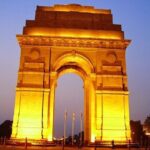

Day 1 in Delhi: Old Delhi first, not last
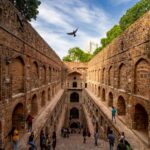
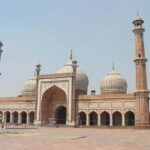
Your day starts in New Delhi, with focus on the older Mughal-era side of the city. You’ll spend about 10 hours in the region around Red Fort and Jama Masjid, then get time at Chandni Chowk, a market lane packed with food carts, sweets shops, and spice stalls.
This first-day approach is smart because it helps you get your bearings early. Delhi can feel chaotic if you arrive and go straight to museums far from the street scene. Here, you start with landmarks you can recognize, and you learn the rhythm of the city.
A practical note: even if ticket costs are listed as free for the planned stop, you’ll still want to budget for casual snacks, bottled drinks, and local shopping. Smart casual dress works well for temple-adjacent areas and for hot-weather walking.
Day 2 Agra: Taj Mahal day, and why you should plan ahead
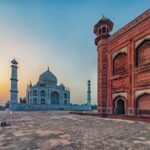
Day two is your Agra connection with the headline being the Taj Mahal. The plan gives you about 2 hours there, and Taj Mahal admission is not included, so that’s the cleanest place to expect a ticket cost.
Why 2 hours can be enough: it’s usually just right for seeing the main views, taking photos, and walking the grounds without feeling rushed. Still, if you’re the type who likes long photo sessions and slow wandering, add extra time on the ground by checking with your driver-guide about how your schedule can breathe.
Also, since this is a road trip, you’ll want comfortable footwear. Agra walks are short but frequent, and heat changes how long you’ll want to stay outside.
Days 3–4 Jaipur: the Pink City and City Palace complex
You hit Jaipur on day three and stay through day four, with multiple long hours in the same core area. Jaipur is described as the Rajasthan capital founded in the 1700s, with the Old City known as the Pink City for its trademark building color.
The itinerary centers on the City Palace complex, a large colonnaded royal residence with gardens, courtyards, and museums. City Palace is one of those places where the layout matters. You’ll get a better experience if you take it in pieces: start with the main complex views, then move through courtyards and indoor sections at your own speed.
What I like about giving Jaipur two days is that Jaipur isn’t only about one monument. Even if your schedule focuses on City Palace, you’ll likely find time for street energy nearby—handicrafts, family-run shops, and small side lanes. The second day gives you room to revisit areas that felt overwhelming on day one, or to shop without feeling like you’re chasing a checklist.
Just a heads-up: entry costs for City Palace are not specified in the itinerary text for those days. Since the price doesn’t include entry fees, plan to pay for tickets if needed once you’re on site.
Day 5 Pushkar: pilgrimage town time, not rush time
Pushkar is a different mood from Jaipur. It’s a Hindu and Sikh pilgrimage center with many temples, and the schedule gives you about 10 hours.
This kind of stop is perfect when you want a break from royal forts and big-city traffic patterns. Pushkar tends to reward slower wandering: temple steps, small streets, and the everyday presence of pilgrims moving through the town.
If you’re sensitive to crowds, go early in the day if your driver-guide can help set the timing. Even then, expect a spiritual bustle. Also, dress matters more than you might think in temple-heavy towns—light layers and respectful coverage keep things easy.

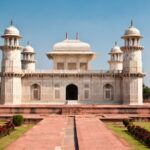


Days 6–7 Udaipur: Lake Pichola views and royal palaces
Udaipur is built around artificial lakes, and the plan spends two days there—about 10 hours on each. The highlight is the City Palace complex overlooking Lake Pichola.
Udaipur is one of those places where details matter: the itinerary specifically calls out intricate peacock mosaics, and City Palace is described as a monumental set of palaces, courtyards, and gardens. This is a good choice for your trip because it’s not just a photo stop. You’ll likely spend time moving through spaces with different light and different vantage points over the lake.
The two-day rhythm also helps you handle weather. Rajasthan can flip from hot to cooler evenings, and Udaipur’s lake views tend to feel better when the light softens. With a second day, you can catch the mood shift without feeling like you missed your chance.
Day 8 Ranakpur Jain Temple: a slower detour with strong payoff
Ranakpur is on the road between Jodhpur and Udaipur, and day eight gives you about 10 hours. The focus is the Ranakpur Jain Temple, located near Desuri and Sadri in the Aravalli region.
Even without a long list of features in the itinerary description, Jain temples like this are known for intricate stone work and a distinct spiritual atmosphere. Here’s the practical value for you: this stop breaks up the bigger-fort and bigger-city blocks. It also gives your eyes a new texture—less marketplace, more sacred architecture.
Because this is still a full travel day, don’t plan anything demanding on arrival night besides dinner and rest. Your time on site will feel better when you’re not already exhausted.
Days 9–10 Jodhpur: Mehrangarh Fort and the blue city views
Jodhpur takes over days nine and ten, both at about 10 hours. The big anchor is Mehrangarh Fort, a 15th-century former palace now functioning as a museum with weapons, paintings, and royal palanquins. The fort sits on a rocky outcrop and overlooks the walled city.
The itinerary also notes the city’s iconic blue buildings, which you’ll see from viewpoints around the fort. This is one of the strongest sequences in the whole trip because it connects architecture to geography. When you understand the fort’s position, Jodhpur starts making sense.
Two days in Jodhpur are useful. The fort alone can take time if you stop for photos and read enough to understand what you’re seeing. And then there’s the outside city energy—short walks, lanes, and viewpoints. With a second day, you can repeat what you liked without feeling rushed.
Keep in mind: Jodhpur can be dry and warm. Plan water intake and take breaks when the sun feels sharp.
Days 11–12 Jaisalmer: the Golden City in two full days
Jaisalmer is your next major jump, with days eleven and twelve both around 10 hours. It’s known as the Golden City for its yellow sandstone architecture, and the itinerary focuses on Jaisalmer Fort, described as a hilltop citadel with 99 bastions.
Behind the fort walls, you’ll also see the Maharaja’s Palace and intricately carved Jain temples. This is where the trip shifts from fort-as-museum into fort-as-living-history. Jaisalmer Fort is a place that tends to feel compact and dramatic—good for photos, and good for understanding how people built for defense and daily life.
Why two days helps: Jaisalmer’s light changes fast. Even if you don’t have separate scheduled stops, you’ll likely enjoy revisiting viewpoints for different lighting and shadows. Also, the drive to and from town areas can add time; the second day lets your schedule absorb that.
Wear dust-friendly clothes if you’re sensitive. The desert atmosphere can kick up grit, even when roads look clean.
Day 13 Bikaner: Junagarh Fort and Karni Mata Temple
Bikaner is a strong contrast: it’s east of the Pakistan border region, surrounded by the Thar Desert. Your schedule gives you about 8 hours and centers on Junagarh Fort.
Junagarh is described as a huge complex of ornate buildings and halls, and it includes the Prachina Museum with traditional textiles and royal portraits. Nearby is the Karni Mata Temple, known for rats considered sacred by Hindu devotees.
This stop is valuable because it adds variety to the fort pattern you’ve already seen in Jodhpur and Jaisalmer. And Karni Mata adds something you don’t usually get on a classic Rajasthan loop: a place where animals are part of the ritual atmosphere, not a side spectacle.
If you’re uncomfortable around animals, I suggest going in with calm expectations rather than trying to force yourself through. Let your driver-guide know your comfort level ahead of time, so they can help you time the visit.
Day 14 Mandawa: a short day with Shekhawati flavor
Mandawa comes in with a shorter schedule, about 4 hours. It’s part of the Shekhawati region, and it’s positioned in Jhunjhunu district.
This kind of “half day” is a gift at the end of an intense road sequence. It gives you time to refresh, stretch, and enjoy a simpler pace after multiple major forts. Mandawa is also a good reminder that Rajasthan isn’t only about the big five cities; regional towns can offer texture and less pressure.
Since the itinerary lists admission ticket free for the planned stop, keep your spending casual—small crafts and snacks are usually the best use of the extra time here.
Day 15 back in Delhi: finishing where you started
On day 15, the tour returns you to New Delhi, ending the trip back at the meeting point. The plan lists a very short activity time (2 minutes), which usually means you’re already wrapped up and just confirming end-of-service logistics.
At this stage, I recommend thinking in two tracks: rest and practical next steps. You’ll likely be ready for a normal meal, a shower, and a real night of sleep. If you have an evening flight or onward plan, double-check your timing with your driver-guide the day before.
What your days will feel like on the road
This itinerary is built around car travel between cities, and your daily time blocks reflect that. Most days are around 10 hours, so you’ll spend real time in transit even when the sightseeing time is shorter (like the Taj Mahal day).
Here’s how to make it work well:
- Keep your day bag light: water, sunscreen, a hat, and a small layer.
- Use the car time: the itinerary includes free Wi‑Fi in the car, so you can catch up on photos, messages, and offline maps if needed.
- Expect heat swings. Even with AC in the vehicle, walking in sun changes how you feel by mid-day.
Also note the service style: it’s private, and it’s built for a road rhythm rather than constant switching of guides. That matters if you want fewer handoffs and fewer “where do we go next?” moments.
Tickets, meals, and budgeting without surprises
The big money surprises on this kind of trip usually come from three places: entry fees, lunch/food, and tips.
From the itinerary details you have:
- Taj Mahal admission isn’t included.
- Entry fees are listed as free for several stops, but that doesn’t mean you won’t encounter other ticketed areas on the ground.
- Lunch is specifically not included, and food and drinks are not included unless specified.
So set a sensible buffer. Even if you eat simply, you’ll want money for water, snacks, and occasional drinks during long driving days. Alcoholic drinks are available to purchase if you’re thinking about that.
If you want to keep costs tight, plan breakfasts and dinners as part of your hotel routine, and treat lunches as a flexible “buy what’s quick and clean” expense while you’re out.
Who this trip suits best
This route fits best if you want:
- A private Rajasthan road trip with reduced logistics stress.
- Major stops across the Golden Triangle style (Delhi–Agra–Jaipur) plus Rajasthan’s fort cities.
- A paced, driver-led plan where you focus on sights rather than navigating transport.
It may feel intense if you hate long car days. You’ll also want to be comfortable paying separate for hotels and entry tickets, because that’s not rolled into the quoted price.
Should you book this Rajasthan and Agra road trip?
I’d book it if you value easy coordination: pickup support, AC car comfort, Wi‑Fi, and a driver-guide setup that keeps you from juggling trains, taxis, and city-to-city transfers. The multi-day stays in Jodhpur, Jaisalmer, and Udaipur also make the trip feel less like a sprint.
I wouldn’t book it blindly if you’re hoping for a fully priced “everything included” package. Since hotels, meals, tips, and entry fees are extra, you’ll need to budget that part yourself (or ask the operator to estimate your lodging and ticket costs).
If you want to choose with confidence, ask upfront about expected ticket costs for your exact entry plans on the days that show ticket-free language, and confirm how your driver-guide handles Taj Mahal timing so you get the most from that 2-hour window.
FAQ
Where does the tour start and what time?
It starts at Indira Gandhi International Airport, Terminal 2 (T-3), Delhi, with a start time of 9:30 am.
Does this trip run as a private tour?
Yes. It’s a private tour/activity, meaning only your group participates.
What’s included in the $1,200 per person price?
The price includes hotel pickup and drop-off (where applicable), travel in an AC car with parking and fuel, an English-speaking driver (and an Italian tour guide for Delhi, Agra, and Jaipur), mineral water in the van, and free Wi‑Fi in the car, along with government taxes.
What costs extra?
Hotels, meals/food, tips, alcoholic drinks, and entry fees are not included. The itinerary also lists lunch as not included.
Is Taj Mahal admission included?
No. Taj Mahal admission ticket is not included.
Is Wi‑Fi available during the drive?
Yes. Free Wi‑Fi is included in the car.
Can I cancel for a full refund?
Yes. Free cancellation is available up to 24 hours in advance for a full refund.