REVIEW · NEW DELHI
15 Days Glimpses of Colorful India
Book on Viator →Operated by Abyss Tours · Bookable on Viator
Color and contrast in two tight weeks. This tour strings together some of India’s most eye-catching sights—from Old Delhi mosques and markets to Varanasi sunrise on the Ganges—while using internal flights to cut driving time between regions.
I especially like how the trip is built for smooth logistics: a private, air-conditioned car with an English-speaking driver for transfers, plus domestic flights in and out of Varanasi, and a mobile ticket setup. I also like the variety of experiences: you’re not stuck only in palaces and forts; you also get temple stops, a block-print craft moment in Jaipur, and the wildlife rhythm of Ranthambore.
The main drawback to weigh is that this is not a slow, spa-style vacation. It’s a packed schedule with sightseeing on most days, and several big sites have entry fees or day-of-week closures that can affect what you see.
In This Review
- Key Things That Make This Tour Worth a Look
- A 15-Day Color Mix: What This Route Really Gives You
- Delhi in Two Acts: Old City Mosques, Spice Markets, and Mughal Icons
- Jaipur’s Photo-First Morning and Fort-Day Reality (Plus Block Print)
- Pushkar: A Sacred Lake Break from the Rush
- Ranthambore National Park Safaris: How the Jeep Schedule Works
- Agra: Taj Mahal Morning Magic and Agra Fort Power
- Varanasi: Ganga Sunrise, Ghats, and Sarnath’s Buddhist Thread
- Flights, Cars, and Time Management: Staying Sane on a Packed Two Weeks
- Price and Value: What $1,000 Covers (and What It Does Not)
- Comfort, Food, and Etiquette Notes You’ll Thank Yourself For
- Should You Book This Glimpses of Colorful India Tour?
- FAQ
- What parts of India does this tour cover?
- Does the price include the Ranthambore jeep safaris?
- Are domestic flights included?
- Is the boat ride in Varanasi included?
- Are entrance tickets for monuments included?
- What is the accommodation like?
- When does this tour not operate?
- What is the group size and meeting point?
Key Things That Make This Tour Worth a Look
- Two Ranthambore jeep safaris (morning and afternoon) with a naturalist guiding your wildlife spotting
- Flights to Varanasi to preserve time, so you’re not spending your days on the road
- Old Delhi mornings at Jama Masjid, Chandni Chowk, and Khari Baoli spice market
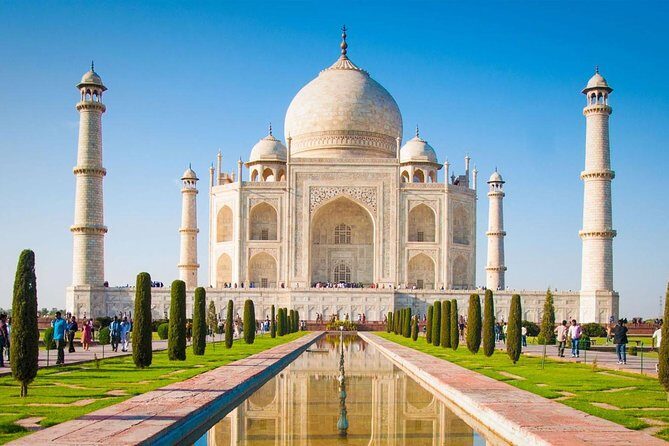
- Agra timing with an early Taj Mahal visit plus Agra Fort the same day
- Varanasi sunrise on the ghats and a boat ride on the Ganges (weather permitting)
- Small group size (max 6), which usually makes the day-to-day feel easier
A 15-Day Color Mix: What This Route Really Gives You
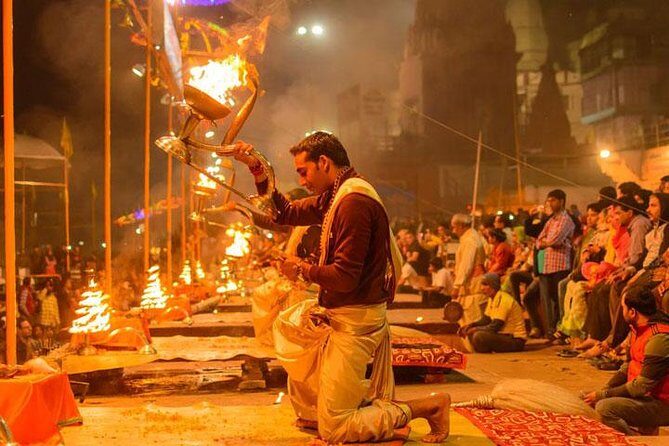
This tour is designed like a sequence of “India chapters.” You start with imperial and market Delhi, shift into Jaipur’s royal-era geometry, pause in Pushkar for sacred lake vibes, then trade city noise for Ranthambore’s animal search. After that comes the Mughal wow factor in Agra, and finally Varanasi—India’s most intense place to watch daily life and religious ritual in motion.
The route is also smart about time. Instead of trying to drive every leg, you fly internally between Delhi and Varanasi, so you get more sightseeing hours and less fatigue. If you’re visiting India for the first time, this kind of structure is a big help for getting your bearings fast.
One thing to keep in mind: you’ll be moving between different “moods” often. That’s the point, but it’s also why pacing matters. If you’re the type who wants long, lazy mornings, you may find the schedule a bit full.
You can also read our reviews of more tours and experiences in New Delhi.



Delhi in Two Acts: Old City Mosques, Spice Markets, and Mughal Icons
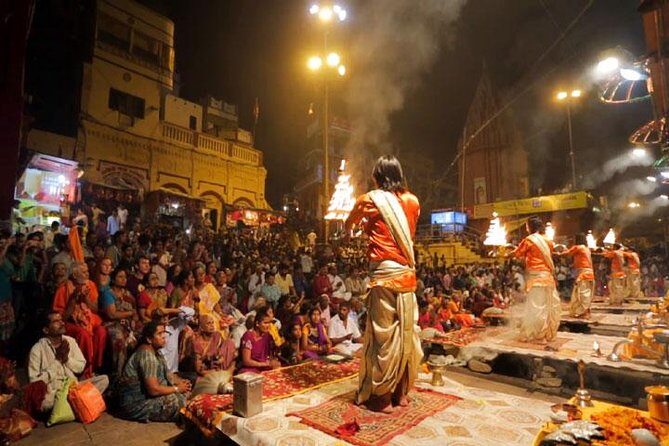
You’ll hit Delhi first from the Old City side, where the energy is immediate. Jama Masjid is the anchor. It’s India’s largest mosque and a real workout climb if you take the towers seriously. You’ll want to dress right—cover your head, legs, and shoulders—because entry can be refused if you don’t meet the modesty rules. The good news: attire is available there if you need it.
Then comes Chandni Chowk, one of the oldest, busiest markets in Old Delhi. It’s wholesale-focused, with a mix of heritage and chaos. The Red Fort is nearby, though it’s closed on Mondays—so your visit day matters. Even if you don’t go inside, the fortress presence is worth registering.
Right after, you’ll slide into Khari Baoli Road, the spice market area. This is where your senses get a workout: colors, sacks, grinding smells, and photo opportunities around every corner. It’s also a great place to slow down and actually look, because the variety is the attraction, not a single landmark.
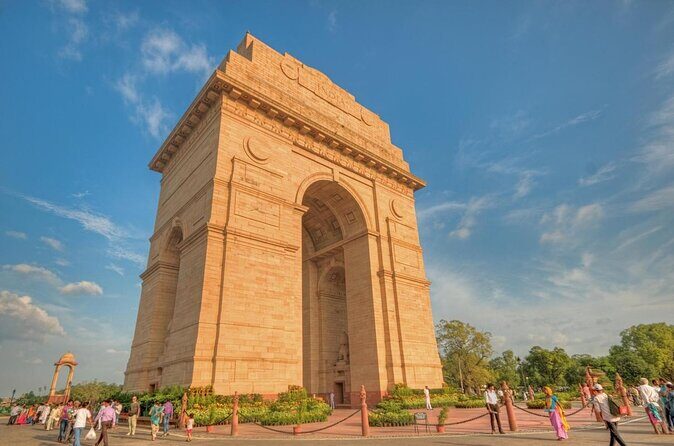
Later, on the back half of the trip, Delhi returns in a different style: Qutub Minar and Humayun’s Tomb for early Indo–Islamic Mughal architecture, plus Lotus Temple, India Gate, and Birla Mandir. Lotus Temple is free to enter, but it’s closed every Monday. So if your timing lands on a Monday, you’ll want to treat it as a “maybe” rather than a sure thing.
Practical takeaway for Delhi: plan on plenty of walking and sudden crowds. Comfortable shoes aren’t optional here.
Jaipur’s Photo-First Morning and Fort-Day Reality (Plus Block Print)
Jaipur starts with a drive from Delhi around 5 to 6 hours, with a coffee break once you clear Delhi. That break matters because Jaipur days are active. Once you arrive, you’ll meet your guide, then get a curated sweep of major stops.
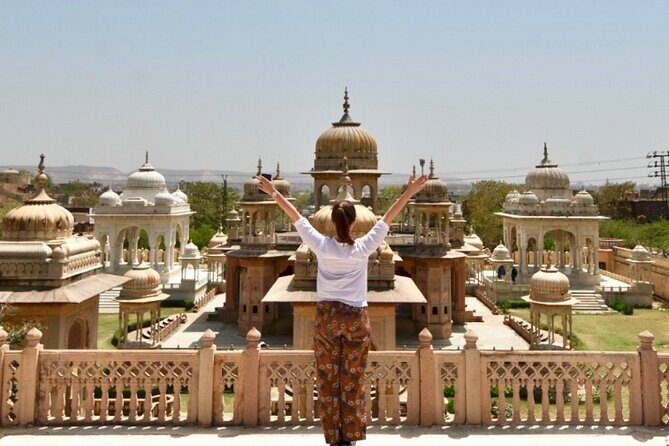
City Palace is a strong opener in the old city. What I like about this stop is the blend of styles—Rajput and Mughal—and the fact it’s more than one photo spot. It includes the seven-storied Chandra Mahal, and it connects you to how power and daily life overlapped in Jaipur.
Jantar Mantar follows. It’s huge masonry built for studying the movement of stars and constellations. The instruments are what you should focus on, not just the idea of astronomy. If you like “how things work,” this is the kind of site that clicks.
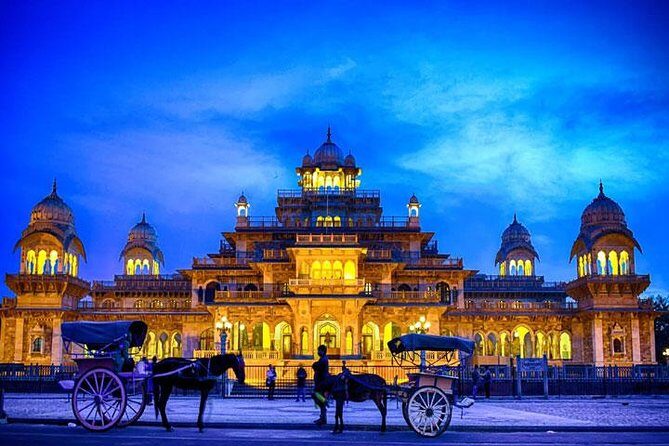
You’ll also get a short photo stop around Albert Hall Museum. The plan here is more of a drive-by because time is tight—so think of it as a glance, not a deep museum day.
One of Jaipur’s best moments is early morning at Hawa Mahal, the Palace of Wind. The tour schedules this for direct sunlight from outside, which is when it looks most striking. You’ll get the classic view and photos of the 152-window façade, built in 1799 for royal ladies to watch street life below. If you’re expecting an all-day museum crawl, this is not that stop—it’s about the view.
Then comes Amer Fort (Amber Palace), the big fort day. This is where you feel the landscape: red sandstone and white marble pavilions, plus a mix of Hindu and Muslim architecture. It’s also the kind of site that rewards slow attention, even if the overall pace is quick.
You also stop for Jal Mahal (a palace on Man Sagar Lake) for photos. There’s construction noted around the area, so your results may vary, but the idea is still good: quick visuals without turning the day into a long detour.
Finally, you’ll include block printing, framed as Jaipur’s unique art stop. That’s a nice balance after all the stone and marble, and it gives you a different kind of cultural souvenir beyond a photo.
Watch-outs in Jaipur: some stops are outside-focused, so heat and crowds can affect comfort. Start early when you can, and bring water even if you think you’re only doing “short stops.”
Pushkar: A Sacred Lake Break from the Rush
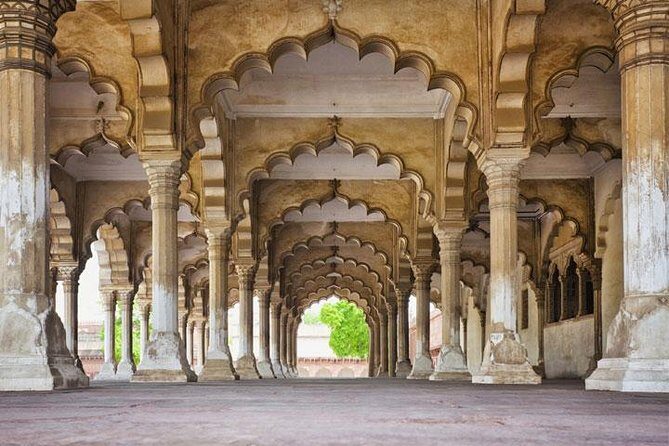
After Jaipur, Pushkar arrives like a breath of different air. You’ll check in, then visit Pushkar Lake, one of India’s most sacred lakes. The lake is surrounded by temples and ghats—steps leading down to the water—and the whole place works as a living religious landscape, not a museum set.
I like that the description of Pushkar includes the legend of lotus petals linked to Lord Brahma. It gives you a mental frame for what you’re seeing. It also explains why a place can feel both scenic and spiritually serious at the same time.
The Brahma Temple is next. It’s the lone Hindu temple in India dedicated to Lord Brahma, with its red spire and stone-and-marble design. This isn’t the kind of visit where you’ll leave thinking about architecture for hours; it’s more about feeling the religious importance and the role of the lake area in pilgrimage life.
Pushkar tends to be a “soft landing” city in this itinerary. It breaks the pattern of huge palaces and big fort days. If you’re traveling in India and you only experience monument-heavy culture, it can blur together. Pushkar helps keep things human and grounded.
Practical note: religious sites often require modest dress and respectful behavior. Even if you’re just there for photos, treat the area like a working place of worship.
Ranthambore National Park Safaris: How the Jeep Schedule Works
Ranthambore is the tour’s wildlife centerpiece, and it’s scheduled the way wildlife-viewing trips should be: early and again in the afternoon. You’ll travel to Ranthambore, check in, then do a morning jeep safari meeting your naturalist. Expect a full morning out in the park area, then breakfast time back at the hotel and a day break.
Later, you meet the naturalist again for a second jeep safari in the afternoon. This “two shots” approach is the value here. One safari is luck-driven. Two safaris give you a better chance of seeing more animals and understanding the rhythms of the park.
The safari is done in sharing jeeps. That matters because you’re not controlling everything—your viewing depends on how the jeep group positions and where wildlife is moving. Still, the naturalist guidance should help you read signs and spot movement faster than you could alone.
There’s also a major seasonal note: this tour is not operating from July to September because Ranthambore National Park is closed during those months. If you’re planning summer travel, you’ll need different dates.
How to set expectations: safari days are exciting, but they also involve waiting. Layers help because mornings and afternoons can feel cooler in open vehicles, even in warm months.





Agra: Taj Mahal Morning Magic and Agra Fort Power
Agra comes in with momentum. On the way, you’ll stop at Chand Baori, a dramatic stepwell said to include 3,500 narrow steps across 13 stories. Even if you only spend about 30 minutes, it’s a great visual contrast after fort walls and city streets—geometry you can walk around and photograph quickly.
Then Agra itself: the Taj Mahal visit is scheduled early morning with a guide. The Taj is the kind of place that you can understand in photos, but you really feel it in person—especially early when the light and crowds can be more manageable. One key detail: Taj Mahal is closed every Friday. So if your Taj day lands on Friday, the tour route would need to adjust.
After the Taj visit, you return for breakfast and a 1-hour rest at the hotel. That reset is smart. Taj days can drain you, and Agra Fort still needs energy later.
Agra Fort is your second major monument of the day. You’ll visit with a guide, and it’s described as the Red Fort of Agra, built as a fortress with palaces and audience halls, plus two mosques. It’s also tied to the story of Shah Jahan being held prisoner there by Aurangazeb. Again, even if you’re not a history superfan, the setting helps you understand power and imprisonment as physical spaces.
Practical note: Agra is hot in many months, and stone absorbs heat. Plan to take shade breaks where you can, even if your schedule moves quickly.
Varanasi: Ganga Sunrise, Ghats, and Sarnath’s Buddhist Thread
This is the part of the trip that feels most unlike the rest. Varanasi is where daily ritual is visible, where you’ll watch people approach faith in practical ways, and where the river acts like a stage.
You’ll fly from Delhi after breakfast and check in after arrival. In the afternoon, you’ll visit Annapoorna Devi Temple, dedicated to the goddess of nourishment. The plan also mentions the Kasi Viswanath temple adjacent to it, separated by only a few yards—so you’re seeing the cluster of related sacred spaces.
The next morning is the big one: a sunrise visit at the Varanasi ghat area with a boat ride on the Ganges. The boat ride is included, but it’s dependent on weather conditions, so don’t assume it’s guaranteed on every day.
This is where you’ll spend time watching pilgrims immerse themselves in the river. If you’re looking for authenticity rather than “just pretty,” this is the heart of the tour.
Later, after breakfast, you visit Sarnath, about 10 km from Varanasi. This is one of the four most important Buddhist pilgrimage places in India, tied to where Buddha first taught after attaining nirvana. You’ll also see the MulagandhakutiVihar area and other temples, including those maintained by monks from Tibet, China, and Japan.
Finally, you’ll visit Banaras Hindu University. It’s described as India’s largest residential university in Asia, founded in 1916, with over 30,000 students on campus. In a city like Varanasi, that’s a useful contrast: spiritual intensity plus academic life.
How to handle Varanasi respectfully: wear modest clothing, keep your pace slow near the water, and treat the ghats like a place of real meaning—not a photo set.
Flights, Cars, and Time Management: Staying Sane on a Packed Two Weeks
This tour uses private air-conditioned cars for transfers and sightseeing. That matters because India’s traffic can feel like a puzzle, and having a driver who knows the flow reduces stress. You also get an English-speaking driver, which helps when you need quick clarifications on timing.
The tour is set up for a maximum of 6 travelers. Small group size makes a difference when schedules are tight, especially on days with multiple stops. It can also make it easier for your guide to manage questions without turning the day into chaos.
Even so, expect travel days. Delhi to Jaipur is 5 to 6 hours by car. The other major transitions are between cities, including a domestic flight to Varanasi. So you’ll still spend meaningful time in transit—just less of it than a road-only itinerary.
One more pacing note: the tour includes short rest blocks at key moments, like the 1-hour rest after Taj Mahal and the hotel break after the morning safari in Ranthambore. Those aren’t luxuries. They’re survival tools.
Price and Value: What $1,000 Covers (and What It Does Not)
At $1,000 per person, the value is strongest when you look at what’s included. You get 3-star accommodations on a double or twin-share basis with bed and breakfast, two domestic internal flights (Delhi to Varanasi and back to Delhi), a boat ride on the Ganges subject to weather, and two sharing jeep safaris in Ranthambore with a naturalist.
Transfers and sightseeing also come with a private air-conditioned car and an English-speaking driver, plus the basics like fuel, road/state taxes, tolls, parking, and driver lodging and food. That’s the kind of package coverage that prevents your budget from leaking out one “small cost” at a time.
What’s not included is equally important. Monument entrance tickets and camera fees are not included where applicable. Lunch and dinner aren’t included unless specified, and tips are not included. There’s also a note about a mandatory gala dinner on Christmas and New Year that’s paid directly at hotels during check-in.
Then there are closures that can affect planned visits: Red Fort is closed Mondays, Taj Mahal is closed Fridays, and Lotus Temple is closed Mondays. If your dates align with these, you may still enjoy the trip, but you might want to expect some substitutions or less time on those specific sites.
My advice on value: if you’re the kind of traveler who budgets entrance tickets separately and you’re okay with a packed itinerary, this price looks fair for the ground covered and the included flights/safaris.
Comfort, Food, and Etiquette Notes You’ll Thank Yourself For
First, the clothes rules. For Jama Masjid, head/shoulders/legs coverage is required, and attire is available there if needed. For temples and religious areas in general, modest dress and respectful behavior are the safer path.
Second, be ready for lots of stairs and standing time. Jama Masjid climb, fort walks, and early ghats visits all mean your legs do real work.
Third, think about heat and hydration. Jaipur, Agra, and Delhi can be demanding depending on season. Even when the itinerary feels like short stops, you can still rack up hours in sun.
On the food side, only breakfast is clearly included. Lunch and dinner are not part of the package unless specified. That means you’ll want to decide in advance whether you’re comfortable choosing meals on your own, or if you’ll treat meals as another planned cost.
Finally, keep your expectations realistic about pace. One review comment noted the trip is not a relaxing holiday. That matches the schedule: you’re out early, you move often, and you’re learning while you go.
Should You Book This Glimpses of Colorful India Tour?
Book it if you want a first-time-friendly route that connects Delhi, Jaipur, Pushkar, Ranthambore, Agra, and Varanasi without trying to drive between every region yourself. You’ll likely appreciate the included flights, the two-safari structure, and the fact that you’re getting both major monuments and day-to-day religious life.
Don’t book it if you’re chasing a slow, downtime-heavy vacation. Also skip it if your travel dates land in July to September, because the tour isn’t operating then due to Ranthambore closure.
If your ideal trip is “see a lot, move smart, and come home with stories,” this one fits.
FAQ
What parts of India does this tour cover?
It covers New Delhi, Jaipur, Pushkar, Ranthambore National Park, Agra, and Varanasi, with internal return domestic flights from Delhi.
Does the price include the Ranthambore jeep safaris?
Yes. It includes two sharing jeep safaris in Ranthambore National Park (morning and afternoon), each with a naturalist.
Are domestic flights included?
Yes. The tour includes two internal flight tickets: Delhi to Varanasi and Varanasi back to Delhi.
Is the boat ride in Varanasi included?
Yes, the boat ride on the River Ganges is included, but it’s subject to available conditions due to weather.
Are entrance tickets for monuments included?
No. Monument entrance tickets and camera fees are not included where applicable.
What is the accommodation like?
You stay in 3-star accommodation in double or twin rooms on a bed and breakfast basis.
When does this tour not operate?
It is not operating from July to September due to Ranthambore National Park being closed during those months.
What is the group size and meeting point?
The maximum group size is 6 travelers. The meeting point is IGI Airport T3 Road, Aerocity, Indira Gandhi International Airport, New Delhi, with a start time of 9:00 am.