REVIEW · NEW DELHI
11 Days Golden Triangle with Khajuraho & Varanasi
Book on Viator →Operated by Ajay Day Tours · Bookable on Viator
Big cities, temple art, and the Ganga in one trip. This 11-day route strings together Delhi, Jaipur, Agra, Khajuraho, and Varanasi, with UNESCO-listed stops, the Taj Mahal, Khajuraho’s famous carvings, and time around the holy River Ganga.
I like the fact that it’s genuinely private—your group sets the pace with a professional guide. I also like the blend: you get world-famous architecture in Agra and a totally different kind of storytelling in Khajuraho.
One real consideration: the trip price does not include monument entry fees (and lunch/dinner), so you’ll want to budget extra cash up front.
In This Review
- Key highlights worth planning around
- Price and logistics: what $600 really means
- Golden Triangle plus Khajuraho and Varanasi: why this combo works
- Your guide and private transport: the quiet superpower
- Delhi: monuments, tombs, and a good warm start
- Jaipur: royal sights without the hard sell
- Agra and the Taj Mahal: the must-see with context
- Khajuraho temples: reading the stone carvings
- Varanasi and the Ganga: a different kind of tourism
- Hotels, breakfasts, and energy budgeting for 11 days
- Should you book this 11-day Golden Triangle with Khajuraho and Varanasi?
- FAQ
- Where does the tour start and end?
- How long is the tour?
- What is the price per person?
- Is private transportation included?
- Is a guide included?
- Are hotels and breakfasts included?
- Are lunch and dinner included?
- Are monument entry fees included?
- Is this a private group tour?
- Can I cancel, and what’s the deadline?
- What kind of travelers can join?
Key highlights worth planning around
- A true private setup with only your group, plus a guide who can tailor your day
- Golden Triangle + Khajuraho + Varanasi so you see multiple “faces” of North India
- UNESCO sites across the route, not just one or two big names
- Hotels and 10 breakfasts included, which makes daily budgeting easier
- Long-distance days may happen, with road travel mentioned as possible for a ~15-hour Delhi–Varanasi stretch
- Ajay Day Tours support, and the company’s communication is a theme in feedback
Price and logistics: what $600 really means
At $600 per person for about 11 days, the value comes from what’s bundled: private transportation, a professional guide, hotels (3, 4, 5 range), and 10 breakfasts. For a route like this, that structure matters. It means you’re paying for an organized flow between cities rather than stitching it together yourself in pieces.
But the trade-off is also clear. Lunch and dinner are not included, and monument entry fees are also not included. That’s normal for tours like this, yet it’s the part people often forget to account for. If you’re the type who likes to pop into every ticketed site, those fees can add up.
Also note the timing detail: the start time is listed as 7:00 am. Early starts are common when you want to avoid peak crowds and get meaningful time in each place. Still, you’ll want to protect your sleep the night before and plan simple meals on your own on travel days.
Finally, the tour is described as customizable. That can be great for comfort and pacing, but it also means you should think ahead about your priorities—history, architecture, temple art, river life, photography, shopping time, all of that. The tour works best when you tell the guide what you’ll actually enjoy.
You can also read our reviews of more tours and experiences in New Delhi.


Golden Triangle plus Khajuraho and Varanasi: why this combo works
The Golden Triangle already gives you a strong “starter pack” of Northern India: Delhi as the layered gateway, Jaipur as the royal city feel, and Agra as the architecture anchor. Then the itinerary stretches outward to Khajuraho, where temple sculpture tells stories in a very direct way, and to Varanasi, where daily life is wrapped around the River Ganga.
That shift is the point. You’re not just collecting famous landmarks. You’re moving between different cultural rhythms:
- Delhi–Jaipur–Agra tends to feel structured, monumental, and grand.
- Khajuraho feels focused on temple symbolism and carved storytelling.
- Varanasi feels lived-in and spiritual, where the river shapes the day-to-day.
One reason I think this is a smart route for first-timers is that it balances spectacle with meaning. You get the obvious hit (the Taj Mahal), but you also get a context-rich stop in Khajuraho—especially if you like art history, religious iconography, and how people express ideas through stone.
The other reason it works is that you’re not stuck doing only one kind of tourism. Even if you’re not a “temples person,” Khajuraho’s carvings are such a known topic that it’s worth seeing for yourself and getting help making sense of what you’re looking at.
Your guide and private transport: the quiet superpower
This tour is built around a professional tour guide and private transportation. That combination sounds standard until you’re actually on the route. In North India, the difference between a rushed day and a smooth day often comes down to small things: timing, where you stop first, how you handle crowd flow, and whether you can ask questions in real time.
The private format also helps with comfort. You’re not sharing your ride or your day with strangers who want a different pace. You’re also more able to build breaks into the day—especially useful if you’re sensitive to heat, want time to regroup, or just prefer slower museum-style visits over constant moving.
The name behind this experience is Ajay Day Tours, and one review highlights Ajay as easy to reach and communicative—even when a traveler’s visa issue pushed the start date back by several days. That kind of responsiveness is a practical quality, not a luxury. It matters most when plans change.
One more detail: the tour is described as meeting start/end in Varanasi, with arrangements that can involve a Delhi connection. That means your “home base” for the overall trip stays consistent, even if your route includes big travel legs.
Delhi: monuments, tombs, and a good warm start
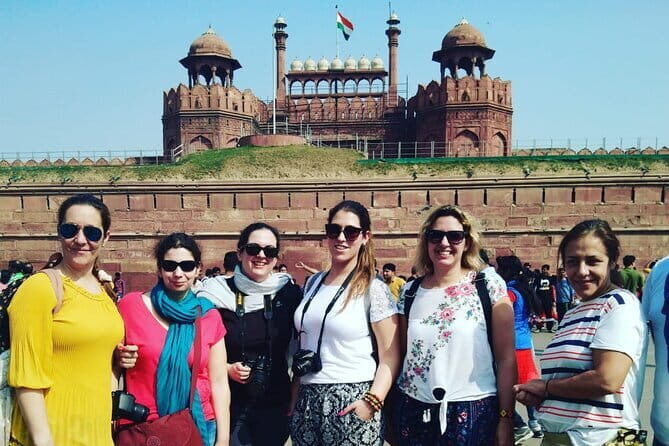
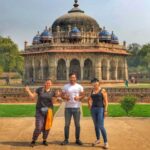
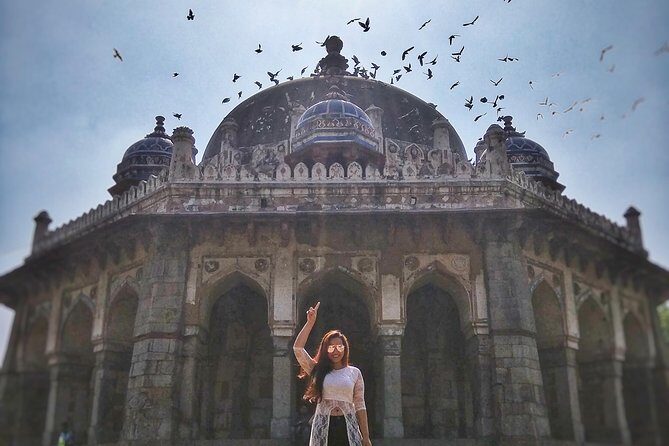
Delhi in this itinerary is the cultural on-ramp. You’re set up to learn Indian culture and history through a mix of palaces, temples, tombs, and other major sights. The tour also calls out numerous UNESCO-listed attractions, which is the main reason Delhi fits early in the trip.
Why start in Delhi? Because Delhi teaches you the “language” you’ll see again and again: layered eras, different architectural styles, and the way religion and power shaped what got built. When you’ve got the guide explaining what you’re seeing, the later stops don’t feel like isolated postcards. They feel connected.
A practical tip for Delhi-type days: you’ll want to carry essentials (water, a small snack, and something for sun protection). Since lunch isn’t included, you’ll want to plan for breaks that keep your energy stable. Also, monument visits can involve walking and waiting—so build time buffers into your mindset even if the day feels organized.
If you’re the kind of traveler who likes photos, Delhi is where you’ll get them—just don’t try to treat it like a sprint. Focus on a few standout sights and use the guide to help you understand the details.
Jaipur: royal sights without the hard sell
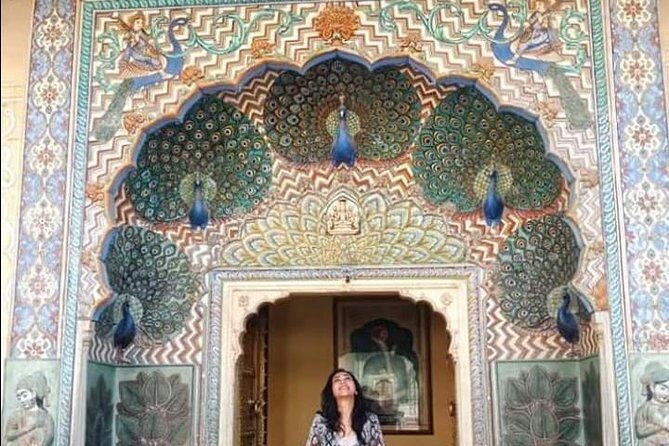
Jaipur gets folded into this route as part of the Golden Triangle. Even though the exact named sights aren’t listed in the information you provided, the tour description makes it clear you’ll see palaces and temples, with history woven into the day rather than tacked on.
What you’re likely to enjoy most in Jaipur is the sense of “designed space”—the way architecture and city planning signal status and storytelling. Jaipur also tends to work well for people who want a mix of cultural learning and visual payoff. When a guide is with you, you can ask why a building is built a certain way and what symbols mean, instead of just collecting names.
One caution: Jaipur days can tempt you into shopping stops or extra side trips. This tour is described as customizable, so it’s a good match if you want control. Still, decide early what you want from Jaipur:
- If you want history-first, say so.
- If you want time to wander, ask for it.
- If you don’t want long pauses, keep that expectation clear.
Private pacing is your advantage here. Use it to avoid turning Jaipur into a checklist.



Agra and the Taj Mahal: the must-see with context
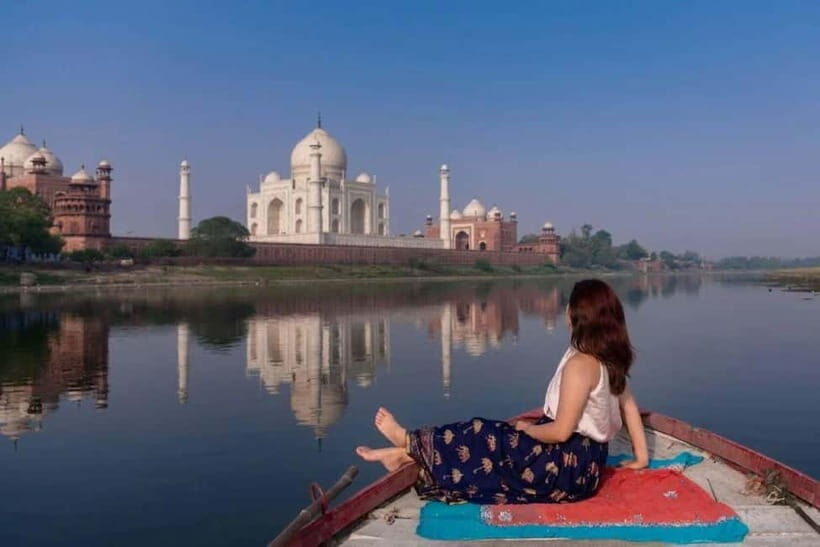
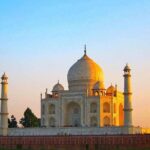
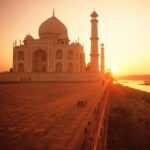
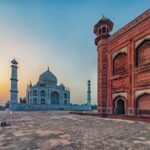
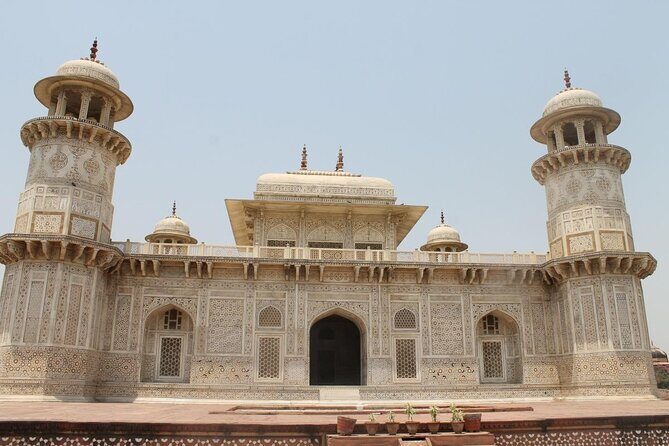
Agra is where the itinerary’s biggest icon shows up: the Taj Mahal. The tour highlights it directly, and that makes sense. The Taj is one of those sights where your expectations can be too high if you don’t have context. With a guide, you’re more likely to appreciate the design choices—materials, symmetry, and the overall planning of how the monument sits in its setting.
Agra also fits the “tombs and history” theme mentioned in the tour description. That matters because it helps you see the Taj not as a standalone object, but as part of a bigger tradition of memorial architecture.
The practical side: Agra can be busy, so your schedule matters. The private vehicle and guide can help you time visits and move efficiently between stops. Still, because monument entry fees aren’t included, you’ll want to budget for tickets so there are no surprises mid-visit. If you’re traveling in a group, you’ll also want one person to manage cash or card payments so the whole day doesn’t stall.
My advice for the Taj visit: don’t rush your viewing. Spend real time looking at details. If you do, the Taj stops being only about the big photograph and becomes about proportion and craftsmanship.
Khajuraho temples: reading the stone carvings
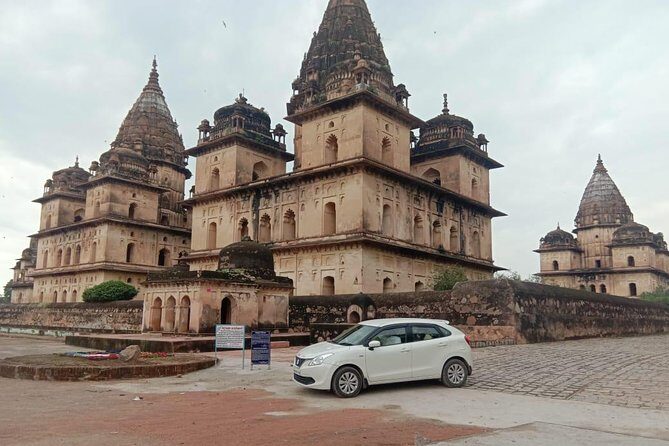
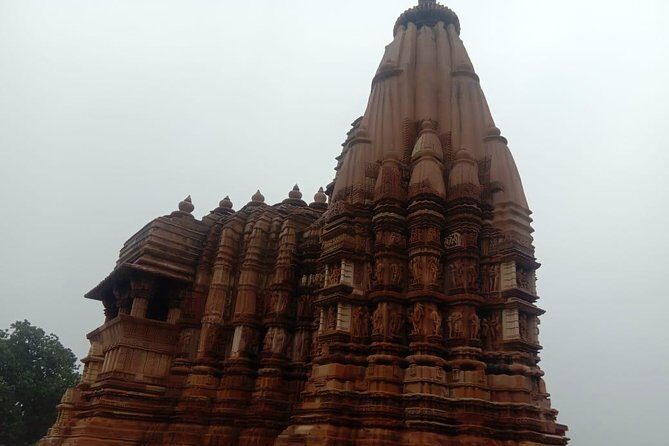
Khajuraho is the itinerary’s artistic curveball, and the reason it’s famous is spelled out in your tour info: the erotic carvings. This isn’t “just shock value.” It’s temple sculpture—part of how people communicated ideas about life, the body, spirituality, and human experience through art.
So if you’re someone who likes to understand meaning, Khajuraho is a great place to slow down. The carvings can feel blunt if you don’t have guidance, but with a professional tour guide, you’ll usually get the context you need to see what the images are doing within a religious and cultural framework.
There’s another angle too. Khajuraho is also known for its standout temple architecture, and the tour description positions it as part of an effort to visit UNESCO-listed attractions. That means you’re not only seeing a controversial topic; you’re seeing world heritage temple design.
Practical note: since lunch/dinner aren’t included, plan to keep Khajuraho days comfortable. Temple visits often involve more walking than people expect, and it’s easier to enjoy the carvings when you’re not constantly chasing energy.
Varanasi and the Ganga: a different kind of tourism
Varanasi is listed as both the start and end point, and that alone tells you it’s not an afterthought. The tour highlights the holy River Ganga, and that’s the heart of why Varanasi feels different from the Golden Triangle.
What I think you’ll find compelling is how the day is shaped by the river’s presence. Even if you’re not deeply religious, the Ganga becomes a kind of living stage: rituals, everyday rhythms, and a city built around water and belief.
Because this tour is described as including palaces, temples, tombs, and natural attractions, you should expect the Varanasi portion to have both cultural and sensory elements. The key is that Varanasi isn’t about one monument you can “finish.” It’s about atmosphere, movement, and meaning—so a guide helps you avoid feeling lost or missing the important cues.
Also watch your expectations. Varanasi can be intense. This is where private pacing helps again. You can move when you want, pause when you need a breather, and ask questions instead of watching everything from a distance.
The tour’s meeting point notes also mention travel arrangements involving Varanasi Airport and the possibility of road travel to Delhi (noted as about 15 hours if driving is possible). That suggests your route may include significant travel time, so it’s smart to plan your energy carefully before and after Varanasi.
Hotels, breakfasts, and energy budgeting for 11 days
Hotels are included in a 3, 4, 5 range, and breakfast is included (10). That’s a useful baseline because you’re not trying to coordinate mornings while traveling between cities. Breakfast coverage also helps you keep the day moving, especially when your sightseeing days can start early.
You’ll still handle lunch and dinner on your own, which gives you freedom—but it also means you should budget time for meals. If you’re hungry and walking, you’ll likely do what most people do: follow the nearest place that looks reasonable. If you want better value, I’d suggest you ask your guide at breakfast what’s practical today. That small step often saves time and keeps you from eating something you didn’t really want.
The information also states the accommodation is near public transportation. That’s not essential for this private setup, but it’s a nice backup if you want to slip out for something small or if you need an easy way to move without waiting on the car for every little errand.
One more reality check for 11 days: this is long enough that you’ll feel the travel rhythm. Choose comfortable clothes, plan for some laundry if you can, and keep your must-see priorities at the front of your mind. Customization is offered, so use it to protect rest days or slower sightseeing windows.
Should you book this 11-day Golden Triangle with Khajuraho and Varanasi?
Book it if you want a private, guide-led route that strings together the big icons (like the Taj Mahal) plus a more unusual cultural stop (Khajuraho’s carved temple art) and a place that’s spiritually tied to the Ganga. At $600, you’re paying for the structure: hotels, breakfasts, private transport, and a professional guide.
You might skip it if you dislike extra costs piling up. Since monument entry fees and lunch/dinner aren’t included, you’ll need to budget for those. And because the plan includes a possible very long road day (noted as up to about 15 hours), it’s not ideal if you’re looking for a low-travel, slow-and-stayput style trip.
If you choose to book, do two things: tell Ajay Day Tours what you care about most (history, temple art, river culture, photos), and set aside money for tickets and meals. That way, the trip stays enjoyable instead of turning into a budgeting exercise.
FAQ
Where does the tour start and end?
The tour starts in Varanasi, Uttar Pradesh, India and ends in Varanasi.
How long is the tour?
It’s 11 days (approx.).
What is the price per person?
The price is listed as $600.00 per person.
Is private transportation included?
Yes. Private transportation is included.
Is a guide included?
Yes. The tour includes a professional tour guide.
Are hotels and breakfasts included?
Yes. Hotels are included (3, 4, 5* range), and breakfast is included 10 times.
Are lunch and dinner included?
No. Lunch and dinner are not included.
Are monument entry fees included?
No. Monument entry fees are not included.
Is this a private group tour?
Yes. It’s described as a private tour/activity, and only your group participates.
Can I cancel, and what’s the deadline?
You can cancel up to 3 days in advance for a full refund.
What kind of travelers can join?
The information says most travelers can participate.
If you want, tell me your group size and whether you prefer history-heavy days or lighter pacing, and I’ll suggest the best way to use the customization part of the tour.