REVIEW · NEW DELHI
07 Days Golden Triangle Tour with Mathura & Vrindavan
Book on Viator →Operated by Abyss Tours · Bookable on Viator
A trip with temples plus marble and forts is a winning mix. I like that you get a private, air-conditioned car for comfortable hopping between Agra, Jaipur, Delhi, and the Krishna country of Mathura and Vrindavan. I also like the add-ons that aren’t just sightseeing—inlay marble in Agra and block printing in Jaipur show you how the craft money is actually made. One thing to plan for: most monument and camera fees are not included, so you’ll want to budget for tickets along the way.
A private setup means you skip the stress of crowded public transport and move at a pace that’s easier on jet-lag. You’ll still see the major sights, but it’s not a sprint the whole time. The only real drawback is that an English-speaking guide isn’t included by default, so if you want commentary at each stop, factor in the extra cost.
In This Review
- Key things that make this tour worth a look
- A Private Golden Triangle Route That Actually Feels Like a Trip
- Price and What You Really Get for $400
- Getting Around Without the Daily Headache (AC Car + Driver)
- Day 1 in Delhi: Airport Meet-and-Greet to Ease You In
- Day 2: Mathura and Vrindavan Temples (Krishna Country Morning Route)
- Day 3: Agra Fort First, Taj Later (Build-Up Day That Works)
- Day 4: Taj Mahal Early Visit Plus Chand Baori Stepwell
- Day 5: Jaipur Highlights—Jantar Mantar, City Palace, Amer Fort, and More
- Day 6: Jaipur to Delhi—A Real Transfer Day
- Day 7: Old and New Delhi in One Day (Jama Masjid, Red Fort, Humayun, Qutub)
- Craft Workshops: Marble Inlay in Agra and Block Printing in Jaipur
- Practical Tips That Keep This Trip Smooth
- Who This Tour Fits Best (And Who Might Want a Different Option)
- Should You Book This 7-Day Private Golden Triangle with Mathura and Vrindavan?
- FAQ
- FAQ
- What’s included in the price for this 7-day tour?
- Are monument entrance fees included?
- Is an English-speaking guide included?
- What happens if my travel date includes a closure day?
- Where does the tour start, and what time does it begin?
- What hotel check-in time should I expect?
- How does the tour handle private transport for different group sizes?
- What if there aren’t two adults in my booking?
- What documents do I need at booking?
Key things that make this tour worth a look
- Mathura + Vrindavan added to the usual Golden Triangle route, so you get more than the photo icons
- Air-conditioned private transport with a driver, so door-to-door logistics feel simpler
- Accommodation included (3-star budget hotels) across all cities, with 6 breakfasts
- Craft workshops are included: marble inlay in Agra and block printing in Jaipur
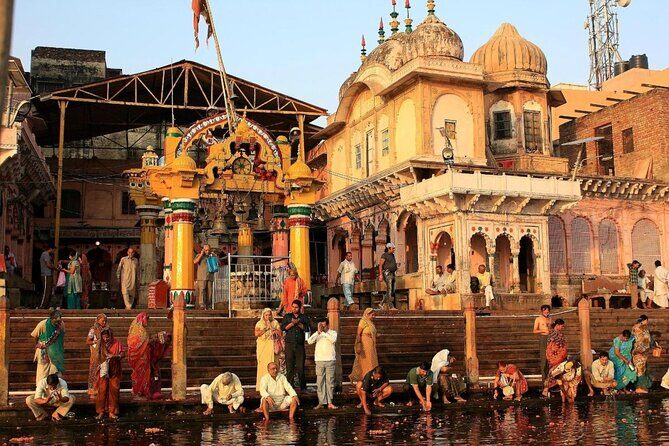
- Temple stops include free-entry options, like Banke Bihari Temple and Prem Mandir
- Tight closure realities are baked in, including Friday for Taj Mahal and Monday for Red Fort and Lotus Temple
A Private Golden Triangle Route That Actually Feels Like a Trip
The Golden Triangle is famous for a reason: you can stack three heavyweight cities—Delhi, Agra, Jaipur—into one itinerary. What makes this version more interesting is the detour into Mathura and Vrindavan, which turns the trip from just palaces and monuments into a more spiritual, local slice of India. If you like your travel with both big landmarks and real daily-life devotion, this blend works.
The private format matters more than you’d think. With an AC vehicle and driver booked for your schedule, you’re not fighting crowds, ticket lines, or confusing connections between cities. You’ll also avoid the constant “where is the bus?” moments that wear down even confident travelers.
I’ll be straight with you: you still need to plan your time around opening days. Some major sites close specific days—Taj Mahal on Fridays, and Red Fort plus Lotus Temple on Mondays. That doesn’t ruin the trip, but it does mean you should go in knowing you might need to adjust which day you see what.
You can also read our reviews of more tours and experiences in New Delhi.



Price and What You Really Get for $400
At $400 per person for about 7 days, this tour is priced like a practical, value-focused package rather than a luxury escape. The big value anchors are: 3-star budget accommodations in all cities, air-conditioned private transport, and breakfast included (6). You’re also covered for fuel, taxes, tolls, parking, and the driver’s food and lodging, which are easy costs to miss when you build your own trip.
On the included experience side, you get two craft stops that aren’t just window dressing: marble work in Agra and block printing in Jaipur. Those pauses give you a break from rushing from monument to monument—and they can help you understand what you’re seeing when you later spot similar designs in palaces and shops.
Where you may spend extra:
- Monument and camera fees at entrances (not included)
- Meals (lunch/dinner aren’t included unless specifically noted)
- Optional English-speaking guide if you want it at $10 per person per city
- Tips and personal shopping (always your call)
If you’re traveling as a couple or small group, the private car can be a strong deal. If you’re solo, the room setup details matter—this tour notes rules for extra bedding and room sharing when there aren’t two adults per room.
Getting Around Without the Daily Headache (AC Car + Driver)
India road travel can be intense, especially if you’re trying to coordinate multiple legs yourself. Here, the tour includes a safe, comfortable air-conditioned private car with driver for your whole plan. That turns “transport” from a logistical problem into part of the sightseeing day.
Vehicle size also changes with group size:
- 1–3 people: Swift Dzire or Etios
- 4–6 people: Toyota Innova
- 7–10 people: Tempo Traveler
This is helpful because it keeps the ride realistic for your group—not everyone squeezed into a car that feels too small for luggage and water bottles.
One small consideration: since this is private, you’re also on your schedule. If you’re the type who likes lots of unplanned stops, you might want to communicate your preferences early—otherwise you’ll stick closely to the driver-and-schedule rhythm the tour follows.
Day 1 in Delhi: Airport Meet-and-Greet to Ease You In
Your first day starts with an arrival meet-and-greet. You land at Delhi airport, then a tour representative handles you and you transfer to the hotel. This is a simple detail, but it matters if you arrive tired, late, or with an exchange line in your future.
You’ll check in and stay overnight in Delhi. Hotel check-in policy is listed as 12 noon for standard rooms, with the note that early arrivals depend on availability. Translation: if you arrive before noon, your room might not be ready, but the tour does handle the basics so you can settle.
Day 2: Mathura and Vrindavan Temples (Krishna Country Morning Route)
Day 2 is where the itinerary starts to feel different from a standard Golden Triangle. After breakfast, you head early to Mathura, then continue into Vrindavan for temple time.
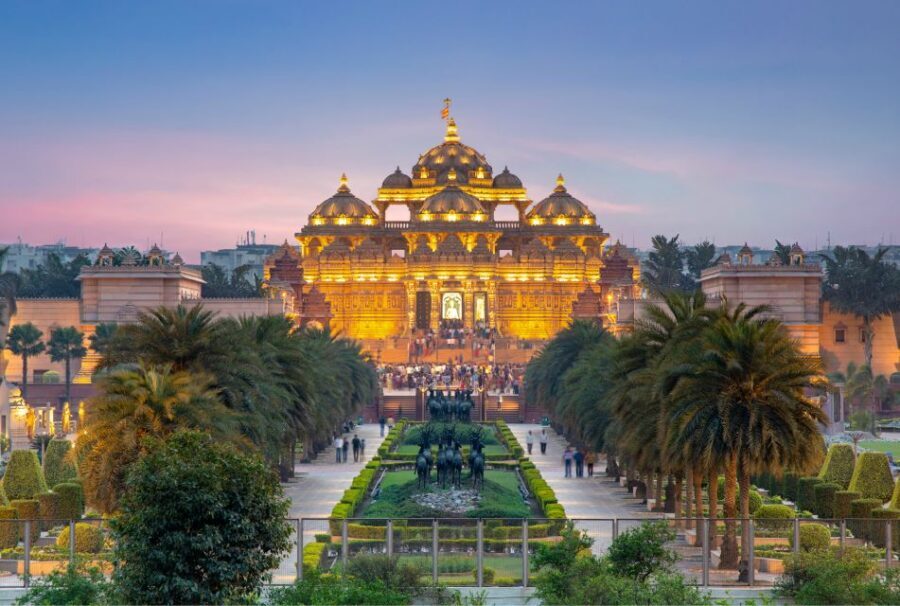
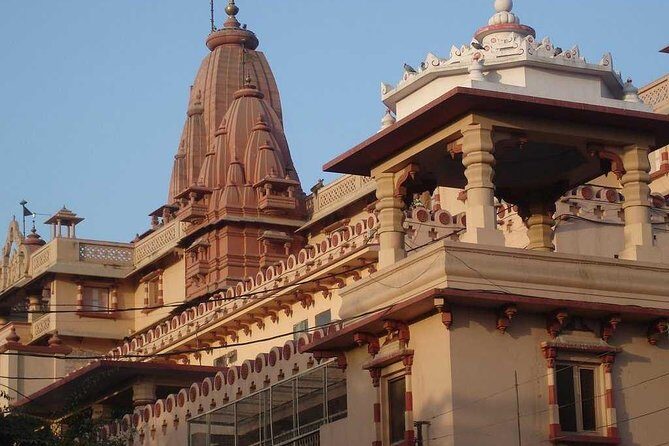
You begin at Shri Krishna Janmasthan, a Krishna birth place temple complex. Admission isn’t included here, so plan for tickets at that stop. The complex is described as a group of Hindu temples, so you’re not looking at a single building—you’re walking through a whole religious area.
Next comes Shri Banke Bihari Temple in Vrindavan. This one is listed as free admission, and it’s a great contrast to the paid sites because it helps you control your overall spending day.
If there’s time, you may also visit Prem Mandir (Shyama Shyam Dham). It’s also free, and it’s maintained by Jagadguru Kripalu Parishat. Prem Mandir is described as a large complex on a 55-acre site, so you’ll likely feel like you’re visiting a designed spiritual campus rather than a quick stop.
A practical tip: temple days move differently. Dress for comfort and modesty, and expect a slower rhythm. This is also a day where you’ll benefit from going early—morning light and fewer crowds tend to make photos and walking easier.



Day 3: Agra Fort First, Taj Later (Build-Up Day That Works)
You leave Delhi for Agra after breakfast. After check-in, you visit Agra Fort. The fort stop is listed as one hour, with admission not included, so it’s a contained chunk of history without burning your whole afternoon.
This is a smart day structure because it keeps you from exhausting yourself before Taj Mahal. Agra Fort also gives you a different flavor than the white marble icon—more fortifications and palace space, less sweeping romance.
One important scheduling note you should take seriously: Taj Mahal is closed every Friday. If your dates land on a Friday, you’ll need to keep the option of seeing it on a neighboring day. The tour plan explicitly flags this, so you won’t be blindsided at the last moment.
Day 4: Taj Mahal Early Visit Plus Chand Baori Stepwell
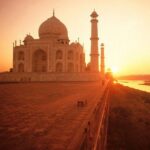
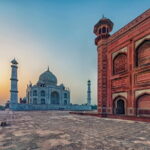
Day 4 starts with a wake up early visit to the Taj Mahal. It’s not listed as included admission, so you’ll plan for entry fees and any camera fees. Still, this is the day you’ll measure your trip by. Even if you’ve seen pictures before, Taj Mahal hits different in person because of scale and precision.
After Taj, the itinerary moves you to Chand Baori in Abhaneri. It’s a stepwell, and it’s described as a notable site in Rajasthan. This stop is shorter—about 30 minutes—so it works as a visual palate cleanser after the heaviness of Taj.
A good way to think about Chand Baori: it’s not “another temple.” It’s architecture designed around water and structure, with levels and geometry that photograph well. You’ll likely appreciate it more if you slow down for a few minutes at the angles where the well lines up.
Day 5: Jaipur Highlights—Jantar Mantar, City Palace, Amer Fort, and More
Jaipur day is big. You’ll do city highlights with multiple stops, plus a few quick photo moments by car.
You start with a drive pass of Hawa Mahal, built in 1799 by Maharaja Sawai Pratap Singh. It’s described as one of Jaipur’s most recognizable monuments, so even from the roadside you’re getting the vibe of the old city skyline.
Then you hit Jantar Mantar, built in the 18th century by Maharaja Sawai Jai Singh II. The listed focus is on the huge masonry instruments used to study star and constellation movement. If you like science-meets-history, you’ll enjoy seeing how people measured the sky before modern tools.
Next is City Palace, positioned in the heart of the old city and described as a blend of Rajput and Mughal architecture. You also have Chandra Mahal inside, which is a central piece in the layout.
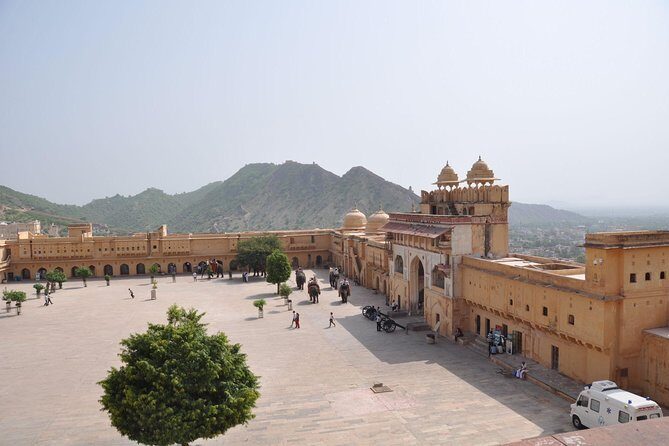
After that, you visit Amber Palace (Amer Fort). The tour notes it sits above craggy hills and is known for both grandeur and surroundings, not just the buildings. This is one of the heavier walking stops in the day, so wear comfortable shoes.
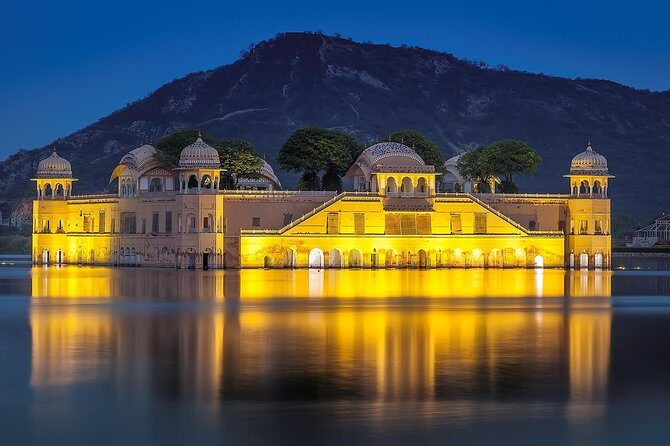
You’ll also get a quick photo stop at Jal Mahal on the way back from Amber Fort. It’s a small palace set in the middle of Man Sagar Lake, and the itinerary notes renovation around the lake is in progress. The stop is about 15 minutes, so go with the mindset of grab your best shots and keep moving.
Finally, you get a drive pass at Albert Hall Museum in Ram Niwas Garden. It’s described as founded in 1876 by Prince Albert.
The rhythm challenge on this day is simple: it’s a lot of history in one sequence. If you get tired, don’t fight it—take the short breaks seriously, hydrate, and let the car time reset you.
Day 6: Jaipur to Delhi—A Real Transfer Day
Day 6 keeps it practical. After breakfast in Jaipur, you check out and travel back to Delhi. Once you arrive, you check in and stay overnight.
This transfer day can feel like a breather compared with the packed city day before it. It’s also a good time to regroup if you’re carrying lots of entrance ticket costs and want to keep track of receipts for your own records.
Day 7: Old and New Delhi in One Day (Jama Masjid, Red Fort, Humayun, Qutub)
Your final day focuses on Delhi’s major historic sites across old and newer sections.
Start with Jama Masjid, the largest mosque in India, and it’s listed as free admission. That alone can save money and time, since you’re not adding paid entry fees into your final budget crunch.
Next is Red Fort, a major Mughal-era monument built in 1638, with admission not included. The plan flags that Red Fort is closed on Mondays, so if your trip hits Monday, it’s likely you’ll either skip or the schedule would have already accounted for it.
You’ll also pass by India Gate, described as a war memorial built in memory of Indian soldiers who lost their lives fighting for the British Army in World War I. Even a drive-by is worth it because it helps you place the historic monuments in relation to modern Delhi.
Then come Humayun’s Tomb, built in 1570. The itinerary notes it resembles Taj Mahal and is considered an inspiration for its creation, which gives you a nice “compare and connect” moment across cities.
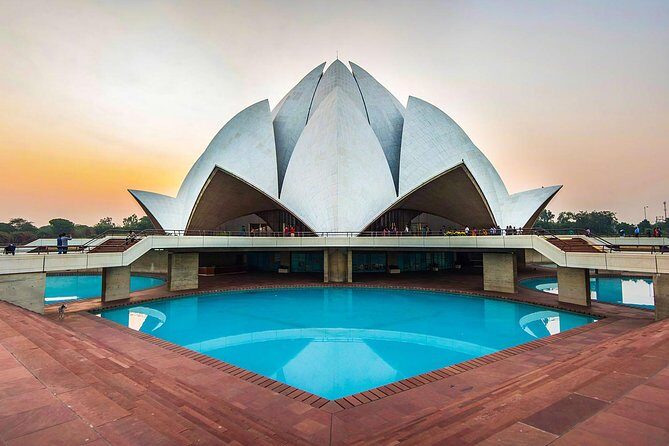
You may do a drive pass through Lotus Temple, also called the Bahai Temple, shaped like a lotus and noted as prettier at night when lit up. The schedule flags Lotus Temple closed on Mondays, so again, closures matter.
Finally, you visit Qutub Minar, described as the tallest brick minaret in the world and built in 1206. The reason it was built remains a mystery, though some believe it signified victory. It’s also listed as about a one-hour stop, giving you enough time to take in the details without feeling rushed.
Craft Workshops: Marble Inlay in Agra and Block Printing in Jaipur
These workshop stops are quietly one of the best parts of the tour value. They break the “see, take photo, leave” pattern and replace it with a short look at how artisans work.
In Agra, you get a free visit at a famous inlay marble workshop. In Jaipur, you get a free visit at a famous block printing workshop. The tour doesn’t spell out what you’ll make or take home, but the intent is clear: you’re watching a craft process rather than just browsing a showroom.
Why this matters for you:
- You’ll understand what you’re paying for if you later shop.
- You’ll see the skill level behind decorative items you might otherwise treat as souvenirs.
- It gives you an indoor option when the sun is harsh.
One reminder: since these are free visits, don’t confuse that with everything being free. You may still encounter opportunities to purchase. If you hate high-pressure shopping, set a budget in your head before you walk in.
Practical Tips That Keep This Trip Smooth
Here are the real-world factors that can make or break your day:
Tickets and camera fees add up. The tour lists monument and camera fees as not included. You’ll want cash or card ready, and a rough estimate of what each major sight might cost.
Bring umbrellas in rainy season. The tour explicitly suggests keeping umbrellas or raincoats if you travel during July–August.
Start time is early. The tour starts at 8:00 am. That’s normal for India day tours, but it means you should plan a relaxed evening before you start.
Optional English guide costs extra. An English-speaking guide can be arranged for $10 per person per city. If you want guided commentary inside museums and temple complexes, don’t assume it’s included.
Room setup depends on your group size. The tour notes extra-bed rules for 1–3 adults sharing, and specific room arrangements when there are 5 people. If you care about bed type or privacy, confirm how rooms will be configured.
Passport info is required at booking. The data says you’ll need your passport for email to the provider.
Who This Tour Fits Best (And Who Might Want a Different Option)
This is a strong match if you:
- Want a private Golden Triangle without fighting buses
- Prefer air-conditioned transport and planned stops
- Like temple culture alongside the big monuments
- Want craft workshop visits included, not optional side trips
It might be less ideal if you:
- Don’t want to pay extra for monument entrances
- Rely heavily on a detailed English guide at every stop (since it’s not included by default)
- Prefer fewer moves and slower days—this route packs a lot into seven days
If you’re comfortable with early starts and ticket budgeting, you’ll likely feel like the schedule is efficient rather than exhausting.
Should You Book This 7-Day Private Golden Triangle with Mathura and Vrindavan?
I’d book it if you want the best of India’s landmark circuit and the Krishna belt without doing separate planning. The private AC car, 3-star hotels, 6 breakfasts, and two craft workshops make it feel like more than just a “drive-by highlights” tour. If you come prepared for entry fees and you’re okay adding an English guide when you want it, this package looks like solid value.
If you hate surprise costs, make sure you budget for monument and camera fees before you go. Also, check your calendar for Friday and Monday closures so you don’t lose track of the Taj and Red Fort/Lotus dates.
FAQ
FAQ
What’s included in the price for this 7-day tour?
The tour includes an air-conditioned private car with driver, 3-star budget accommodation in all cities, fuel/road/state taxes/tolls/parking, driver’s food and lodging, free visits to an inlay marble workshop in Agra and a block printing workshop in Jaipur, and 6 breakfasts. Monument and camera fees, plus meals like lunch and dinner, are not included unless specified.
Are monument entrance fees included?
No. The tour specifically lists monuments and camera fee entry costs as not included, and you’ll pay at the entrances as applicable.
Is an English-speaking guide included?
An English-speaking guide is not included by default. The data says an English-speaking guide can be arranged for an extra cost of 10 USD per person per city.
What happens if my travel date includes a closure day?
Taj Mahal is closed every Friday, so your visit may need to be kept for the day before or after. Red Fort and Lotus Temple are closed every Monday.
Where does the tour start, and what time does it begin?
It starts in New Delhi, India, at 8:00 am, with the activity starting and ending back at the meeting point.
What hotel check-in time should I expect?
Hotel check-in policy is listed as 12 noon. If your arrival flight comes early, your room may be subject to availability until that time.
How does the tour handle private transport for different group sizes?
The car type depends on group size: Swift Dzire or Etios for 1–3 people, Toyota Innova for 4–6 people, and Tempo Traveler for 7–10 people.
What if there aren’t two adults in my booking?
The tour notes rules for room sharing when adults count is low (extra bed/triple sharing for 1–3 adults) and specific arrangements for 5 people (two double rooms with one extra bed). The exact setup depends on your group.
What documents do I need at booking?
The tour data says a passport is required for all travelers to email during booking.