REVIEW · UDAIPUR
Visit Chittorgarh Fort with Pushkar Drop from Udaipur.
Book on GetYourGuide →Operated by Jee Tours · Bookable on GetYourGuide
Fort walls tell dramatic stories.
This one-day drive from Udaipur to Chittorgarh Fort pairs a comfortable, private ride with a focused guided visit to India’s largest fort, built for real sieges and big emotions. I especially like the way the tour connects the big legends to what you see on the hill, and the clear targets like Vijaya Stambha (Tower of Victory) and the Kirti Stambha. One thing to consider: entrance fees and food aren’t included, so you’ll need to budget extra once you’re there.
You also get a clean end point: you don’t just turn around and go back to Udaipur. The plan finishes with a drop-off in Pushkar, which makes the day feel useful instead of rushed. The main possible drawback is timing and logistics around pickup in older parts of Udaipur—cars can’t always reach narrow lanes, so you may meet your driver at the closest accessible spot.
In This Review
- Key highlights to look for
- A 1-day Chittorgarh Fort plan: Udaipur to Pushkar
- The drive: why private transport helps on this route
- Chittorgarh Fort UNESCO: what you’ll actually see and why it matters
- The hilltop setting changes the pace
- Rani Padmini, Jauhar, and the Padmini Palace area
- Vijaya Stambha: the Tower of Victory at Chittorgarh
- Kirti Stambha: the Tower of Fame and its Jain connection
- Meerabai and the Rana Kumbha Palace area inside the fort
- Lunch break: how to plan it since food isn’t included
- Price and value: what $54 really buys you
- Who this day trip suits best
- Tips to make your day easier (and smoother)
- Should you book this Pushkar Drop from Udaipur?
- FAQ
- What is included in the private transportation from Udaipur?
- Is a guide included for Chittorgarh Fort?
- Are entrance fees included for Chittorgarh Fort?
- Is lunch included in the day trip?
- Where do you get picked up and where do you end?
- What sites are the highlights inside Chittorgarh Fort?
- What if the car can’t reach my exact pickup spot in Udaipur?
Key highlights to look for
- A guided Chittorgarh Fort tour that ties UNESCO sites to the siege story of 1303
- Padmini-linked stops, including the Padmini Palace area near the fort
- Two famous commemorative towers: Vijaya Stambha and Kirti Stambha
- Meerabai connection inside the fort, via the Rana Kumbha Palace area
- Private, air-conditioned transport with tolls, parking, fuel and driver allowance included
- Skip the ticket line, but entrance charges are still separate
A 1-day Chittorgarh Fort plan: Udaipur to Pushkar
This day trip works best if you want something meaningful but don’t want to turn it into a two-day logistics puzzle. You start from your pickup point in Udaipur, ride to Chittorgarh, tour the fort for about 3.5 hours, take a 1-hour lunch break, then end with a drop in Pushkar.
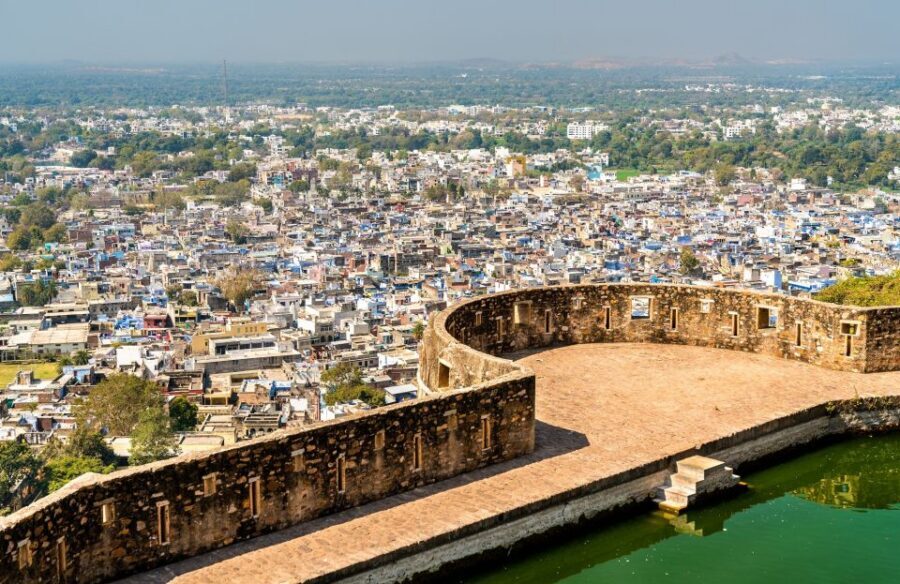
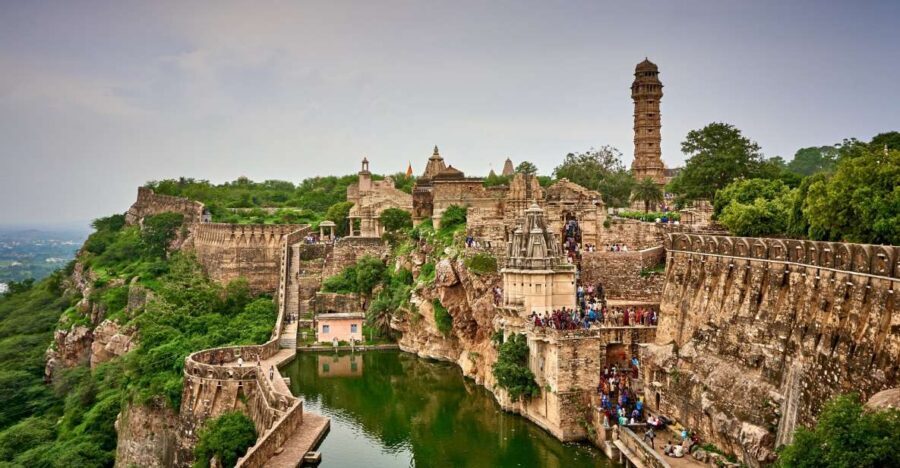
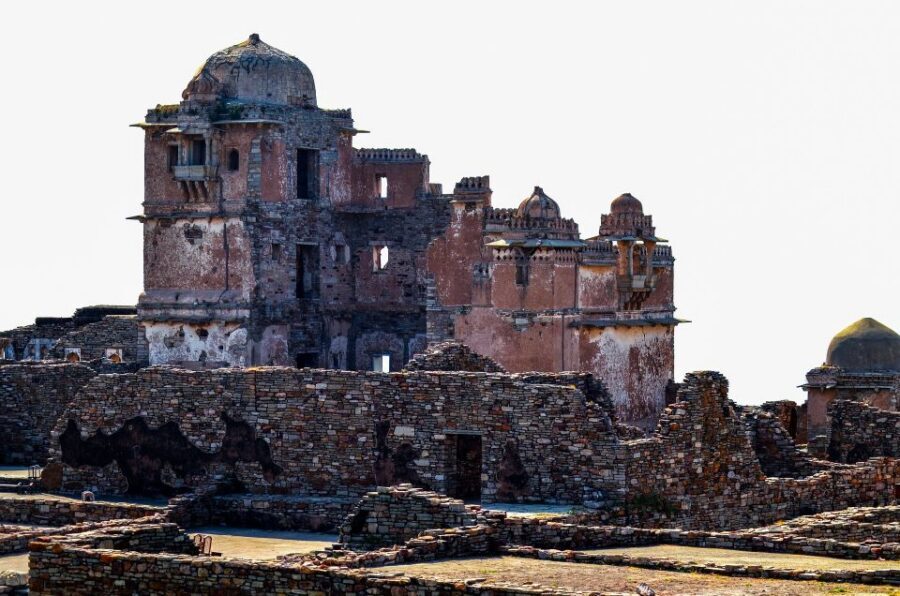
Chittorgarh Fort is a UNESCO World Heritage Site and it sits on a hill about 180 meters above the plains, covering a large area above the Berach River valley. That’s not trivia to impress other people. It matters because the layout is wide, the walking adds up, and views change as you move between gates, palaces, temples, and memorial towers.
If you’re doing a longer Rajasthan loop, this transfer-style itinerary is smart. Instead of wasting half a day on transit with nothing to show for it, you squeeze in major landmarks that you’d otherwise have to plan around on your own.
You can also read our reviews of more tours and experiences in Udaipur.


The drive: why private transport helps on this route
This isn’t a shared bus day. You travel by private air-conditioned vehicle with tolls, parking, fuel, and driver allowance included. That combination tends to make a huge difference in comfort—especially on a full sightseeing day where you’ll be walking on uneven stone and hills.
A practical detail: your car may not be able to reach very narrow streets. If that’s the case, you’ll be picked up or dropped off at a spot the vehicle can access. In old-town Udaipur, this usually means a short connector ride to a central pickup point. It’s worth planning for that with a little flexibility, so you don’t waste time hunting for the exact corner.
One bonus from real-world experience with this kind of service: coordination tends to be handled well. Himanshu from Jee Tours is specifically mentioned as helpful in keeping everything on track and making sure the driver and guide match your timing.
Chittorgarh Fort UNESCO: what you’ll actually see and why it matters
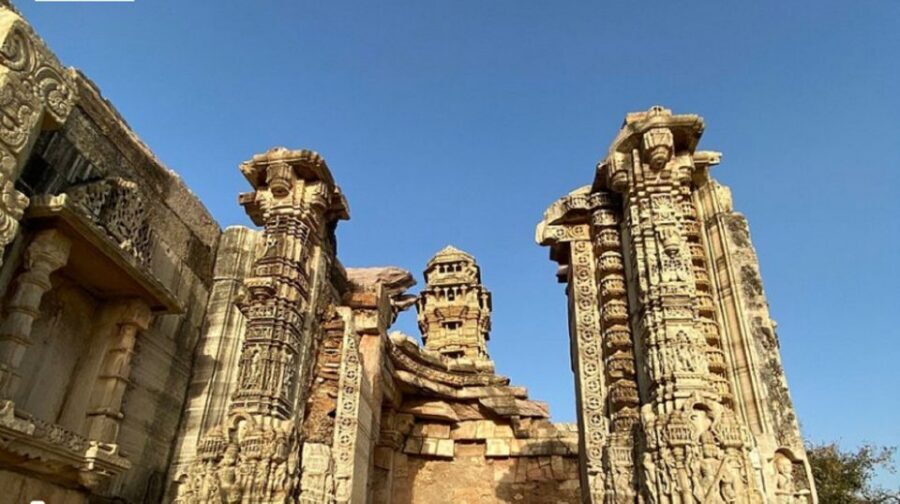
The guided portion is built around the fort as a living monument, not just a place to wander. You’ll tour the complex and hear the story of the legendary siege in 1303, tied (in the tour narrative) to an affair involving Sultan Alauddin Khalji as a possible trigger.
Even if you know the headline story already, I like how the tour points your eyes to the right features. Chittorgarh isn’t one single temple you can Instagram and move on. It’s a whole fortified city with palaces, memorial towers, and monumental gates—so the guide helps you make sense of why certain structures are where they are.
The hilltop setting changes the pace
Because the fort spreads across a significant area, you’ll feel it in your legs. The good news: with a guide and a set route, you’re less likely to waste time backtracking. The not-so-fun part: it’s not the kind of place where you can do everything casually without breaks.
If you’re sensitive to heat, plan your day so you’re not doing the longest walks at the hottest part. Also wear shoes with grip; stone steps and slopes are real here.
Rani Padmini, Jauhar, and the Padmini Palace area
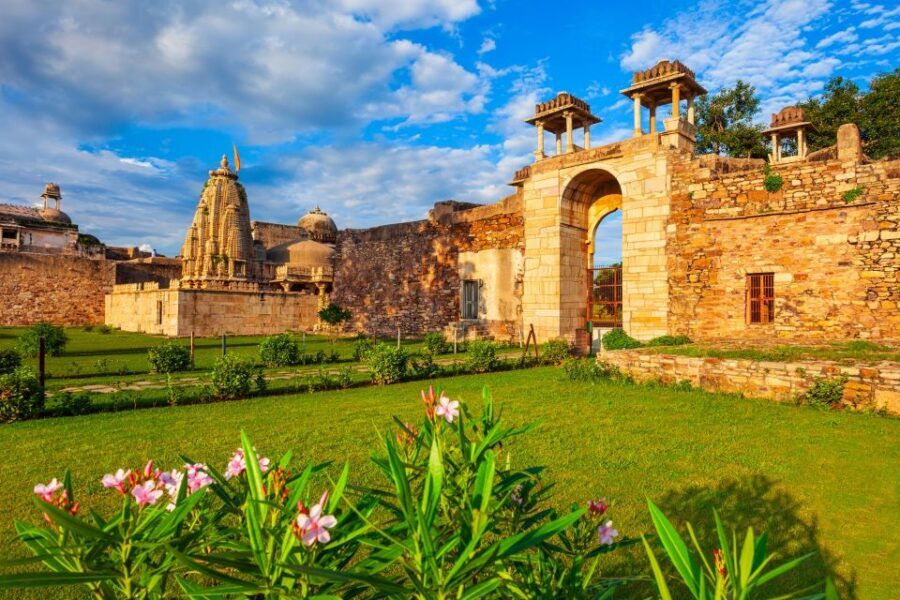
The tour highlights the tale of Rani Padmini and the vow that led to Jauhar (mass self-immolation) rather than dishonor. The story is framed around Sultan Alauddin Khalji and his desire for Padmini, which (according to the legend) turned into a major military operation against Chittor.
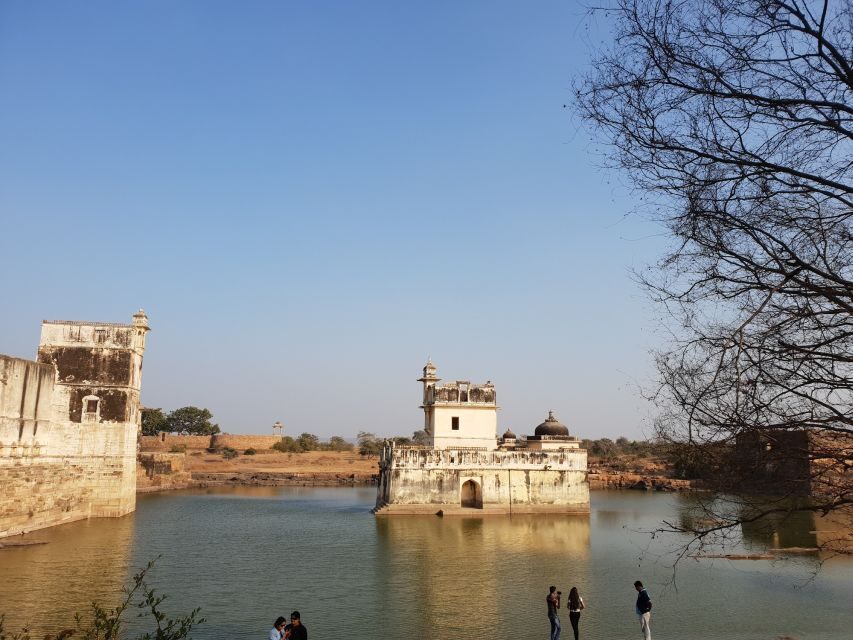
You’ll also have a chance to see the Padmini Palace, located near Chittorgarh Fort. This stop is valuable because it gives the legend a physical anchor. It’s one thing to hear the story; it’s another to look at the area and understand how the fort functioned as a royal center.
I’ll say this carefully: these are legendary and historical narratives that get passed down in ways that may not match a modern textbook. Still, the fort’s power comes from the way people remember it. If you enjoy learning through story, this part is central to the day.



Vijaya Stambha: the Tower of Victory at Chittorgarh
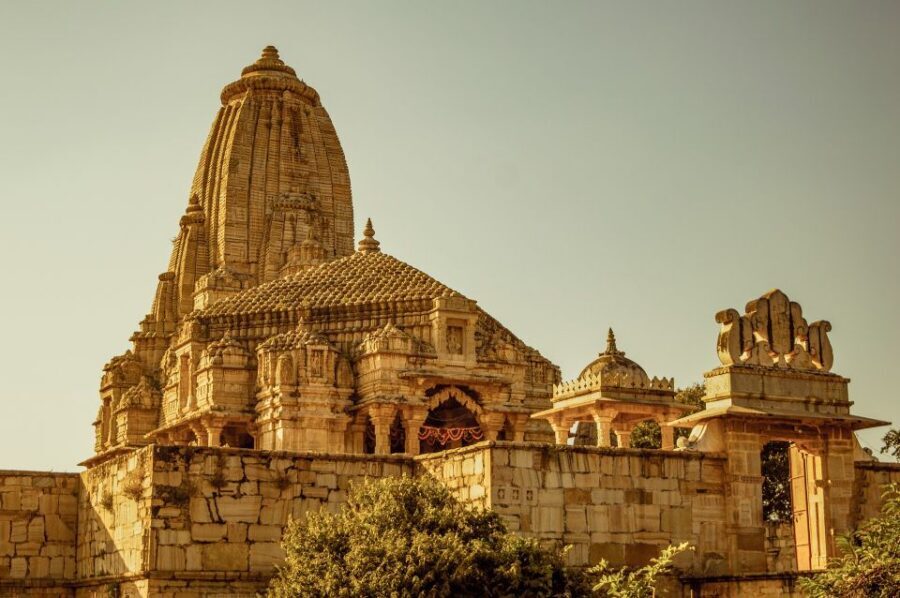
This is one of the strongest “look up and get the scale” moments. The Vijaya Stambha (Tower of Victory) is described as a 9-metre-wide tower located within the fort. It was constructed by Rana Kumbha in 1448 to commemorate his victory over Mahmud Khilji, and it’s dedicated to Lord Vishnu.
Here’s why I like this stop for travelers: it’s a clear landmark you can orient around. Towers like this help you understand the fort’s ceremonial and commemorative purpose. You’re not just seeing ruins; you’re seeing signals—built to mark triumphs and beliefs in stone.
If you’ve ever felt lost at big heritage sites, a focus on one or two standout structures can do a lot. Vijaya Stambha is one of those anchors.
Kirti Stambha: the Tower of Fame and its Jain connection
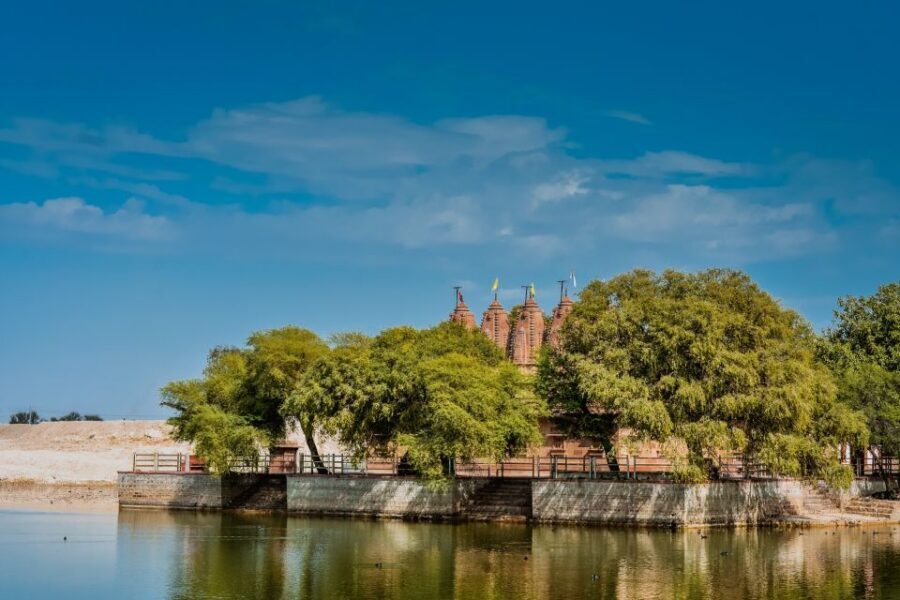
Next comes the Kirti Stambha (also called Tower of Fame). This is another major commemorative tower, built in a Solanki-style and described as 22 metres long. In the tour description, it’s said to have been established by the first Jain Tirthankar.
Whether you know Jain architectural history or not, the practical value is this: you’re learning how multiple religious traditions and royal patronage overlapped inside the same fortified environment. Chittorgarh isn’t only one faith story. The guide’s job here is to point out how the architecture communicates identity.
Take a moment here for photos, but also slow down. With towers, the best views often come from stepping back and noticing proportions rather than trying to shoot everything at arm’s length.
Meerabai and the Rana Kumbha Palace area inside the fort
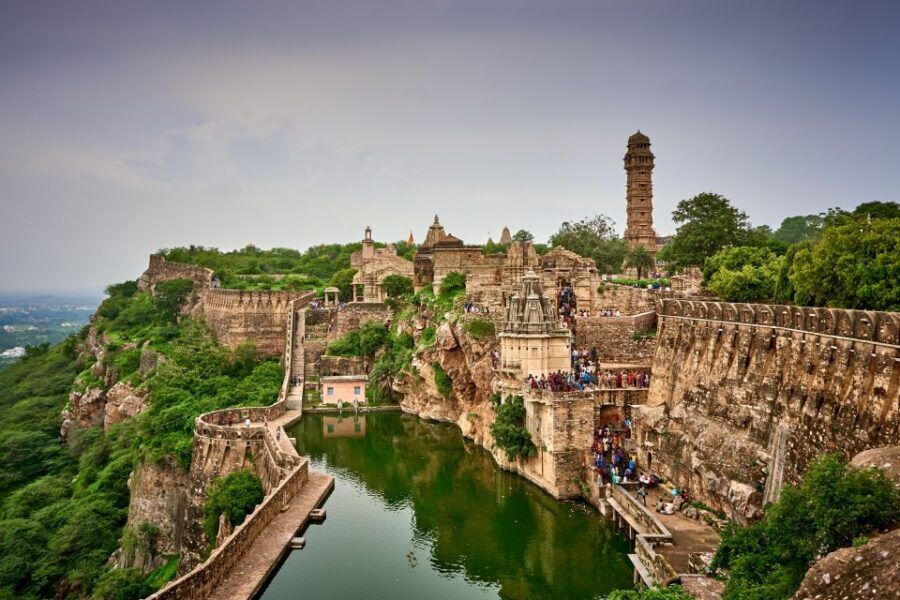
One of the more interesting dimensions of this itinerary is the Meerabai connection. The day includes the Rana Kumbha Palace, which is described as the home of the famous bhakti poetess Meerabai.
This matters because it broadens the fort beyond siege and royal politics. Bhakti poetry and devotion are part of the cultural memory of Rajasthan, and it helps explain why forts like Chittorgarh aren’t only military landmarks. They were also stages for ideas, art, and spiritual life.
If you tend to enjoy “culture inside stone,” don’t skip the guided explanations here. The guide’s pacing is usually what turns a quick glance into a real understanding of why this place is still named in stories.
Lunch break: how to plan it since food isn’t included
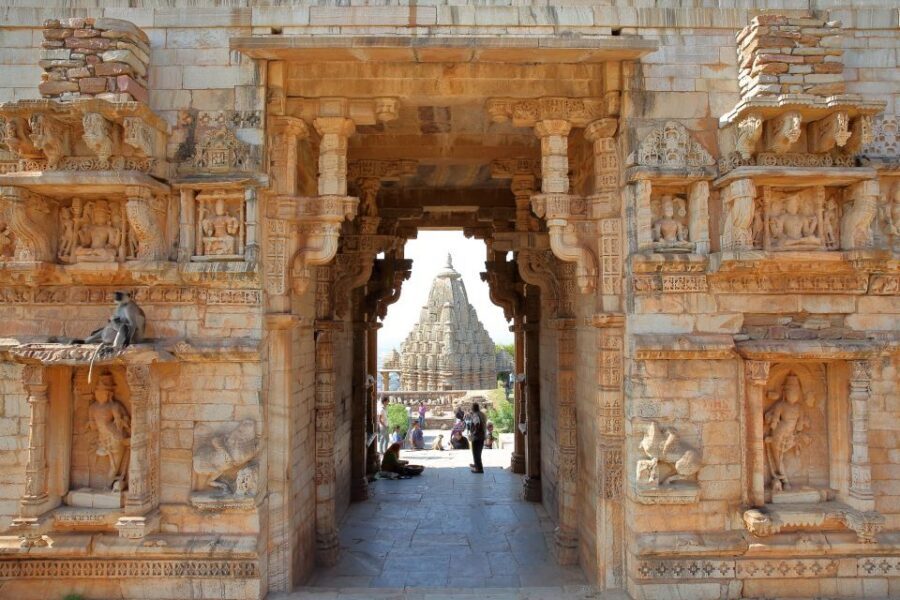
There’s an included 1-hour lunch window during the fort portion, but food and drinks are not included in the price list. So treat lunch as a scheduled break, not a paid meal.
This is also where you’ll want to think like a planner: carry water if you can, especially if you’re visiting during warmer months. Even when your driver arranges something decent, you don’t want to feel stuck if you’re hungry at an in-between moment.
A practical advantage of having a driver: the service can usually help you get to a suitable place without you negotiating transport while your energy is running low.
Price and value: what $54 really buys you
At $54 per person, the value is less about “cheap” and more about avoiding the headache. What you get that’s tangible:
- Air-conditioned vehicle
- Private transportation
- Toll tax, parking, fuel, and driver allowance included
Those pieces add up when you try to cobble together a DIY day from Udaipur to a hilltop fort and then continue to Pushkar. Also, you get skip the ticket line, which can save time when you’re moving on a fixed schedule.
The things that are not included, and you should budget for:
- Entrance charges (separate from the tour price)
- Food and drinks
- Guide service is listed as not included in the inclusions, even though the activity notes mention an English live tour guide
That last point is worth treating as a quick confirmation when you book. If guide time is important to you, ask what’s covered and what costs, so you’re not surprised on the ground.
Who this day trip suits best
This works especially well if you:
- Want a private Chittorgarh experience without fighting buses or taxi meters all day
- Are combining Udaipur and Pushkar and want a meaningful stop in between
- Prefer a guided route when you’re dealing with a huge fort site spread across gates and palaces
It may be less ideal if you:
- Want a totally self-paced visit with long unscheduled breaks
- Are very sensitive to walking on uneven historic surfaces
- Expect every cost (including meals and entrances) to be wrapped into one simple payment—since some extras are not included
Tips to make your day easier (and smoother)
Here are the small moves that usually make the biggest difference on this kind of route:
- Plan for a car-access pickup adjustment in Udaipur old town. If you’re staying where cars can’t enter, expect to walk a little or take a short tuk-tuk to meet the driver.
- Wear grippy shoes and keep water handy.
- If you care about the guide’s language and depth, confirm what’s included under guide service so you get the English guidance you want.
- Keep your phone charged for Tower of Victory and Tower of Fame photo angles—those structures look best when you can step back.
Should you book this Pushkar Drop from Udaipur?
If you’re the type of traveler who likes to move efficiently without losing the point of the day, I’d book it. The combination of UNESCO fort sights, a guided route that hits the big interpretive stops (Padmini Palace, Vijaya Stambha, Kirti Stambha, and Meerabai/Rana Kumbha Palace area), and an end drop in Pushkar is a practical win.
Skip it only if you want a low-cost, all-inclusive, totally self-guided day with no extra payments on the ground. Since entrance fees and meals aren’t included, you’ll need to budget a bit beyond the $54.
For most people doing a Rajasthan circuit, this is a good use of one day: you get major landmarks, minimal hassle, and a clear end point.
FAQ
What is included in the private transportation from Udaipur?
You get an air-conditioned vehicle and private transportation, with toll tax, parking, fuel, and driver allowance included.
Is a guide included for Chittorgarh Fort?
The tour notes mention a live English tour guide, but the inclusions list also says guide service is not included. I recommend confirming what is covered when you book so you know what to expect.
Are entrance fees included for Chittorgarh Fort?
No. Entrance charges are not included, even though you can skip the ticket line.
Is lunch included in the day trip?
There is a 1-hour lunch break during the day, but any type of food and drinks are not included.
Where do you get picked up and where do you end?
You’re picked up from your desired location in Udaipur, and the tour ends with a drop-off at your desired location in Pushkar.
What sites are the highlights inside Chittorgarh Fort?
You’ll explore UNESCO-listed Chittorgarh Fort, including the story of the siege in 1303, the Padmini connection, the Vijaya Stambha and Kirti Stambha towers, and the Rana Kumbha Palace area linked to Meerabai.
What if the car can’t reach my exact pickup spot in Udaipur?
If your street is too narrow for the vehicle, the service will arrange pickup or drop-off at the closest spot the car can reach.