REVIEW · UDAIPUR
Udaipur: Guided Day Trip to Chittorgarh Fort
Book on GetYourGuide →Operated by Udaipur Tour Travels · Bookable on GetYourGuide
Chittorgarh hits hard, even in one day. This private trip from Udaipur is built around the UNESCO-listed Chittorgarh Fort and the Mewar story, with stops at Vijay Stambh and Kirti Stambh plus major palaces and temples. My favorite part is how the route keeps you moving through the fort’s key landmarks, not just one photo spot, but one possible drawback is that entrance fees and your lunch are not included, so you’ll need extra cash on the day.
You’ll start with a hotel pick-up in Udaipur and a smooth, private air-conditioned ride (about 2 hours each way). Then you get a guided walk inside the fortress area early in the morning, when the light is nicer and the heat is still manageable.
This is also one of those tours where the guide quality really matters. In the best cases, you’ll be with a local specialist (I saw mentions of Harish) who can explain what you’re seeing on the ground, while other bookings note that English support may vary—so it’s worth going in with clear expectations.
In This Review
- Key things I like about this day trip
- Udaipur to Chittorgarh Fort: Private Ride, Early Start, Real Time Savings
- Entering Chittorgarh Fort: UNESCO Power in a Fort That Still Breathes
- Vijay Stambh and Kirti Stambh: Victory Tower Views and Jain Meaning
- Rana Kumbha Palace and Padmini Palace: Royal Power and the Legends People Still Talk About
- Meera Temple and Gaumukh Reservoir: Devotion and Siege Survival
- Seven Gates: The Fort’s Defense Logic, Explained One Turn at a Time
- Lunch Inside the Fort Area: Self-Paid, Plan for Timing, Don’t Expect Everything Included
- Price and Value: What $47 Really Buys You (and What It Doesn’t)
- Comfort, Shoes, Cameras, and the Rules You’ll Actually Care About
- Who Should Book This Tour, and Who Might Prefer Another Plan
- Final Take: Should You Book Udaipur to Chittorgarh?
- FAQ
- How long is the day trip?
- Where does the tour start in Udaipur?
- How far is the drive between Udaipur and Chittorgarh Fort?
- Is the tour private or shared?
- Is the guide inside Chittorgarh Fort included?
- Are monument entrance fees included?
- Is lunch included?
- Are there rules for photography and drones?
- Can I cancel for a refund?
Key things I like about this day trip
- Private vehicle + hotel pick-up: you don’t have to solve transport on your own.
- Fort-first timing: you enter early to reduce crowds and sweat.
- Guided highlights: you hit the main monuments in a logical order inside the fort.
- Iconic structures: Vijay Stambh, Kirti Stambh, palaces, and the Seven Gates all get time.
- Practical extras: bottled water and skip-the-ticket-line help you keep momentum.
Udaipur to Chittorgarh Fort: Private Ride, Early Start, Real Time Savings
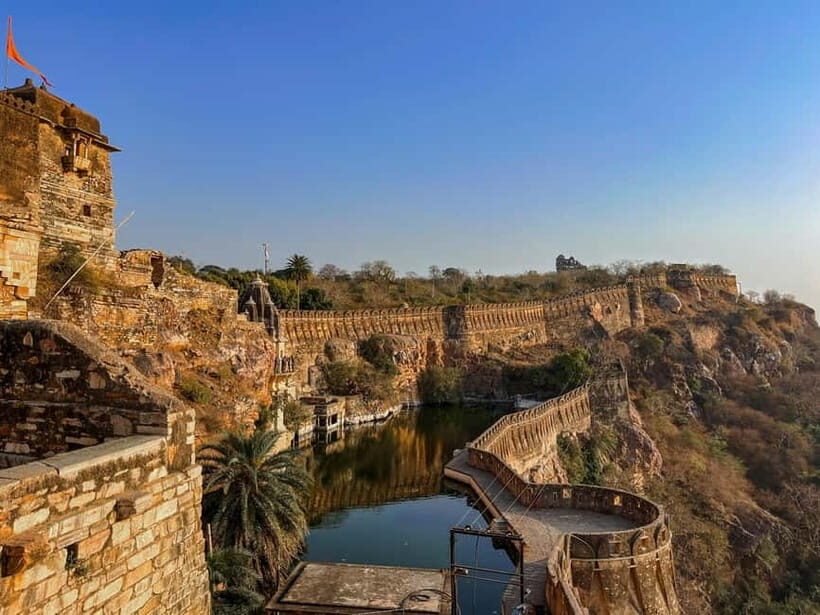
This tour is designed for convenience. You’re picked up from your hotel in Udaipur and taken to Chittorgarh in a private, air-conditioned vehicle with an English-speaking driver. The drive is about 2 hours, which is long enough to feel like a real day trip, but short enough that you still get meaningful time at the fort.
The early start is not just marketing. Chittorgarh Fort is extensive, and you’ll walk a moderate amount. Going early helps you avoid the worst of the sun and makes the experience feel less like a sprint. It also means better photo light around the towers and gateways.
There’s also a small but helpful inclusion: bottled water. You’ll be in fort areas that can get hot, and you’ll want hydration ready before you’re looking for it.
You can also read our reviews of more guided tours in Udaipur



Entering Chittorgarh Fort: UNESCO Power in a Fort That Still Breathes
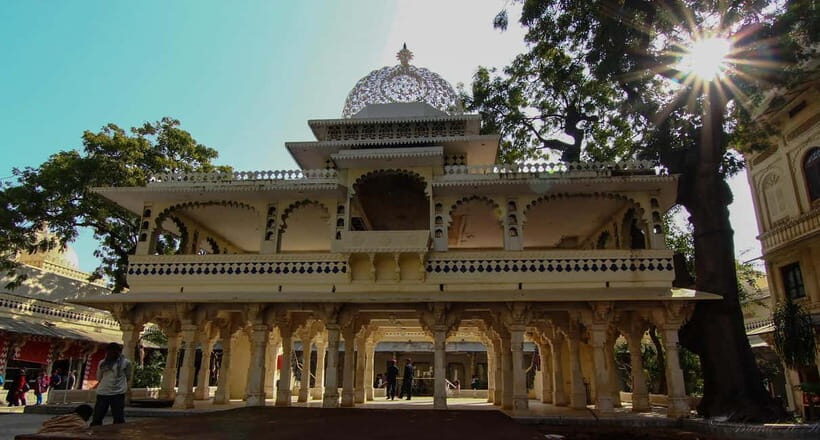
Chittorgarh Fort is one of India’s largest and most iconic forts, and it earns UNESCO World Heritage status for a reason. It’s not just a wall and a view. It’s a huge protected complex with monuments, temples, palace structures, and ruins packed into one defensive landscape.
One detail that makes this site feel memorable is its distinctive layout. The area is known for striking zigzagging design, which isn’t just aesthetic—it’s defensive planning. As you walk, the form of the fort starts to make sense. You’re not only touring; you’re reading how the site was meant to protect the kingdom.
You’ll also get a sense of continuity. Even though you’re exploring ruins, parts of the fort area can feel lived in. That matters because the place doesn’t feel like a museum set behind glass. It feels like history with people still moving through it.
Vijay Stambh and Kirti Stambh: Victory Tower Views and Jain Meaning
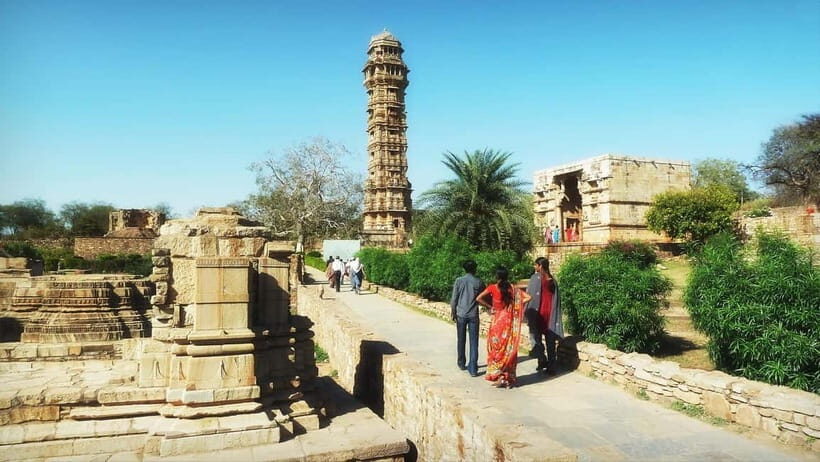
Your guided exploration begins with two of the fort’s headline monuments.
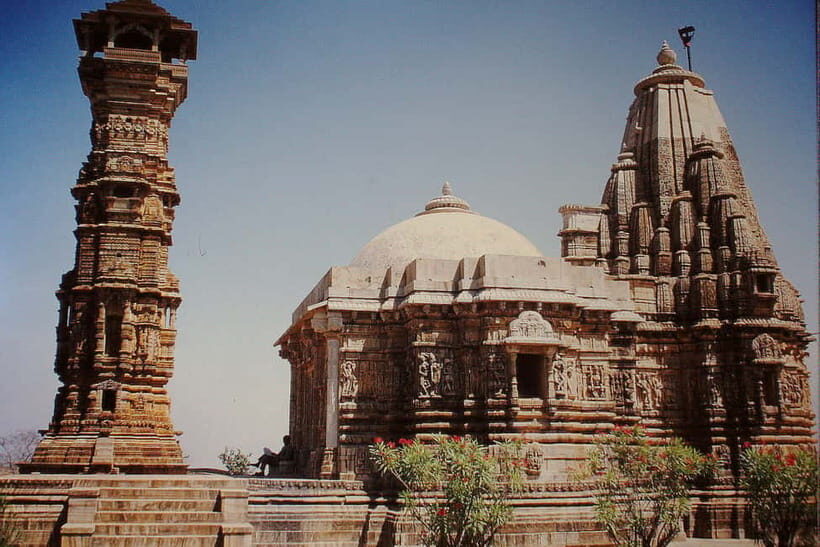
Vijay Stambh (Victory Tower) is the first stop that really grabs you visually. It’s known for intricate carvings and panoramic viewing angles. When you reach the tower, you’re not just checking a landmark off a list—you’re stepping into a vantage point that helps you understand how power was displayed across the region.
Next comes Kirti Stambh (Tower of Fame), a Jain monument tied to values like non-violence and truth. The point here isn’t only that it’s old; it’s that the fort’s story includes multiple traditions and beliefs, not one single narrative. You’ll see the symbolism in the structure and the way the site honors spiritual ideals alongside royal might.
If you like tours that connect architecture to meaning, these two stops do that well. They set the tone: Chittorgarh isn’t one theme. It’s defense, religion, legends, and rulers all in the same place.
Rana Kumbha Palace and Padmini Palace: Royal Power and the Legends People Still Talk About
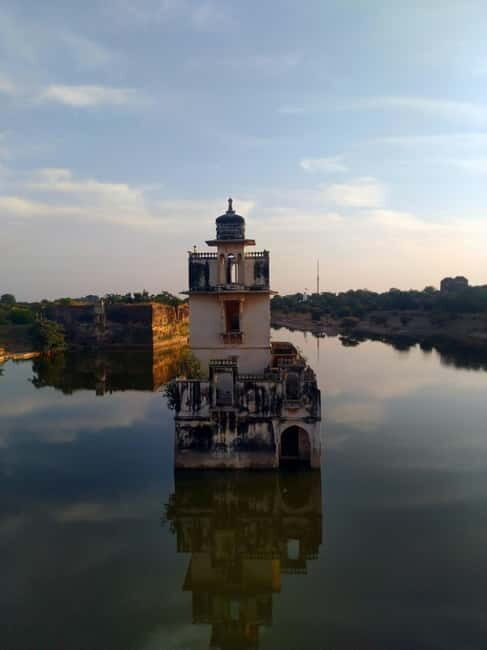
After the towers, the tour moves into royal complexes.
At Rana Kumbha Palace, you’ll learn about historic significance and the role it played in royal life. Even with ruins, the structure helps you picture how governing and ceremonies were organized inside the fort’s walls. It’s a reminder that fort life wasn’t just survival. It was administration, culture, and display.
Then you reach Padmini Palace, often connected to the fabled Queen Padmini stories. This stop is where the fort shifts from what you can measure (tower height, wall lines, layouts) to what people remember and repeat—beauty, conflict, and the legends that grew out of the era. Whether you view the story as historical fact, legend, or something in between, the palace remains a powerful conversation starter once you’re standing there.
One thing to watch: time. You’ll want to keep pace with the guide so you don’t rush these two sections. They’re both big mental takeaways, and each needs more than a quick walk-by.
Meera Temple and Gaumukh Reservoir: Devotion and Siege Survival

After lunch, the tour continues with a more reflective set of stops.
Meera Temple connects you to Meera Bai, the poet-saint. This is a great contrast after palaces and towers. Instead of focusing on royal power or architectural defense, you’re anchored in devotion and verse—how spirituality lived alongside political life.
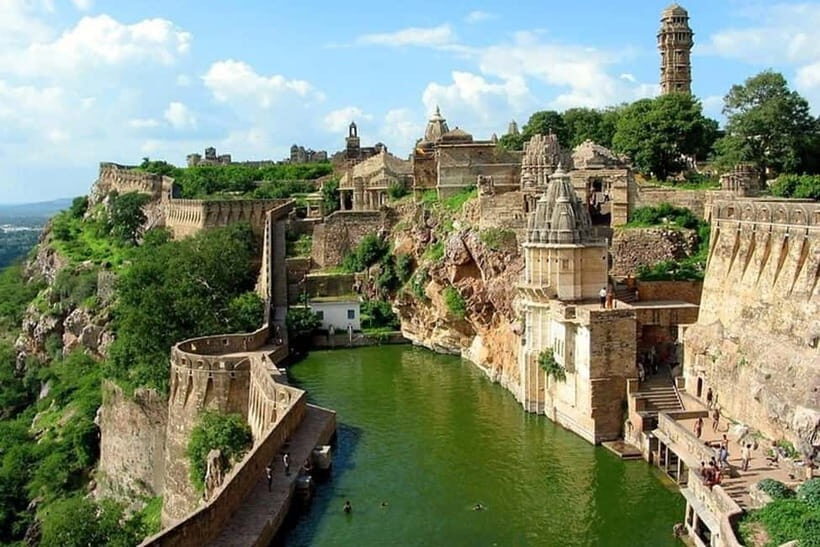
Then there’s Gaumukh Reservoir, a sacred water source tied to resilience during the fort’s sieges. This stop is surprisingly practical in its symbolism: water storage is one of the real reasons fort systems could endure long periods under pressure. Even if you’ve learned the concept in a textbook, seeing a reservoir in the fort setting turns it into something you can picture.
Together, these two stops are a reminder that life inside the fort was both emotional and logistical. People needed faith and they needed water. Chittorgarh gives you both.
A few more Udaipur tours and experiences worth a look




Seven Gates: The Fort’s Defense Logic, Explained One Turn at a Time
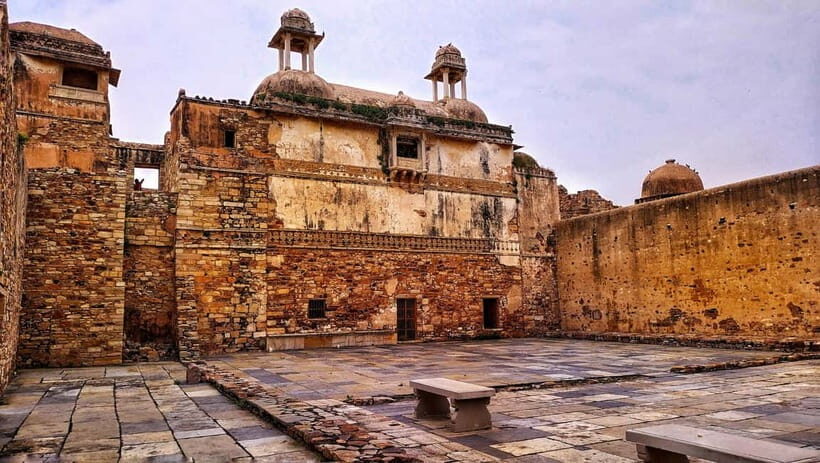
No Chittorgarh day trip feels complete without the Seven Gates section. Gates are where defense becomes visible. You get to see how entrances were planned to slow attackers and control movement.
What I like about this part of the visit is that it changes how you look at the rest of the fort. Once you understand why gates mattered, the zigzags and pathways stop looking random. They look intentional.
Also, gates make for good pacing. If you’ve spent time climbing mentally through towers and palaces, the gates provide a steady sequence that keeps the walk feeling purposeful rather than endless.
Lunch Inside the Fort Area: Self-Paid, Plan for Timing, Don’t Expect Everything Included
Lunch is a self-paid break at a local restaurant. That means your cost for the day trip will likely be a bit higher than the $47 price once you add the meal.
The upside is that lunch happens during a planned stop, so you’re not stranded hunting for food while your group is waiting. If you’re hungry, you’ll appreciate that structure.
Some bookings mention a fort-area lunch option such as Shri Barbarik. You may be taken to a similar place depending on the day, but the key point is this: treat lunch as part of your own budgeting.
My practical advice: if you can, bring a small snack or drink you can keep for later in the day. You’re walking in sun, and having backup keeps your energy steady for the afternoon temple and reservoir stops.
Price and Value: What $47 Really Buys You (and What It Doesn’t)
At $47 per person, this tour can be a strong value for the convenience it bundles. Here’s what’s included:
- Hotel pick-up and drop in Udaipur
- A private vehicle with an English-speaking driver
- A professional guide at Chittorgarh Fort
- Bottled water
- Fuel, parking, tolls, interstate taxes, and GST
- Skip the ticket line
- Private group format
What’s not included:
- Entrance fees to monuments
- Meals
So is it worth it? If you want a straightforward plan—transport solved, guide arranged, key monuments covered without you figuring out routes—this price looks fair. The big win is time and stress reduction. You don’t have to coordinate car timing with a local guide or guess which sites are essential.
A balanced note: if English support and guide handoffs don’t go smoothly, the value can slip. One booking experience flagged a problem with English guidance continuity and suggested that arranging your own car and hiring a local guide might be cheaper. That’s a valid alternative if you enjoy managing details and you’re confident communicating locally.
Comfort, Shoes, Cameras, and the Rules You’ll Actually Care About
This tour asks for a few basics.
- Wear comfortable shoes. There’s a moderate amount of walking inside the fort area.
- Bring sunscreen and consider a hat. You’ll be outdoors for extended stretches.
- Photography is allowed, and having a camera is a good idea.
- Drones are not permitted, so don’t plan on aerial shots.
- You should bring passport or an ID card.
There are also firm restrictions:
- No pets
- No luggage or large bags
The best way to enjoy the day is to travel light: small day bag, water, and your essentials.
Who Should Book This Tour, and Who Might Prefer Another Plan
This private trip works well if you want:
- a guided day focused on major fort monuments
- transport handled from Udaipur
- a clear schedule that includes towers, palaces, temples, reservoir, and gates
It’s also a good fit for people who like their history with structure. The stops aren’t random. They move from iconic towers to royal spaces, then to spiritual sites and water infrastructure—so the story of the fort feels coherent.
But it’s not suitable if you have mobility impairments or use a wheelchair, because there’s walking involved in a complex, outdoor site.
If you’re the kind of traveler who loves DIY and can handle local arrangements, you might be able to lower the price by coordinating transport and hiring a guide on-site. If you want the low-friction, guided day-trip experience, this one makes sense.
Final Take: Should You Book Udaipur to Chittorgarh?
I’d book it if you want an efficient, guided way to see Chittorgarh Fort’s most important monuments without spending your day solving logistics. The combination of private transport, a guide inside the fort, bottled water, and skip-the-line entry adds up—especially for a one-day window.
I’d think twice if you’re very sensitive to English guidance quality or you’re trying to squeeze every rupee. Entrance fees and lunch can add to the total, and you’ll want to make sure your expectations for the guide experience are clear.
If you choose to go, do it early, wear your best walking shoes, and plan for self-paid lunch. Chittorgarh is the kind of place where one extra hour can change how much it sticks with you—and this tour is built to give you that hour.
FAQ
How long is the day trip?
It runs for one day.
Where does the tour start in Udaipur?
The tour includes hotel pick-up in Udaipur (and it can also pick up from the railway station or airport, depending on your location).
How far is the drive between Udaipur and Chittorgarh Fort?
The journey time is about 2 hours each way.
Is the tour private or shared?
It’s a private group tour.
Is the guide inside Chittorgarh Fort included?
Yes. A professional guide at Chittorgarh Fort is included, and the driver is English-speaking.
Are monument entrance fees included?
No. Entrance fees to monuments are not included.
Is lunch included?
No. Lunch is not included, and the lunch break is self-paid at a local restaurant.
Are there rules for photography and drones?
Photography is allowed, but drones are not permitted.
Can I cancel for a refund?
Yes. You can cancel up to 24 hours in advance for a full refund.