REVIEW · AURANGABAD
The Best of Ellora & Aurangabad in One Day
Book on Viator →Operated by Agora Voyages Pvt. Ltd. · Bookable on Viator
One day, and it hits the big names of Ellora and Aurangabad. This tour packs UNESCO Ellora Caves, a key Shiva temple, and the best-looking forts and tomb sites into a tight 5 to 6 hours, with hotel pickup and an English-speaking local guide when selected.
What I like most is the mix: you get major architecture and carvings, then you slow down with a museum and a working-style water mill. I also really value the practical setup, since entrance fees (where applicable) and lunch are included, so you’re not hunting for tickets mid-day.
One thing to consider: the schedule is fast. If you want to linger for a long time in every site, you may feel rushed, especially around the fort and the late-afternoon stops.
In This Review
- Key things that make this one-day route work
- The one-day plan: why this order makes sense
- Hotel pickup and AC comfort: the hidden time-saver
- Ellora Caves: 34 rock-cut temples, and why 2 hours is the right target
- What you should focus on during your visit
- A practical note
- Grishneshwar Jyotirlinga: short stop, real spiritual weight
- How to get the most from 30 minutes
- Lunch, then Daulatabad Fort (Deogiri): ramparts, tunnels, and views
- What makes this fort practical to see on a schedule
- Aurangabad Caves: Buddhist shrines and quiet detail
- How to avoid feeling “cave-fatigued”
- Bibi Ka Maqbara: the Tomb of the Lady
- Chhatrapati Shivaji Museum and Panchakki: your day’s quieter finish
- Guides make or break the one-day experience
- Price and value: is $68 a good deal?
- What to expect from timing and pacing
- Who this tour suits best
- Should you book this one-day Ellora and Aurangabad plan?
- FAQ
- How long is The Best of Ellora & Aurangabad in One Day?
- Do I get hotel pickup and drop-off?
- Is the tour private?
- What’s included in the price besides transport?
- Do I need tickets for the monuments?
- Is there an English-speaking guide?
- Does the itinerary include Panchakki, and is it free?
- What kind of cancellation policy is available?
Key things that make this one-day route work
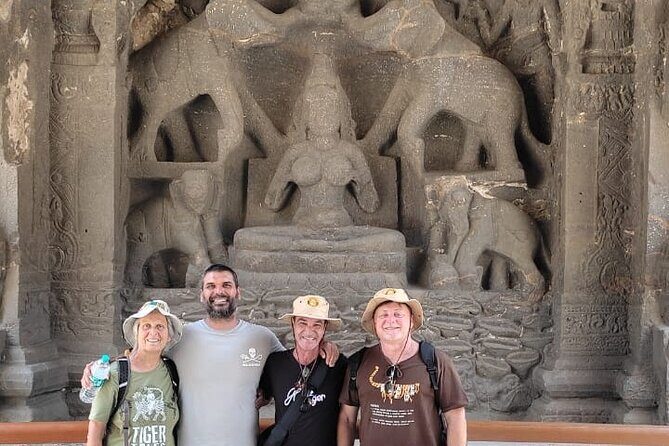
- Ellora Caves in a focused 2 hours: 34 rock-cut temples from the 6th to 10th centuries, with time to actually look closely.
- Grishneshwar Jyotirlinga (30 minutes): a short stop at one of the 12 Jyotirlinga shrines dedicated to Lord Shiva.
- Daulatabad Fort on an actual hilltop: 14th-century ramparts, gates, and underground tunnels.
- Late-day culture stack: Aurangabad Caves, Bibi Ka Maqbara, then the Chatrapati Shivaji Museum.
- Panchakki water mill (free): a 17th-century mill tied to grain grinding for pilgrims visiting Baba Shah Musafir.
The one-day plan: why this order makes sense
This itinerary is built around geography and energy. You start early in Aurangabad, get into Ellora before the day gets heavy, then move into central Aurangabad for the remaining monuments and museum.
That matters because Ellora Caves can quietly eat time. You’re looking at rock-cut work spanning centuries, and it rewards a calm pace. This tour gives you enough time to see the main scale and details without turning the day into a blur.
Then you hit the second half of your day with a different kind of viewing: fort angles and views, sacred architecture, and finally indoor exhibits and the Panchakki water mill. It’s a smart rhythm for a single afternoon-to-evening finish.
A few more Aurangabad tours and experiences worth a look
Hotel pickup and AC comfort: the hidden time-saver
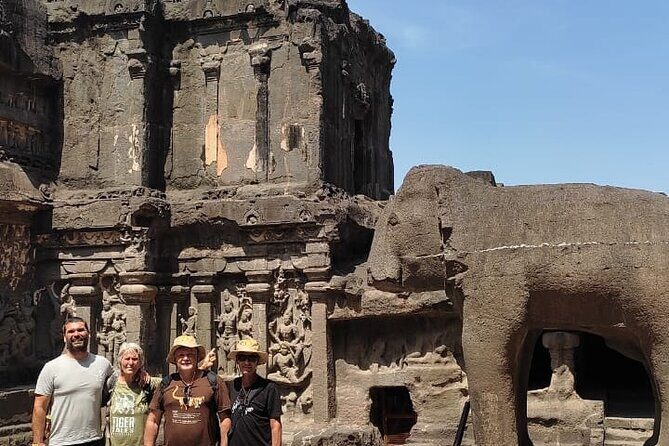
You’re picked up from your hotel in Aurangabad at 8:00 AM by your private guide, and you end with a drop-off back at your hotel around 5:30 PM.
For a one-day tour, this is more than convenience. It reduces “dead time” that you’d normally spend finding meeting points, figuring out transport, and coordinating tickets. You also get bottled water in the car, which sounds small until you’re out in the heat and light with several stops.
The vehicle is a private AC car/van, which is especially useful when you’re bouncing between caves, outdoor fort areas, and walking routes around monuments.
Ellora Caves: 34 rock-cut temples, and why 2 hours is the right target
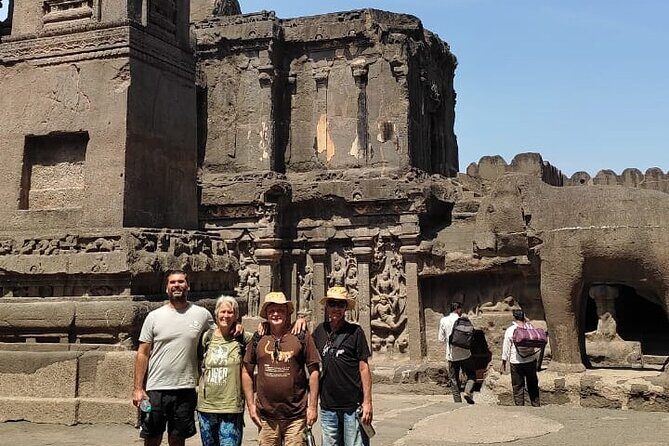
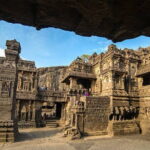
Your first major stop is Ellora Caves around 9:00 AM. You’ll spend about 2 hours, and entrance is included.
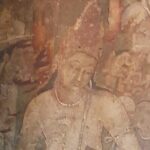
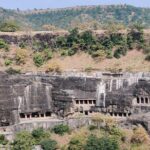
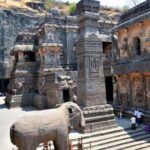
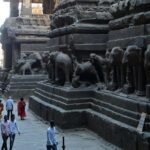
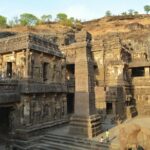
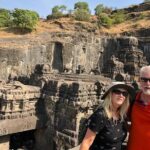
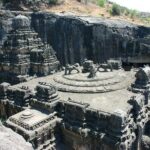
Here’s what makes this place worth your time: Ellora is a UNESCO World Heritage site and a complex of 34 rock-cut temples dating from the 6th to 10th centuries. That range of time is part of the magic. You’re not just looking at a single building; you’re stepping into a long-running tradition of carving stone into sacred spaces.
What you should focus on during your visit
With only two hours, your guide’s job is to help you pick what to see and what to notice. If you’re doing this on your own, it’s easy to wander and feel like you saw a lot but understood little.
So I’d aim to look for three things while you walk:
- Scale: the sheer size of the carved spaces compared to the rock they’re cut from
- Surface detail: the texture of carvings and how light changes them
- Spatial rhythm: how the caves open, narrow, and shift as you move deeper
A practical note
Because these are caves, temperature and light can shift. Wear comfortable footwear and keep an eye on your footing. Also, camera charges can apply at monuments, and this tour lists camera charges as not included—so if you’re planning to bring a camera, it’s smart to be ready for an extra fee.

Grishneshwar Jyotirlinga: short stop, real spiritual weight
Next you’ll head to Grishneshwar Jyotirlinga Temple around 11:30 AM, with about 30 minutes on site. Entrance is included.
This is one of the 12 Jyotirlinga shrines dedicated to Lord Shiva. The value here isn’t only the architecture—it’s how a sacred site changes the pace of your day. After time in caves and stone carvings, this stop feels more lived-in and devotional.
How to get the most from 30 minutes
Thirty minutes is enough to:
- take in the main temple space
- listen to your guide’s explanation of the site’s significance and legends
- move through without feeling like you’re rushing people or disrupting worship
If you want photos, do it respectfully and follow local flow. Since camera charges are listed as not included, check what applies before you start snapping.
Lunch, then Daulatabad Fort (Deogiri): ramparts, tunnels, and views
Around 1:30 PM, after lunch, you’ll visit Daulatabad Fort (often connected to the name Deogiri). The fort is a 14th-century hilltop fortress, and your time here is about 1 hour, with entrance included.
This is the stop that turns into memory fast because the fort is physical. It’s not just looking at structures; it’s walking along gates, ramparts, and even underground tunnels. The tour is designed so your guide can tell the strategic story behind those features, which makes the place feel less like random ruins.
What makes this fort practical to see on a schedule
A fort usually demands patience: you want time for views, exploring, and photos. Here, you get a guided pass that prioritizes:
- ramparts and gates where you can read the defensive layout
- tunnels that explain how the fortress worked beyond surface walls
That said, the pace can feel intense, especially on busy days. One review note flagged the atmosphere around EID, when crowds and movement changed the experience. So if you travel during major festivals, you may want to expect heavier foot traffic and less breathing room.
Aurangabad Caves: Buddhist shrines and quiet detail
After the fort, you return toward Aurangabad and visit Aurangabad Caves around 3:30 PM. The stop runs about 1 hour, and entrance is included.
These caves are a complex of rock-cut Buddhist shrines dating to the 6th and 7th centuries. Compared with Ellora, this feels like a different chapter—still carved stone, but with a calmer feel.
How to avoid feeling “cave-fatigued”
By mid-afternoon, your eyes may start comparing everything to Ellora. That’s normal. Instead of trying to match them, shift your focus:
- compare how each cave handles space and light
- look for differences in carving approach
- let the quieter shrines reset your attention
If you only do one thing, do this: slow down for the last 10 minutes. That’s often when your understanding catches up.
Bibi Ka Maqbara: the Tomb of the Lady
At 3:30 PM (your route times this late afternoon stop right alongside the caves), you’ll visit Bibi Ka Maqbara, known as the Tomb of the Lady. Entrance is included, and the stop is about 30 minutes.
This is where the day turns from rock-cut caves into a monument you can really “read” visually. The value is in the structure and the story your guide shares about why it was built and how it’s remembered.
A 30-minute window is perfect for this kind of stop. You can admire proportions, walk around for angles, and still make it to the museum before closing time.
Chhatrapati Shivaji Museum and Panchakki: your day’s quieter finish
At 4:30 PM, you’ll visit the Chatrapati Shivaji Museum for about 30 minutes. Entrance is included.
This museum houses artifacts and memorabilia from the Maratha empire, including weapons, paintings, and manuscripts. Even if you’re not a deep-history person, this stop adds context to what you’ve seen outside—because now you’re seeing objects, not only buildings.
Then around 5:00 PM, you’ll head to Panchakki (the water mill) for about 30 minutes. Entrance is free.
Panchakki is a 17th-century water mill used to grind grain for pilgrims visiting the nearby Dargah of Baba Shah Musafir. This is a great “legs-down” moment to end the day because it’s less about climbing and more about understanding how people lived and served visitors historically.
Finally, the tour ends with your hotel drop-off around 5:30 PM.
Guides make or break the one-day experience
This tour is private, so the guide can tailor the pacing to your group’s interest level. In particular, the reviews highlighted guides who gave clear historical context and even practical photo guidance.
For example, one review mentioned Mr. Gulati for strong historical information and useful picture spots. Another mentioned Sanjay as extremely knowledgeable, to the point of almost overwhelming someone with detail—an honest kind of problem when you want to learn.
So if you book and you care about understanding what you’re seeing, ask your guide a question early. A simple one like what detail most people miss at Ellora can steer the whole day.
Also, since you’re dealing with multiple monuments in one afternoon, good guidance prevents the “checklist feeling.” It turns stops into understanding.
Price and value: is $68 a good deal?
At $68 per person, this one-day tour can be very good value—mainly because it includes several items that can quietly add up on your own.
Here’s what’s included based on the tour details:
- Private AC car/van for pickup and drop-off from/to your hotel
- English-speaking local guide (when that option is selected)
- Entrance fees to monuments (if you choose the option that includes them)
- Lunch
- Bottled water in the car
- Government taxes
When you compare that to DIY, the savings often come from time and reduced friction. You’re compressing Ellora, Grishneshwar Jyotirlinga, Daulatabad Fort, Aurangabad Caves, Bibi Ka Maqbara, a museum, and Panchakki into one managed day.
Just keep your expectations aligned with the format. This is not a slow “sit and sketch” day. It’s a smart, guided highlight run.
What to expect from timing and pacing
The day starts at 8:00 AM and ends around 5:30 PM, with stops designed to keep you moving but not completely sprinting.
A typical shape looks like:
- Ellora Caves: 2 hours
- Grishneshwar: 30 minutes
- Daulatabad Fort: 1 hour (after lunch)
- Aurangabad Caves: 1 hour
- Bibi Ka Maqbara: 30 minutes
- Museum: 30 minutes
- Panchakki: 30 minutes (free)
Because of this structure, you’ll likely feel fully “site-ed out” by late afternoon. That doesn’t mean it’s bad—it means the tour does its job and delivers lots of major sights before dinner.
If you’re the type who wants extra time at one site, you might feel the squeeze most at Ellora and Daulatabad Fort. If you’re okay with a strong guided pass, you’ll likely leave satisfied.
Who this tour suits best
This is a strong fit if:
- you want a single-day route that covers major landmarks
- you’d rather pay for convenience than negotiate local transport
- you like having a guide explain what you’re looking at
- you want a mix of caves, forts, tomb architecture, and museum exhibits
It may not be ideal if:
- you want lots of unstructured time to wander slowly
- your group needs longer stops for each monument
- you dislike crowds, especially on festival days
Should you book this one-day Ellora and Aurangabad plan?
I’d book it if your priority is seeing the headline sites with included guidance, hotel pickup, and a route that makes efficient use of a limited day. The value is strongest when you want both the big names (Ellora and Daulatabad Fort) and the supporting context (Chatrapati Shivaji Museum) without planning each leg yourself.
I’d hesitate only if you’re chasing a relaxed, slow travel pace. The schedule is intentionally tight, and the best experience comes when you’re ready to look, listen, and move.
If you do book, bring comfortable shoes, plan for camera fees, and ask your guide to point out the best photo angles early—your late-afternoon memories will thank you.
FAQ
How long is The Best of Ellora & Aurangabad in One Day?
It runs about 5 to 6 hours.
Do I get hotel pickup and drop-off?
Yes. Your private guide picks you up from your Aurangabad hotel at 8:00 AM and drops you back around 5:30 PM.
Is the tour private?
Yes. It’s a private tour/activity, and only your group participates.
What’s included in the price besides transport?
The tour includes private AC car/van, bottled water, government taxes, and lunch. Entrance fees are included if you select the option that includes them.
Do I need tickets for the monuments?
Entrance fees are listed as included for the monuments in the tour, based on the selected option. Camera charges are not included.
Is there an English-speaking guide?
An English-speaking local guide is included if you select that option.
Does the itinerary include Panchakki, and is it free?
Yes. Panchakki (Water Mill) is included for about 30 minutes, and it is free.
What kind of cancellation policy is available?
The tour offers free cancellation up to 24 hours before the experience start time for a full refund.