REVIEW · NEW DELHI
Old Delhi Tour with Tuk-Tuk/Rickshaw Ride
Book on Viator →Operated by Vivek Handa, Tour Guide Delhi-Agra-Jaipur · Bookable on Viator
Old Delhi moves fast, and so should you. This tour is built for getting your bearings quickly, then enjoying the sights from a tuk-tuk/rickshaw instead of fighting traffic on foot. I especially like the combo of big-city icons like Jama Masjid with neighborhood markets like Chandni Chowk, plus the stop at Gurudwara Bangla Sahib where the community kitchen experience is part of the visit. One consideration: the tuk-tuk ride can feel uncomfortable in tight, crowded lanes, and there’s at least one reported instance where the driver was asked for an extra cash payment during the experience.
You also get real value in the logistics. Pickup and drop-off are included, bottled water is provided, and you’ll have a licensed guide to connect the dots between mosque courtyards, spice lanes, and wedding-shopping streets. If you’re sensitive to crowds, plan your mindset for busy streets and short stops rather than a long, slow walk.
The schedule is short and purposeful. You’ll spend time at each stop, ride between areas, then finish back in New Delhi. Also note that Jama Masjid admission is not included, so budget for that if you want to climb for views.
In This Review
- Key highlights worth your attention
- Old Delhi by tuk-tuk: a smart way to move through traffic
- Jama Masjid first: big views with a practical time limit
- Chandni Chowk to Kinari Bazaar: markets for your eyes, not just your shopping bag
- Khari Baoli spices: where the lane has a job
- Gurudwara Bangla Sahib and langar: the community kitchen moment
- Price and logistics: what $99 covers and where you should plan for extras
- Comfort, timing, and how to avoid a frustrating short day
- Should you book this Old Delhi tuk-tuk tour or skip it?
- FAQ
- What time does the Old Delhi tour start?
- Is pickup and drop-off included?
- Is the Jama Masjid ticket included?
- How long is the tour?
- What happens at Gurudwara Bangla Sahib?
- Does the price include the tuk-tuk or rickshaw ride?
Key highlights worth your attention
- Tuk-tuk and cycle rickshaw route that helps you cover more Old Delhi without exhausting walking
- Jama Masjid orientation at India’s largest mosque, including optional minaret views
- Chandni Chowk in full “old city” mode, including the meaning behind the name
- Kinari Bazaar shopping lanes known for wedding and craft supplies like lace and borders
- Khari Baoli spice market stop with hands-on info on spices and their uses
- Gurudwara Bangla Sahib langar where anyone can eat in the community kitchen
Old Delhi by tuk-tuk: a smart way to move through traffic
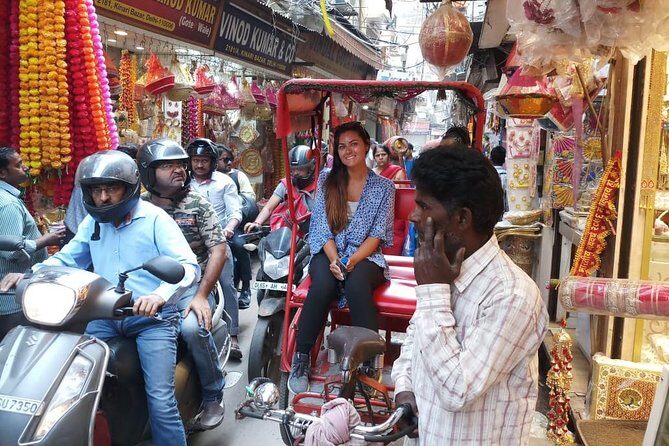
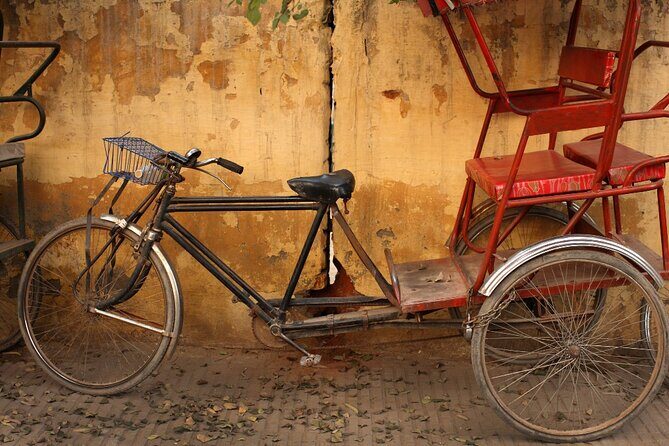
Old Delhi can be a lot in the best way. Streets tighten, people cluster, horns pop, and it’s hard to keep track of where you are while also trying to see everything. This tour solves the main problem with a vehicle-based plan: you start with a private air-conditioned car for the transfers, then switch to a tuk-tuk/cycle rickshaw for the parts that are too tight for a bigger vehicle.
That change matters. Riding keeps you from turning the whole day into sore legs and blurry navigation. You also get to look at the street life in a more relaxed way—shopfronts, lane patterns, and the way the markets spill into the sidewalks. The stop durations are short on purpose, which helps you see major highlights without turning the day into a long grind.
You’ll also have a guide with you from the start. The plan is built around your pickup time (typically 09:00 AM or whatever time you choose), and the guide meets you along the way and helps you connect the landmarks to the wider story of the city. One review response highlighted how clearly the pickup/payment details were handled, which is exactly the kind of practical thing that makes a short tour run smoother.
Small comfort note: the tour provides cold bottled water, but the ride itself can get bumpy in crowded lanes. Bring a flexible attitude. If you expect a calm ride, Old Delhi will correct you fast.
You can also read our reviews of more tours and experiences in New Delhi.



Jama Masjid first: big views with a practical time limit
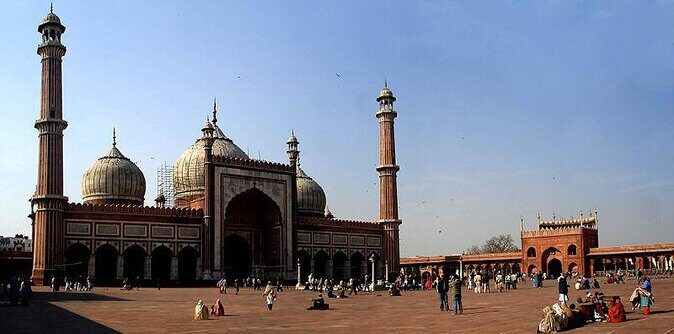
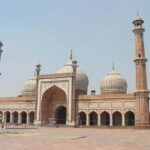
Your tour’s first real highlight is Jama Masjid, described as India’s largest mosque. You’ll get around 30 minutes here, long enough to walk the red sandstone courtyard and get your eye in. This is a place where you’ll naturally slow down, because the scale is visible from multiple angles and the courtyard layout pulls you along.
If you want the best views, there’s an option to climb a minaret. The key practical detail: Jama Masjid admission isn’t included, so if you want to go up, you should expect to pay for it separately. Even without the climb, the courtyard experience is strong. It’s one of those stops where you don’t need to “study” anything to feel the place—your senses do the work.
Also watch your timing and behavior. Religious sites often have flow rules and areas where you should move carefully. If you’re wearing anything that’s overly casual or difficult to manage, plan to adjust. And if you’re the type who gets stressed by stairs or crowds, you’ll likely be happiest with just the courtyard time.
This is also where the tour does a good job of pacing. By starting with a major landmark, you build context early. Later stops in Old Delhi feel less like random streets and more like connected neighborhoods.
Chandni Chowk to Kinari Bazaar: markets for your eyes, not just your shopping bag
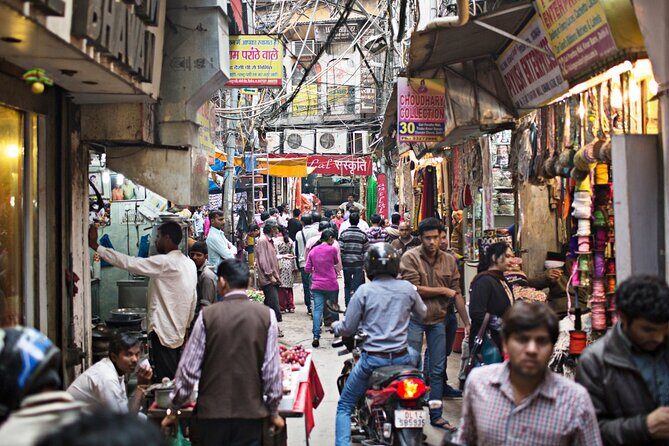
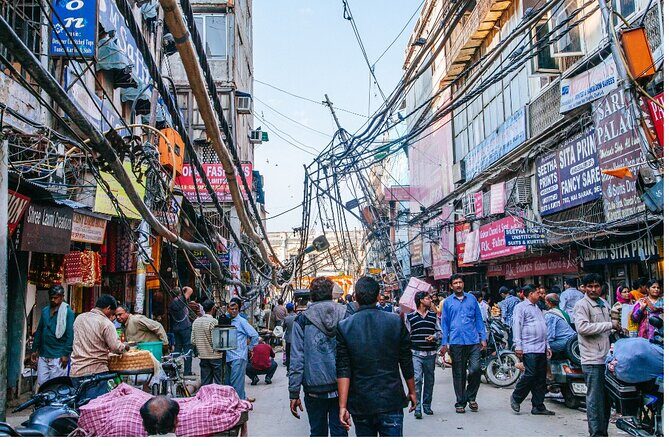
After Jama Masjid, you hop into the tuk-tuk/cycle rickshaw and roll into the market lanes. The next named stop is Chandni Chowk, Old Delhi’s main thoroughfare and a wholesale market lined with hawkers and porters. You’ll have about 30 minutes here, which is the right amount of time to see the vibe without getting swallowed by it.
Chandni Chowk also has a story you’ll hear along the way. During the reign of Shah Jahan, there was a tree-lined canal running through its center, reflecting moonlight—hence the name, meaning moonlight place. Even if you never find the exact spot where the old canal ran, it gives the street meaning beyond “it’s busy.” When you understand why a place was planned that way, you start noticing patterns.
From there you move to Kinari Bazaar. This stop is ideal if you care about wedding crafts, sewing supplies, or the kind of details people don’t usually notice until they’re shopping for a big event. The tour frames Kinari as a hub for fabric and accessories, with items like silver work, delicate lace, and sparkly borders and sequins. You won’t be promised a guided shopping spree, but the tour gives you enough context to look intentionally rather than randomly.
One reason I like this pairing is that it balances chaos with specific themes. Chandni Chowk hits you with scale and motion. Kinari slows the focus down into materials and trades. You get a “markets you can name” experience instead of just a series of turns.
Comfort tip: these streets are narrow and packed, so keep your phone secure and your bag zipped. If you’re carrying shopping, plan for it later. With short stop times, you’ll want to buy with purpose, not impulse.
Khari Baoli spices: where the lane has a job
Khari Baoli is the next step, and it’s one of the most distinctive stops on the route: Asia’s largest spice market, existing since the 17th century. You’ll again spend about 30 minutes, and the tour is positioned as a learning stop rather than only a photo stop.
Expect hands-on information about spices and their medicinal and health benefits. That’s not the kind of thing you can really guess correctly from signage alone. With a guide, you’re more likely to understand what you’re seeing—different varieties, what people use them for, and why certain spices are common in certain blends.
Because this is a market, not a museum, your experience depends on your attention. If you like textures, smells, and small explanations, it works well. If you’re hoping for a calm, curated space, it can feel intense. This is still a working street market.
Also, “largest” sounds like a marketing word until you stand in the lanes. Then you feel it. The density of spice vendors and the scale of the trade are the story.
If you plan to buy spices, bring a simple plan: decide what you want before you get overwhelmed. Your nose will pull you in a hundred directions once you’re near the crates.
Gurudwara Bangla Sahib and langar: the community kitchen moment
The final major highlight is Gurudwara Bangla Sahib. This Sikh temple is located in the center of New Delhi and is one of the important sacred Sikh shrines. The tour gives you about 1 hour, which is longer than the market stops and helps the visit feel meaningful instead of rushed.
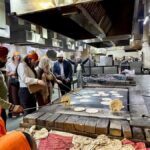
The grounds include more than the worship hall: a kitchen, a large holy pond, a school, and an art gallery. But the tour’s focus is the part most visitors remember: the langar, the community kitchen concept where people can eat regardless of race or religion.
The rules are simple and important:
- You’re asked to cover your head.
- You shouldn’t wear shoes inside.
- The food is prepared by gursikhs and volunteers, so there’s a real sense of shared effort behind the meal.
This is also where the experience feels human. You’re not just looking at a building; you’re watching a system of care in action. Even if you’re not sure what to say, you can still participate respectfully by following the guidelines and treating the meal as part of the ritual.
One extra practical note: the tour description also mentions that anyone can volunteer in the Gurudwara, though it doesn’t say you’ll be offered the chance during your visit. Still, the idea is clear: this place runs on community work, not performance.
If you’re someone who wants Old Delhi to include more than shopping and traffic, this stop is the anchor.



Price and logistics: what $99 covers and where you should plan for extras
At $99 per person, this tour isn’t just paying for a ride. You’re paying for a working plan that combines:
- a licensed guide,
- private air-conditioned car sightseeing,
- bottled water (cold and unlimited),
- parking, tolls, taxes, and fuel,
- hotel/airport pickup and drop-off,
- tuk-tuk/rickshaw transport through Old Delhi,
- and time at major landmarks and markets.
That bundle is the main value story. In a city where getting from place to place can become a mini project, the inclusion of pickup/drop-off and car transfer reduces friction. The tour is also described as private, meaning you’re doing this with your group rather than mixing into a large crowd tour.
Where costs can pop up: Jama Masjid admission isn’t included. If you climb the minaret, that’s likely your extra spend point. The rest of the listed stops have admission marked as free in the tour details.
Now, a heads-up based on one critique: there was a report of a guide asking the group to give the tuk-tuk driver 200 INR. The operator response explained that in India, tuk-tuk drivers don’t earn much and that payments like this help them financially. Even if you understand the logic, it can feel awkward if you expected no cash request during the tour.
My practical advice: carry some small bills so you’re not caught off guard. And if you’re paying tips, do it willingly, not under surprise. If you want clarity, ask your guide before you start what the expectations are for driver support.
Comfort, timing, and how to avoid a frustrating short day
This is a 4 to 5 hour experience. That means every stop has a purpose and a boundary. You’ll do multiple landmarks and markets, and you’ll spend your “busy” time primarily on short walking bursts and then riding between lanes.
Here’s how to make it feel smooth:
- Wear breathable clothes and comfortable shoes. Markets and religious sites mean uneven footpaths and short transitions.
- Bring something for head coverage at Gurudwara Bangla Sahib. The tour says visitors are requested to cover their head and remove shoes.
- Keep your valuables secure on Chandni Chowk and Kinari Bazaar. Narrow lanes turn “one quick grab” into a hassle.
- Go in ready for crowds. Old Delhi is not a quiet street scene.
About the guide experience: one positive takeaway from feedback was that the guide was sweet, answered questions well, and the communication after booking was clear about pickup timing. That matters on a short tour because you don’t want to burn minutes figuring out where to meet or what’s happening next.
Also, the tour notes confirmation at booking and offers a mobile ticket. That’s a small thing, but it reduces friction on arrival.
If you’re traveling with limited time, this setup can be perfect. If you’re craving slow, deep wandering, you might want a longer walking-based day plan instead. This one is optimized for highlights, not drifting.
Should you book this Old Delhi tuk-tuk tour or skip it?
Book it if you want a clean, organized way to see Old Delhi’s main landmarks in a short window. I think it’s a solid match if you like structure but still want real street energy—Chandni Chowk and Khari Baoli feel like markets, not staged attractions. The langar stop at Gurudwara Bangla Sahib is also a strong reason to choose this particular route, because it adds something beyond sightseeing.
Skip it if you’re highly sensitive to discomfort from tight lanes and nonstop motion. Even with the ride, Old Delhi can be visually and physically intense. Also, if you strongly dislike any chance of cash requests for drivers, you’ll want to clarify expectations ahead of time.
One final reason to feel confident: the tour includes hotel/airport pickup and drop-off, plus bottled water and parking/taxes. That reduces the usual “hidden effort” parts of city touring. And with free cancellation available up to 24 hours before the start time, you can book, confirm your timing, and keep flexibility if plans shift.
FAQ
What time does the Old Delhi tour start?
You’ll start at 09:00 AM or at your given pickup time.
Is pickup and drop-off included?
Yes. Pickup from your preferred location in Delhi, Gurugram, or Noida is included, and you’ll be dropped back at your hotel, airport, or railway station.
Is the Jama Masjid ticket included?
No. Jama Masjid admission is not included, so you should plan for that cost if you want to enter and/or climb the minaret.
How long is the tour?
It runs about 4 to 5 hours.
What happens at Gurudwara Bangla Sahib?
You’ll visit Gurudwara Bangla Sahib for about 1 hour, including time connected to the community kitchen (langar). You’re requested to cover your head and not wear shoes.
Does the price include the tuk-tuk or rickshaw ride?
Yes. The tuk-tuk/cycle rickshaw ride in Old Delhi is included.