REVIEW · NEW DELHI
Learn 5-6 & Eat 9-10 Veg & Non-Veg Authentic Dish in a Delhi Home
Book on Viator →Operated by Indiavaluetrips · Bookable on Viator
A Delhi family kitchen turns dinner into a lesson. I love that this is a private hands-on cooking class led by Malika and Anurag, and that you’ll learn 5–6 dishes while also tasting a full spread of snacks, breads, and a homemade dessert. One drawback to plan for: you’re in the kitchen for about 6–7 hours, and the menu can include both veg and non-veg options.
This is built for people who want Indian food that feels real, not staged. You start with a chat over masala tea or coffee, then you cook alongside your hosts at their family home, with time to ask questions about local food, customs, and everyday life. If you want strictly hands-off entertainment, this might feel like work—but it’s the good kind, the kind you’ll remember when you’re back home.
In This Review
- Key highlights you’ll actually care about
- Why This Delhi Home Cooking Class Feels Different Than a Restaurant
- Meeting in Dwarka at 3:00 pm, Then Getting Straight Into the Kitchen
- Welcome Spread: Masala Tea or Coffee Plus Pakora, Chaat, and Dahi Bhalla
- Your Cooking Skills: Learn 5–6 Dishes With Real Technique
- The Big Meal Part: Taste 9–10 Classics Including Breads and Dessert
- Making It Work for Beginners (and How the Hosts Keep You on Track)
- Vegetarian, Non-Vegetarian, and Custom Menus You Can Control
- Food as Culture: Conversations While You Cook
- Price and Value: What You’re Really Paying For at $120
- Who Should Book This Delhi Home Cooking Class (and Who Might Not)
- Should You Book?
- FAQ
- FAQ
- What time does the Delhi home cooking class start?
- How long is the experience?
- Is this experience private or shared?
- What will I eat during the class?
- How many dishes will I learn to cook?
- Is pickup or transportation included?
- What food is included in dinner?
- Can I cancel for a full refund?
Key highlights you’ll actually care about
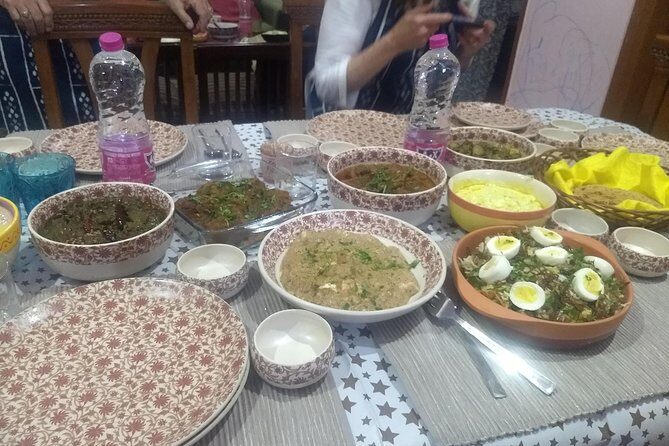
- Private class in a family home with Malika and Anurag working with you in the kitchen
- Cook 5–6 dishes, then eat 9–10 items including snacks, breads, and dessert
- Welcome drinks + starter snacks like masala tea/coffee, pakora, chaat, and dahi bhalla
- Both veg and non-veg options (you’ll choose what to include, with customization possible)
- Hotel-area convenience thanks to hassle-free transfers arranged for your pickup area
Why This Delhi Home Cooking Class Feels Different Than a Restaurant
Delhi has plenty of cooking classes where you watch, take notes, and leave with a nice story. This one is more practical. You’re not just learning recipes—you’re learning how Indian home cooks build flavor in stages: start with tempering and aromatics, balance spice with acid and sweetness, and adjust texture until it feels right.
I like that the hosts explain the “why,” not just the “what.” You’ll be guided to make dishes such as curries, lentils, and kebabs, plus get support while you prepare traditional accompaniments like rice and bread as part of the overall meal experience. That matters because Indian cooking isn’t one magic ingredient—it’s a chain of small decisions.
Here’s the other big value: you’ll be in a modern family setting where conversation is part of the evening. The experience isn’t only about food. You’ll learn about local food culture—what meals mean for different occasions and regions—and you’ll hear personal stories while you cook and eat.
A few more New Delhi tours and experiences worth a look

Meeting in Dwarka at 3:00 pm, Then Getting Straight Into the Kitchen
Your day begins at Nishat Park, Sector 15, Dwarka with a 3:00 pm start. The class ends back at the meeting point. That timing is ideal if you’re sightseeing earlier in the day and want a slower, evening-shaped meal experience.
One practical benefit: it’s described as near public transportation, so you’re not trapped in a far-out location with no transit options. Another is the “hassle-free transfers” approach from your New Delhi hotel—meaning you’re meant to spend less time figuring out logistics and more time focusing on cooking.
You should still think like a home guest. Expect to move around a bit, help where you can, and spend real time in the kitchen. Wear comfortable clothes you won’t mind getting a little spice on—this is hands-on cooking, not a museum tour.
Welcome Spread: Masala Tea or Coffee Plus Pakora, Chaat, and Dahi Bhalla
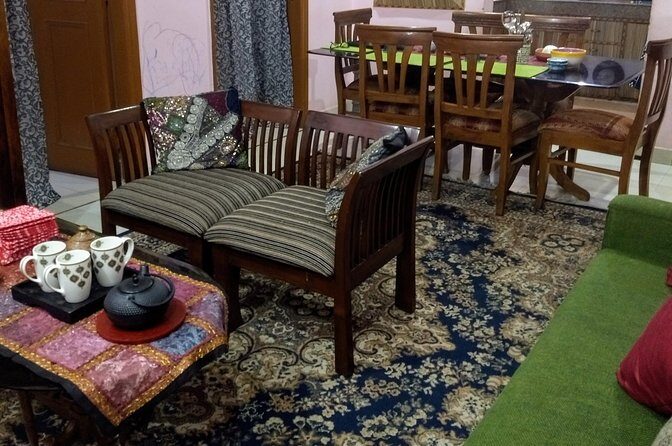
Before any chopping starts, you’ll get an intro chat when you arrive. Your choice of masala tea, coffee, or another traditional Indian drink comes with two starter snacks.
From the included list, you can expect options like:
- Mix Vegetable Pakora, the crisp, spiced fritter often served hot
- Street-style chaat with green sauce—tangy, salty, and built for snack pace
- Dahi Bhalla, a yogurt-based snack that balances soft texture with spice and chutney notes
This matters because it sets the flavor baseline for what comes later. You’ll notice how Indian meals often build contrast: warm and crisp against cool and creamy, spicy against sour, and savory against a touch of sweetness.
It also helps you get oriented fast. You’ll meet your hosts, you’ll get a sense of the kitchen workflow, and you can ask questions right away—especially if you’re a beginner or you want certain spice levels.
Your Cooking Skills: Learn 5–6 Dishes With Real Technique
The “learn 5–6” part is the heart of the experience. You’ll be guided to cook typical Indian foods with hosts actively participating with you at your own pace. That’s especially reassuring if you’re not confident in the kitchen.
You’re specifically expected to work on core categories like:
- Curry (the base flavor and sauce-building)
- Lentils (thickness, seasoning balance, and texture)
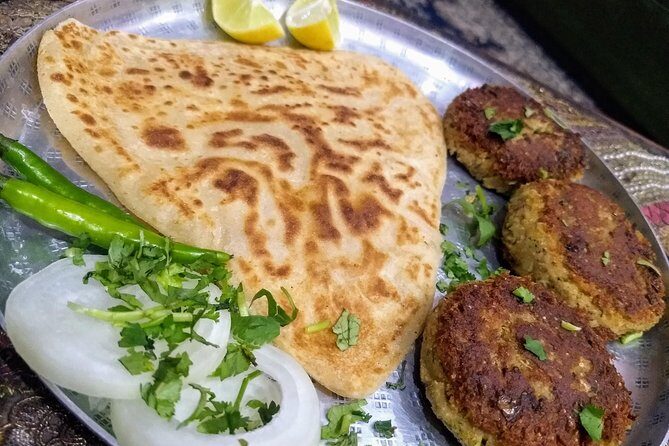
- Kebabs (spice layering and getting the right mouthfeel)
And because Indian meals are a full system, the class also connects these dishes to what you eat alongside them—like breads, rice, and the final dessert course.
What I like is the learning style: you’re not standing on the sidelines watching someone else do the real work. You participate. You’ll likely repeat steps, adjust seasoning, and learn what to look for as things cook (like when a sauce changes from raw-spice sharpness to rounded flavor).
If you’re thinking “I just want recipes,” this still works. You’ll leave with a better mental map of how to rebuild similar dishes—not only what ingredients to buy.
The Big Meal Part: Taste 9–10 Classics Including Breads and Dessert
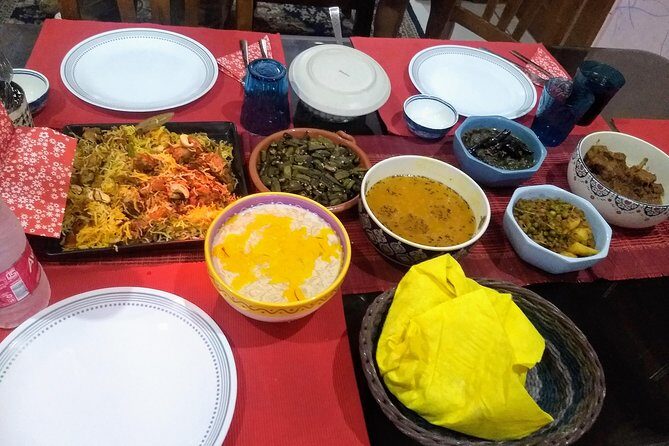
After the cooking time, the evening turns into eating—lots of it. The experience is set up for you to taste at least 10 different Indian dishes, including breads and dessert, plus street snacks and drinks you start with.
From what’s included, your dinner can include choices such as:
- Chicken or mutton curry (you choose any 1)
- Tikka or kebab (any 1)
- Lentil dish
- Dry vegetable with cottage cheese (paneer-style, though the exact preparation isn’t specified)
- Biryani (mutton or chicken, any 1)
- Naan
- Homemade dessert
This is where the value shows. At many food tours, you taste a little of several things. Here, you taste a complete meal—so your brain can connect flavors to each other. Curry sauce + lentils + a grilled kebab + naan + biryani is a very different experience than sampling separate bites.
Also, since the experience includes both veg and non-veg dishes, you’ll be able to compare spice handling across proteins and vegetables. That’s useful even if you personally prefer one category, because you’ll understand what changes and what stays the same.






Making It Work for Beginners (and How the Hosts Keep You on Track)
If you’re a “kitchen noob,” don’t worry. The class is described as pace-based, with hosts actively participating so you learn at your own speed.
That style matters because Indian cooking can feel intimidating when you’re staring at a bowl of spices that all look like they belong in different planets. In a good teaching setup, you don’t just get instructions—you get feedback while you cook.
Here’s what you should look for during the class:
- How the spice base starts (aromatics, fat, and when things are safe to add)
- How texture gets adjusted (thickness for curries and lentils)
- How kebab mixtures are handled (binding and seasoning steps)
- How you decide doneness without guesswork
The best part is that you can ask questions as you go. This is a family-home setting, so the tone is less formal. You’re meant to be part of the process, not a spectator with a clipboard.
Vegetarian, Non-Vegetarian, and Custom Menus You Can Control
This experience includes both veg and non-veg dishes, and you get flexibility. The included menu lists specific non-veg items (like chicken/mutton curry and biryani) along with vegetarian options (like lentils, dry vegetable with cottage cheese, and naan).
More importantly, the way the hosts handle menus is personal. One of the reviews you’ll see tied to Malika describes how she prepares in advance by asking what dishes someone wants and whether there are restrictions. That same approach came up with a pescatarian guest—her menu was customized, and an egg curry stood out as a highlight.
So what’s the practical takeaway for you? If you have dietary preferences or restrictions, communicate them at booking. Don’t wait until you arrive. The more clarity you give, the smoother the menu adaptation will be.
And if you’re vegetarian-only, you should confirm what substitutions are possible since the dinner includes non-veg options by default in the standard list.
Food as Culture: Conversations While You Cook
The class isn’t just a skills workshop; it’s also a cultural one. You’ll spend time chatting with your hosts and sharing stories. There’s a specific emphasis on food’s place in Indian occasions and across different regions—how meals connect to celebrations, seasons, and family routines.
You’ll also get a window into home life. The experience describes a modern household where two adults from different backgrounds (cultures, traditions, and faiths) live and work together. In practice, that shows up in how the kitchen runs: different preferences, shared routines, and the way everyone contributes.
This is also why the experience works well for solo travelers. You’re not sitting alone waiting for dinner. You’re cooking with people who want to talk.
Price and Value: What You’re Really Paying For at $120
At $120 per person, this isn’t the cheapest option in Delhi—but it’s also not pretending to be.
You’re paying for:
- A private class setup (only your group participates)
- Real hands-on time in a home kitchen
- A full eating arc: snacks, drinks, 9–10 tastings, plus dinner-style portions
- Hosts who teach, with attention to your pace
- Transfer support from your hotel area (described as hassle-free)
If you compare it to a cooking class plus a separate food tour meal, the value starts to make sense. You’re getting the teaching AND a full set of dishes in one go. Plus, private setups reduce the usual frustration of trying to learn while a larger class moves on too fast.
Where the price becomes a smart move for you is if you:
- want to leave with skills you’ll actually use, not just photos
- like eating a lot and comparing flavors in one sitting
- want a more personal, less commercial vibe
If you’re budget-only and you’re happy with street food snacks, you might find cheaper alternatives. But if you want a “learn-and-eat dinner” experience, this price lines up with what you’re getting.
Who Should Book This Delhi Home Cooking Class (and Who Might Not)
This tour fits best if you want to:
- learn Indian home cooking in a hands-on way
- eat a complete meal with multiple courses and flavor types
- ask questions about Indian food culture while you cook
- enjoy a mix of vegetarian and non-vegetarian dishes (or get a customized menu)
It might be less ideal if:
- you dislike spending a long continuous block of time in a kitchen
- you’re only interested in vegetarian dishes and don’t want any menu questions
- you prefer quick tastings over cooking time
If you’re traveling with friends or family, the group element can also be a plus because the class is private to your group, which keeps the learning experience focused.
Should You Book?
I’d book it if you’re the kind of person who remembers a trip by what you learned, not just what you photographed. The private home setting, the chance to learn 5–6 dishes, and the fact that you’ll taste a full 9–10 item spread make it a strong value for a serious foodie.
I’d skip it if your top priority is a short, low-effort activity. This is a real cooking class, and your time in the kitchen is the point.
FAQ
FAQ
What time does the Delhi home cooking class start?
It starts at 3:00 pm.
How long is the experience?
It runs about 7 hours (approximately).
Is this experience private or shared?
It’s private. Only your group participates.
What will I eat during the class?
You’ll taste at least 10 different Indian dishes, including breads and dessert, plus starter snacks and drinks.
How many dishes will I learn to cook?
The experience is described as learning 5–6 dishes.
Is pickup or transportation included?
The experience mentions hassle-free transfers from your New Delhi hotel, but it also lists private transportation as not included.
What food is included in dinner?
Dinner can include items such as chicken or mutton curry, tikka or kebab, lentils, dry vegetable with cottage cheese, chicken or mutton biryani, naan, and homemade dessert.
Can I cancel for a full refund?
Yes. You can cancel up to 24 hours in advance for a full refund.
If you want, tell me your dietary preferences (veg only, pescatarian, spice tolerance) and where you’re staying in Delhi. I can help you sanity-check whether the menu mix and timing will fit your trip.