REVIEW · JODHPUR
Jodhpur: Guided City Tour
Book on GetYourGuide →Operated by walk in bluecity · Bookable on GetYourGuide
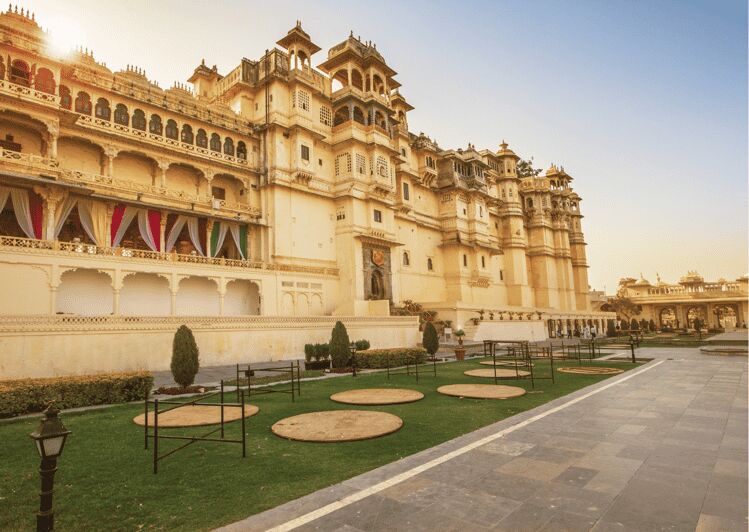
Cenotaphs, fort gates, and blue streets. This 4-hour guided city circuit in Jodhpur connects royal memory at Jaswant Thada with the dramatic scale of Mehrangarh Fort, then carries you to the clock tower area and local market life.
I love how the route is paced for understanding, not just photos, with a guide who can explain what you’re seeing as you walk. You’ll also like the practical, hands-on market time—artisans working in-shop and tea tastings you can plan around. The main consideration is the walking: it’s all on foot, and there’s no hotel pickup, so comfortable shoes matter.
In This Review
- Key highlights worth your time
- Meeting at Jaswant Thada: where royal history feels personal
- Mehrangarh Fort and the Rathore story you can walk through
- From fort energy to Toorji Ka Jhalra stepwell calm
- Ghanta Ghar and Sardar Market: old Jodhpur at human speed
- The guide experience: where value actually shows
- Price and logistics: is it good value?
- How this tour fits different travel styles
- Tips to make the 4 hours easier
- Should you book this Jodhpur guided city tour?
- FAQ
- Where does the tour start?
- How long is the Jodhpur guided city tour?
- What sites are included in the route?
- What’s included in the price?
- What is not included?
- What languages are available for the guide?
- What is the cancellation policy?
Key highlights worth your time
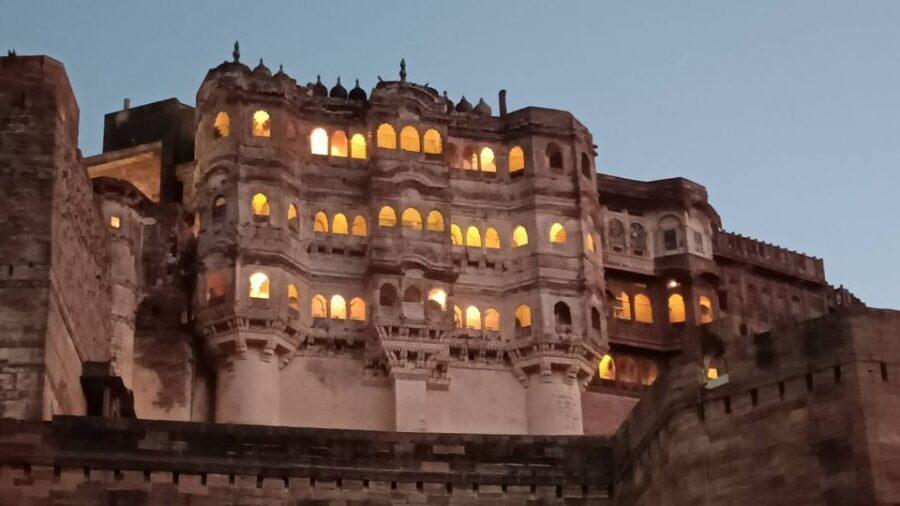
- Rathore clan storytelling at Mehrangarh Fort: Gate-by-gate context helps you read the fortress like a map of power.
- Jaswant Thada’s royal cremation grounds: Built in 1899 in memory of Maharaja Jaswant Singh II, not just a pretty stop.
- Toorji Ka Jhalra stepwell walk: A cooler, quieter pause after fort energy.
- Clock Tower area views (Ghanta Ghar): A 360-degree viewpoint is built into the experience.
- Sardar Market craft + tea culture: Workshops alongside shops, plus tea types like ginger, Assam, Kashmiri kahwa, and Darjeeling.
Meeting at Jaswant Thada: where royal history feels personal
Your tour starts at Jaswant Thada, and that’s a smart choice. This isn’t a generic “see-this-landmark” first stop. It’s a royal cenotaph built in 1899 by Maharaja Sardar Singh in memory of his father, Maharaja Jaswant Singh II. The site also serves as the cremation ground for the royal Rajput family of Marwar, so the mood is more reflective than flashy.
Expect a guided visit that takes about 30 minutes, plus time for a photo stop. If you’re the kind of traveler who likes meaning behind stonework, this works well. The guide can point out the difference between a memorial designed to be seen and one meant for remembrance—and you get both in one place.
Practical thought: start here even if you’re arriving early or slightly rushed. It sets the historical tone fast, and it’s an easier place to get oriented before the steep fort energy.
You can also read our reviews of more guided tours in Jodhpur



Mehrangarh Fort and the Rathore story you can walk through
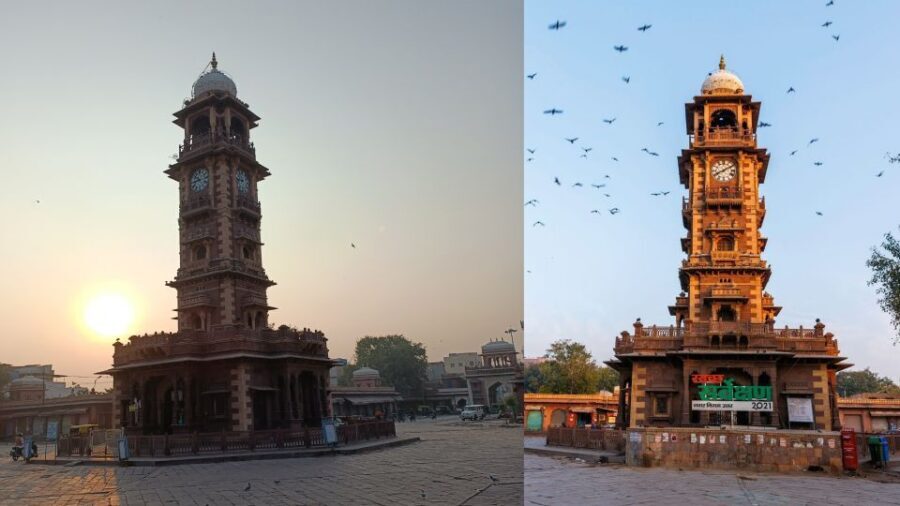
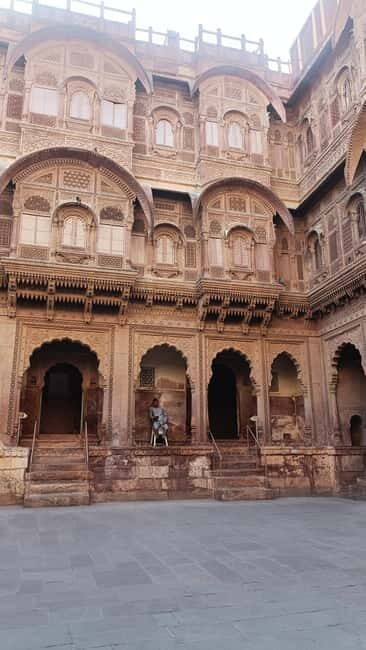
From Jaswant Thada, the tour heads to Mehrangarh Fort, and this is where the scale hits you. The fort rises roughly 122 meters (about 400 feet) above the surrounding plains. The complex covers about 1,200 acres, with an original build around 1459 by the Rathore clan ruler Rao Jodha, while much of what you see today reflects 17th-century construction by successors.
You get about 2 hours at the fort with guided explanations and time for sightseeing and shopping. That blend matters. It’s easy to treat a giant fort as a checklist, but the guide’s job is to help you connect what you’re standing in front of to who built it, why they built it, and what the gates were meant to celebrate.
The gates are especially useful for visualizing the fort’s storyline:
- Jai Pol (Victory Gate) is the main entrance, associated with Maharaja Man Singh and victories over the Jaipur and Bikaner armies in 1806.
- Fattehpol (Victory Gate) connects to Maharaja Ajit Singh and victory over the Mughals.
This is the kind of detail that turns a fort from impressive into memorable. You don’t just see walls. You learn how rulers used architecture as a kind of message.
A quick reality check: Mehrangarh is a fortress, so there’s uneven walking and lots of sun exposure. Plan on hydration and take slower breaks when you need them. If you have mobility limitations, this is still possible with a private group and guide support—but you should be honest about how much walking you can handle.
From fort energy to Toorji Ka Jhalra stepwell calm
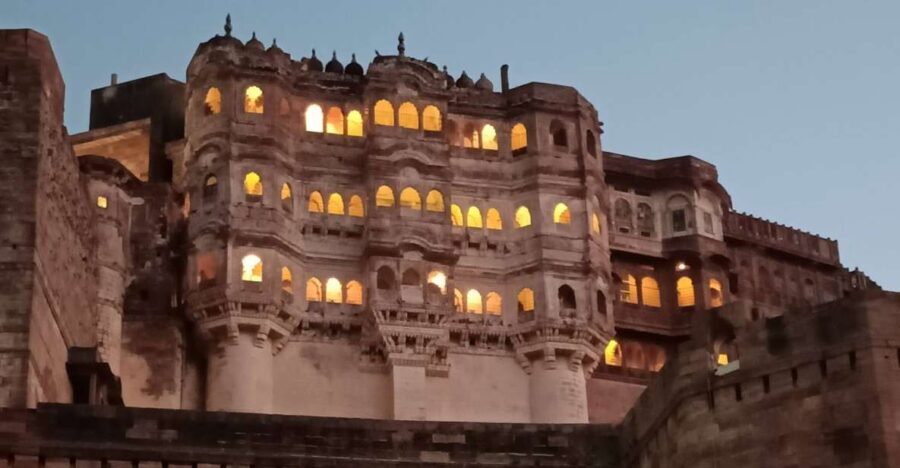
After the fort, you’ll take a short walk downward toward town, with a key stop along the way: Toorji Ka Jhalra (also spelled Toorji Ka Jhalra / Toorji’s Step Well). This stop is described as an 18th-century stepwell with intricate sandstone.
Why it works in the middle of the day: it’s the emotional counterweight to the fort. The fort is power and height; the stepwell is human scale and craftsmanship. Even if you don’t know Rajasthan’s stepwell tradition in depth, you’ll likely feel the difference immediately—stonework that’s meant for repeated use and designed with function in mind.
Your visit here is guided, followed by a walk. Keep your eyes on the stone details and the geometry. That’s where the “intricate” part shows up. Also, the timing is helpful: you get a break before the market area, which can be crowded and hot.
Tip: give your camera a moment here. Stepwells often photograph better from angles that show how layers of steps descend. A guide can help you avoid awkward blind spots.
Ghanta Ghar and Sardar Market: old Jodhpur at human speed
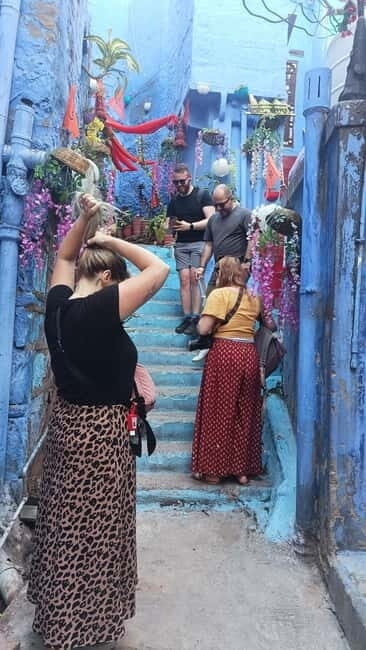
Next up is the clock tower region—often referred to as Ghanta Ghar. The structure is about 115 years old, and there’s even an option to get a city view from the top, described as 360-degree. The tour time for this area is short (around 30 minutes), so you won’t feel stuck. You’ll just get the essentials: the landmark, the atmosphere, and enough time to move on.
Right next to the clock tower is Sardar Market, and this is where the tour shifts from monuments to everyday life.
What I like here is that it’s not just shopping as a chore. You can watch artisans at work, since many shops have workshops attached. That means you can see traditional techniques in action while you browse. The tour points out things like handbags and scarves, and you’ll likely find the browsing more meaningful when you can connect the item to the hands making it.
Then there’s the tea element, which is a fun, practical travel detail. Sardar Market is presented as having tea options for different moods and tastes—things like ginger tea, Assam tea, Kashmiri kahwa, Darjeeling tea, and masala mix. If you’re thinking about what to take home or what to drink to reset after a walking day, this is a good spot to make that decision.
Real-world note: market areas can be lively and you’ll be on foot. If you’re prone to getting overwhelmed, keep your goals simple: one coffee/tea moment, one craft browse, and one small souvenir if you find something that truly fits.
The guide experience: where value actually shows
This is a guided private group tour, with a live guide in English, Hindi, or Italian. The pricing and format make sense if you want explanation without joining a big bus-style crowd.
In practice, the guide experience seems to be the star. One guest highlighted the guide Tarun for strong Italian and professional, careful planning. Another guest emphasized that Tarun’s explanations were detailed and personal, not just a recitation of facts. That combination matters. It’s the difference between hearing dates and understanding why those dates shaped Jodhpur.
Because it’s private, you can also adapt in small ways. If you want extra time at the fort gate explanation, or you’d rather push a little faster through the market, that flexibility tends to be easier than on group tours.
You can also read our reviews of more city tours in Jodhpur





Price and logistics: is it good value?
At $16 per person for a 4-hour tour, this is one of those deals that works best if you already plan to walk around central Jodhpur anyway. You’re paying mainly for three things:
- A guide to connect history to what you see
- Time efficiency (you don’t have to figure out the order yourself)
- Access to context in key places (Jaswant Thada, Mehrangarh Fort, stepwell, clock tower)
What’s not included is also important:
- No hotel pickup or drop-off: you meet at Jaswant Thada.
- No food or drinks included: bring water, and plan your tea/refreshment stop.
- Entrance tickets for monuments not included: you’ll want to budget for whatever is required at the sites during your visit.
The upshot: if you want a structured historical walk without paying for private car service, this is a solid value. If you’re expecting the price to cover everything, you’ll need a small reality check for tickets.
How this tour fits different travel styles
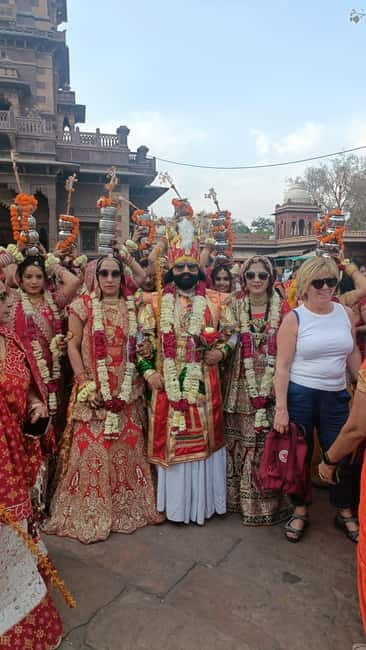
This guided walk is a strong match if you:
- Like history that you can see, especially linked to specific gates and royal memorials
- Enjoy markets for more than just buying souvenirs
- Want a route that flows logically from cenotaph → fort → stepwell → clock tower area
It’s also a good option for families who can handle steady walking. One review noted that a group with children (ages 8 and 12) managed the full loop on foot. That’s a useful benchmark—just remember everyone’s stamina is different.
If your travel style is mostly “one big landmark and then relaxing,” this might feel like too much movement. For you, it may work best as a morning tour (or at least a cooler part of the day) so you’re not fighting heat.
Tips to make the 4 hours easier
A few small things can make a big difference on this route:
- Wear comfortable walking shoes. Fort areas and market streets both involve uneven footing.
- Bring water and consider a light snack strategy, since food isn’t included.
- Use the guide’s stop order. The flow is designed to reduce backtracking.
- If you like photos, plan to spend a bit longer at Jaswant Thada’s photo window and at Ghanta Ghar’s viewpoint timing.
Also, since the meeting point is Jaswant Thada, don’t under-estimate getting there on time—arrive a few minutes early so your tour start doesn’t feel rushed.
Should you book this Jodhpur guided city tour?
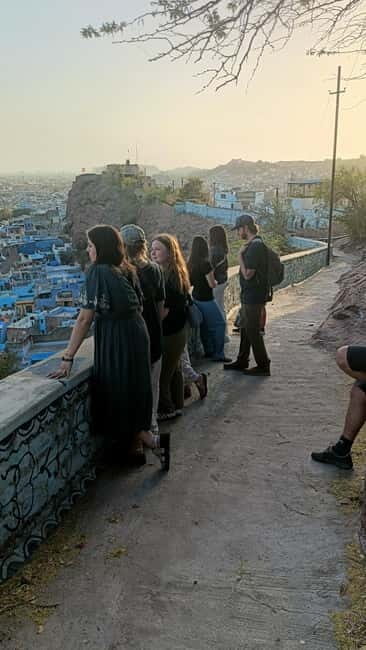
Book it if you want an efficient, history-forward walking day that mixes royal sites with real local life. The biggest reason to say yes is how well the route connects meaning: Rathore clan context at Mehrangarh, a memorial that’s also a royal cremation ground at Jaswant Thada, and then a calmer shift to Toorji Ka Jhalra before the market and clock tower area.
Skip or rethink if you hate walking, can’t handle sun/heat, or you’re looking for a car-based tour with long indoor breaks. Also, if you’re counting on entrance fees being included in the $16, double-check your budget for tickets.
If you do book, you’ll get what makes Jodhpur special: stone stories, strong city views, and market time that feels like you walked into daily life—not just past it.
FAQ
Where does the tour start?
The tour starts at Jaswant Thada, and that’s also the meeting point.
How long is the Jodhpur guided city tour?
The tour lasts 4 hours.
What sites are included in the route?
The route includes Jaswant Thada, Mehrangarh Fort, Toorji Ka Jhalra (stepwell), and the Clock Tower / Ghanta Ghar area near Sardar Market.
What’s included in the price?
The tour includes a live tour guide.
What is not included?
Hotel pick up and drop-off, food/drinks, and entrance tickets for monuments are not included.
What languages are available for the guide?
The live guide is available in English, Hindi, and Italian.
What is the cancellation policy?
You can cancel up to 24 hours in advance for a full refund.