REVIEW · JODHPUR
Jodhpur Blue City Heritage Walking Tour
Book on GetYourGuide →Operated by Blue City Adventures · Bookable on GetYourGuide
The blue lanes start off the right foot. I love how this Jodhpur Blue City heritage walk strings together big-attraction sights with the smaller lanes that make the Blue City feel real, not staged. In about two hours, I walked with licensed guide Imtiyaz (Blue City Adventures), from Toorji Ka Jhalra to Navchowkiya and on to the Clock Tower area, and two things stuck hard with me: the chance to get great photos in the iconic lanes and the built-in time to sample local snacks near the market.
One possible drawback is that this is still a walking tour through older streets and uneven steps. If you’re not comfortable on cobbles and stairs, or if you use a wheelchair, you’ll likely want to skip it; the tour isn’t set up for mobility impairments.
In This Review
- Quick highlights (the parts you’ll actually care about)
- Walking the Blue City, not just looking at it
- Your start point: Shahi Samosa just outside the Clock Tower
- Toorji Ka Jhalra stepwell: the heritage “wow” moment
- Padamsar and Ranisar reservoirs: water heritage with real context
- Navchowkiya blue lanes: where the best photos happen
- Clock Tower Road and Market: snacks, crafts, and street-level energy
- Gulab Sagar: a shorter stop with a different mood
- About those temples: architecture you can actually notice on foot
- Price and value: what $16 buys you in real terms
- What to wear and how to prepare (so the walk stays fun)
- When the photos look best: timing and expectations
- Who should book this Blue City heritage walk
- Should you book it?
- FAQ
- How long is the Jodhpur Blue City Heritage Walking Tour?
- What does the tour cost?
- Where does the tour start?
- What languages are offered?
- Is the entrance cost included?
- What’s included during the walk?
- What should I bring?
- Who is this tour not suitable for?
- Are there any restrictions on what I can bring?
- Is free cancellation available?
Quick highlights (the parts you’ll actually care about)
- Licensed English/Hindi guidance: you get clear context while you walk, not just a route passively marked on a map.
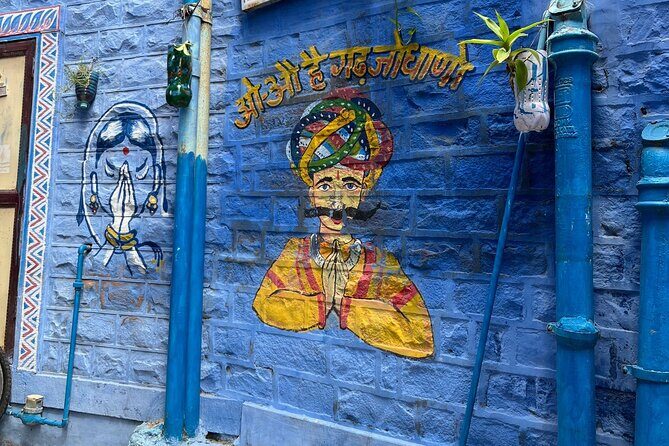
- Toorji Ka Jhalra stepwell: a dramatic 18th-century-style stop that gives you instant atmosphere.
- Ranisar and Padamsar reservoirs: water sites that add meaning to why Jodhpur’s city plan looks the way it does.
- Navchowkiya blue lanes: more photo angles than you’d guess in a short walk.
- Clock Tower Market snack time: you’re in the action where food and craft chatter happen.
- Short, efficient pacing: the whole loop is designed to fit into a 2-hour window.
Walking the Blue City, not just looking at it
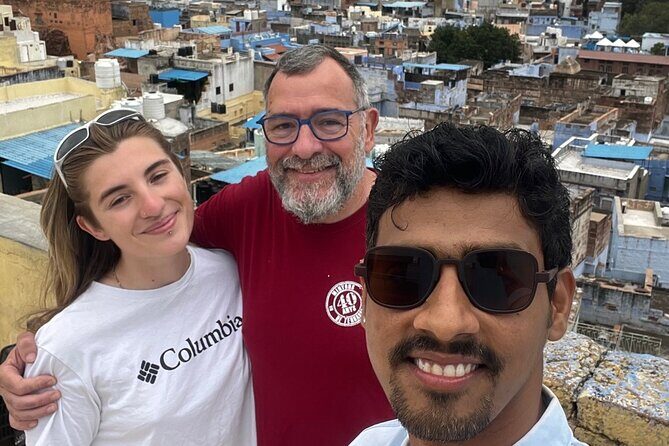
Jodhpur’s Blue City reputation is loud, but what makes it memorable is how it feels at street level. This tour is built for that. You don’t just stand in front of blue walls—you walk through the lanes, stop at a handful of anchor heritage spots, and then get pulled into everyday city life around the Clock Tower area.
I also like that the guide is licensed and communicates in either English or Hindi. That matters because the Blue City isn’t only visual. It’s tied to older architecture, religious places, and water management, and having someone explain what you’re seeing keeps the tour from becoming random sightseeing.
Finally, you get a practical pace. It’s long enough to feel like you saw the core of the Blue City loop, but short enough that you don’t feel exhausted by midday (or before dinner).
You can also read our reviews of more walking tours in Jodhpur


Your start point: Shahi Samosa just outside the Clock Tower
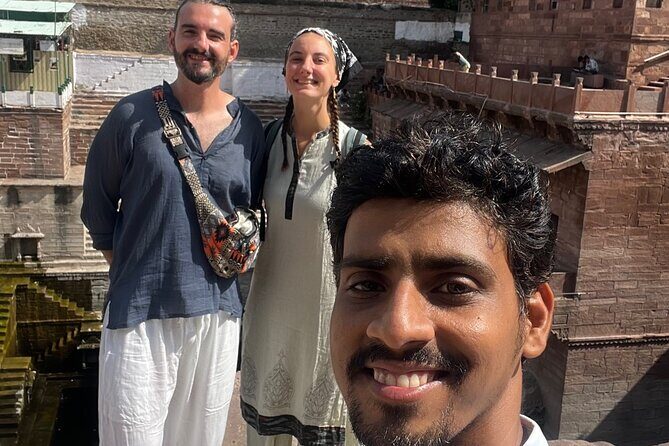
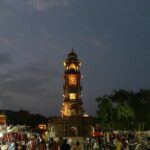
The tour begins at Shahi Samosa, right outside the iconic Clock Tower. This is a smart meeting point for two reasons.
First, it’s easy to orient yourself. If you’re already in the Clock Tower district, you’re basically in the right neighborhood from minute one. Second, it puts you close to the later snack-and-market portion of the walk, so the tour feels like it flows naturally instead of jumping around.
If you like planning around food, this start helps. You’re not far from a place where locals actually eat, and the tour’s later timing makes that food part feel earned instead of accidental.
Toorji Ka Jhalra stepwell: the heritage “wow” moment
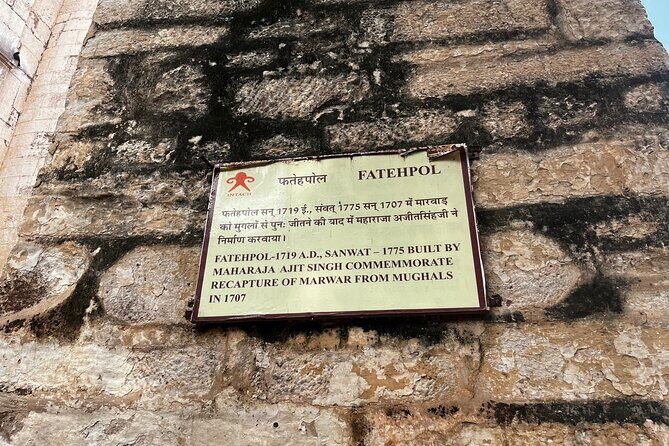
You start with Toorji Ka Jhalra Bavdi, and it’s a standout stop for good reason. A stepwell like this is visual the second you arrive—levels, edges, and that sense of depth that makes the whole area feel older than the street outside.
You’ll get a photo stop plus a short safety briefing before you move around the area. I appreciate that small detail. Stepwells draw people in, but they can also be tricky underfoot, and a quick heads-up helps you enjoy the sight without playing guess-and-hop.
What I like most here is that it sets the tone. After you’ve seen the stepwell, the rest of the tour’s water-related stops don’t feel random. They feel connected, like parts of one story about how cities in Rajasthan made water part of daily life.
Padamsar and Ranisar reservoirs: water heritage with real context
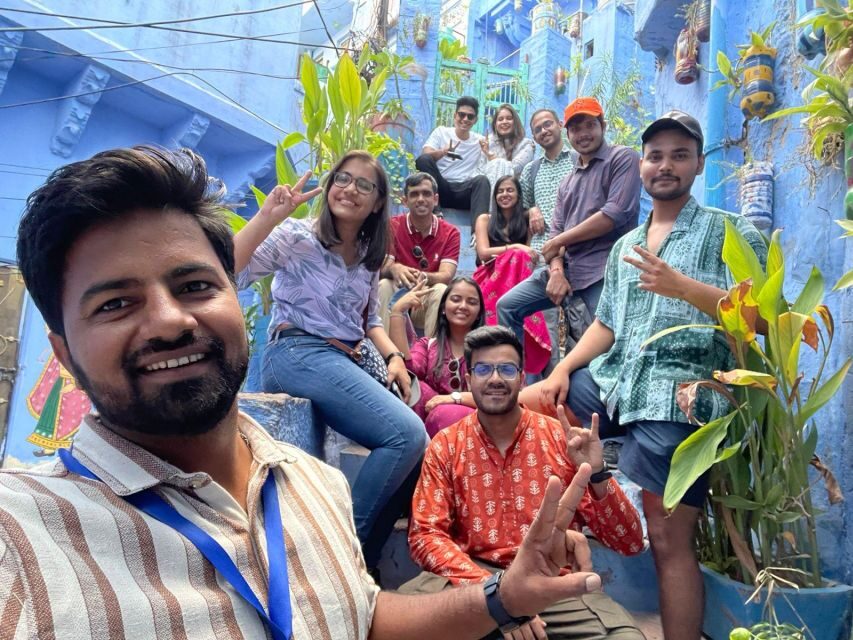
Next up are Padamsar Talab (including a break time and photo stop) and also Ranisar. These are historical water reservoirs, and they do something that a lot of sightseeing stops don’t: they give you a reason to look beyond the blue paint.
Even if you know Jodhpur is dry, seeing the actual reservoir spaces makes the city’s design feel more logical. You start noticing how the old heritage sites are placed and why certain areas became important gathering points.
The tour gives you a short break time here, too. That’s not just a rest stop. It’s helpful if you’ve been walking in the heat and sun before you reached this section. Rajasthan temperatures can swing by the hour, so having the break at this point keeps the second half from turning into a shuffle.
Navchowkiya blue lanes: where the best photos happen
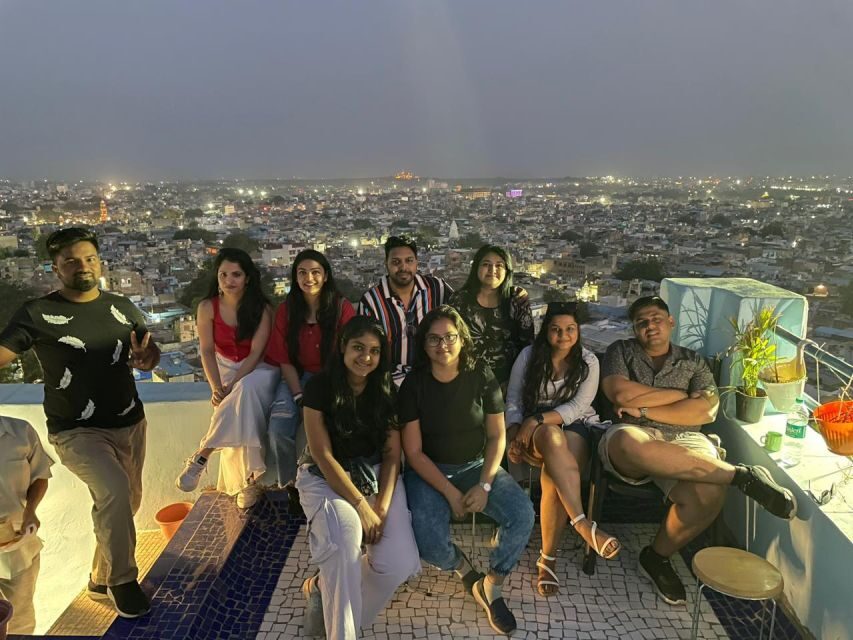
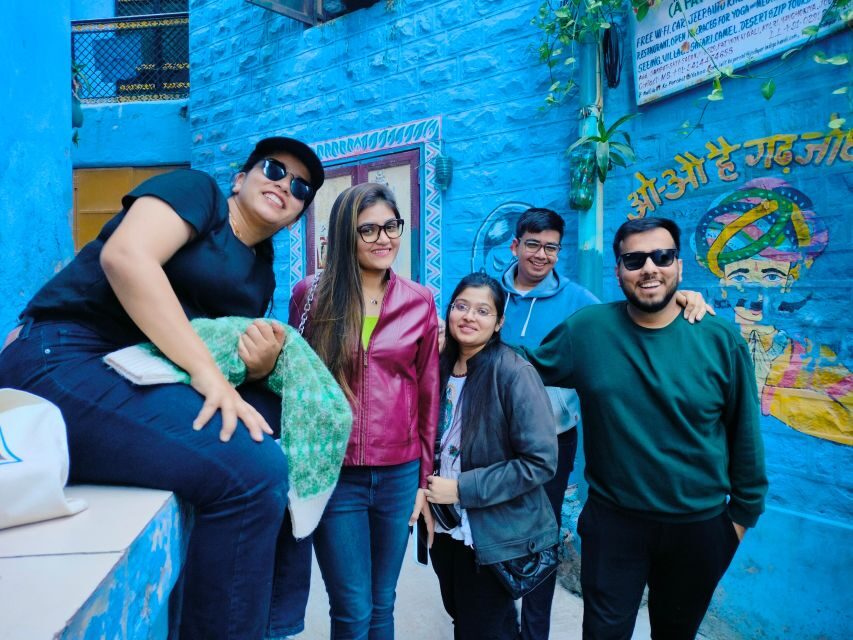
Navchowkiya is where the Blue City becomes hands-on. This is the part that people imagine when they picture Jodhpur: those iconic blue-hued lanes, tight sightlines, and walls that look good from almost any angle.
The tour schedule keeps it focused: photo stop plus guided walk time. That mix is what I’d recommend you look for in any Blue City experience. If you only have time for photos, you miss context. If you only listen to stories, you end up frustrated when you can’t find the best viewpoint.
Also, this is the section where having a local guide really pays off. One of the big takeaways from guide-led feedback is that Imtiyaz often steers people toward lanes and smaller roads that feel less obvious than the main drag. That’s how you get pictures that feel like Jodhpur, not like a postcard copy.
You can also read our reviews of more city tours in Jodhpur


Clock Tower Road and Market: snacks, crafts, and street-level energy
Then you move toward Clock Tower Road and the Clock Tower Market. This is one of those areas where the city looks like it’s happening even when you’re standing still.
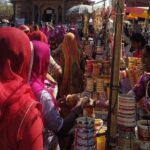
The best part is that the tour doesn’t treat the market as a museum room. It’s built for interaction—where you can talk to artisans, look at crafts, and experience the local food scene up close. The time works out so you’re not overwhelmed. You have a guided walk plus sightseeing time, and then you’re positioned to try local delicacies.
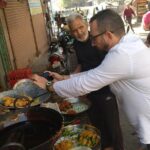
One helpful detail: you’re not going in blind. A good guide helps you spot what’s worth tasting and where you’ll actually feel comfortable ordering. In feedback from the group, Imtiyaz was credited with pointing people toward two strong food addresses close to the market, which is exactly what you want after a long walk—simple, practical recommendations, not a vague suggestion to try everything.
If you have a sensitive stomach, still play it smart. Eat in spots that look busy and fresh, but keep your choices moderate. The tour lasts about two hours, so there’s no need to turn this into a food marathon.
Gulab Sagar: a shorter stop with a different mood
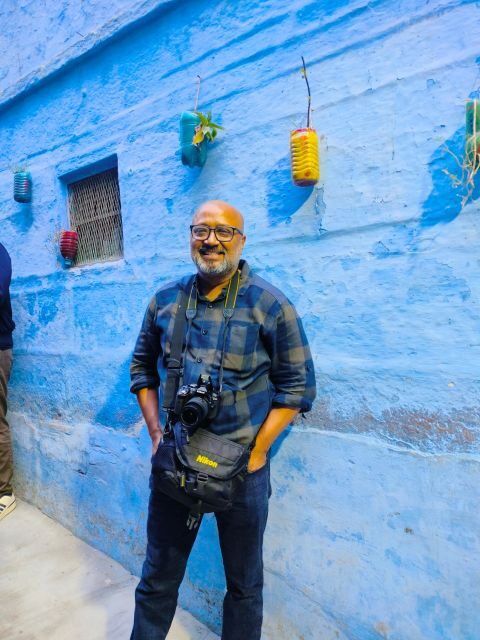
Gulab Sagar is a quicker visit, but it adds balance. After stepwells and reservoirs, this stop gives you another view of water-adjacent heritage sites without making the tour feel heavy.
Even if you spend only a few minutes here, it helps you connect the dots: in Jodhpur, water isn’t a side topic. It’s woven into where people built, gathered, and worshipped over time.
I also like short stops like this because they act like a palate cleanser. You go from blue lanes and market noise back to calmer sightlines and a more reflective moment before wrapping up.
About those temples: architecture you can actually notice on foot
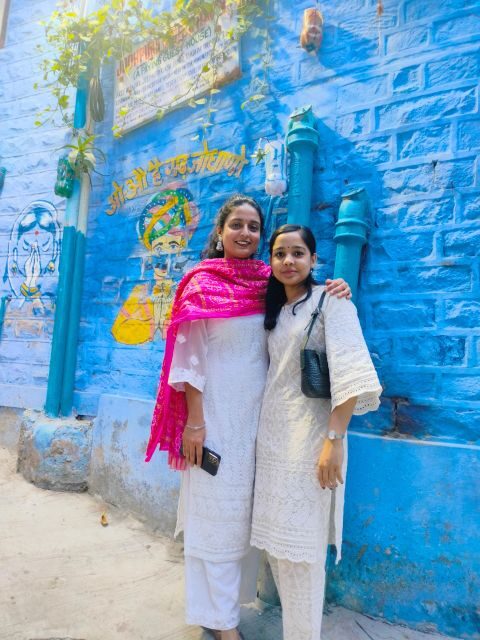
In addition to the major water and lane stops, you’ll also visit temple sites during the walk. The included place listed is Shri Gangshyam Ji Maharaj Temple.
What makes a guided temple visit worth your time is timing and attention. You’re not just walking past religious architecture. You’re stopping long enough to notice design details, understand what you’re looking at, and get respectful guidance on how to experience it.
One practical reason to include temples: it breaks up the tour visually. Walking is the main activity, but the best walking tours also prevent “samey” fatigue. Temples, reservoirs, and lanes give your eyes different jobs, so you enjoy the whole 2-hour loop.
Price and value: what $16 buys you in real terms
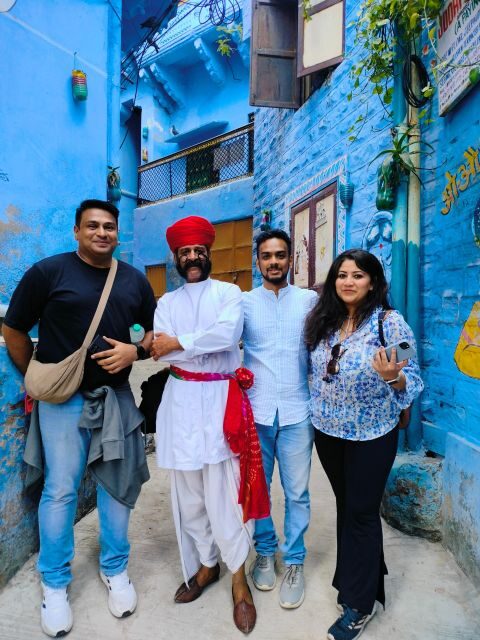
At $16 per person for a 2-hour walking tour, you’re paying for three things: a licensed guide, a structured route through multiple heritage points, and access to the listed places (entrance coverage is included for what’s on the stop list).
That’s good value in a city where self-guided wandering can accidentally turn into confusion—especially around older lanes where it’s easy to miss the right turns. You’re also not paying for a taxi between sites, because the tour is designed to be walkable within the central area.
The other value point is language. You can choose English or Hindi. Clear communication is what makes the difference between sightseeing and learning what you’re looking at.
In short: if you have limited time in Jodhpur and you want the Blue City experience done in a concentrated way, this price feels reasonable.
What to wear and how to prepare (so the walk stays fun)
Bring comfortable shoes. This isn’t a sit-down, platform-viewing tour. You’ll be moving through historic spaces and older lanes where surfaces may not be smooth.
Also, keep it simple with what you pack. There’s nothing special required beyond shoes, but don’t plan on wearing anything that makes stairs or uneven steps annoying.
One more note: the tour isn’t suitable for people with mobility impairments or wheelchair users. That’s worth respecting early so you don’t end up frustrated mid-walk.
When the photos look best: timing and expectations
The Blue City photographs well, but the exact results depend on light. One guide-led highlight in feedback was a view over the Blue City at sunset, which suggests that depending on when your tour happens, you may get a more dramatic sky.
I’d plan your expectations like this: the lanes are photo-friendly in general, and you’ll get good viewpoints during the guided stops. If your time lines up with late-day light, you might score extra magic.
Either way, your best photo strategy is to listen for the guide’s stop points. Guides usually know the angles that take two minutes to set up, not the ones that waste ten.
Who should book this Blue City heritage walk
This tour is a great fit if:
- you want a short, high-efficiency introduction to central Jodhpur and the Blue City lanes
- you appreciate learning context while you walk, especially about stepwells, reservoirs, and local sites
- you like markets and want food recommendations tied to where you’re already standing
- you prefer a friendly, local guide experience rather than going fully on your own
It’s not the best fit if you:
- need wheelchair access or have significant mobility limitations
- want a mostly flat route with minimal stepping
- dislike guided groups and prefer total freedom (because you will be following a set flow)
Should you book it?
Yes, if you’re trying to get the Blue City experience in a focused 2-hour window. The licensed guidance, the stepwell-and-reservoir pairing, and the market-and-snack portion work together better than a basic wander. Plus, having Imtiyaz leads to a more polished experience—people often mention his friendliness and strong English, and he’s also made efforts to communicate beyond English for some visitors.
Book it especially if you want photos that feel grounded in real streets, not only in the most obvious viewpoints.
Skip it if mobility is a concern, because this is a walking tour through historic, uneven areas.
FAQ
How long is the Jodhpur Blue City Heritage Walking Tour?
The tour duration is 2 hours.
What does the tour cost?
The price is $16 per person.
Where does the tour start?
The meeting point is Shahi Samosa, situated just outside the Clock Tower.
What languages are offered?
The live tour guide offers English and Hindi.
Is the entrance cost included?
Yes. Entrance to all places listed under the included section is part of the tour.
What’s included during the walk?
You’ll cover the Clock Tower Market, Toorji Ka Jhalra (stepwell), Navchowkiya, Ranisar & Padamsar Reservoirs, Shri Gangshyam Ji Maharaj Temple, and Gulab Sagar.
What should I bring?
You should bring comfortable shoes.
Who is this tour not suitable for?
It is not suitable for people with mobility impairments or wheelchair users.
Are there any restrictions on what I can bring?
Explosive substances are not allowed.
Is free cancellation available?
Free cancellation is available up to 24 hours in advance for a full refund.