REVIEW · KOCHI
Jasmin Villa Homestay Cookery Class
Book on Viator →Operated by Stanley Wilson Day Tours · Bookable on Viator
Cooking in Kerala feels personal fast. Jasmin Villa Homestay Cookery Class turns Kochi spices into real, repeatable know-how, taught by Jasmin with help from Wilson at Stanley Wilson Day Tours. The big appeal for me is the hands-on format and the fact you cook eight dishes rather than watching from the sidelines. One thing to consider: it’s a group tour (max 8), so it’s not a private, one-on-one class.
What I liked most was the way the instruction stays practical. You’re working with spices and learning about quantities—not just names—so your food has a better chance of tasting right when you cook later at home. Another strong point is the range, from vegetarian plates to seafood specialties, guided from a home-kitchen tradition.
My only real drawback is also the “point” of the class: time. With about 2 hours 30 minutes, you’ll be moving at cooking speed. If you want to slow down for lots of extra theory or take-home techniques at a gentler pace, you might feel slightly rushed.
In This Review
- Key highlights you’ll care about
- Jasmin Villa Homestay in Fort Kochi: what this class is really about
- Where you meet and how the session starts (11:00 am at Jasmin Villa)
- The core experience: cooking eight Kerala dishes in a real working flow
- Seafood that actually gets cooked well: giant prawns and white fish
- Kerala fat rice and fish curry: the flavors you’ll remember
- Vegetarian dishes included: you’re not locked into one style
- Spice work and quantity coaching: the difference between eating and cooking
- Group size up to 8: why this feels interactive, not chaotic
- Timing and pace: what 2 hours 30 minutes feels like
- Value check: is $39.72 a fair deal?
- Practical tips so you enjoy it fully
- Who should book Jasmin Villa Homestay Cookery Class
- Should you book this Fort Kochi cooking class?
- FAQ
- How long is the Jasmin Villa Homestay cookery class?
- What time does the class start?
- Where is the meeting point?
- Is this a private tour?
- How many people are in the group?
- What kinds of dishes will I cook?
- Is the price per person?
- How do tickets work?
- What’s the cancellation policy?
Key highlights you’ll care about
- Small group (max 8) keeps the experience interactive and questions actually get answered
- 8-dish workshop means you taste a wider slice of Kerala cooking, not just one specialty
- Spice and quantity focus helps you understand what makes flavor work
- Seafood + vegetarian mix gives you options even if your diet preferences vary
- Kerala fish curry and fat rice show up as standouts on the menu you’ll make
- Local hosts Jasmin and Wilson bring a homey, trustworthy feel to the session
Jasmin Villa Homestay in Fort Kochi: what this class is really about
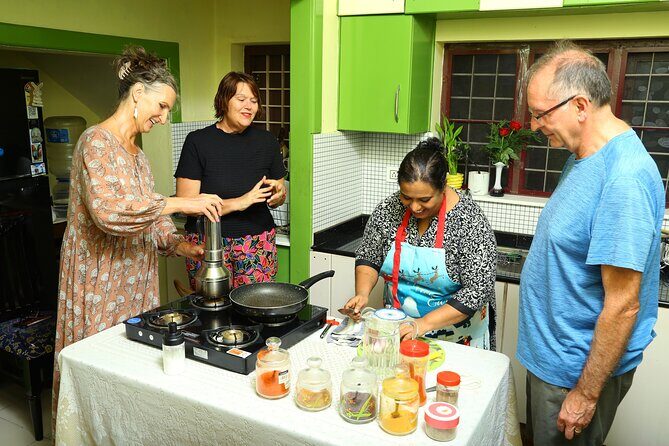
If you’re in Kochi and you want something more useful than another photo stop, this cooking class is a solid choice. It’s based at Jasmin Villa Homestay in Fort Kochi, and the teaching style is simple: you cook, you taste, you adjust. The home-kitchen setting matters. In a classroom, you might follow steps. Here, you’re working in a real rhythm, with a local hostess shaping what “correct” looks like.
Jasmin brings the kind of family knowledge that doesn’t sound like a textbook. She’s sharing techniques passed down from her mother, with years of experience—over 15 years of guiding people through the flavors and methods of Kerala. If you care about learning why dishes taste the way they do, you’ll probably enjoy that emphasis on the spice side of cooking.
This is not a “one dish” demo. The goal is that you leave with a broader sense of how Kerala meals come together: spice blends, balance of heat and tang, and the way rice and curry interact on the plate.
A few more Kochi tours and experiences worth a look
Where you meet and how the session starts (11:00 am at Jasmin Villa)
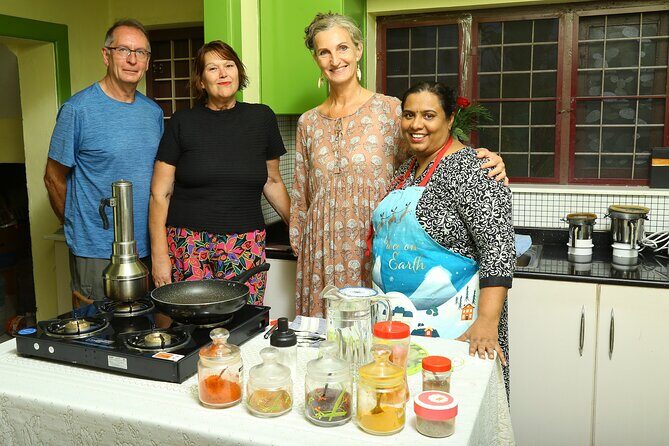
You’ll start at Jasmin Villa Homestay Cochin, on Odatha Rd in Gumathore Odatha, Jubilee Nagar, Veli, Kochi, Kerala 682001, India. The activity ends back at the meeting point. It starts at 11:00 am.
Two practical notes help you plan your day. First, the class is about 2 hours 30 minutes, so you can often pair it with a late lunch or an afternoon activity afterward. Second, the listing notes it’s near public transportation. That’s useful in Fort Kochi, where traffic and parking can be a headache, especially when you’re moving between neighborhoods.
You’ll also get confirmation at booking time, and you’ll receive a mobile ticket. That means you can keep it all on your phone and not juggle paper. Since this is a group class capped at 8 travelers, arriving a little early is your best move. It helps the host get everyone settled without rushing.
The core experience: cooking eight Kerala dishes in a real working flow
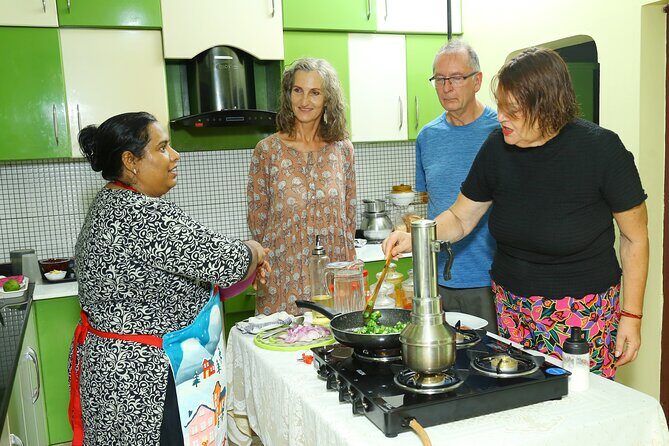
This class is built around cooking eight dishes. You can think of it as a guided workshop where each dish adds a new skill: spice handling, cooking times, balance, and building flavor step by step. The overview calls out both vegetarian dishes and seafood specialties, and the practical instruction focuses on using diverse spices and getting quantities right.
In a session like this, you’re not just collecting recipes. You’re learning the habits that make Kerala cooking work:
- when to add spices,
- how to adjust for taste,
- how to treat the pan so onions and aromatics don’t go off-course,
- and how curry thickness and seasoning connect to the rice you’ll eat with it.
From the guidance and the way the class runs, it helps if you keep an open mind about tasting. The best classes in food culture always include small adjustments. If you approach it like a strict assignment—do exactly, no questions—you’ll miss part of the learning.
Seafood that actually gets cooked well: giant prawns and white fish
One of the most praised parts of the class is the seafood. In addition to your vegetarian dishes, you’ll likely cook items that include giant prawns and white fish. That matters because seafood can be easy to mess up if heat and timing aren’t handled well.
The class also gives you more than just a “seafood curry” concept. You get practice in how seafood behaves in Kerala-style spices. For example, the fish curry stands out as a favorite. When a curry lands well in a class setting, it’s usually because the host’s spice balance and simmering rhythm are doing the heavy lifting. You’ll be learning those choices hands-on.
If you’re a seafood fan, this is a big reason to book. If you’re not, don’t panic. The class still includes a strong vegetarian side, and you should be able to enjoy the full experience without feeling like your only option is tasting a small portion.
Kerala fat rice and fish curry: the flavors you’ll remember
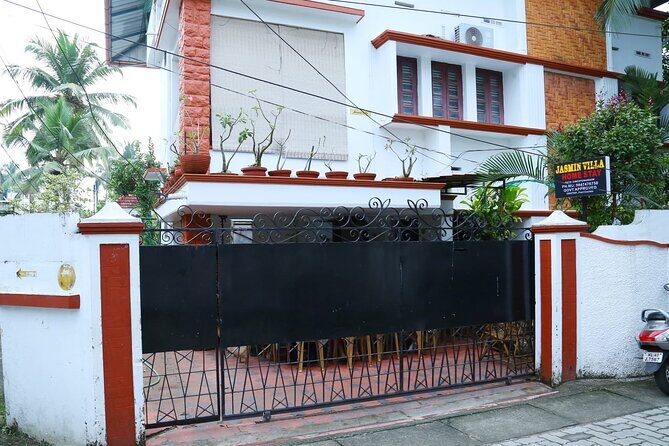
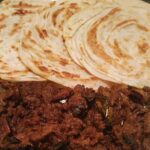
The meal you make isn’t just a side effect. It’s part of why this class sticks with people. A highlight from the experience is Kerala fish curry and a rice style described as fat rice. That combination is classic because the curry needs enough body to cling to rice and deliver flavor in each bite.
What’s useful here is how the “rice + curry” idea shows up in your cooking. Even if you’re not thinking about it consciously while you cook, you end up understanding that rice isn’t an afterthought. In Kerala meals, rice and curry are built to work together.
When you taste your own handiwork, the learning clicks. You start recognizing how spice heat, salt, and acidity land. You also see how curry thickness changes how it eats with rice. That’s the kind of knowledge you can use later, even when you’re in your own kitchen.






Vegetarian dishes included: you’re not locked into one style
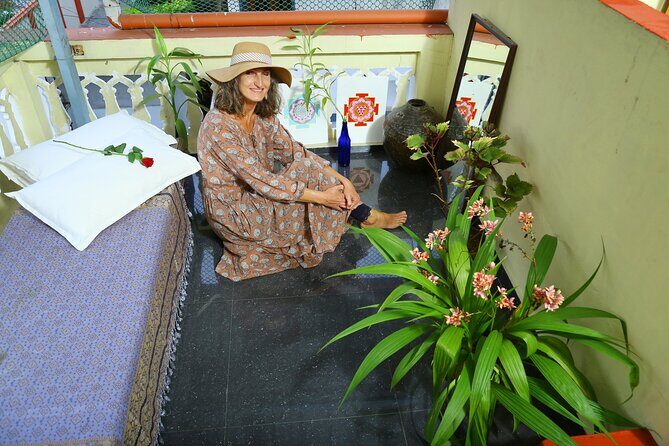
Another thing I appreciate is that the class isn’t just seafood for people who want seafood, and vegetables for people who don’t. The format includes both vegetarian dishes and seafood specialties, which makes the day feel balanced. If you’re vegetarian, you still get a chance to learn Kerala spice logic through veggie cooking.
If you’re not vegetarian, this balance is still valuable. It teaches you how spice blends and technique shift between proteins and vegetables. You’ll notice that flavors can follow the same “spine” and still change depending on ingredients and cooking time.
In short, you get a bigger picture of Kerala cooking than you’d get from a class that focuses on one narrow category.
Spice work and quantity coaching: the difference between eating and cooking
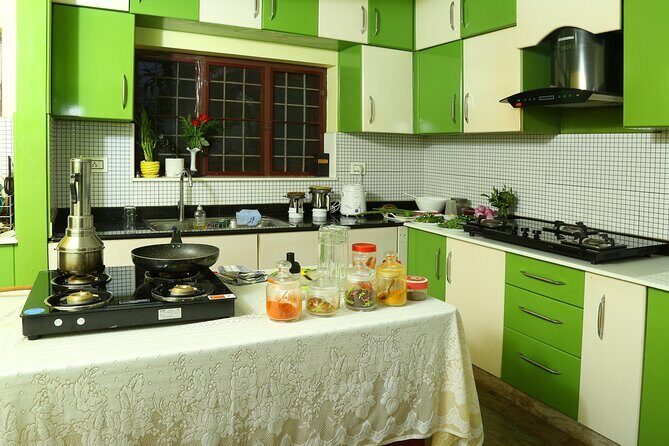
Many cooking classes teach you steps. Fewer teach you control. This one leans into control—especially around spices and quantities. The overview is clear about it: you learn to use diverse spices and to nail the precise amounts that produce the right flavors.
That’s huge if you’re someone who has cooked from recipes at home and still ended up with “almost” food. Taste can be subjective, but most “almost” dishes come from measurement drift: too much salt, too much heat, or spices added without enough attention to timing.
A home-kitchen coach like Jasmin helps because she’s not just saying what to do. She’s guiding you toward what the dish should taste like. And because you’re cooking multiple dishes, you get repetition—your palate calibrates over the session, not just at the end.
Group size up to 8: why this feels interactive, not chaotic
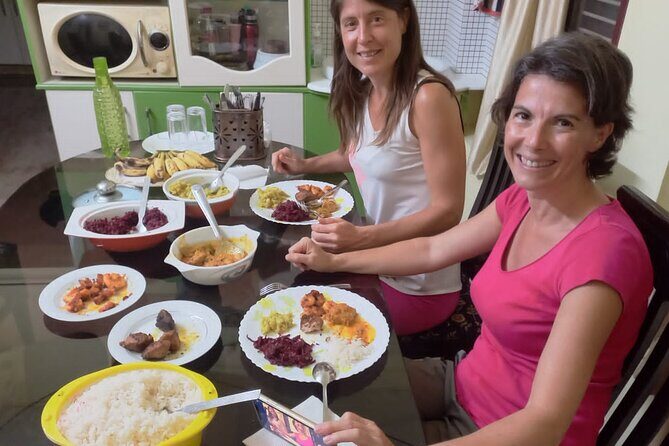
The class runs with a maximum of 8 travelers. That’s an important detail. In a big group, you might stand back and hope you catch the instructions. Here, the small size makes questions and adjustments more realistic.
It also changes the vibe. Cooking with a host in a small group feels like you’re invited into their kitchen routine. The experience providers include Jasmin and her husband Wilson, and their presence adds a steady, welcoming tone. You can feel that the goal is for you to learn, not just to move through a schedule.
If you prefer a calmer pace, a small group is your friend. If you hate waiting your turn, also good news: cooking eight dishes means everyone is actively involved, not just watching.
Timing and pace: what 2 hours 30 minutes feels like
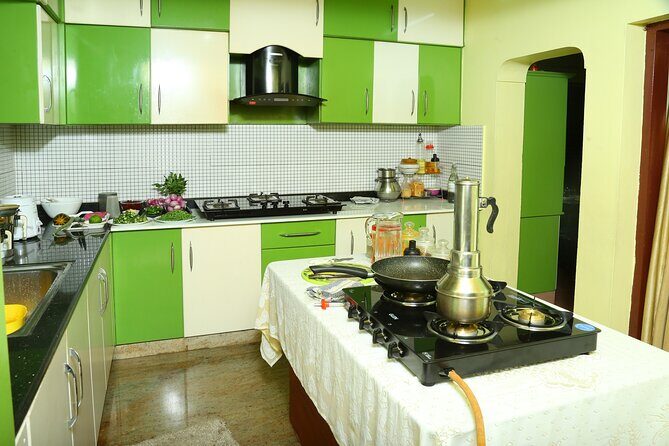
The class starts at 11:00 am and runs about 2 hours 30 minutes. That’s enough time to cook, taste, and learn without the day turning into a cooking marathon.
Here’s how to think about the pace. You’ll be working through multiple dishes, so you’ll need to stay alert and follow along quickly. That doesn’t mean it’s rushed in a mean way. It means your participation is part of the flow.
If you’re the type who wants every step explained slowly and repeatedly, you may wish you had more time. But if you’re ready to jump in, ask questions when you can, and enjoy learning by doing, this length is a sweet spot.
Value check: is $39.72 a fair deal?
At $39.72 per person, the price looks modest for what you actually get: a small-group Kerala cooking class, guided by Jasmin, with hands-on work producing eight dishes. You’re not paying only for a meal. You’re paying for instruction, spice technique practice, and the chance to eat what you make.
Value also depends on what you’ll do after. If you want to cook Kerala food later—at least some version of it—this class gives you repeatable learning. If you only want a casual snack, you’ll probably feel like you could do cheaper. But if your goal is food knowledge you can use, the price makes sense.
Also, consider the host experience. Jasmin has shared these flavors for well over a decade, and Wilson is part of the hosting team. When a class is built on years of practical teaching, you don’t waste time on generic theory.
Practical tips so you enjoy it fully
You don’t need special gear for a cooking class like this, but these practical moves help:
- Eat lightly before you go. You’ll likely taste several dishes as you cook.
- Wear comfortable clothes you can handle getting a little warm or spicy-scented.
- Pay attention when Jasmin talks about quantities. Those are the tips that travel best to your kitchen at home.
- Don’t be shy about asking what to watch for in the pan. This class rewards curiosity.
Since the class ends back at the meeting point, plan your next stop with minimal walking stress. Fort Kochi can be easy to navigate on foot in short bursts, but you’ll probably want an easy transition after cooking.
Who should book Jasmin Villa Homestay Cookery Class
This is a great fit if you:
- want a hands-on Kerala cooking experience in Fort Kochi,
- like learning from a local hostess with a family-style background,
- want both seafood and vegetarian dishes,
- and appreciate instruction centered on spices and measurements.
It’s also a good choice for couples or small friend groups who like food-centered activities. The group cap of 8 is a major comfort point.
You might skip it if:
- you’re looking for a private lesson,
- you’re allergic or avoid major categories of food and haven’t confirmed accommodations (the data doesn’t spell out dietary handling),
- or you dislike group settings and want total control over pacing.
Should you book this Fort Kochi cooking class?
I’d recommend booking Jasmin Villa Homestay Cookery Class if your priority is real cooking practice, not just watching. The combination of eight dishes, a small group size, and instruction on spice and quantity is the winning formula. Add in the consistent standout moments—fish curry and the fat rice pairing, plus giant prawns and white fish—and you have a class that feels worth the time.
If you’re even a little curious about how Kerala flavors are built, you’ll leave with more than full plates. You’ll leave with a better sense of how to season and balance food when the recipe stops being the boss.
FAQ
How long is the Jasmin Villa Homestay cookery class?
The class lasts about 2 hours 30 minutes.
What time does the class start?
It starts at 11:00 am.
Where is the meeting point?
You meet at Jasmin Villa Homestay Cochin, Odatha Rd, Gumathore Odatha, Jubilee Nagar, Veli, Kochi, Kerala 682001, India.
Is this a private tour?
No. It’s a group tour, not private.
How many people are in the group?
The class has a maximum of 8 travelers.
What kinds of dishes will I cook?
You’ll cook eight dishes, including vegetarian options and seafood specialties such as dishes with giant prawns and white fish.
Is the price per person?
Yes. The price is $39.72 per person.
How do tickets work?
You’ll receive a mobile ticket.
What’s the cancellation policy?
Free cancellation is available up to 24 hours in advance for a full refund. If you cancel less than 24 hours before the start time, the amount paid is not refunded. The tour may also be canceled if a minimum number of travelers isn’t met, with a different date/experience offered or a full refund.