A peak with stars, not crowds. Jindhagada Peak, also called Seethamma Konda, sits at about 5,545 feet in Andhra Pradesh and rises above Kondh tribal country in the Eastern Ghats, with views that feel huge and human-sized at the same time. If you like nature with a side of local life, this one-day trek (about 12 hours) is built around exactly that.
I really like the way the trip keeps things practical: you get pickup from Rushikonda in Visakhapatnam, comfortable travel to Olubidda village, and a guide team led by people like Ravi and Naveen who focus on making the hike feel manageable. I also love the night setup—camping near a viewpoint on the peak, then turning the evening toward stargazing and night photography when skies cooperate, plus sunrise and sunset stops that look made for your camera roll.
The one thing to consider: this experience depends on good weather. If clouds roll in, stargazing may be limited, and the longer time outdoors means you’ll want to be ready for a full day of walking and changing light.
In This Review
- Key things I’d circle before you go
- Why Jindhagada Peak (Seethamma Konda) Is Worth a Day
- From Rushikonda to Olubidda Village: Getting There Without Drama
- Coffee Paderu Plantation: A Quick Cultural Stop That Adds Meaning
- Caves, Rock Formations, and Slow-Paced Trekking Skills
- Camp on the Peak: Sunrise, Sunset, Stargazing, and Night Photography
- Kondh Tribal Food and Culture: What You Eat Matters Here
- Price and Meals: Is $335.65 Good Value?
- Who This Trek Suits Best (and Who Might Find It Tough)
- Should You Book the Jindhagada Trek with Ecohikes?
- FAQ
- How long is the Jindhagada Trek?
- Where does the trek start and end?
- Is pickup offered?
- What meals are included in the price?
- Does the trek include stargazing?
- Is this a private tour?
- Is the trek suitable for most people?
- What happens if weather is poor?
Key things I’d circle before you go
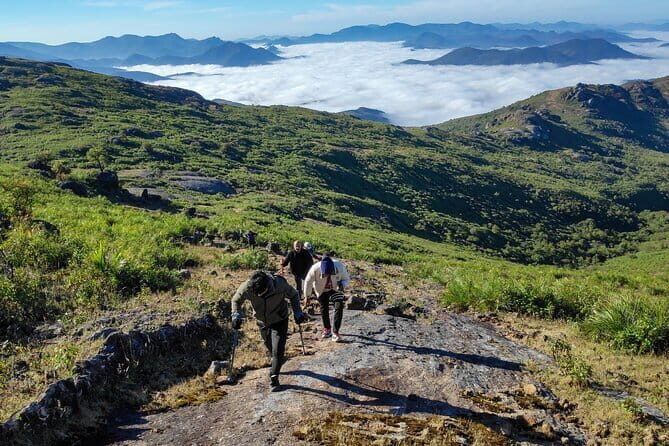
- Highest-peak energy: Jindhagada Peak / Seethamma Konda at roughly 5,545 feet
- Kondh culture built in: you’ll eat food prepared by the Kondh community during the experience
- Ecohikes-led safety and skills: wilderness first responder and a qualified outdoor guide
- More than hiking: coffee paderu plantation visit plus a cave/rock section on the mountain
- Camp at the top zone: viewpoint camping with sunrise, sunset, and night sky time
- Optional water break: you may be able to dip in fresh streams and a pool
Why Jindhagada Peak (Seethamma Konda) Is Worth a Day
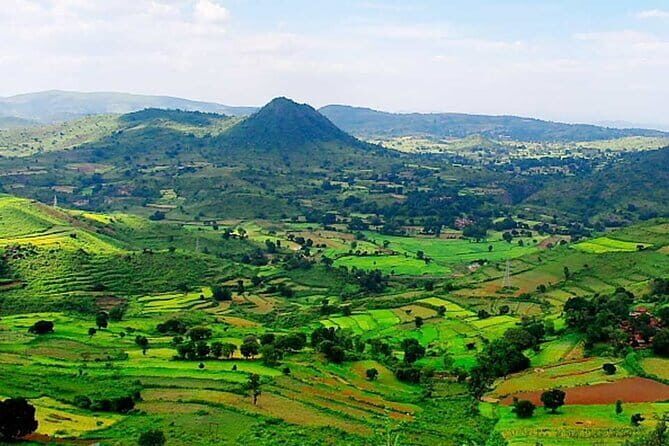
Jindhagada Peak—also known as Seethamma Konda—is the kind of destination that sounds dramatic, but the experience is surprisingly down-to-earth. You’re not just climbing for a summit photo; you’re moving through Eastern Ghats terrain shaped by hills, ridgelines, and small human routes. At around 5,545 feet, the air and lighting can feel different from the coast, so sunrise and sunset hit with extra color and contrast.
What makes this trek stand out in a good way is the mix of nature and people. The area is home to Kondh tribes for centuries, and the trek includes an insight into tribal culture and food. That matters because you’re not just passing through; you’re learning what local life looks like in the hills.
Also, the pace is described as slow paced trekking. That’s not a small detail. A slower rhythm tends to mean fewer people sprinting ahead, more time to notice wildlife and plants, and a calmer experience overall.
You can also read our reviews of more tours and experiences in Visakhapatnam.
From Rushikonda to Olubidda Village: Getting There Without Drama
Most hiking days fail before the first step because transport is stressful. Here, you start at Rushikonda in Visakhapatnam, and pickup is offered. The trip includes a comfortable journey from Vizag to Olubidda village and back, which helps you focus on the day instead of burning energy on logistics.
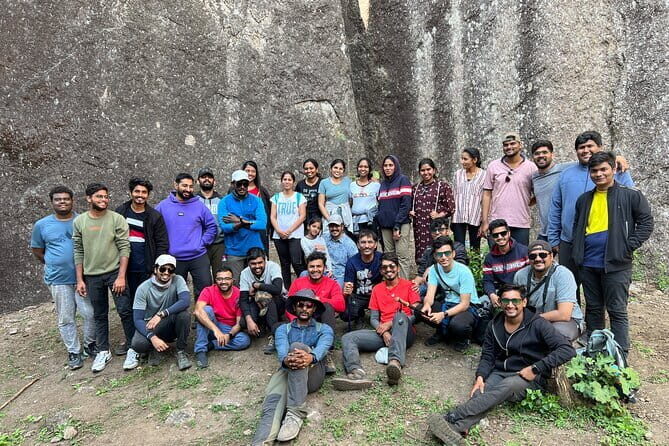
You’ll also get a mobile ticket, and the operator confirms at booking time. The trek is a private tour/activity, meaning it’s only your group. That can be a big deal for families and small groups who don’t want to feel lost in a crowd.
One practical tip: because this is a long day (about 12 hours), your arrival time matters. Try to be ready early, not right on the clock, so the hike begins when the team wants to begin. The biggest advantage of a well-run outdoor day is that it stays calm.
Coffee Paderu Plantation: A Quick Cultural Stop That Adds Meaning
Between transport and the first walking stretch, you visit a coffee paderu plantation. I like this kind of stop because it changes the story of the day. Instead of treating the trek as only “uphill, breathe, survive,” you get a sense of how people use the hills—what grows here, how local agriculture fits the environment, and why this region attracts visitors beyond hiking.
It also helps you mentally shift into outdoors mode. A plantation visit is a gentle transition: you’re moving, but you’re not yet doing the heavy lifting of summit work.
If you tend to get restless during travel days, this kind of scheduled pause works in your favor. It gives you something to look at and something to learn in a low-effort way before the trail takes over.
Caves, Rock Formations, and Slow-Paced Trekking Skills
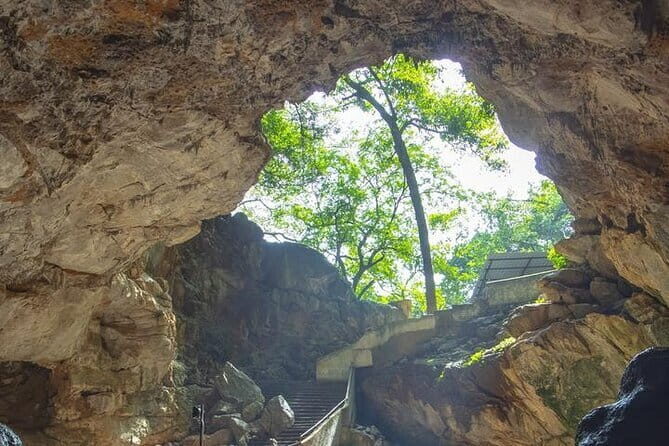
Once the trek gets going, you’ll spend time exploring the cave and rock formations on the mountain area. That part is memorable because it’s not just views from above. Caves and rocky sections add texture—cooler air, different shadows, and a sense that the mountain has its own inner world.
What I find especially helpful is that the experience includes guidance on trekking in the Eastern Ghats. That’s a polite way of saying you won’t be left to guess how to move over uneven terrain. The operator also lists a qualified outdoor guide, plus wilderness first responder coverage during the experience. For a day that runs long and involves natural terrain, that kind of support is worth paying attention to.
And because the hike is described as slow paced, you’ll likely get more moments to check footing, ask questions, and regroup without the day feeling like a race. That pacing also makes the day better for people who don’t hike often but still want to experience the outdoors.
Practical note: your legs may still feel it. Slow pace doesn’t mean easy. It just means the team focuses on helping you keep a steady rhythm, not exhausting you by forcing speed.
Camp on the Peak: Sunrise, Sunset, Stargazing, and Night Photography
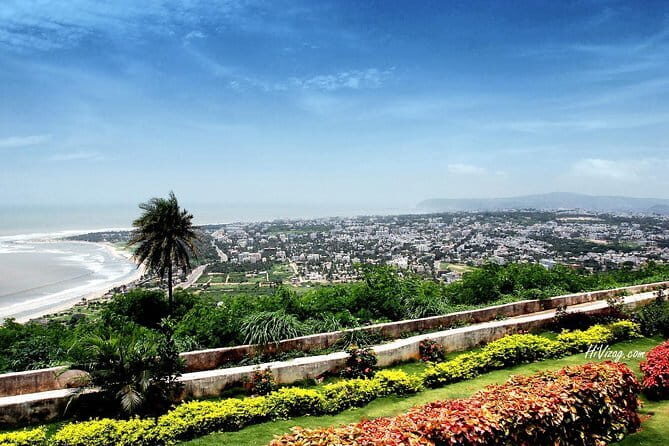
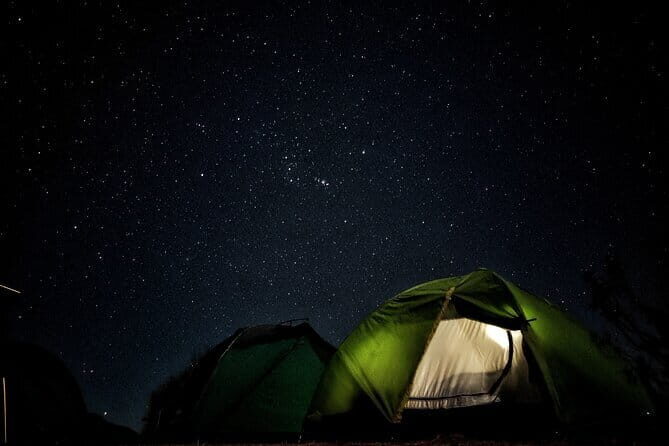
Here’s the heart of the experience: camping at a beautiful viewpoint on the peak. The idea is simple. You work for the views, and then you stay long enough to see the sky change.
When clouds cooperate, the night becomes part of the show. You’ll get stargazing and the chance for night photography. If you’re the type who loves shooting stars, this is the kind of setup you normally need to plan days in advance. Here, it’s part of the trek itself.
Even if the skies aren’t perfect, sunrise and sunset are still key moments. People often remember the light more than the distance you walked. At a higher elevation zone, the sky shifts quickly, and that can turn a plain moment into a standout memory.
In the reviews, there’s a repeated theme of how the team helps after you reach the peak—food, water, and essentials when legs are shaking and exhaustion sets in. That’s a real practical service, not just a nice gesture. It keeps your energy up so you can enjoy the viewpoint time instead of simply collapsing.
Kondh Tribal Food and Culture: What You Eat Matters Here

One of the most valuable parts of this trek is the insight into Kondh tribal culture and the inclusion of food prepared by the community. I like experiences where local food isn’t a marketing afterthought. It’s included as part of the day, which makes the meal feel like part of the story instead of a stop at a generic restaurant.
You’ll have lunch prepared as part of the tribal experience (described as day 2 lunch in the program outline you shared). This matters because you’ll likely eat after trekking, which means the meal does what good outdoors food should do: it restores you and gives you energy for the next part of the day.
There’s also an option to take a dip in fresh water streams and a pool during the experience. That kind of break can be a lifesaver for sore legs, and it’s also one of those moments that feels locally specific rather than touristy.
Just keep it sensible. If the water looks unsafe or conditions aren’t right, skip it. The program lists it as an option, not a requirement.
Price and Meals: Is $335.65 Good Value?
At $335.65 per person, the value question comes down to what’s included and how much effort the team removes from your day.
Meals are included: lunch, dinner, and breakfast. That alone can reduce the hidden cost of a trek day where you’d otherwise hunt for food while tired. You also get the operational basics that matter: pickup offered, transport from Vizag to Olubidda village and back, and on-the-ground guidance with a qualified outdoor guide and wilderness first responder.
What’s not included is snacks—so if you’re the type who snacks during hikes, plan for that. Also, because the day is long (about 12 hours), you’ll want to eat the meals included without skipping.
In short: if you want a well-run trek day with a real nature-and-culture focus, the price starts making sense. If your goal is only quick viewpoints and you prefer to manage transport and meals yourself, you might compare against other options. But this package aims to handle the full experience end-to-end.
Who This Trek Suits Best (and Who Might Find It Tough)
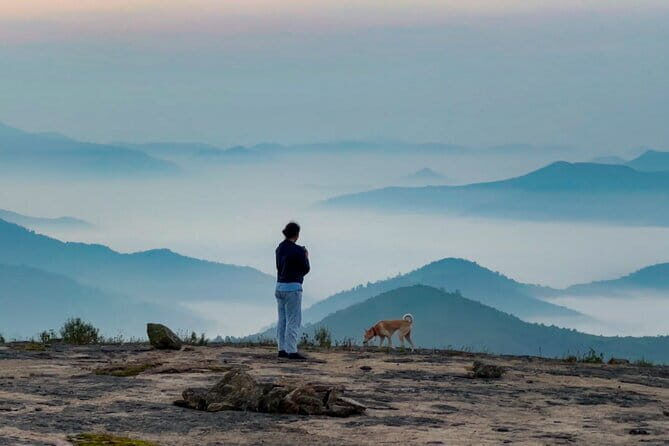
This trek is a strong match for you if:
- You want a one-day outdoor experience with camping and a night-sky component
- You like learning from local culture, especially through food and community insight
- You prefer a team-led pace with support from guides like Ravi and Naveen
- You want an operator that lists wilderness first responder coverage
It may be a harder fit if:
- You’re hoping for guaranteed stargazing regardless of clouds (the program says it depends on weather)
- You’re looking for a short, casual walk without long outdoor time
- You’re sensitive to uneven natural terrain and aren’t comfortable with hiking basics
The good news is the program states that most travelers can participate, and the pace is described as slow. Still, treat it as a real hike. You’ll be outdoors for a long stretch, so wear solid footwear and plan your energy.
Should You Book the Jindhagada Trek with Ecohikes?
If you want a day in the Eastern Ghats that feels grounded—nature, tribe-connected food, and a real night up on the peak—I’d say you should book. The standout strengths are consistent: the team guidance, the way they look after you at the top with essentials, and the evening sky plan when conditions allow.
Before you hit confirm, ask yourself one question: do you enjoy outdoor time enough to accept that weather can change the night-sky part? If you’re flexible, you’ll likely enjoy sunrise, sunset, the mountain caves and rock sections, and the camp viewpoint experience even if the stars are less than perfect.
If you’re traveling with a small group and you like private, guided days, the private setup is also a big win.
Go in with steady expectations: it’s not a theme park. It’s a hill-country trek with camping, culture, and the kind of quiet that only happens when you stay out long enough.
FAQ
How long is the Jindhagada Trek?
The trek runs for about 1 day and 12 hours (approx.).
Where does the trek start and end?
It starts at Rushikonda, Visakhapatnam, Andhra Pradesh, India and ends back at the same meeting point.
Is pickup offered?
Yes, pickup is offered.
What meals are included in the price?
Lunch, dinner, and breakfast are included.
Does the trek include stargazing?
It includes stargazing and night photography if it’s not cloudy, so it depends on weather.
Is this a private tour?
Yes. It’s listed as a private tour/activity, so only your group participates.
Is the trek suitable for most people?
The information says most travelers can participate.
What happens if weather is poor?
The experience requires good weather. If it’s canceled due to poor weather, you’ll be offered a different date or a full refund.