REVIEW · JODHPUR
Heritage walk blue city
Book on Viator →Operated by India Uncharted · Bookable on Viator
Blue lanes tell stories in Jodhpur. I love how this Blue City heritage walk connects the famous color to old social customs, then keeps you moving through the old-town lanes with 360-degree views built in. I also like the way the route is practical: you get a guided sense of direction fast, without feeling stuck staring at guidebooks.
One thing to plan for: the blue look isn’t uniform anymore, so you may find limited photogenic blue spots. It’s still a good walk, but if you’re imagining wall-to-wall blue houses, lower the expectations and focus on the viewpoints and the city feel.
In This Review
- Key Highlights You’ll Care About
- Why Jodhpur’s Blue City Is More Than a Photo
- The 2.5-Hour Walking Plan (And Why It Works)
- Stop 1: Ranisar Padamsar Lakes and Rani Sagar in Brahmapuri
- Stop 2: Pachetia Hill for 360-Degree Blue City Views
- Stop 3: Ghanta Ghar and the Sardar Market Alley Connections
- Stop 4: Toorji Ka Jhalra, the Step Well Built Under Maharaja Abhai Singh Rathore
- Price and Value: Is $15 Good for This Walk?
- Practical Tips So the Walk Feels Easy
- Who This Heritage Walk Suits Best
- Should You Book the Heritage Walk Blue City?
- FAQ
- How long is the Heritage Walk Blue City in Jodhpur?
- What does it cost, and do I get mobile tickets?
- Is pickup available?
- Is this a private tour?
- Where do the tour start and end?
- Does the tour run in bad weather?
Key Highlights You’ll Care About
- Blue City meaning you can actually explain: blue tied to Brahmin homes and identity in the old quarters
- A short, focused route: about 2 hours 30 minutes, private group only your party
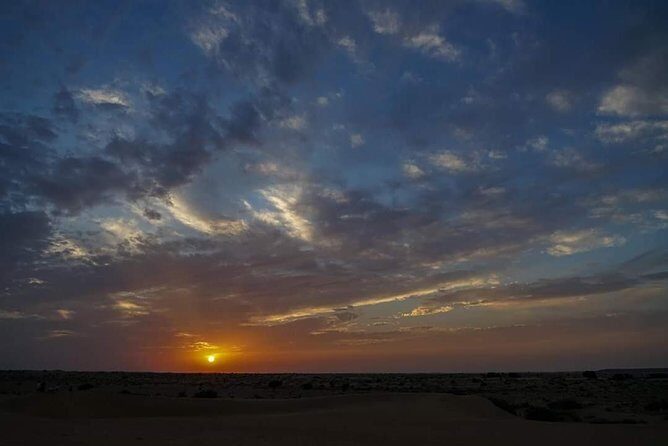
- Pachetia Hill viewpoint: 360-degree panoramas with no admission ticket charge
- Clock Tower area energy: Ghanta Ghar plus the lanes around Sardar Market
- Toorji Ka Jhalra step well: a major historic water structure linked to Maharaja Abhai Singh Rathore
- Tickets handled for most stops: admission included at the lake, Ghanta Ghar area, and step well
Why Jodhpur’s Blue City Is More Than a Photo
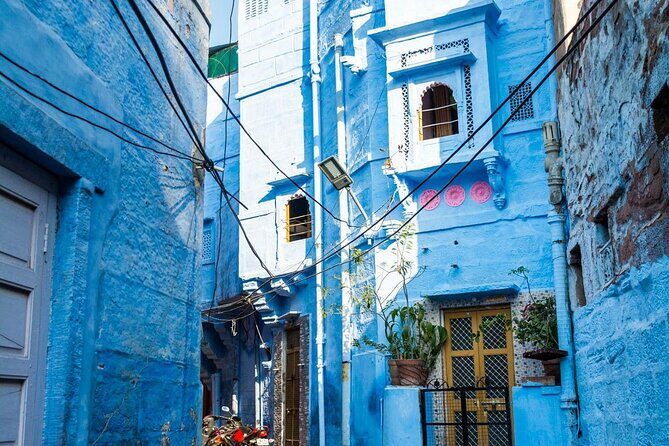
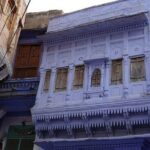
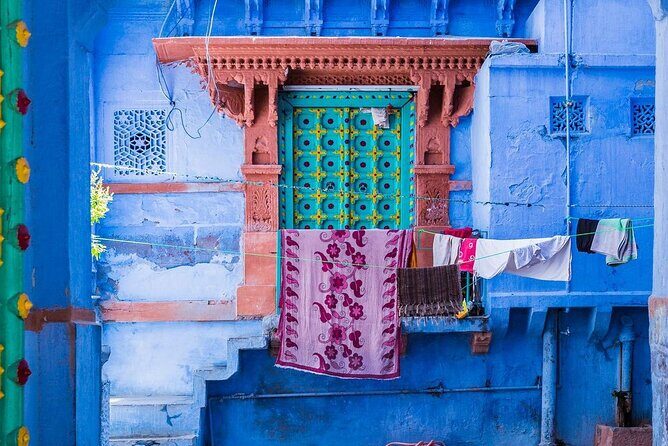
Jodhpur gets labeled the Blue City for a reason. In the older parts of town, you’ll see houses, havelis (traditional mansions), temples, and other buildings painted in strong shades of blue. The color isn’t just decoration, either. It’s tied to a local history idea: the Brahmin caste used blue to mark and distinguish their homes from others.
On a walking route like this, that context matters. When you know why the color showed up in the first place, you stop treating blue buildings like a random aesthetic trend. You start noticing patterns—where the color clusters, what buildings it shows up on, and how the old city still holds onto identity even as styles change.
The walk also keeps you in the older fabric of Jodhpur. The old lanes are narrow and winding, which means the city changes every few turns. It’s the kind of place where a guide helps you understand what you’re looking at, instead of just walking past it.
You can also read our reviews of more walking tours in Jodhpur


The 2.5-Hour Walking Plan (And Why It Works)
This is built as a private tour/activity, so you’re not sharing the route with a crowd. That sounds like a small detail, but it really changes the vibe. In a place where lanes are tight and streets are active, a smaller group means fewer bottlenecks and more time for the guide to talk and you to look.
The tour runs about 2 hours 30 minutes. Pickup is offered, and you’ll also get a mobile ticket. The meeting area is around Wilburys Café in the Gulab Sagar area, and you finish around Clock Tower Road near Shahi samosa. Ending in a different place from where you start is convenient—one less transfer to manage after the walk.
You should also know this tour relies on weather. It’s designed for walking, so plan to go when conditions are good.
Stop 1: Ranisar Padamsar Lakes and Rani Sagar in Brahmapuri
Your first stop is Ranisar Padamsar Lakes, also described as Rani Sagar, a manmade lake in the quarry of Mehrangarh. You’ll be in the heart of Brahmapuri, which is known as one of the older parts of Jodhpur.
This stop is more than a quick scenic break. In Rajasthan’s dry climate, water structures shaped where people lived and how cities functioned. A manmade lake tucked into a quarry context ties the story together: natural geography, fortress geography (Mehrangarh), and practical water planning all in one area.
You’ll spend about 30 minutes here, and admission is included. If you’re someone who likes structure and meaning—not just views—this is a great first anchor. It sets the historical tone so the later stops feel connected, not random.
A practical note: because this is tied to an older, quarry-adjacent setting, it’s worth keeping your pace steady. Don’t rush the first stop; it helps you adjust to walking rhythms in the old city.
Stop 2: Pachetia Hill for 360-Degree Blue City Views
Next comes the payoff viewpoint: Pachetia Hill. The promise here is straightforward—a 360-degree view over the city. And it’s scheduled for about 45 minutes so you’ll have time to look around, not just snap one photo and move on.
The best part for many people is that the viewpoint is admission-free. That doesn’t mean it feels casual, though. You’re stepping into a spot that’s meant for seeing the city as a whole, which is exactly what helps when you’re later trying to picture how the lanes connect.
This is also where the Blue City idea becomes real in scale. From above, you can compare the look of different quarters and spot where the blue theme is still strong and where it has shifted over time.
If weather is clear, this stop is the one you’ll remember. If visibility is poor, you still get the experience of the climb and the city layout sense, but the view will be the limiting factor. Keep that in mind when you’re planning your day.
Stop 3: Ghanta Ghar and the Sardar Market Alley Connections
Then you move to Ghanta Ghar, the Clock Tower area, where the vibe turns more street-level. Ghanta Ghar is close to Sardar Market, and from there, narrow alleys lead into bazaar lanes.
This stop runs about 45 minutes, with admission included. The value here is not only the landmark itself—it’s how the market zone creates movement and local texture. You’ll get a sense of how people flow through the area, how everyday commerce sits right next to heritage landmarks, and how quickly the city switches from grand structures to everyday lane life.
One drawback to expect: markets and old lanes can be busy. The tour being private helps with comfort, but you’ll still want to plan for crowds in the surrounding area. This is why comfortable shoes matter.
If your main goal is blue-photo hunting, this stop might feel less about color and more about energy and context. If your goal is understanding Jodhpur as a living city, this is a strong mid-tour moment.
You can also read our reviews of more city tours in Jodhpur



Stop 4: Toorji Ka Jhalra, the Step Well Built Under Maharaja Abhai Singh Rathore
The final stop is Toorji Ka Jhalra, known as Toorji’s Step Well. This is where the tour leans into architecture and water history again, like the earlier lake stop.
Toorji Ka Jhalra was built during the reign of Maharaja Abhai Singh Rathore. That link matters because it places the site in the political timeline of Jodhpur, not just in a generic “old structure” category.
You’ll spend about 30 minutes, and admission is included. Step wells are not just pretty geometry. They represent systems—water access, seasonal planning, and community use. Even if you don’t go deep on engineering details, standing at a historic step well helps you understand why the city’s landmarks are tied to survival needs.
This stop also tends to land well after the viewpoint. After Pachetia Hill’s wide-angle panorama, Toorji Ka Jhalra brings you back down to a specific, human-scale piece of the city story.
Price and Value: Is $15 Good for This Walk?
At $15 per person, this tour is priced to be doable. The bigger question is what you get for that money, and the short answer is: you’re paying for a guided route that stitches together multiple historic points rather than a single-location visit.
Several value signals are built in:
- A guided walking route through older parts of town (time on the ground matters here)
- Admission included at three main stops: Ranisar Padamsar Lakes, Ghanta Ghar area, and Toorji Ka Jhalra
- Stop 2 is free at Pachetia Hill, so the tour balances paid and free components
- Private format (only your group), which improves comfort in narrow lanes
- Mobile ticket and pickup offered, which makes logistics simpler than showing up and figuring it out yourself
The only “value caution” is expectation. Because the blue color isn’t perfectly preserved everywhere, you might not get the wall-to-wall blue-house photos you imagined. But if you treat this as a heritage walk that explains the Blue City idea and gives you real viewpoints plus old-town connections, the price makes a lot of sense.
Practical Tips So the Walk Feels Easy
A walking tour in an old Indian city is usually about pace and comfort. A few practical pointers will help you enjoy this one more:
- Wear comfortable shoes. Old lanes can be uneven and the route adds up over time.
- Plan for weather. This experience requires good weather, and the viewpoint stop is the one that depends most on visibility.
- Bring sun protection. Even with shade, you’ll likely be out in open stretches at some point, especially for hill viewing.
- Have your mobile ticket ready on your phone so you’re not delayed at stops.
- Since you start around Wilburys Café in the Gulab Sagar area and end near Clock Tower Road, plan your next activity nearby to make the handoff smooth.
If you want to maximize the blue experience, aim to take your photos at natural pauses—especially around the viewpoint—then switch into observation mode for the rest of the stops.
Who This Heritage Walk Suits Best
This tour is a good fit if:
- You want a short introduction to Jodhpur’s old quarters
- You like guides who can connect sights to how the city worked historically
- You care about viewpoints as much as landmarks
- You’d rather do a walking route than spend your day bouncing between separate paid entrances
It’s less ideal if:
- Your main goal is only photographing nonstop blue facades
- You dislike walking in older, tight street patterns
- You want long stays at one monument rather than a sequence of four stops
Based on the guides’ reputation for city pride and history storytelling, you’re likely to get a friendly, confident explanation rather than a checklist reading.
Should You Book the Heritage Walk Blue City?
I think you should book this if you want a guided, efficient way to understand why Jodhpur is called the Blue City, then see the city from above at Pachetia Hill and finish with the scale-and-purpose story of Toorji Ka Jhalra.
Skip it (or adjust expectations) if you’re chasing perfect, uninterrupted blue house photography. Some of the blue theme has changed over time, so the best payoff comes from the viewpoint, the historic water sites, and the way the guide ties the neighborhoods together.
If you’re doing one heritage walk in Jodhpur and you want one that’s easy to fit into a travel schedule, this one is a solid choice.
FAQ
How long is the Heritage Walk Blue City in Jodhpur?
The tour lasts about 2 hours 30 minutes.
What does it cost, and do I get mobile tickets?
It costs $15.00 per person, and you receive a mobile ticket.
Is pickup available?
Yes, pickup is offered.
Is this a private tour?
Yes. Only your group will participate.
Where do the tour start and end?
You start at Wilburys Café in the Gulab Sagar area of Jodhpur. You end on Clock Tower Road near Shahi samosa.
Does the tour run in bad weather?
This experience requires good weather. If it’s canceled due to poor weather, you’ll be offered a different date or a full refund.