REVIEW · NEW DELHI
Golden Triangle Tour with Kerala
Book on Viator →Operated by Holidays At · Bookable on Viator
A long route, but it never feels random. You’ll stitch together India’s Golden Triangle with Kerala’s backwaters and wildlife, moving from Mughal monuments to tea hills without wasting days. Two things I really liked: the mix of guided sightseeing plus hands-on little rides (like the Chandni Chowk rickshaw and the Agra Tonga), and the way the pace keeps you fed—breakfasts, plus lunch/dinner, are included. One drawback to consider: this is a lot of locations in 13 days, so you need to be okay with early starts and some travel days that are more about getting there than slowing down.
The standout part for me is how the trip treats time like a resource. Sunrise at the Taj Mahal is a real highlight, and it sets the tone for the rest of the Golden Triangle days. I also like that you get local English guidance in key cities (Delhi, Agra, Fatehpur Sikri, Jaipur, Cochin), which makes the monuments easier to read and less like just big stone landmarks.
My main caution: the hotels can affect your day more than you’d expect. One practical issue is that some hotel locations may leave you feeling like you should stick close to the program, rather than wandering on your own for safety or comfort.
In This Review
- Key moments that make this trip worth your time
- A tight 13-day route: how the Golden Triangle plus Kerala connects
- New Delhi arrival and the Old Delhi rickshaw run
- Agra basics: Sikandra first, then Agra Fort and the river-city mood
- The Taj Mahal sunrise plan (and what you should budget for)
- Fatehpur Sikri and Jaipur: Mughal power to Rajput spectacle
- Jaipur sightseeing with the jeep-up Amber Fort
- Flying to Cochin: the culture shift you actually feel
- Munnar: tea hills, Eravikulam, and a slower kind of day
- Periyar and Thekkady: wildlife chances plus rafting fun
- Kumarakom: bird sanctuary time and the backwaters build-up
- The Alappuzha houseboat night: dinner included, slow living required
- Price and what you’re really paying for ($2,025)
- Who this tour fits best (and who should reconsider)
- Should you book this Golden Triangle plus Kerala tour?
- FAQ
- FAQ
- What cities are included in this 13-day Golden Triangle and Kerala tour?
- What does the tour price include?
- Are monument entry fees included?
- Where do you start and where do you end the tour?
- Is there a flight included in the itinerary?
- What wildlife and nature activities are included in Kerala?
- What special transport rides are included besides regular transfers?
- Is the tour private or shared with strangers?
Key moments that make this trip worth your time
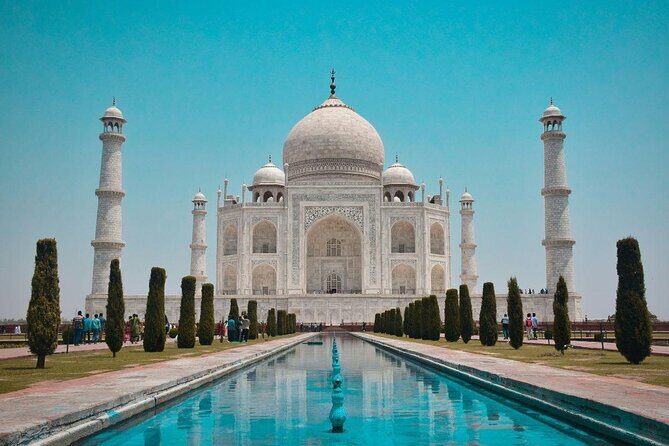
- Taj Mahal sunrise plus Mehtab Bagh timing that’s designed for great light and fewer crowds.
- Chandni Chowk on two wheels: a cycle rickshaw ride through spice and clothing lanes.
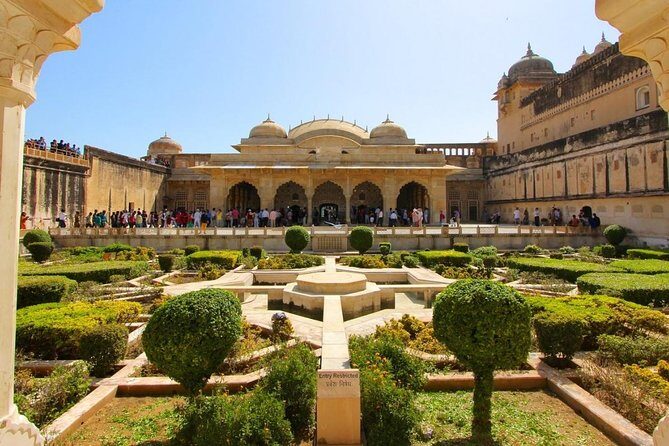
- Amber Fort by jeep: a fun, efficient way to get up close without turning it into an all-day climb.
- Kerala’s nature blocks: Eravikulam and Periyar are built into the schedule instead of being optional add-ons.
- Kumarakom to Alappuzha by houseboat night: you sleep on the backwaters and get dinner and breakfast with the view.
A tight 13-day route: how the Golden Triangle plus Kerala connects
This is a classic “India highlights” plan, but it’s also a clever one. You start with the high-impact historic core: New Delhi, Agra, and Jaipur. Then you shift south to Kerala for tea country, wildlife, and water.
That change matters. If you only did the Golden Triangle, you’d be living in forts and palaces the whole time. If you only did Kerala, you’d miss the Mughal and Rajput architecture that gives the north its punch. This itinerary tries to give you both, and it does it by keeping each city to a focused sightseeing block rather than dragging the schedule into “maybe we’ll see it” territory.
One more point: your mornings are the engine of the trip. Taj Mahal sunrise and a few early departure moves set the tempo. If you’re the kind of person who needs a slow start, you’ll want to plan to nap when you can.
You can also read our reviews of more tours and experiences in New Delhi.



New Delhi arrival and the Old Delhi rickshaw run
Day one is arrival and settling in. You’re assisted from Indira Gandhi International Airport to your hotel, then you have the rest of the day for your own pacing.
Day two is where the energy turns on. You’ll get a guided New Delhi and Old Delhi day built around a good spread:
- Qutub Minar, plus drive-past sights like Lotus Temple, Rashtrapati Bhavan, and India Gate
- Humayun’s Tomb (great for understanding Mughal architecture as a style, not just an object)
- Old Delhi staples like Raj Ghat, Jama Masjid, and a drive pass by Red Fort
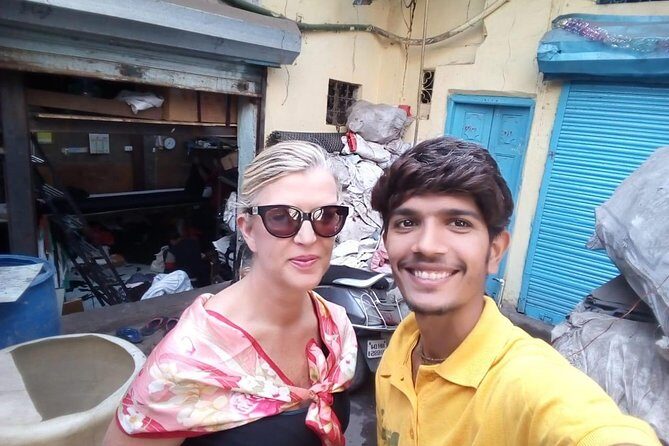
Then comes the practical fun: a short cycle rickshaw ride in Chandni Chowk, specifically through the spice market and into the big lanes for clothes. This is one of those experiences that makes the city feel real fast. You don’t need hours of explanation to get the idea—sounds, smells, and the sheer density of daily life do the teaching.
What to watch: this day is a mix of monuments and crowds. Wear shoes that can handle uneven pavement, and keep water handy. You’ll get a mineral bottle per person per day, which helps.
Agra basics: Sikandra first, then Agra Fort and the river-city mood
On day three, you drive from Delhi to Agra, with an en-route stop at Sikandra (Akbar’s Tomb). This works well because it breaks up the long transfer with a landmark you can actually digest, rather than just a rest stop.
In Agra, you check in and then get a guided tour that hits the main fort-and-tomb highlights:
- Agra Fort (including spots like Diwan-i-Am and Diwan-i-Khas, plus areas like Jahangir Palace and the octagonal tower)
- Itmad-ud-Daulah’s Tomb
- Jama Masjid
This blend is good value because it shows you more than one “type” of Mughal monument. You see fort power, tomb artistry, and a religious complex in the same evening block.
The drawback? Agra is famous for being a big sightseeing city, so you’ll likely be tired before the day ends. Take the hotel break you’re offered, because sunrise tomorrow will ask for your energy.
The Taj Mahal sunrise plan (and what you should budget for)
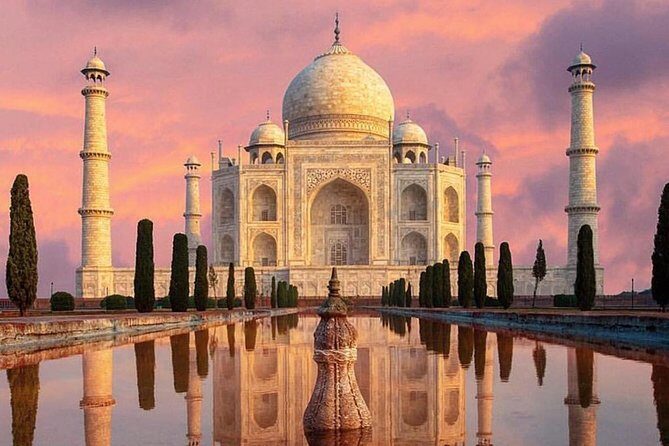
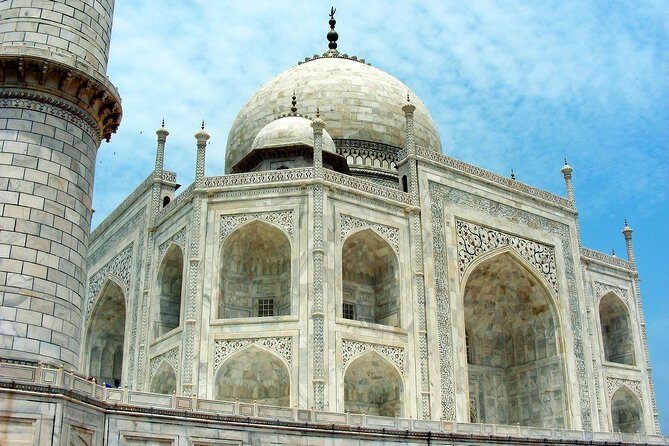
Day four is the big one: a sunrise visit to the Taj Mahal, plus Mehtab Bagh.
Why sunrise matters: it’s not only for photos. The light is softer, and you generally get a calmer start before the day’s momentum builds. Taj Mahal also hits differently when you’re fresh rather than rushed.
Mehtab Bagh is a smart add. It gives you a different viewing angle across the river area, so the monument doesn’t become one fixed view in your mind. Instead, you start collecting perspectives.
Important budgeting note: the itinerary lists Taj Mahal admission as not included, and the overall trip notes that monument entry fees are not included. So plan to pay at the gate for the Taj, and likely other monuments too. (Even when a line says admission is free for a stop, the tour-level rule about monument fees is the one to trust for money planning.)
After the Taj block, you go back for breakfast, then check out and move toward Jaipur, with Fatehpur Sikri on the way.
Fatehpur Sikri and Jaipur: Mughal power to Rajput spectacle
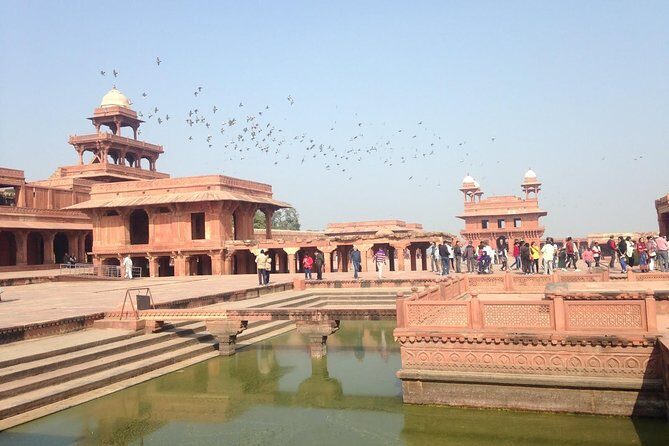
The trip’s route south toward Jaipur uses Fatehpur Sikri as a major “wow” stop. It’s an older deserted Mughal-era town built in red stone, and it’s packed with architectural points that make it easy to understand how the Mughals liked their statements: the Tomb of Salim Chishti, Buland Darwaza, Diwane e Khas, and Panch Mahal.
You’ll also get a battery car ride at Fatehpur Sikri, which helps when distances and heat would otherwise steal your time and legs.
Then it’s on to Jaipur, check in, and later you enjoy a free evening.




Jaipur sightseeing with the jeep-up Amber Fort
Day five is a full Jaipur day. The anchor is Amber Fort, reached by a jeep ride (nice because it cuts down on slow uphill logistics). You’ll also see:
- City Palace
- Jantar Mantar
- Jal Mahal and Hawa Mahal via drive-pasts (so you still catch them even with a packed schedule)
- Birla Temple
Optional time permitting adds Nahargarh Fort and Jaigarh Fort. If you’re short on energy, this is where you choose what matters most to you—Amber and the city center sights already cover a lot.
Practical tip: Jaipur can be busy and bright. Carry sunglasses and a hat. And try to keep your day lightweight for shopping, because Jaipur does encourage impulse buys.
Flying to Cochin: the culture shift you actually feel
Day six is a transit day with a flight from Jaipur to Cochin (flight not included in the tour price). You’re still assisted at the airport for transfers, so you’re not stuck figuring out logistics alone.
In Cochin, you get a half-day guided tour with a strong “layer-cake history” feel. You’ll cover Fort Kochi plus key stops including:
- Marine Drive
- Hill Palace
- St. Francis Church
- Dutch Palace
- Santa Cruz Cathedral Basilica
The schedule also includes museum and heritage stops (like Pareekshit Thampuran Museum and Indo Portuguese Museum, plus Pallipuram Fort). It’s a lot, but the coverage makes sense because Fort Kochi is more about variety than one single centerpiece.
Then you have the rest of the day free.
Munnar: tea hills, Eravikulam, and a slower kind of day
Day seven moves you from Cochin to Munnar via scenic stretches and waterfalls. The drive is part of the experience here; you’re going from coastal India into hill country.
When you arrive, you check into your hotel and the rest of the day is open. That’s a nice buffer, because day eight becomes active.
Day eight is the sightseeing day in Munnar:
- Eravikulam National Park
- Mattupetty Dam
- Old Munnar Town and the market
The evening option is a walk at a tea estate (or free time if you want to chill). This blend is smart. You get nature and viewpoints by day, then a calmer social atmosphere later.
What to watch: hill weather can feel different from lower elevations. Bring a light layer for mornings and evenings.
Periyar and Thekkady: wildlife chances plus rafting fun
Day nine drives you into Periyar National Park area for the night. The tour frames Periyar Wildlife Sanctuary as a big space (777 sq. km) and includes time for park-focused sightseeing.
Day ten is a full day program around the Periyar region, including:
- Bamboo Rafting
- Border hiking (described as a unique program)
- Elephant safari at the wildlife sanctuary
- Visits to Kumily, Mangala, and Devi Temple
Also note: some of these experiences have a separate “admission ticket” rule in the schedule. The tour also says admission ticket can be not included on some park days, so double-check what you personally will pay for when you’re there.
Still, even if you treat the wildlife parts as “nature and animal habitat viewing,” the structure is good. You’re not just standing still. You get water, movement, and viewpoint energy.
Kumarakom: bird sanctuary time and the backwaters build-up
Day eleven brings you to Kumarakom, the “town of backwaters.” The sightseeing block is wide enough to feel Kerala, not just one lake:
- Vembanad Lake
- Aruvikkuzhi Waterfalls
- Kumarakom Bird Sanctuary
- Kumarakom Beach
- Backwaters areas and related spots like Bay Island Driftwood Museum and Pathiramanal Island
- Ettumanoor Mahadeva Temple and Juma Masjid
After this packed tour day, you have the evening to relax, which matters because day twelve turns into a whole experience on the water.
The Alappuzha houseboat night: dinner included, slow living required
On day twelve, you check out and head into the backwaters for your houseboat journey. You arrive at Alappuzha (often called Alleppey) and check in to the houseboat for the night.
Here’s what makes this part valuable: the tour includes lunch and dinner on the houseboat, so you’re not hunting for meals while you’re trying to enjoy the water.
Evening time includes a walk around the Alappuzha local streets. That’s a good counterbalance: backwaters in the afternoon, then a chance to see the human side of the town in the evening.
Day thirteen finishes with breakfast on the houseboat, then a drive to Cochin airport for your flight home.
Price and what you’re really paying for ($2,025)
$2,025 per person sounds high until you translate it into what you’re actually getting: 13 days, 12 nights in 3-star hotels (double/twin sharing), city-to-city AC transfers, and a long list of planned guided tours.
What you likely won’t get elsewhere without extra arranging:
- Local English speaking guides in multiple cities (Delhi, Agra, Fatehpur Sikri, Jaipur, Cochin)
- A Taj sunrise visit schedule
- A full day built around Periyar and the related nature activities
- A houseboat night where meals are part of the package
- Included meals: lunch and dinner, plus 12 breakfasts
- “Rides that break up the day”: rickshaw in Delhi, jeep in Amber, and battery car in Fatehpur Sikri
What you should budget separately:
- Monument entry fees (tour explicitly says these are not included)
- Taj Mahal admission (explicitly not included)
- Beverages other than drinking water
- Your international flights
- The flight from Jaipur to Cochin
So the value is strongest if you hate logistics work and want a ready-made route that already strings together the best-known north highlights with Kerala’s nature and backwater experience.
Who this tour fits best (and who should reconsider)
This tour is a good match if you want:
- A big-picture highlights trip that still includes hands-on moments
- Guided context in the most important cities
- One dedicated nature block in Kerala (Eravikulam and Periyar) plus a true water stay (houseboat)
You might want to reconsider if you:
- Get grumpy with early starts and travel days
- Expect to rely on spontaneous solo exploring from hotel locations (some schedules can place hotels in areas where you may not feel like wandering)
- Want everything fully paid at one price (since monument fees and the Jaipur–Cochin flight are not included)
Should you book this Golden Triangle plus Kerala tour?
If your priority is covering the headline experiences—Delhi to Jaipur forts, Taj sunrise, then Munnar and Periyar, ending with a houseboat night—this itinerary does a good job stacking the right blocks in the right order. It’s also designed to reduce decision fatigue: transfers, guides, and many key “how do we do this” activities are already handled.
Book it if you like a guided structure and you’re okay with a packed 13 days. Think twice if you want a slow travel pace or if you’re counting on monuments and transport to be included in the one advertised price.
FAQ
FAQ
What cities are included in this 13-day Golden Triangle and Kerala tour?
It includes New Delhi, Agra, Fatehpur Sikri, Jaipur, Cochin (Kochi), Munnar, Periyar/Thekkady area, and Kumarakom, plus Alappuzha (Alleppey) for the houseboat night.
What does the tour price include?
You get 12 nights in double/twin sharing at 3-star hotels, breakfast (12), lunch and dinner, local English-speaking guides in key cities (New Delhi, Agra, Fatehpur Sikri, Jaipur, and Cochin), and all transfers by AC vehicle including airport transfers. It also includes several rides such as a cycle rickshaw ride in Old Delhi, sunrise Taj Mahal, a Tonga ride in Agra, a battery car ride at Fatehpur Sikri, a jeep ride in Jaipur at Amber Fort, a boat ride at Lake Periyar, and houseboat dinner/lunch. Taxes and GST are included too, along with one mineral water bottle per person per day.
Are monument entry fees included?
No. The tour states that monument entry fees are not included, and the Taj Mahal admission is specifically noted as not included.
Where do you start and where do you end the tour?
The start is at Indira Gandhi International Airport in New Delhi. The tour ends with a drive to Cochin airport for your flight home.
Is there a flight included in the itinerary?
There is a flight from Jaipur to Cochin mentioned in the schedule, and the tour data says this flight is not included.
What wildlife and nature activities are included in Kerala?
The tour includes visits to Eravikulam National Park and Periyar National Park. It also includes Periyar-area activities such as bamboo rafting and border hiking, plus elephant safari as part of the Periyar full-day program, and it includes a boat ride at Lake Periyar. In Kumarakom, it includes Kumarakom Bird Sanctuary.
What special transport rides are included besides regular transfers?
In addition to AC transfers, you’ll have a cycle rickshaw ride in Chandni Chowk, a Tonga ride in Agra, a battery car ride at Fatehpur Sikri, and a jeep ride to Amber Fort.
Is the tour private or shared with strangers?
The experience is described as private, with only your group participating.