REVIEW · NEW DELHI
golden triangle tour
Book on Viator →Operated by New Delhi Tourist Taxi · Bookable on Viator
Golden Triangle tours can feel like a greatest-hits CD. This one works because you get real face-time with Delhi’s Mughal landmarks, Agra’s icons, and Jaipur’s pink-city skyline in a tight 7 days.
What I like most is the structure: you’re met at the airport, moved around in a private vehicle, and guided through the big sights with bottled water along the way.
I also like that the schedule doesn’t just list monuments; it builds momentum. You start with Old and New Delhi in one go (Red Fort, Jama Masjid, Chandni Chowk, plus Rajpath-area landmarks), then you shift gears to Agra and later Jaipur.
One possible drawback to plan for: entrance fees aren’t included, and food (like lunch) isn’t included either. If you’re not budgeting for tickets and meals, the trip can feel pricier once you arrive.
In This Review
- Key highlights worth your attention
- Why this Golden Triangle route is still a smart first India plan
- Price and value: what $320 covers (and what it doesn’t)
- Day 1 in Delhi: airport meet-and-greet, then hotel check-in
- Day 2 in Delhi: Red Fort and Jama Masjid, plus Chandni Chowk to Rajpath sights
- Old Delhi blocks: fort, mosque, and India’s spice street energy
- New Delhi blocks: memorial architecture and temple stops
- Day 3 to Agra: Agra Fort and Itam-ul-Dhoula, with an afternoon to breathe
- Day 4: sunrise Taj Mahal, breakfast break, then Fatehpur Sikri to Jaipur
- Fatehpur Sikri en-route: a history stop that breaks up the drive
- Arrive Jaipur: check in and reset for the next day
- Day 5 Jaipur core sights: Hawa Mahal, City Palace, Jal Mahal, and Albert Hall
- Jal Mahal and the lake-side pause
- Hawa Mahal: the famous facade and the women’s quarters concept
- City Palace and the royal museum feel
- Albert Hall Museum for a culture break
- Extra Jaipur sites named in the overall tour plan
- Day 6 and Day 7: back to Delhi, then airport departure
- The real comfort factor: private vehicle plus drivers people trust
- Entrance fees and food planning: don’t let paperwork ruin the mood
- Who should book this Golden Triangle tour?
- Should you book the Golden Triangle Tour?
- FAQ
- What cities does the Golden Triangle Tour cover?
- Is pickup available from the airport?
- Are monument entrance fees included in the price?
- Is lunch included during the tour?
- What’s included with the $320 per person price?
- Can I cancel and get a refund?
Key highlights worth your attention
- Sunrise Taj Mahal on day 4, before the crowds fully settle
- Old Delhi + New Delhi in a single city day, mixing markets, forts, and grand memorials
- Fatehpur Sikri stop en-route to Jaipur, turning the drive into sightseeing time
- Driver quality focus, with names like Akshay, Asif, Shakir, and Lalan praised for punctual, safe driving and clean cars
- Hotel pickup and drop-off plus a private vehicle, which matters in traffic-heavy routes
Why this Golden Triangle route is still a smart first India plan
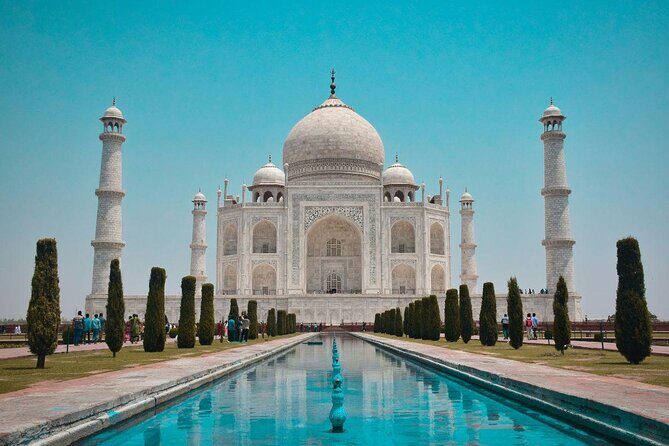
If you’re doing India for the first time, Delhi–Agra–Jaipur is the classic starter kit for a reason. It compresses three different “faces” of the country into one trip: Mughal-era power, imperial-era architecture, and Rajasthan’s royal city look.
This tour keeps that promise, but it also makes the experience easier to manage. You don’t have to figure out transport between cities or coordinate daily sight plans on your own. You’ll get a local guide for the core visits, and you’ll move by private vehicle so you can actually hit early starts like the sunrise Taj Mahal.
And yes, it’s a lot of monuments. But the itinerary is paced so you still get “breathing room” days, like the afternoon free time in Agra.
You can also read our reviews of more tours and experiences in New Delhi.



Price and value: what $320 covers (and what it doesn’t)
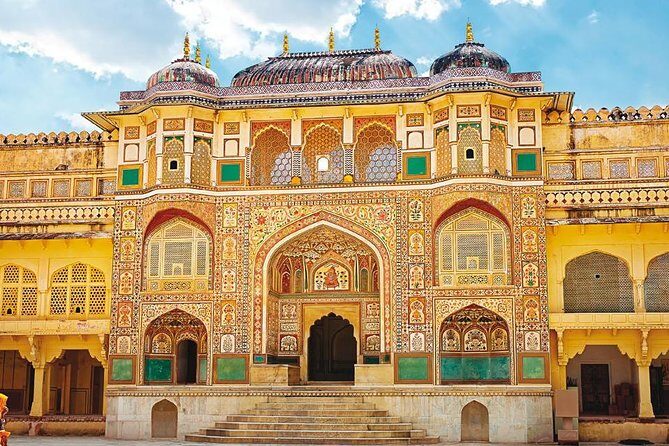
At $320 per person for about 6 nights / 7 days, the value comes from the bundled basics that cost time and stress. You get transport by private vehicle, a local guide, bottled water, and hotel pickup/drop-off.
What’s not included is also important. Monument entrance fees are not included, and lunch isn’t included unless specified. Alcohol is also listed as not included, though you can buy it.
So I’d treat the $320 as the “service and movement” cost, and then budget extra for tickets and meals. If you like to visit multiple paid sites each day, planning ahead here will keep surprises low.
Day 1 in Delhi: airport meet-and-greet, then hotel check-in
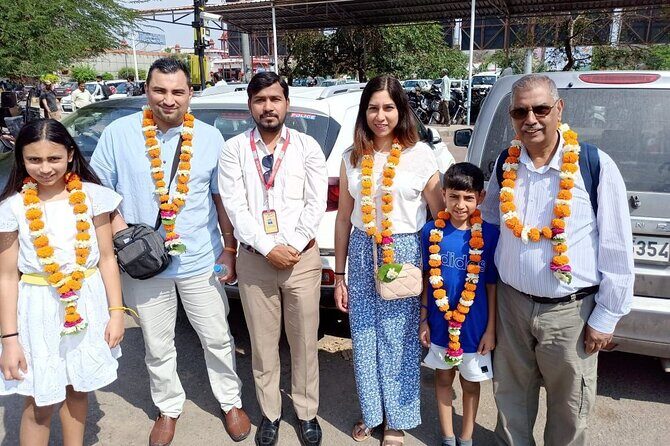
Your first day starts simply: you’re met by the representative inside the arrival lounge after you land at Indira Gandhi Intl Airport, then transferred to your hotel.
If your arrival timing works out, the tour notes that you can get an Old Delhi sightseeing tour when you arrive in the morning. That’s a nice perk because it means you’re not burning an entire day just settling in.
In practical terms, day 1 is about getting your footing. Delhi can throw jet lag plus traffic at you. Having someone meet you and handle the transfer helps you start calm.
Day 2 in Delhi: Red Fort and Jama Masjid, plus Chandni Chowk to Rajpath sights
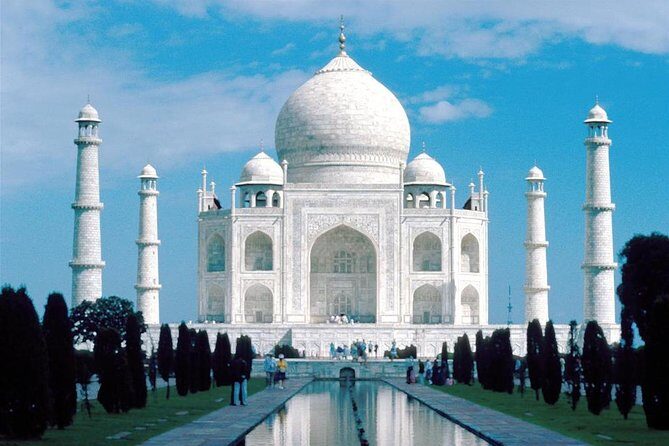
Day 2 is your full Delhi foundation day, with Old Delhi first and New Delhi second. It’s the kind of day that makes you feel like you’re flipping through centuries without needing to change hotels.
Old Delhi blocks: fort, mosque, and India’s spice street energy
You’ll visit Red Fort (Lal Qila), the Mughal emperor Shah Jahan-era fort commissioned in 1638. You’ll also step into Jama Masjid, one of Delhi’s most important mosques, built between 1650 and 1656.
Then comes Chandni Chowk, including the surrounding spice and shopping streets. The tour calls out the area as home to an Asia-sized spice market, which matches what you’ll feel on the ground: thick smells, busy stalls, and tons of small-item browsing.
This is also where I’d give you one real strategy: go with lighter expectations for calm shopping. This is about sights and atmosphere first, and then shopping if you still feel steady.




New Delhi blocks: memorial architecture and temple stops
In New Delhi, you’ll hit India Gate, then the Rashtrapati Bhavan area, and you’ll also visit Humayun’s Tomb. The itinerary also includes Lotus Temple and Laxmi Narayan Temple.
These stops matter because they show two Delhi moods side by side: the monumental Mughal/imperial style, and the modern religious architecture of the Lotus Temple. It’s a good way to understand why Delhi feels like it changes its personality depending on which street you’re standing on.
Day 3 to Agra: Agra Fort and Itam-ul-Dhoula, with an afternoon to breathe
On day 3, you drive from Delhi to Agra. After hotel check-in and a quick wash-and-change, you start with Agra Fort.
Agra Fort was also a Mughal royal residence, serving as a power center until the capital shift back to Delhi years earlier. Visiting it after your Delhi forts makes the whole region feel linked, not separate.
You also visit Itam-ul-Dhoula in the schedule. The itinerary doesn’t add much detail beyond the name, but expect a notable marble tomb-style site rather than a quick photo stop.
Then you get free afternoon time. This is where the tour becomes more comfortable. You can rest, pace your feet after big-site days, or do practical browsing.
Day 4: sunrise Taj Mahal, breakfast break, then Fatehpur Sikri to Jaipur
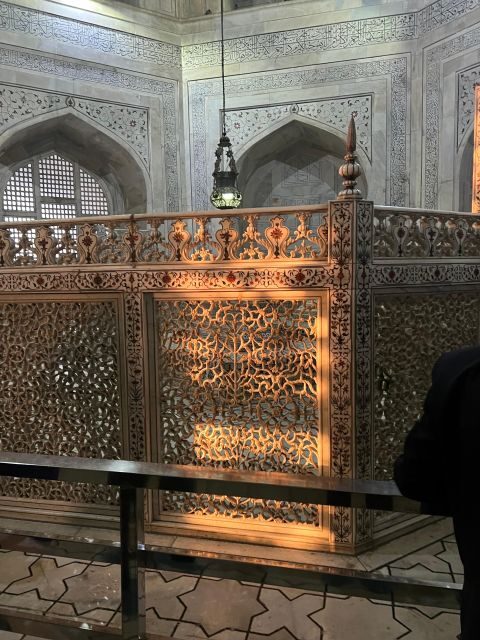
Day 4 is the emotional anchor of the trip. You do early morning Taj Mahal at sunrise—which is exactly when you want it. Light looks better, and the day feels less chaotic.
The itinerary then includes breakfast at the hotel, which is a helpful detail. Instead of dragging straight back into the heat, you get a real reset before the travel day.
Fatehpur Sikri en-route: a history stop that breaks up the drive
On the way to Jaipur, you stop at Fatehpur Sikri, described as a castle built by Emperor Akbar in the early 15th century. Even if you’re not the type who counts architectural facts, this stop is useful because it turns the long distance travel into meaningful sightseeing.
Arrive Jaipur: check in and reset for the next day
When you reach Jaipur, you check in and stay overnight. Jaipur is also big-walk city energy, so I like that the plan gives you rest before the next day’s sights.
Day 5 Jaipur core sights: Hawa Mahal, City Palace, Jal Mahal, and Albert Hall
Jaipur day is packed, but it’s not random. You’re scheduled to hit several signature shapes and royal-era spaces, plus a scenic lakeside moment.
Jal Mahal and the lake-side pause
You start with Jal Mahal, the palace positioned in the middle of Man Sagar Lake. It’s one of those spots that helps you stop thinking “only forts and palaces” and remember Jaipur can be scenic too.
Hawa Mahal: the famous facade and the women’s quarters concept
Next is Hawa Mahal (Palace of Wind). The tour notes it’s built from red and pink sandstone and extends to the zenana, the women’s chambers. Even if you only see the exterior, the design explains why people take this photo from so many angles.
City Palace and the royal museum feel
You’ll also visit City Palace. The tour description connects it to Maharaja Sawai Jai Singh II and his move from Amber to Jaipur in 1727, which gives context for why this complex sits at the city’s heart.
Albert Hall Museum for a culture break
Albert Hall Museum is included in the itinerary. It’s described as the oldest museum of Rajasthan state and an Indo-Saracenic architecture example. I like adding a museum-style stop mid-journey because it slows the pace.
Extra Jaipur sites named in the overall tour plan
The overall tour description also names additional Jaipur stops such as Jantar Mantar, S.M.S. II Museum, Ishwar Lat, Central Museum, Dolls Museum, Birla Planetarium, and Nahargarh Fort. If your exact day routing includes them, great. If not, the takeaway is that the wider plan is designed to cover a broader spread beyond just the three headline stops.
Day 6 and Day 7: back to Delhi, then airport departure
On day 6, you head from Jaipur to New Delhi, check into a hotel, and then you stay overnight again.
Day 7 is departure transfer to the airport for your next trip onward. This timing is practical because it avoids a last-minute scramble on your final morning. You can also handle any last-minute needs like bottled water, snacks, or ticket questions with your driver and guide already arranged.
The real comfort factor: private vehicle plus drivers people trust
Logistics can make or break the Golden Triangle. Here, the tour’s comfort edge is that you travel by private vehicle with pickup and drop-off, not public transport hopping.
And the driver praise in the service reputation is strong. Names like Akshay, Asif, Shakir, and Lalan show up repeatedly in feedback, with common themes:
- Punctuality and safe driving in traffic-heavy city routes
- Clean, comfortable cars (some mention an Innova Crysta)
- Helpful guidance, including explanations and sometimes arranging guides at specific destinations
- Small kindness details, like water availability and friendly interaction
I’d take that seriously. In India, “time on the road” can be long. A driver who’s organized can turn stressful travel into just normal travel.
Entrance fees and food planning: don’t let paperwork ruin the mood
Because monument entrance fees aren’t included, you should assume you’ll pay ticket costs at multiple stops. That includes major sites like the Taj Mahal, plus other forts and monuments.
Lunch is also listed as not included. That means you’re free to choose food based on what you like and what your guide recommends—but you’ll want to plan for it financially.
One smart approach is to eat breakfast and snacks from reliable, well-located spots near sightseeing areas, and then treat lunch as a deliberate break rather than a hunt. The itinerary gives you some free time in Agra, which can help with that.
Who should book this Golden Triangle tour?
This tour fits best if you want:
- A classic Delhi–Agra–Jaipur loop without planning transport yourself
- A mix of major monuments plus market and city landmark time
- Sunrise planning for Taj Mahal, plus rest windows like Agra’s afternoon free time
It may be less ideal if you:
- Hate paying extra for entrances and want an all-in price
- Prefer slower travel with fewer scheduled stops
Should you book the Golden Triangle Tour?
I’d book it if you want an organized first-time Golden Triangle plan with private driving, a local guide, and a schedule that includes the big payoff moment: sunrise Taj Mahal. At this price, you’re paying for convenience and movement as much as sightseeing.
I wouldn’t book it blindly if you’re trying to keep total costs locked in. Entrance tickets and lunch add up. But if you budget those basics, this is a strong way to see the highlights efficiently and with less friction than DIY.
FAQ
What cities does the Golden Triangle Tour cover?
It covers Delhi, Agra, and Jaipur over 6 nights / 7 days.
Is pickup available from the airport?
Yes. You’re met at Indira Gandhi Intl Airport inside the arrival lounge and transferred to your hotel, with hotel pickup and drop-off included.
Are monument entrance fees included in the price?
No. Entrance fees are not included.
Is lunch included during the tour?
No. Lunch is not included unless specifically stated.
What’s included with the $320 per person price?
The tour includes transport by private vehicle, a local guide, bottled water, and hotel pickup and drop-off.
Can I cancel and get a refund?
Yes. It offers free cancellation, with a full refund if you cancel at least 24 hours before the start time.