REVIEW · AMER INDIA
From Jaipur : Jaipur Sightseeing With Galta G Temple
Book on GetYourGuide →Operated by Atul Holidays · Bookable on GetYourGuide
Elephants, forts, and temples in one long day. This private Jaipur sightseeing trip strings together the big hits of the Pink City with a private AC car and a live guide, so you’re not stuck guessing what you’re looking at.
I especially like the way the day centers on Amber Fort, including the classic elephant ride up to the fort entrance. I also like that you’re shown why these places mattered, not just what they look like from the roadside.
One consideration: guide energy can vary. In one case, the plan ran off pace and the guide left before the Galta G stop was done, so I’d keep an eye on timing if you want every listed monument.
In This Review
- Key highlights worth planning for
- The value of a private Jaipur circuit (and why it matters)
- Amber Fort morning: UNESCO views plus the elephant ride up
- Jal Mahal (Water Palace) from the outside: the calm break in your photo plan
- City Palace after lunch: where Rajput and Mughal design meet
- Jantar Mantar: Jaipur’s giant stone observatory
- Hawa Mahal: the Wind Palace and its hundreds of windows
- Galtaji Temple: the spring-fed kunds and hillside pilgrimage
- Price, timing, and what you actually get for $28
- How guide quality can change your whole experience
- Who this tour suits best
- Should you book this Jaipur sightseeing with Galta G Temple?
- FAQ
- What time does the tour start?
- Is there a private guide during the tour?
- Is lunch included?
- Are monument entrance tickets included?
- What language is the tour guide available in?
- Do you visit Galtaji Temple the whole way up?
- What should I bring with me?
- Is alcohol allowed on this tour?
Key highlights worth planning for
- Amber Fort with elephant ride gives you that early-morning sense of arrival before the crowds build.
- Jal Mahal (Water Palace) photo moment is best when you want the palace framed against Aravalli hills.
- City Palace + Jantar Mantar lets you jump from palace power to Rajput science in the same day.
- Hawa Mahal’s window-front design is easier to understand when someone points out how the architecture functions.
- Galta G temple complex and sacred kunds bring you from palace Jaipur to a hillside pilgrimage with spring-fed water tanks.
- AC car + hotel pickup/dropoff keeps this long day comfortable and cuts the hassle of taxis between stops.
The value of a private Jaipur circuit (and why it matters)
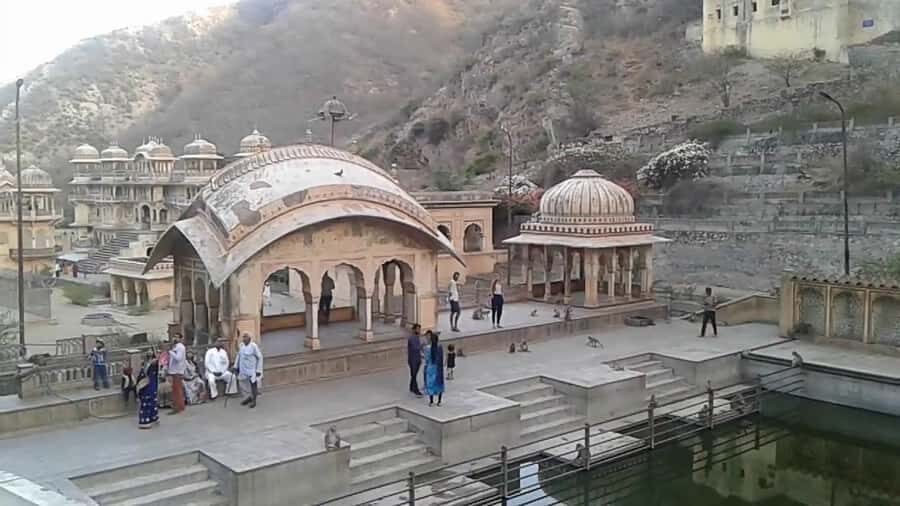
This tour is built for convenience: you get pickup and dropoff from your chosen Jaipur location, plus a private AC car with a driver for the full day. That sounds basic, but in Jaipur it really adds up—traffic, short distances, and frequent photo stops can turn a sightseeing day into a stress test if you’re hopping between transport options.
The other big value is the live guide. You’re visiting places that are easy to admire and harder to interpret on your own—Amber Fort’s layout, City Palace’s layered design, and Jantar Mantar’s giant stone instruments. When your guide explains the intent behind what you see, the sights click into place faster, and you spend less time staring at details and hoping they mean something.
My practical tip: because this is a long day with multiple monuments, go in with a flexible mindset. You’ll be moving between big sites, so your best strategy is simple—prioritize what you want photos of most (usually Amber Fort views and Galtaji’s hillside setting), then let the rest become bonus moments.
You can also read our reviews of more tours and experiences in Amer India.


Amber Fort morning: UNESCO views plus the elephant ride up
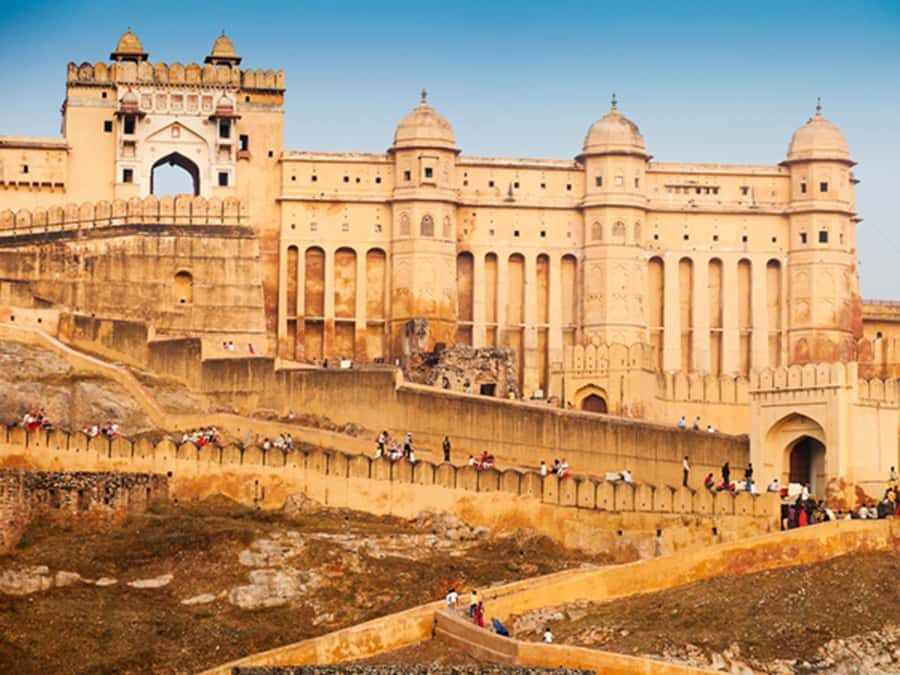
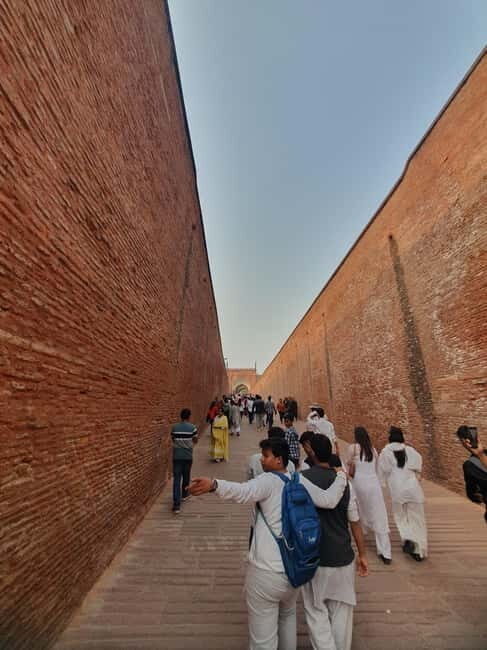
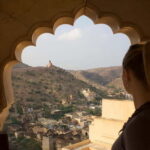
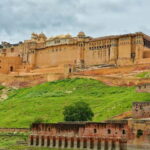
Amber Fort is the anchor of the route, and it earns that spot. It’s a UNESCO World Heritage Site, known for its dramatic fortifications and opulent interiors, and it’s one of those places where you feel the architecture working with the terrain rather than against it.
The itinerary includes the elephant ride to reach the fort entrance. If you’re comfortable with animal rides, it adds a ceremonial feel to your arrival. If you’re not, consider that this part is part of the plan, so your decision should be made before you’re standing at the pickup point with the day already moving.
Once inside, you’re looking at opulent palaces, complex courtyards, and sweeping views over the surrounding area. This is where the guide role matters most: the courtyards and palace sections aren’t random rooms, they’re tied to how royal power and daily life were organized. Spend a little time letting the fort’s layers make sense—then the big views feel earned instead of accidental.
Jal Mahal (Water Palace) from the outside: the calm break in your photo plan
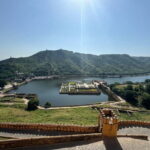
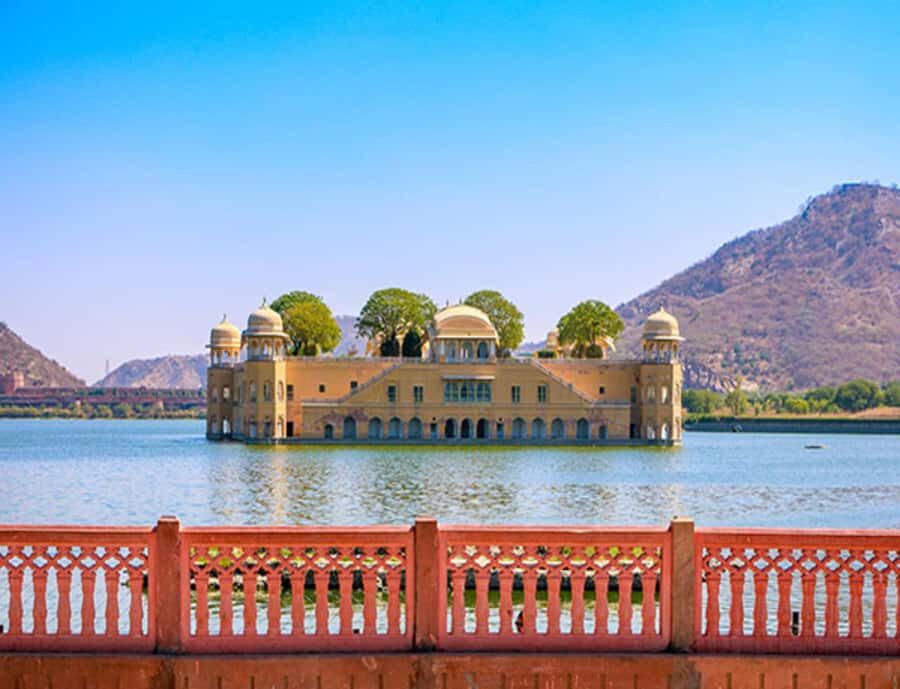
After Amber Fort, you get a classic roadside sighting of Jal Mahal, also called the Water Palace. You generally won’t be exploring the palace itself—think of this as a visual breather: water, the palace silhouette, and the backdrop of the Aravalli hills.
This stop is short by design. The goal is to let you reset between major monuments and grab photos while the lighting is still working. If you’re the kind of traveler who loves compositions (reflections, layered stone and water, fortress scenery), you’ll appreciate how well this fits into a tight schedule.
Practical note: this is a great place to be ready with your camera, but don’t linger too long if you want the rest of the day to stay on track. The “quick stop, then move” rhythm keeps you from turning Jaipur into a running marathon.
City Palace after lunch: where Rajput and Mughal design meet
Lunch comes after visiting Amber Fort and Jal Mahal. The included meal is at a restaurant, with Indian Rajasthani and Continental options. That mix is useful if your group preferences differ—you can stick to Rajasthan flavors or choose something more familiar and keep your energy up for the afternoon.
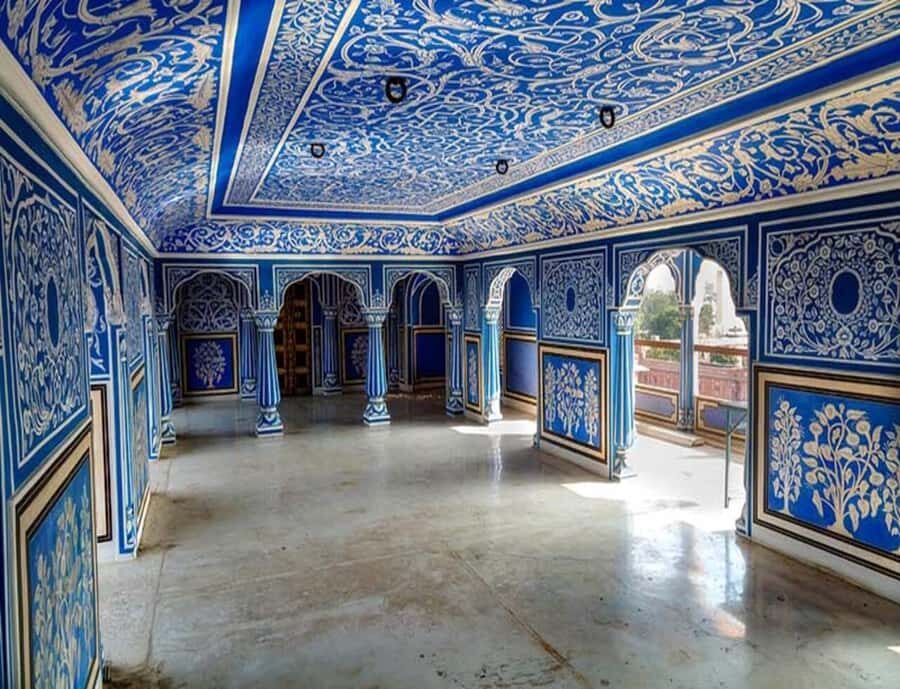
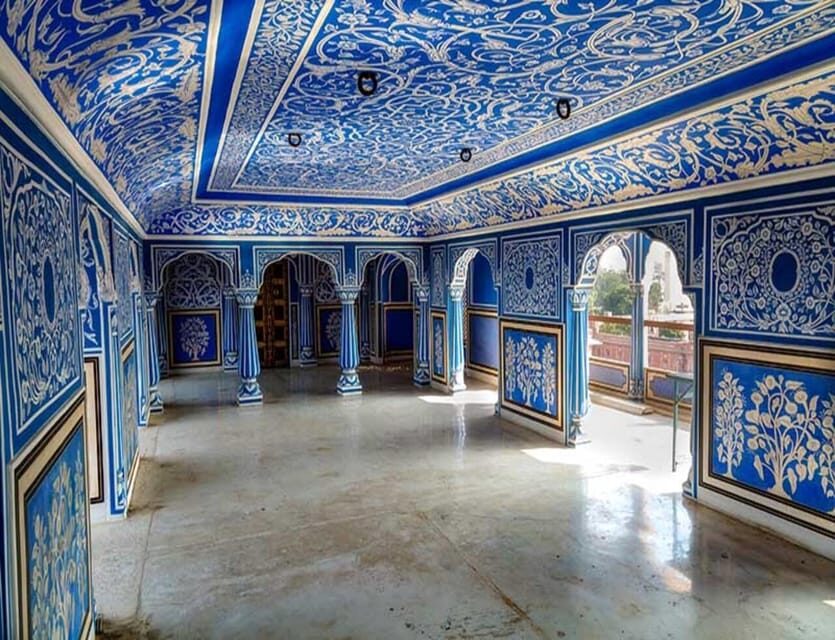
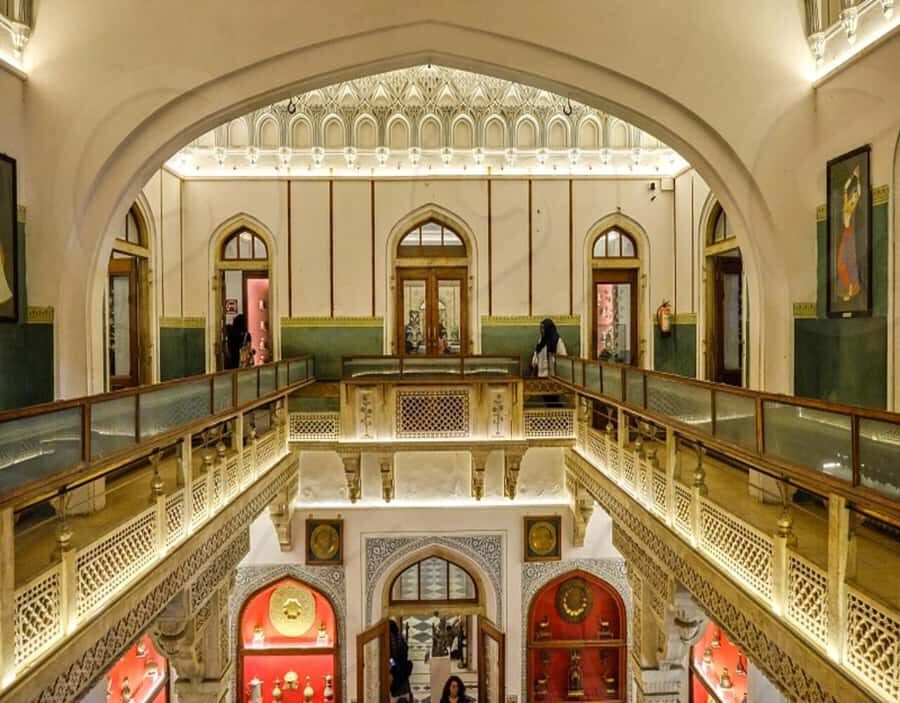
Then you head to City Palace, one of Jaipur’s major landmarks. This palace complex was first constructed by Sawai Jai Singh II between 1729 and 1732, and it reflects both Rajput and Mughal architectural influence. What I like about City Palace is that it’s not just one showpiece building; it’s a complex of courtyards, museums, and chambers that helps you understand how power sat inside the city.
If your feet start feeling it, focus on the parts that help you connect the design to everyday royal life—courtyards and transitions between spaces. Even in a fast visit, a guide can point out which sections are most meaningful, so you don’t lose the day to aimless wandering.
Jantar Mantar: Jaipur’s giant stone observatory
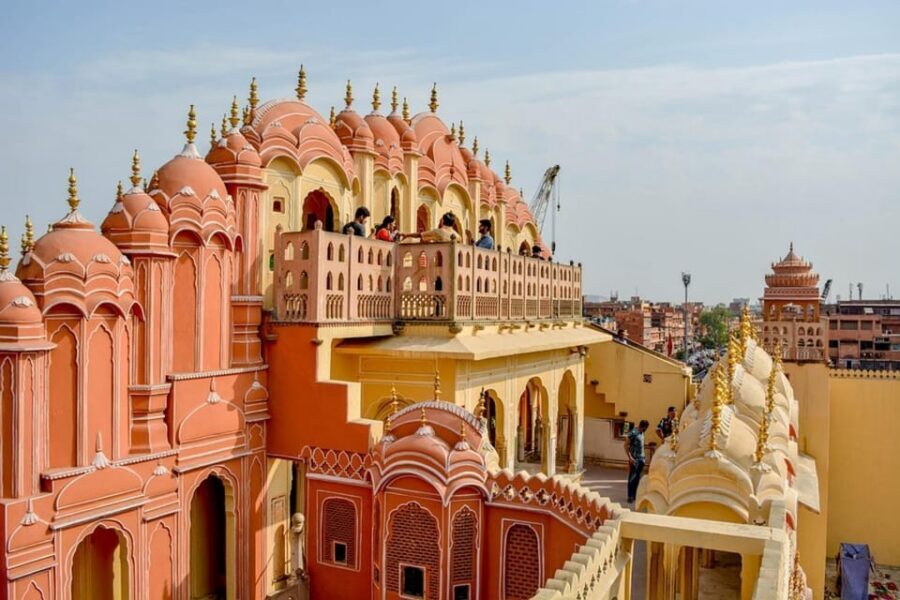
Next up is Jantar Mantar, also referred to as the Observatory. This is the stop that surprises people who thought Jaipur would be only forts and palaces. Here you get 19 astronomical instruments, built by Sawai Jai Singh and finished in 1734.
The standout for most visitors is the world’s largest stone sundial. But the real value is in understanding why these structures look the way they do. When your guide explains how the instruments were designed to measure the sky, you start seeing the geometry instead of just the scale.
This is also a good moment to slow down a bit mentally. Jaipur is easy to consume as sightseeing. Jantar Mantar asks you to look at the city through timekeeping and observation—science tied to royal planning and navigation.


Hawa Mahal: the Wind Palace and its hundreds of windows
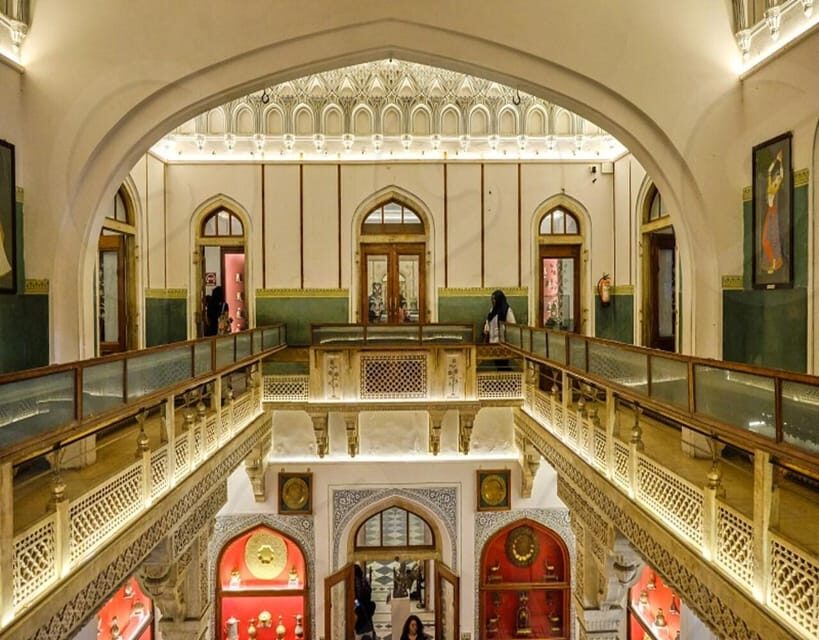
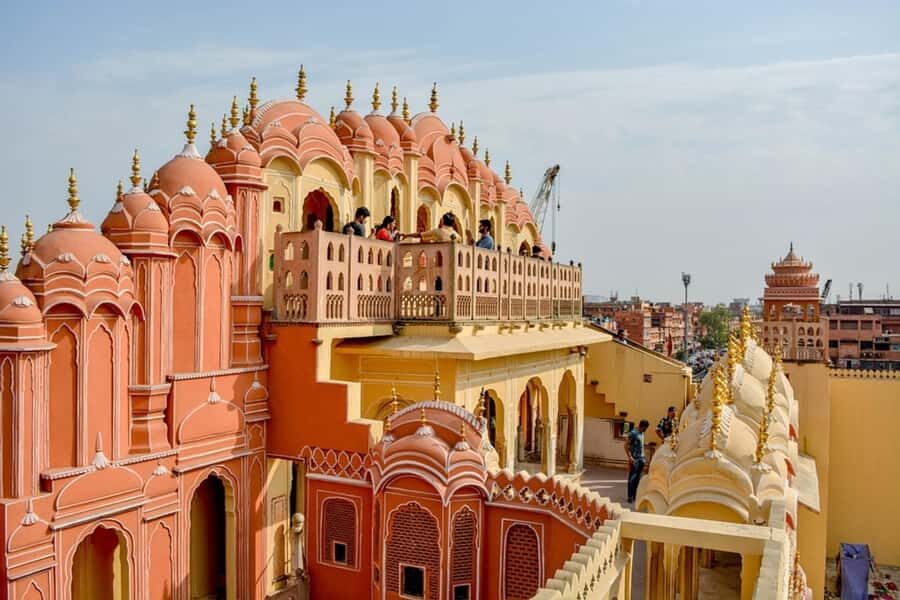
Hawa Mahal, the Wind Palace, sits on the edge of the City Palace complex and extends toward the Zenana, or women’s rooms. It’s known for its distinctive façade covered with hundreds of windows placed to let cool winds pass through the building.
I find Hawa Mahal especially satisfying after Jantar Mantar. You go from measuring celestial patterns to thinking about airflow and design. The architecture isn’t just decorative; it’s functional.
A guide can help you appreciate the façade’s rhythm—where you expect windows, how the shape changes, and what role these openings play. Even if you only view it from accessible viewpoints, you’ll leave with a clearer picture of how the building worked in everyday conditions.
Galtaji Temple: the spring-fed kunds and hillside pilgrimage
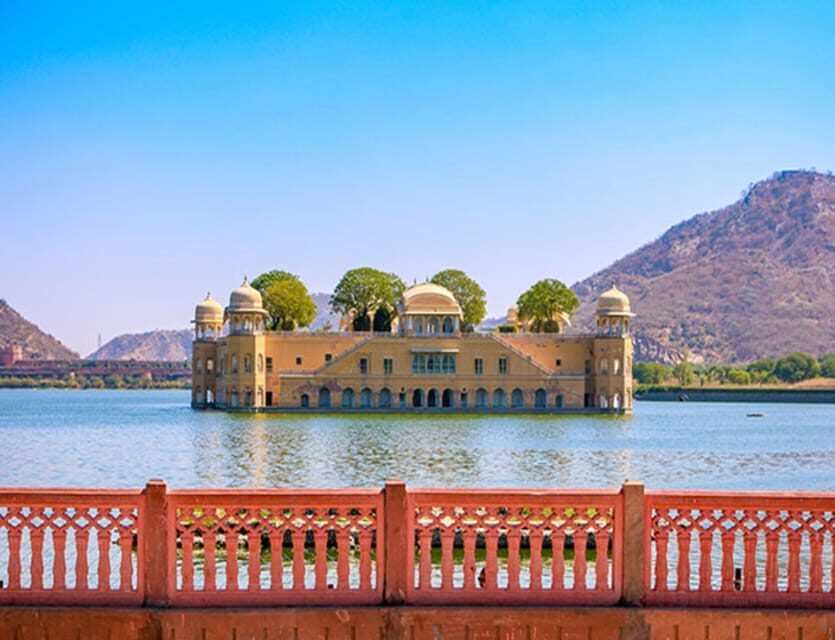
Then comes the part many people don’t plan for enough: Galta G, also called Galtaji or Galtaji Temple. It’s about 10 km from Jaipur, and it sits in a ring of hills that surround the city.
What makes Galtaji different from the palace-and-fort rhythm is the setting. Temples are built into a narrow crevice in the hills, and a natural spring emerges high on the hill to fill sacred kunds (water tanks). Pilgrims bathe in these tanks, and the water is part of the spiritual logic of the place.
The itinerary includes walking up through the crevasse past the highest water pool toward a hilltop temple. From there, you get views across the valley floor, including Jaipur and its fortifications.
This stop is often the most memorable because it feels lived-in. Even if you’re not there for religious reasons, the combination of water, stone, and the climb gives you a sense of place you don’t get from a museum room. I recommend wearing comfortable shoes—this is the day’s “legs” moment.
Price, timing, and what you actually get for $28
The listed price is about $28 per person, which can feel like either a bargain or a trap depending on what’s included in your chosen option. The good news: the tour includes pickup/dropoff, a private AC car with driver, a live guide, water bottles during journey time, and all tolls, taxes, and parking.
Monument entrance tickets and lunch are included only if you select options that cover them. So if you want a smoother budget, check that your ticket and meal choices are aligned with your plan. Otherwise you might be adding costs at the edges of the day.
Also, drinks/alcohol are not included, and personal expenses are on you. That’s normal, but it matters on a long day—especially if you’re thirsty after walking and temple climbs.
Timing-wise, expect an early start (pickup at 8 AM) and a full day. One caution from real-world experience: if you care about seeing every single stop, don’t assume the schedule will magically protect itself. If a guide or driver is moving slowly, you can lose ground fast when you’ve got multiple major sites queued.
How guide quality can change your whole experience
The tour is only as good as the person explaining it—at least for the “make it meaningful” part. When the guide is strong, you’ll get clear, practical historical context at each stop, and you’ll understand what you’re seeing without needing to read a guidebook every ten minutes.
In one case, I’ve heard praise for a guide named Ham: strong history knowledge, excellent Spanish, and even help with photos plus stepping in when street vendors got pushy. That’s a big deal in Jaipur, where you often want to browse calmly without being hassled.
In other situations, the guide experience has been less ideal—switches mid-day and a guide who didn’t seem focused on explaining or finishing the listed plan. I can’t control that part as a buyer, but I can tell you how to protect yourself: ask any first point-of-contact questions early, confirm the sequence of stops, and if the day feels off pace, politely address it sooner rather than later.
Who this tour suits best
This is a strong match if you want a single-day overview of Jaipur without wrestling transport. You’ll enjoy it if you like forts, palaces, and monuments, and you’re happy to move between stops to see the city’s main storylines.
It’s also a good fit for travelers who enjoy a mix: UNESCO fort architecture in the morning, science at Jantar Mantar in the afternoon, and a hillside pilgrimage at Galtaji before the day ends. If your ideal travel day is one that stays efficient while still feeling varied, you’ll likely like this route.
If you’re the type who wants long, quiet stays at one or two sites only, you may feel rushed. Jaipur is big on “look, walk, look again,” and this plan is built to cover a lot.
Should you book this Jaipur sightseeing with Galta G Temple?
Yes—if you want a full-day “best-of Jaipur plus Galtaji” plan with comfort and explanation included. The value is strongest when you’ve confirmed your monument entrance tickets and lunch option (if you want them), since those are the common add-ons people forget.
I’d book it when your priorities include Amber Fort, Jantar Mantar, and the Galtaji hillside walk with spring-fed kunds. I’d hesitate only if you’re very sensitive to schedule drift or you already know you want a very relaxed pace.
If you do book, go with two strategies: wear comfy shoes for Galtaji, and be ready to check that the day’s stops stay on track once you’re on the road. That way you get the full picture of Jaipur—palaces, science, wind, and water in one long, memorable day.
FAQ
What time does the tour start?
Pickup is at 8 AM from your chosen location in Jaipur.
Is there a private guide during the tour?
Yes. You’ll have a live tour guide along with your driver and private car.
Is lunch included?
Lunch is included only if you select the option that includes lunch at a restaurant with Indian Rajasthani and Continental cuisine.
Are monument entrance tickets included?
Entrance tickets are included only if you choose the option that includes monument entrance tickets.
What language is the tour guide available in?
The tour guide can be in English, French, German, Spanish, Russian, or Italian.
Do you visit Galtaji Temple the whole way up?
The plan includes ascending the crevasse past the highest water pool to reach a hilltop temple with views over Jaipur and the fortifications.
What should I bring with me?
Bring a passport or ID card.
Is alcohol allowed on this tour?
Alcohol and drugs are not allowed.