REVIEW · AGRA
From Delhi: Sunrise Taj Mahal & visit Elephant Conservation
Book on GetYourGuide →Operated by Arush Tour · Bookable on GetYourGuide
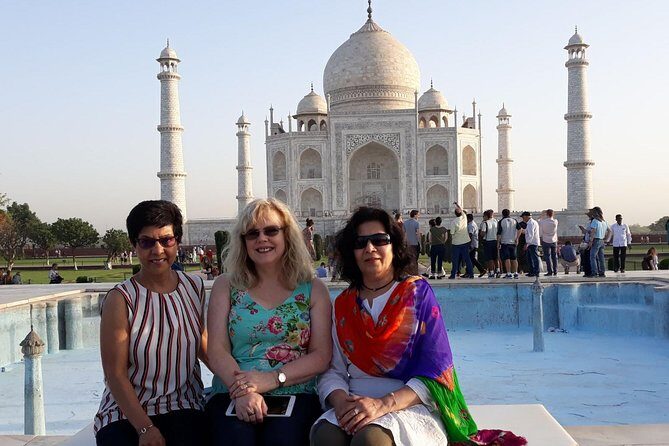
Morning light turns the Taj magical, with Sunrise calm and photo-ready views before crowds. This day also uses a skip-the-line style entry approach, so you spend less time stuck and more time looking. A licensed guide keeps the stories clear, from the Taj’s architecture and construction to the tragic love story of Shah Jahan and Mumtaz Mahal.
I especially like two parts of this outing: the chance to explore Agra Fort with real context, and the Wildlife SOS stop that’s built around respectful care. At the Elephant Conservation and Care Center, you’re not doing riding or any coercion, just careful, human-supported viewing of elephants rescued from abuse, circuses, or illegal labor.
One thing to plan for is the early start and a long day. The total time is listed as 6 to 12 hours, depending on pickup and timing, so wear comfortable shoes and expect a bit of walking.
In This Review
- Key highlights to know before you go
- Sunrise Taj Mahal: the quiet that makes the monument hit harder
- Your guide at the Taj Mahal: better photos and better context
- Agra Fort after the Taj: Mughal power in red sandstone and marble
- Wildlife SOS Elephant Conservation: what ethical elephant encounters should look like
- Private AC transfers from Delhi: the unglamorous win
- Price and inclusions: where the $11 value can make sense
- What to bring and how to prepare for a smooth day
- FAQ
- FAQ
- What time does the sunrise Taj Mahal tour start, and how long is it?
- Where are the pickup locations for this tour?
- Where can I be dropped off after the tour?
- Are the entrance fees included for the Taj Mahal, Agra Fort, and the elephant center?
- Will I be able to skip the line at the Taj Mahal?
- What makes the elephant experience ethical here?
- How long is the Taj Mahal part of the tour?
- What languages are available for the live tour guide?
- Is this tour wheelchair accessible?
- Should you book this sunrise + elephants day trip?
Key highlights to know before you go
- Sunrise timing for the Taj: quieter atmosphere and better light before crowds arrive.
- Licensed, multi-language guide: history and architecture explained, including Shah Jahan and Mumtaz Mahal.
- Private AC transfers: pickup from multiple Delhi-area locations with hotel drop-off.
- Agra Fort viewpoints: red sandstone and marble courtyards, palaces, and passageways.
- Wildlife SOS elephant care (ethical): rescued elephants living with dignity, no riding.
- Small comfort extras: complimentary water bottle and an umbrella.
Sunrise Taj Mahal: the quiet that makes the monument hit harder
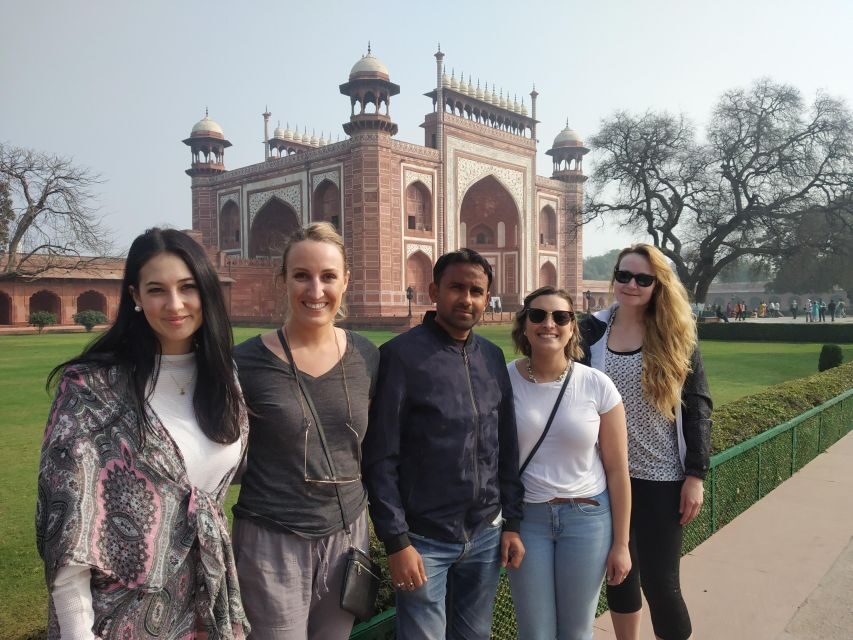
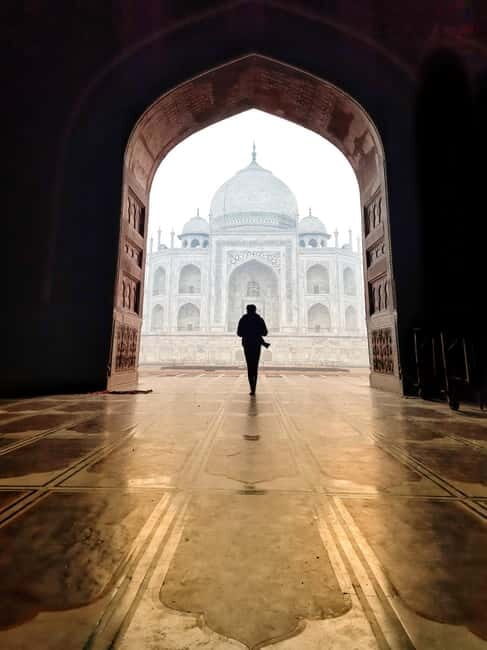
You’re going to Agra early, and that’s the point. The Taj Mahal works best when you can actually see it, not just survive it. At sunrise, the gardens feel calmer and the whole experience has breathing room. You get the kind of photos where the monument looks clean and intentional, not washed out by midday crowds and glare.
What really helps is the guiding. A good guide doesn’t just narrate dates. You’ll get the story behind the design and construction, and you’ll connect the emotional legend—Shah Jahan and Mumtaz Mahal—to the physical choices you see in front of you. That’s where the visit stops being a checklist and starts becoming understanding.
One practical plus: the tour is set up to help you skip the line through a separate entrance. That means less queue time, more time in the spaces you paid to see. Also, you’ll be moving in a structured way, which matters because the Taj’s surroundings can be chaotic if you’re doing everything on your own.
If you’re the kind of traveler who likes to pause and look up, this is a strong fit. If you’re only in town for a short window, it’s also a smart use of time, because you’re stacking the Taj and Agra Fort in one day without needing complicated local routing.
A few more Agra tours and experiences worth a look


Your guide at the Taj Mahal: better photos and better context

The Taj Mahal is famous, but it can still feel confusing if you’re not sure what you’re looking at. That’s why the guide matters. This tour includes a private tour guide, and the experience is designed around having someone explain the monument in a way that matches what you can actually see while you’re there.
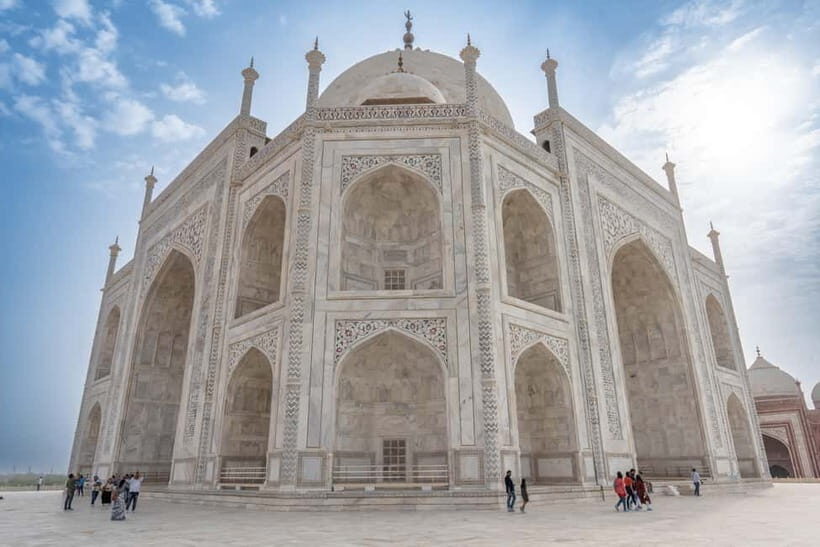
In real-life feedback, guides such as Farhan and Salim Khan come up for their mix of history and practical help. One standout theme is how they assist with photo framing. You’ll get a sense of where to stand for perspective and how to avoid the most crowded angles. That’s not just for cameras. The right position also helps you notice details—the rhythm of arches, the way the complex reads from different distances, and how the whole place is composed.
Here’s what you can expect from the Taj portion of the morning:
- A guided walk that connects architecture and construction to the love story.
- Time to look at the monument without feeling rushed.
- Photo-friendly conditions from the early start.
The tour also includes entry to the Taj Mahal, and you can choose options where the Taj entry fee is included. If your booking option includes it, you don’t have to manage ticket logistics at the last second.
And yes, it’s early. But if you’re going to put time into Agra, sunrise is the most reasonable way to make sure the Taj feels special instead of hectic.
Agra Fort after the Taj: Mughal power in red sandstone and marble

After the Taj Mahal, you’ll continue to Agra Fort. This is where the day shifts from romance to power. The fort is a massive complex of red sandstone and marble, tied to the Mughal Empire’s political center. If the Taj is about love and symbolism, Agra Fort is about rule, strategy, and authority.
You’ll spend about two hours exploring with your guide. The visit isn’t just walking from one wall to another. Expect palaces, courtyards, and even secret passageways (the kind that make you understand why forts were built like living machines). The guide’s job here is to translate what you’re seeing into context: what parts were for living and ceremony, how spaces relate, and how the fort’s layout worked.
One of the quiet advantages of doing Agra Fort right after the Taj is rhythm. You’ve already trained your eyes on monuments and craftsmanship. Now you can shift focus to the fort’s scale and engineering. Plus, Agra Fort sits in a way that gives you a view back toward the Taj, which helps the day feel connected rather than like two separate stops.
A note on timing: you’ll have a breakfast break between the morning highlights and the afternoon program. Meals are included only if you choose the meal option, so check your selection. If meals aren’t included, you’ll still likely get a breakfast window as part of the flow of the day, but your exact food situation depends on what you selected.
Potential drawback: you’ll be moving steadily, and Agra Fort involves walking on uneven surfaces. If you have knee issues, bring supportive shoes and take your time on the transitions between courtyards and structures.
Wildlife SOS Elephant Conservation: what ethical elephant encounters should look like

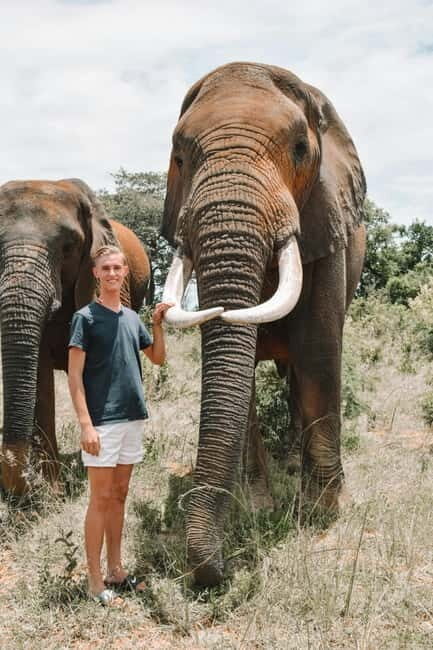
This is the part that many people remember long after the photos. The Wildlife SOS Elephant Conservation and Care Center is focused on care and rehabilitation—elephants rescued from abuse, circuses, or illegal labor living in safety and dignity.
The key promise here is no riding, no coercion. That matters, because elephant tourism can easily slide into entertainment that harms animals. This center is built to avoid that. Your experience is about observing and learning, not participating in anything that treats the elephants like equipment.
During your visit, you can expect:
- Stories of individual elephants and why they came to the center.
- A chance to see how elephants are cared for day to day.
- Information about sustainable species conservation in India.
This stop also fits the overall tour logic: it’s not random. It’s scheduled after your major cultural sites so you’re not just rushing from one landmark to the next. By the time you arrive at the center, the day has already given you big sights, and this provides a different kind of meaning—one grounded in animal welfare.
One practical detail: entry to the SOS Elephant Conservation Centre is included only if you select that option. If you don’t, you may still be visiting but without the included admission, depending on your booking.
If you care about responsible travel, this is a strong choice. You’ll also appreciate that the description clearly signals what you won’t be doing. That’s a good sign: when the rules are upfront, it usually means the experience is easier to trust.
Private AC transfers from Delhi: the unglamorous win
Long trips can ruin a good day. The nice thing here is the transport setup. You have private transfers by air-conditioned vehicle, which is the kind of comfort you’ll feel, especially on a sunrise schedule.
Pickup is available from five Delhi-area options: Delhi, Agra, Gurugram, New Delhi, and Faridabad. Drop-off options match those regions as well. This matters because you can start where you’re staying and end near your original area instead of negotiating complicated city legs.
Also, the tour includes hotel pickup and drop-off. That’s a big deal when you’re traveling early, when taxis and schedules feel like a game of chance.
In real feedback, drivers have been described as careful and smooth, and that safety detail is underrated. If roads or traffic make you stressed, you won’t fully enjoy the morning light at the Taj. With AC transfers, you arrive more focused and ready to walk.
One more thing: the tour duration is listed as 6 to 12 hours. That’s broad because Agra runs on variable timing—traffic, entry flow, and your exact sunrise window. Still, the private structure means you’re not waiting around with a huge crowd or trying to coordinate your own transport after a long day.





Price and inclusions: where the $11 value can make sense
The listed price is $11 per person, and on paper that’s surprisingly low for a day that includes sunrise Taj Mahal time, Agra Fort, and a Wildlife SOS elephant visit—with private guide service and AC transport.
Here’s how to judge the value honestly:
- If you choose options that include entry fees for the Taj Mahal and Agra Fort, plus the SOS entrance, you’re saving the hassle of ticket management and likely reducing the chance of missing anything.
- You’re also paying for someone to handle routing, timing, and interpretation. That’s where tours often justify their cost. Without a guide, Taj Mahal and Agra Fort become more of a photo hunt.
- The tour includes a complimentary water bottle and an umbrella, which sounds small until you’re standing outside in the heat or dealing with sudden weather.
What’s not included is important too. Shopping is listed as not included, so don’t plan this day around markets. Also, meals are included only if you select the meal option.
One consideration: the tour duration range (6–12 hours) can make planning tricky. If you’re trying to fit this between two major plans in Delhi, build in buffer time. But if you want a single solid day experience, it’s a good match.
What to bring and how to prepare for a smooth day

This kind of day trip runs on logistics, so simple preparation helps a lot.
Bring:
- A passport or ID card (this is required for the tour).
Wear:
- Comfortable walking shoes. You’ll spend meaningful time at Taj Mahal and then keep moving at Agra Fort.
- Sun protection. The tour provides an umbrella, but you still might want a hat and sunscreen based on your preferences.
Plan around the rules:
- Pets aren’t allowed.
- Drones aren’t allowed.
- Tripods aren’t allowed.
If you’re bringing photography gear, keep it simple. You’ll get the best results by using what you’re allowed to use, and by relying on your guide’s photo-position tips rather than trying to set up complicated equipment.
And if you’re sensitive to early mornings, consider how you’ll handle the alarm. Sunrise tours are worth it, but only if you start the day rested enough to enjoy the quiet.
FAQ
FAQ
What time does the sunrise Taj Mahal tour start, and how long is it?
The duration is listed as 6 to 12 hours. Starting times depend on availability, so it’s best to check the options for your travel date.
Where are the pickup locations for this tour?
You can be picked up from Delhi, Agra, Gurugram, New Delhi, and Faridabad.
Where can I be dropped off after the tour?
Drop-off locations include Faridabad, New Delhi, Agra, Gurugram, and Delhi.
Are the entrance fees included for the Taj Mahal, Agra Fort, and the elephant center?
Entry fees for the Taj Mahal and Agra Fort are included if you select the option. SOS Elephant Conservation Centre entrance is also included if you select that option.
Will I be able to skip the line at the Taj Mahal?
Yes. The tour offers skip-the-line access through a separate entrance.
What makes the elephant experience ethical here?
The elephant conservation visit is described as respectful, with no riding and no coercion. You’ll see how elephants are cared for and learn about their rescue and welfare.
How long is the Taj Mahal part of the tour?
The Taj Mahal visit is listed as about 2 hours, including the sunrise timing and a guided tour.
What languages are available for the live tour guide?
Live tour guides are offered in English, Spanish, Russian, German, French, and Japanese.
Is this tour wheelchair accessible?
Yes, the tour is listed as wheelchair accessible.
Should you book this sunrise + elephants day trip?
Yes, if you want your Agra day to feel balanced: the Taj Mahal at the most atmospheric time, Agra Fort with real context, and an elephant visit that’s built around welfare rather than entertainment. The combination of sunrise timing, private AC transfers, and a guide who helps with both history and photo-friendly viewing is the strongest argument.
Book it especially if you’re traveling from Delhi-area locations and you want someone to handle pickup, routing, and timing without stress. If you dislike early starts or you’re short on walking stamina, plan carefully and wear supportive shoes. Otherwise, this is a solid value way to see Agra’s main icons and do the elephant part with your conscience intact.