REVIEW · AGRA
From Agra: Fatehpur Sikri Private Tour
Book on GetYourGuide →Operated by Agra Taxi and Service · Bookable on GetYourGuide
Fatehpur Sikri hits hard with its sheer scale. I love the skip-the-line access that keeps your day moving, and I also like the private guide attention that helps you understand what you’re seeing. The only real drawback to plan for is that the visit time can feel a bit tight if you’re the slow-and-savor type.
Your logistics are handled with a pick-up and drop-off in a comfortable air-conditioned car, and drivers like Sahil have been praised for being punctual and careful on the road. You’ll also be part of a small group (up to 15), so it feels social enough to ask questions without turning into a crowd scramble.
If you want extra local flavor, there’s an optional bazaar stop where you can mix a little modern street life into the Mughal setting. Just remember: food and drinks aren’t included, so bring a plan for water and snacks.
In This Review
- Key things to know before you go
- From Agra to Fatehpur Sikri: value of a private guide day
- Pickup to return: AC car, small group limits, and who’s behind the wheel
- Skip-the-line entry: where time savings really matter
- Buland Darwaza and Jama Masjid: the first big wow
- Diwan-i-Khas and the Panch Mahal: Akbar’s inner world
- Tomb of Salim Chishti and Jodhabai’s Palace: faith and family legends
- Optional local bazaar stop: spend 30 minutes like a local
- Taj Mahal and Agra Fort add-ons: planning around Friday closures
- Price check: what $16 really buys (and what it doesn’t)
- Practical checklist for your ID, pace, and comfort
- Should you book this Fatehpur Sikri tour from Agra?
- FAQ
- How long is the Fatehpur Sikri private tour from Agra?
- Does this tour include skip-the-line entry?
- Will I have hotel pick-up and drop-off?
- What’s included in the price?
- Is food and drinks included?
- What languages are the guides available in?
- What do I need to bring?
- Is the Taj Mahal closed on any day?
Key things to know before you go
- Skip-the-line entry uses a separate entrance, so you spend less time waiting.
- Hotel pickup and drop-off makes the day easy, especially when you’re starting in Agra.
- Buland Darwaza, Jama Masjid, Diwan-i-Khas, Panch Mahal are the core sights—each one tells a different story.
- Tomb of Salim Chishti and Jodhabai’s Palace add the spiritual and family-lore angle.
- Your English-speaking guide can adjust the pace so you don’t feel rushed.
From Agra to Fatehpur Sikri: value of a private guide day
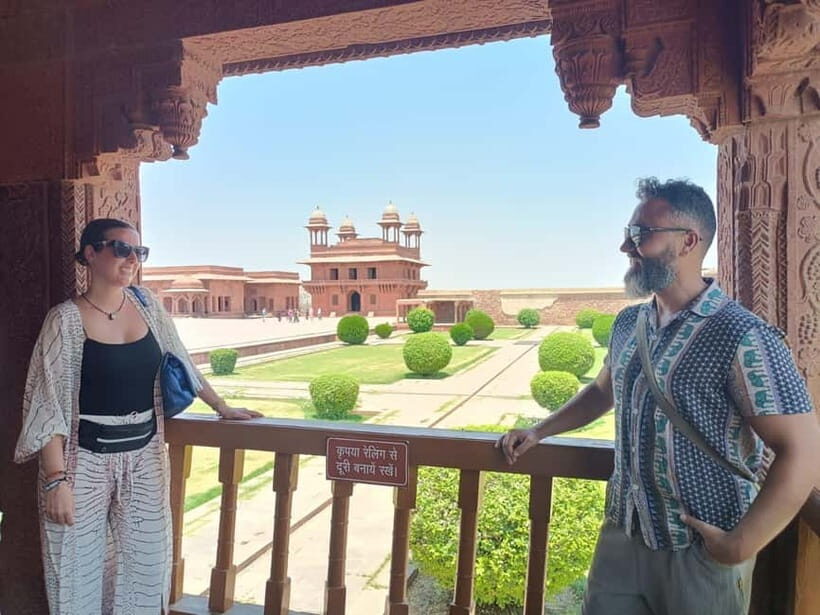
A Fatehpur Sikri day works best when you’re not just looking at buildings, but also getting the logic behind them. This tour’s biggest advantage is that you’re not stuck with a generic script. A real guide can steer you toward what matters most—architecture details, the Mughal power play behind the layout, and the meaning of the complex’s major points.
I also like that this is built for comfort. You’re picked up from your hotel in Agra (or another listed location) and returned afterward, which cuts out a lot of hassle. That matters because Fatehpur Sikri is not a quick “half-hour stop”—it’s a full experience.
The best fit here is you if you want history and structure, but you also want the freedom to ask questions and move at a sane pace. If you love taking your time for photos, this can still work, but you’ll want to keep an eye on timing so you don’t end the day feeling shortchanged.
You can also read our reviews of more private tours in Agra



Pickup to return: AC car, small group limits, and who’s behind the wheel
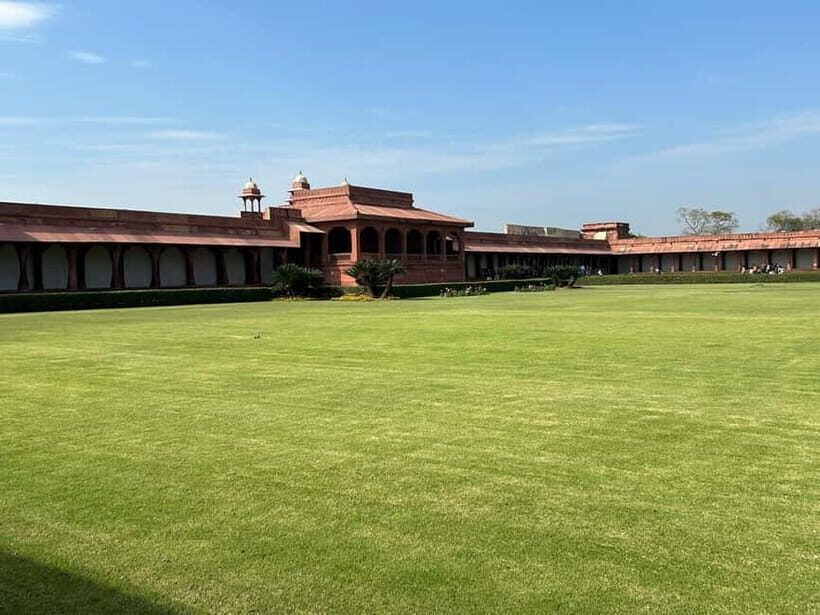
The day starts with pick-up from your hotel (Agra is the focus here), then you ride in an air-conditioned vehicle with a driver. The tour is described as private—meaning you’re not joining some giant bus herd—yet it’s also set as a small group experience with a maximum of 15 people. That balance usually means easier questions and less waiting around.
From the praise in the details, drivers can make or break the day, and names like Sahil show up tied to punctuality and polite service. You should also expect that your guide stays with you during the sightseeing portion.
One practical note: because you’re in a car for part of the day, you’ll feel the benefit of AC on hotter days and cooler comfort when weather shifts. It’s an underrated part of value. When the transportation is smooth, you spend more energy looking, not coping.
Skip-the-line entry: where time savings really matter
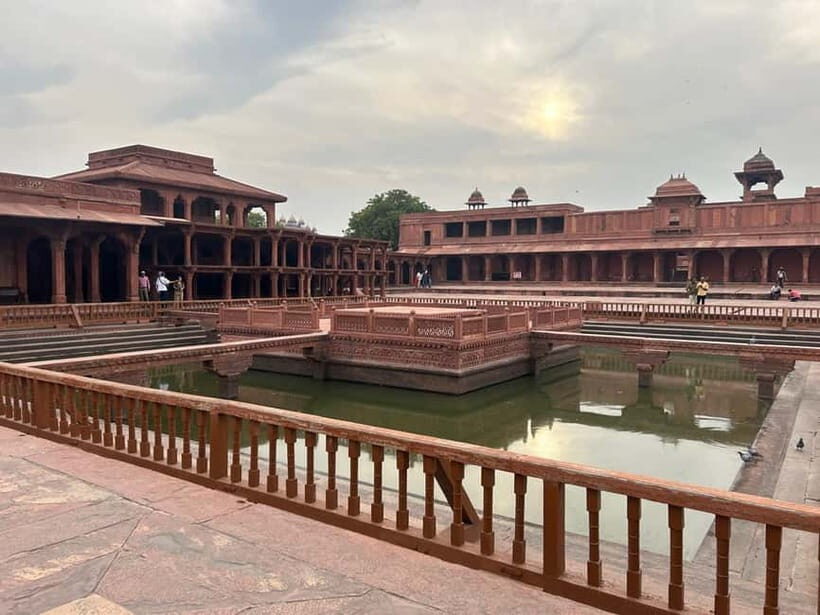
You get skip-the-line entry through a separate entrance. That’s not just a convenience perk—it changes the rhythm of the day. When you reduce early waiting, you can arrive with better focus and spend more time inside the complex.
There’s also an important planning twist: the tour listing includes skip-the-line entry tickets for the Taj Mahal and Agra Fort if you choose that option. So if you’re thinking about stacking sights in the same broader trip, this matters a lot. If you’re only doing Fatehpur Sikri, the main time saver is still the separate entrance at your complex.
One more timing reality: the Fatehpur Sikri portion is guided and structured, so “skip-the-line” doesn’t mean “unlimited time.” It means your guide can spend that recovered time on interpretation—why Buland Darwaza exists, what Diwan-i-Khas was for, and how the palace views change your understanding of the site’s layout.
Buland Darwaza and Jama Masjid: the first big wow
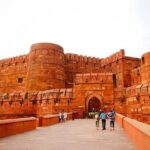
Most people feel a jolt at the entrance, and Fatehpur Sikri delivers. Buland Darwaza—the Gate of Victory—is often the first face you see, and it sets the tone. It’s huge in a way that’s hard to capture in photos because your perspective keeps changing as you walk closer. With a guide, you’re more likely to notice what the gate is saying: this was built to project power and announce triumph.
Next comes Jama Masjid, a beautiful Mughal-era mosque. What I like about starting here is that it teaches you how the complex mixes function with message. It’s not just religious space; it’s part of the visual and political design of the whole site.
Potential drawback: this is where crowds can form, especially if you’re at the complex during peak hours. The skip-the-line helps, but if you’re very photo-sensitive, consider bringing a little patience for busy moments around the big, showy viewpoints.
Diwan-i-Khas and the Panch Mahal: Akbar’s inner world
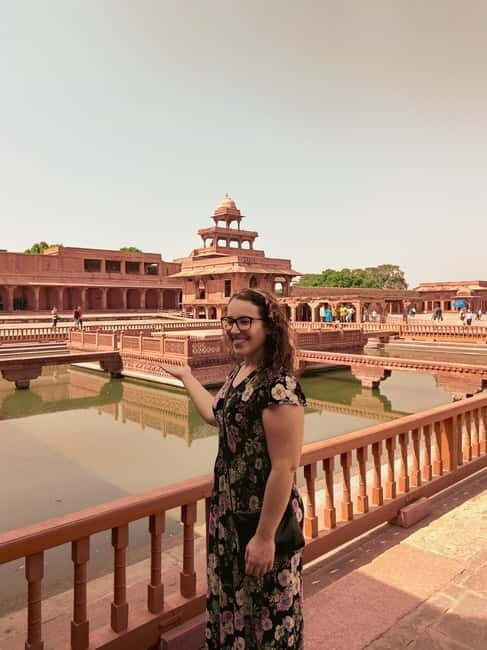
If Buland Darwaza is the headline, Diwan-i-Khas is the small-print that makes it click. This is the Hall of Private Audiences—where Akbar would meet with his closest advisors. With an English-speaking guide, you’ll get a clearer sense of the setting: this wasn’t open public ceremony space, and the hall’s role changes how you read the architecture.
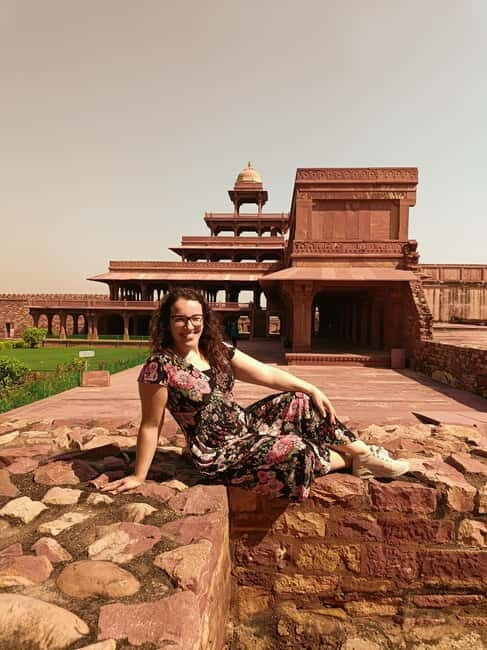
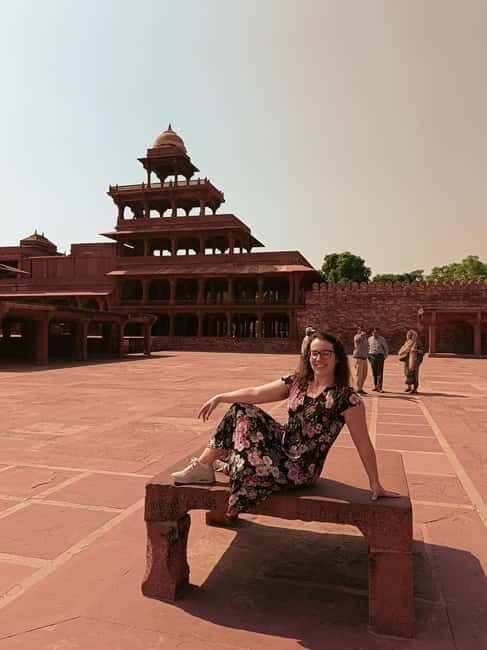
Then you move to Panch Mahal, a five-story palace area that rewards you for slowing down. The value here is the viewpoint logic. As you move between levels and vantage points, you start to understand the complex not just as buildings, but as a designed system of sightlines.
If you’re worried about getting lost, don’t be. A guide helps you connect the dots between the hall, the palace structures, and the surrounding layout. That’s why a private-style experience pays off. You’re not just passing by stops; you’re building a mental map.
If you’re short on time, this is also where you’ll feel it most. Spend a few extra minutes here rather than trying to rush every corner equally—your understanding will improve.



Tomb of Salim Chishti and Jodhabai’s Palace: faith and family legends
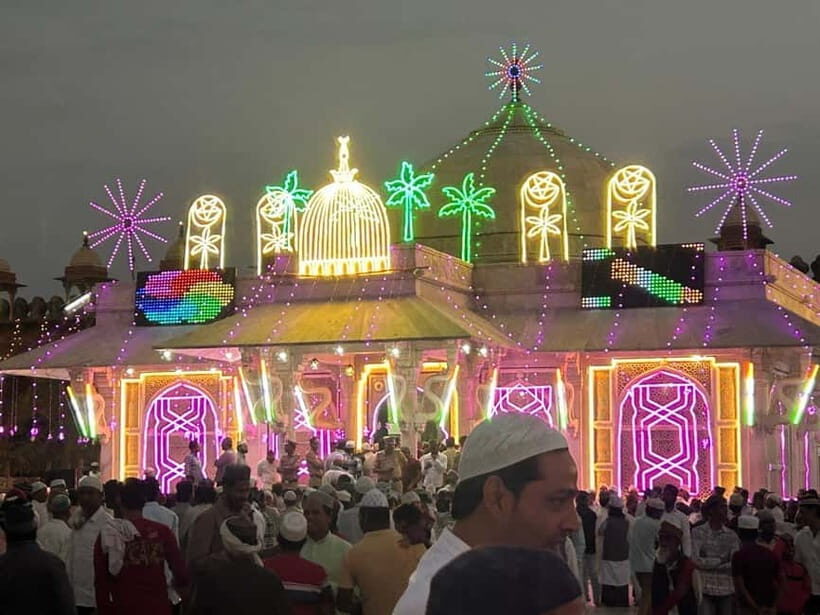
Fatehpur Sikri isn’t only royal architecture. The Tomb of Salim Chishti brings a very different mood. It’s a sacred site associated with a prominent Sufi saint, and the area carries the kind of spiritual weight you can feel through the way people behave there. This stop is often memorable because it reminds you the complex wasn’t designed for one audience only.
Then comes Jodhabai’s Palace, often described as an example of Mughal architecture believed to be the residence of Akbar’s wife, Jodha Bai. Even if you only know the basic names, this is the part that adds human scale. You start thinking about daily life, not just state power.
Here’s the balanced way to see it: tombs and legends can feel a little “story-heavy” if you prefer pure archaeology. But with the right guide, the storytelling stays connected to the site—materials, layout, and how the spaces function within the bigger complex.
Photo note: you may get brighter light in some courtyard zones and softer shade in others. I’d plan a quick camera reset at transitions so you don’t miss the best angles.
Optional local bazaar stop: spend 30 minutes like a local

One highlight on the tour is an optional local bazaar stop. This is your chance to step out of the Mughal setting for a bit and catch real-day India in motion. If you choose it, keep it purposeful: look, feel, and grab something small rather than trying to finish shopping.
It’s also a practical break. After walking the complex, a short bazaar moment can reset your legs and give you something lighter than monuments—snacks, small gifts, or just watching people work.
One consideration: bazaar time can expand if you’re browsing slowly. Since the tour has a guided plan, ask your guide what timing looks like before you commit. That way you don’t sacrifice the later stops that matter most to you.
Taj Mahal and Agra Fort add-ons: planning around Friday closures
If you chose the option that includes skip-the-line tickets for the Taj Mahal and Agra Fort, this is where planning gets real. The Taj Mahal is closed on Fridays, so your day needs a workaround if your travel dates land on a Friday.
In practical terms, it means you should decide early if you want those add-ons, and confirm how your overall schedule shifts on closure days. If Taj Mahal isn’t available, you don’t want your day to feel like it “lost a chunk” with no backup.
Even without Taj Mahal on the itinerary, it’s useful to remember this closure rule because many visitors try to stack Agra sights in one trip. This tour can fit into that plan neatly—especially because the transport and guiding are already built for a smooth day.
Price check: what $16 really buys (and what it doesn’t)
At $16 per person for a 5–8 hour day, this tour is priced for value—especially when you factor in what’s included. You get air-conditioned transport, a professional English-speaking guide, and all taxes and parking. You also get skip-the-line entry to the complex, and if you select the right option, skip-the-line tickets for the Taj Mahal and Agra Fort.
What you don’t get is food and drinks. That’s a simple but important gap. Bring water, and consider planning snacks so you’re not stuck searching during peak heat. If you’re the type who needs coffee or something salty to stay focused, plan that before you head out.
Also remember: a private guide and skip-the-line entry cost money, and those are the pieces that improve the experience more than another “checklist ticket.” This is a good sign for value.
One more detail: a very high transport satisfaction score (94% scoring a perfect rating) suggests the car side is reliable. In Agra, that kind of consistency matters.
Practical checklist for your ID, pace, and comfort
Before you go, keep it simple:
- Bring a passport or ID card. You’ll need it.
- Dress for sun and walking. Fatehpur Sikri is an outdoor complex with a lot of standing and moving.
- Plan your water and snack situation because food and drinks aren’t included.
- Expect a guided pace—flexible, but still structured.
For guide language: options include English, French, and Spanish. That’s helpful if you’re traveling with someone who prefers a specific language. Your guide should be able to answer questions about the Mughal Empire and the complex’s significance, and the private setup makes it easier to ask follow-ups.
Finally, if you’re sensitive to end-of-tour interactions, note that one person experienced strong requests to write a rating. It didn’t derail the tour, but it’s worth knowing if you prefer a quiet finish.
Should you book this Fatehpur Sikri tour from Agra?
Book this tour if you want Fatehpur Sikri with context, not just photos. The skip-the-line entry plus a guide who can explain the major stops (Buland Darwaza, Jama Masjid, Diwan-i-Khas, Panch Mahal, and the spiritual sites) is a strong combo for a first-timer.
You should think twice if you want a completely free-form day with no structure. This one is guided and paced for 5–8 hours total, with a major focus on the complex itself. If your top priority is wandering slowly for hours without checkpoints, you might find the schedule a little tight.
If you’re on a tight Agra timeline, this is also a smart use of time. A private driver and hotel transfers mean you don’t waste half a day figuring out logistics. That’s usually where “cheap” days get expensive—in taxis, confusion, and time lost.
If you can, check the language you’ll use and decide whether you want Taj Mahal/Agra Fort add-ons. Friday closures can matter.
FAQ
How long is the Fatehpur Sikri private tour from Agra?
The duration is listed as 5 to 8 hours.
Does this tour include skip-the-line entry?
Yes. You get skip-the-line entry through a separate entrance. The Taj Mahal and Agra Fort skip-the-line tickets are included only if you choose that option.
Will I have hotel pick-up and drop-off?
Yes. Pick-up and drop-off are included, with the driver collecting you from your hotel or desired location in Agra (other listed start/end locations are also possible).
What’s included in the price?
Included are an air-conditioned car, a professional tour guide, all taxes and parking, and skip-the-line entry tickets for Taj Mahal and Agra Fort if you select the option.
Is food and drinks included?
No. Food and drinks aren’t included.
What languages are the guides available in?
The live tour guide is listed as available in English, French, and Spanish.
What do I need to bring?
Bring a passport or ID card.
Is the Taj Mahal closed on any day?
Yes. The Taj Mahal is closed on Fridays, so plan your Agra days accordingly.