REVIEW · KOCHI
Walking Tour of Fortkochi
Book on Viator →Operated by Day in Cochin Tours · Bookable on Viator
Fort Kochi feels like a time machine in motion. This 2-hour heritage walk traces the Portuguese, Dutch, and English trading era through famous streets and churches, then flips to everyday coastal life along the promenade. I especially like how you get both colonial sights and a real feel for the shoreline rhythm, not just plaques and photos.
The best part is the guide-led pacing—short stops, lots of context, and easy movement for most people. One consideration: the visit windows are brief at each site, and you’ll still be walking outside in all weather, so plan for rain or sun.
In This Review
- Key highlights you’ll feel right away
- Why Fort Kochi’s trade-era streets still work as a walk
- Starting at Santa Cruz Cathedral Basilica (and why that choice makes sense)
- Princess Street: where Portuguese-era architecture shows up in plain sight
- Church of Saint Francis: a landmark with built-in context
- Chinese Fishing Nets close to shore: the stop that feels most alive
- Dutch Cemetery: European conflict in a small space
- Santa Cruz Cathedral Basilica again: a second look with a different angle
- Fort Kochi Beach promenade: where the walk ends on a gentle note
- The pace and walking reality: 1.5 km sounds easy, and it is
- Price and value: why $20 for Fort Kochi adds up
- Group setup: private tour, your pace, your questions
- Picking the best moment to do this walk
- Practical tips so you enjoy every stop
- Who this Fort Kochi walk suits best
- Should you book the Walking Tour of Fort Kochi?
- FAQ
- How long is the Fort Kochi walking tour?
- What distance will I walk?
- What is included in the ticket price?
- Are entry fees included for the sites?
- Where does the tour start and end?
- Does the tour run in bad weather?
Key highlights you’ll feel right away

- 1.5 km on foot means you can enjoy Fort Kochi without burning the day
- Free entry at every stop keeps value high and reduces planning stress
- Chinese fishing nets from near shore give you a close-up look at daily work
- Portuguese street + Francis church cover the early European footprint in one loop
- Sea promenade finale adds a calm breather and a change of pace
Why Fort Kochi’s trade-era streets still work as a walk
Fort Kochi (Fort Cochin) has a way of making centuries feel walkable. This route focuses on the period when European powers were chasing trade, supplies, and a safe place to refresh on the coast. The story isn’t told like a classroom lecture. It’s built into the surroundings: old street lines, church architecture, and coastal views that connect to what merchants needed to function.
I like that the tour’s structure matches the area’s reality. You’re not driving between far-flung points. You’re staying in the Fort Kochi zone, where the past sits close to the present. That makes it easier to get a sense of why all these different influences layered on top of each other.
The walk also includes a seaside promenade stop, which matters more than it sounds. Fort Kochi isn’t only about colonial stone. It’s about salt air, fishing activity, and people doing normal things right where history happened.
You can also read our reviews of more walking tours in Kochi



Starting at Santa Cruz Cathedral Basilica (and why that choice makes sense)
You begin at Santa Cruz Cathedral Basilica, on Bastian St in Fort Nagar. Starting here is smart because the cathedral is a visual anchor. Before you even move far, you’re already in the religious-and-colonial world that shaped the area.
Also, this sets expectations: the walk isn’t only about forts and battles. It’s about how Europeans interacted with Kerala—through churches, community life, and commerce. Even when a stop is short, you’ll feel the thread.
If you’re the type who likes to orient fast, this start helps. You’ll know where you are, then the rest of the loop clicks into place.
Princess Street: where Portuguese-era architecture shows up in plain sight
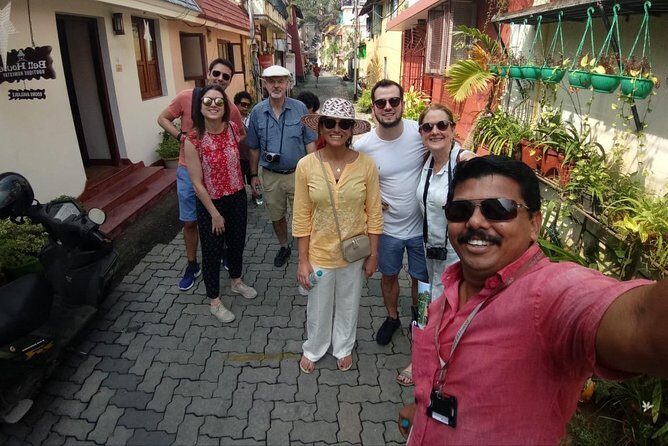
The first stop is Princess Street, described as one of the oldest Portuguese streets in India. This is one of those spots where you don’t need a long visit to see what’s going on. The architecture and street character do most of the work.
What I like here is the time allocation. You get around twenty minutes, long enough to look, photograph, and ask a few questions, but not so long that the group loses momentum. For a heritage walk, momentum matters. Fort Kochi’s charm is in moving from one detail to the next.
A practical note: narrow colonial streets can feel warm in direct sun. If you’re sensitive to heat, go light on thick layers and bring water. (Bottled water is included.)
Church of Saint Francis: a landmark with built-in context

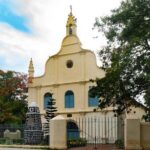
Next up is the Church of Saint Francis, noted as the first Catholic European church in India. A church like this can be a quick stop if you rush, but it becomes far more meaningful when you understand what the building represents.
In a short time, you’ll get the basics that turn a pretty façade into a historical point. Why that matters: you’ll start connecting European presence with specific institutions, not just vague “foreign influence.”
If you’re planning photos, remember that church stops can be stricter about movement and clothing than open streets. Keep your body language respectful and dress in a way that covers shoulders/knees if needed. Even if the walk is friendly and relaxed, religious sites tend to set the tone.
Chinese Fishing Nets close to shore: the stop that feels most alive
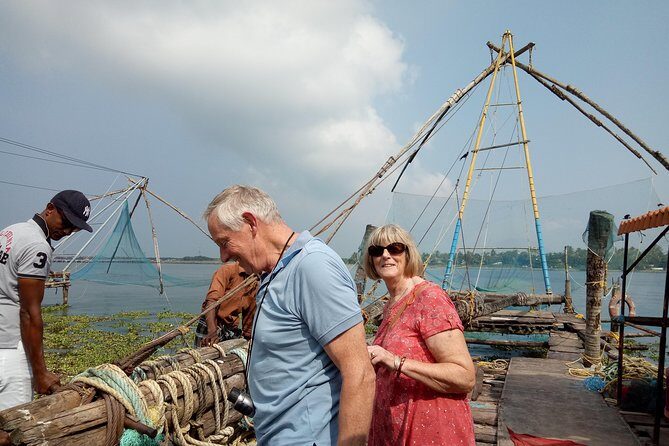
The Chinese Fishing Nets are the most visually active part of the route. You don’t just look at them from a distance here. You’ll get a glimpse of fishing close to the shore, which makes a big difference.
This is one of the best stops for families and for anyone who learns better by seeing something in motion. You’re watching people work in a coastal setting, not viewing a static exhibit. It’s also a nice contrast after the heavier church history.
Plan your camera setup here. Net work and boat movement can be quick, and you’ll want a few angles. Also, shoreline conditions can change fast—if it’s windy or humid, expect it to feel hotter or cooler depending on the moment.




Dutch Cemetery: European conflict in a small space
The Dutch Cemetery is a short stop, but it carries real weight. It’s framed as a battle ground of Europeans, which means the emotional tone shifts from architecture and daily work to conflict and competition for control.
This is the kind of stop that benefits from a guide’s explanation. If you only glance at markers, it can feel like another cemetery. With context, it becomes part of the wider story of how different European powers overlapped here.
Consider slowing down for this one even if the group doesn’t. Cemeteries can be meaningful places. It’s also a good chance to step aside briefly if you need a rest before the next church and beach segment.
Santa Cruz Cathedral Basilica again: a second look with a different angle
You’re listed to visit Santa Cruz Cathedral Basilica as a mid-walk stop, even though you start there. In practice, that usually means you’ll get a fuller look later after moving through the surrounding area and picking up context.
I like this approach. When you’ve just seen Portuguese street character and other European-linked landmarks, the basilica doesn’t feel random anymore. It reads as part of the same cultural thread.
If your schedule is tight, this stop also helps you avoid FOMO. You won’t wonder later if you missed the cathedral’s best features, because you’ll have another chance to take it in calmly.
Fort Kochi Beach promenade: where the walk ends on a gentle note
The final main stop is Fort Kochi Beach, plus a look at the seaside promenade area. You can see remains of old colonial forts from here, and the overall feel is quieter than the earlier street moments.
This is a great wrap-up because it shifts your attention from buildings and artifacts to the coast itself. The sea connects the whole story. Trade, transport, fishing, and European occupation all make more sense when you can actually stand near the water and feel the coastal logic.
It’s also a good spot for people-watching. You get a glimpse of daily life in Kochi in a place where it’s easiest to notice what’s ongoing—not just what happened long ago.
If you’re sensitive to wind, keep a light layer handy. Coastal breezes can change fast.
The pace and walking reality: 1.5 km sounds easy, and it is
The walk is described as an awesome 1.5 km on foot that takes about 2 hours. That time includes the short sightseeing windows, time to move between points, and the guide’s explanations.
So yes, it’s manageable for people of many ages and fitness levels. But “easy” still means you’ll be on your feet. Comfortable shoes are the smartest accessory you can bring.
Weather is another factor. The tour operates in all weather conditions, which is a polite way of saying you should dress for rain or sun. If clouds build quickly or the heat spikes, you’ll be grateful you brought a small rain layer or hat.
Price and value: why $20 for Fort Kochi adds up
At $20 per person, this is priced like a solid city-orientation experience rather than a premium museum day. What makes it feel fair is how the inclusions reduce the “hidden costs”:
- Local guide
- Bottled water
- Mobile ticket
- Free admission tickets listed for the stops
Even if you only care about one or two sights, the free entry at every listed location helps you get full value without deciding where to spend your money.
One thing to plan: the price does not include transport, tips, or meals. That’s normal for walking tours, but it affects your day plan. If you’re pairing this with lunch or other activities, leave time so you’re not rushing right after the walk.
Also note that alcoholic drinks are available to purchase, just not included.
Group setup: private tour, your pace, your questions
This is listed as a private tour/activity, meaning only your group participates. That matters more than people expect. When it’s just your group, you can ask questions and linger a little if the guide’s response is interesting.
The reviews you’ll find for this tour repeatedly emphasize how accommodating the guides can be with pacing and needs. Names that come up include Vijesh and Basheer, and the common theme is a friendly, family-like approach. The result is that the tour doesn’t feel rigid. It feels like a planned walk with real conversations woven in.
If you’re traveling with kids, older relatives, or a small group with mixed interests, private format usually helps a lot because the guide can adjust the tempo.
Picking the best moment to do this walk
Since it’s a foot route with outdoor stops, timing matters. If you can choose, aim for a period with comfortable walking temperatures and good light for photos around the nets and beach promenade.
Also think about your day flow. This walk is ideal early in your Fort Kochi time because it gives you a mental map fast. After two hours, you’ll know where things are, what each landmark represents, and which areas feel most worth returning to on your own.
Practical tips so you enjoy every stop
A few small choices make a big difference on a heritage walk like this:
- Wear comfortable, grippy shoes for uneven sidewalk sections you might encounter in older neighborhoods.
- Bring a small rain layer since the tour runs in all weather conditions.
- Dress respectfully at the churches. You’ll have a better experience if you’re not adjusting clothes every five minutes.
- If you love photos, plan your shots at the Chinese fishing nets and the beach promenade first. They’re the most dynamic scenes.
- Use the guide time to ask one or two questions that go beyond dates. Asking what the location means in daily life usually leads to the best answers.
Who this Fort Kochi walk suits best
This tour is a great fit if you want:
- a history-with-human-scale walk (churches and streets, plus everyday coastline life)
- a manageable route of about 1.5 km
- an easy way to see multiple major landmarks with free admission points
It may not be your best match if you want long museum-style stops or deep study at each site. The design here is fast-paced compared to a self-guided day in one neighborhood. It’s built for orientation and context, not for staying for hours at a single building.
Should you book the Walking Tour of Fort Kochi?
If your goal is to understand Fort Kochi quickly—how Portuguese street character, European churches, fishing culture, and the sea line up—this is an easy yes. The $20 price works because it’s guided, includes water, and lists free admission at every stop. Add in the private-group format, and it becomes a low-stress way to get your bearings.
Book it if you want a walk that feels like a story told through real streets. Skip it only if you need long, slow visits and don’t want to be outside for the duration.
FAQ
How long is the Fort Kochi walking tour?
It takes about 2 hours, with short visits at each stop along the Fort Kochi area.
What distance will I walk?
The heritage walk is about 1.5 km on foot.
What is included in the ticket price?
You get a local guide and bottled water. A mobile ticket is also provided.
Are entry fees included for the sites?
Yes. Admission tickets are listed as free for each of the stops.
Where does the tour start and end?
It starts at Santa Cruz Cathedral Basilica in Fort Nagar, Fort Kochi, and it ends back at the meeting point.
Does the tour run in bad weather?
Yes, it operates in all weather conditions, so you should dress appropriately for sun or rain.