REVIEW · NEW DELHI
Essence of India with Varanasi with domestic flight
Book on Viator →Operated by Paylesstoursindia · Bookable on Viator
Taj dawn and Ganges nights in one trip. This 11-day route strings together Delhi’s old streets, Rajasthan forts, Agra’s Mughal icons, the temple artistry of Khajuraho, and the spiritual gravity of Varanasi on the Ganges. I especially like the local guides who help you make sense of big sights fast, and I love the sunrise Taj Mahal setup so the day starts with something unforgettable.
One thing to plan for: monument entry tickets are usually not included, so you’ll want some extra cash for places like Humayun’s Tomb, Qutub Minar, Amber Palace, and the UNESCO temple sites.
In This Review
- Key Highlights You’ll Feel
- How This Delhi–Varanasi Route Makes Cultural Sense
- Delhi in One Breath: Akshardham, Old City, and the Mughal/Modern Contrast
- Day 1: Spiritual Modernity, then Old Delhi on Foot (and by Rickshaw)
- Day 2: Diplomatic Delhi, then Lotus Temple and UNESCO Minarets
- Jaipur Focus: Amber Palace, Hawa Mahal, and Why the Views Matter
- Day 3: Monkey Temple as a Scenic Warm-Up
- Day 4: Amber Palace to City Palace, with Picture Stops that Still Count
- Day 5: A Detour That Feels Like Time Travel
- Sunrise Taj Mahal and Orchha’s Slower, Strange Beauty
- Day 6: Taj Mahal at Sunrise, then a change of pace in Orchha
- Day 6–7: Orchha Fort, Rama Temple, and Views You Can Sit With
- Khajuraho Temples: UNESCO Carving Work Takes Real Time
- Varanasi by Ghat Light: Ganga Aarti and Two Ways to See the River
- Day 9: Ganga Aarti with Fire and Chant Energy
- Day 10: Boat Ride on the Ganges plus Sarnath and Alamgir Mosque
- Boat rides in morning and evening
- Day 11 Flight Home: A Simple Ending with a Real Luggage Limit
- Price and What You’re Actually Paying For
- What’s included (value drivers)
- What isn’t included (where your extra budget goes)
- Hotels: one small caution to keep in mind
- Practical Tips That Make This Tour Easier (and More Comfortable)
- Dress codes for temples and mosques
- Start early most days
- Group setup and tickets
- Food choice
- Should You Book Essence of India with Varanasi?
- FAQ
- How many days is the Essence of India with Varanasi tour?
- Where does the tour start and where does it end?
- What are the major cities included in the route?
- Is Taj Mahal included, and is there a special timing?
- Are entry tickets for monuments included?
- What Varanasi experiences are included?
- What luggage limits apply for the Varanasi to Delhi flight?
- What is the cancellation deadline for a full refund?
Key Highlights You’ll Feel
- Local-guided sightseeing across Delhi, Agra, Jaipur, Orchha, Khajuraho, and Varanasi with AC private transport
- Sunrise Taj Mahal with a guide plus a return for breakfast, so you avoid the worst of the day’s heat
- Delhi Old City by rickshaw with Jama Masjid and the surrounding market energy
- Varanasi Ganga Aarti on the river, timed for the emotional after-dark vibe
- Ganges boat time in both morning and evening so you see the ghats from more than one angle
- End with a domestic flight from Varanasi to Delhi on day 11, then an airport-to-hotel handoff
How This Delhi–Varanasi Route Makes Cultural Sense
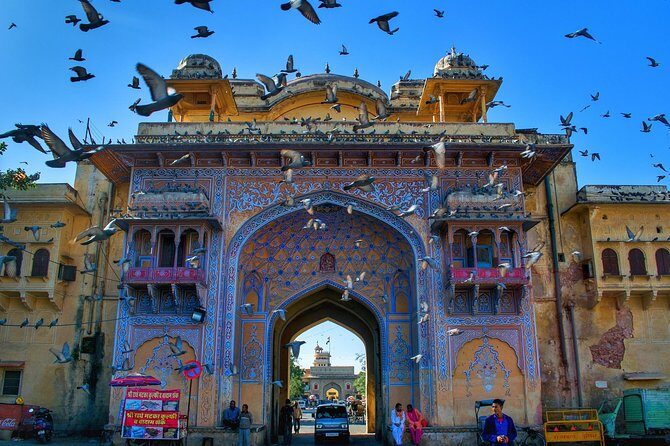
If you’re new to India, this trip is a smart way to get your bearings. You start with Delhi’s layered history (Sultans, emperors, and modern India), move through Rajasthan’s fort-palace style, hit Agra for Mughal grandeur, then shift into the temple world of Khajuraho before arriving in Varanasi for religious ritual on the water.
What I like is the pacing choice: you aren’t only doing museums. You see places where living traditions still show up—temples, courtyards, river ceremonies, and temple carvings you can’t fully appreciate from photos.
You should also know what kind of traveler this suits. It’s best if you want guided flow and not constant logistics juggling—because the route covers a lot of ground.
You can also read our reviews of more tours and experiences in New Delhi.



Delhi in One Breath: Akshardham, Old City, and the Mughal/Modern Contrast
Delhi is often overwhelming. This tour helps because it splits the city into clear chunks: spiritual-modern first, then Old Delhi street energy, then grand Mughal monuments, and finally the diplomatic-era landmarks.
Day 1: Spiritual Modernity, then Old Delhi on Foot (and by Rickshaw)
You begin at Swaminarayan Akshardham, a modern Hindu temple complex where the atmosphere feels polished and intentional. The ticket is marked free here, which is a small but welcome cost saver.
Next comes the real change of scenery: Jama Masjid in Old Delhi. You’ll ride a rickshaw and weave through the busy market lanes. Expect sensory overload—sounds, smells, and crowds—but also a chance to see how the city functions beyond the postcard viewpoints. Admission isn’t included for Jama Masjid, so plan for that extra cost.
You then pause at the Red Fort (picture stop with possible quick sighting). It’s a fast moment, but it sets the tone for Mughal power—especially after you’ve just come through the older lanes.
After that, you shift from monuments to meaning with Raj Ghat, the cremation site of Mahatma Gandhi. This one is free, and it’s short and reflective—good to reset before you go back into the temple world.
Your day closes at Gurudwara Bangla Sahib, one of the most popular Sikh temples in Delhi. Admission is free, and the canteen setup (meals prepared for thousands daily) gives you a real-life view of community service in action.
Day 2: Diplomatic Delhi, then Lotus Temple and UNESCO Minarets
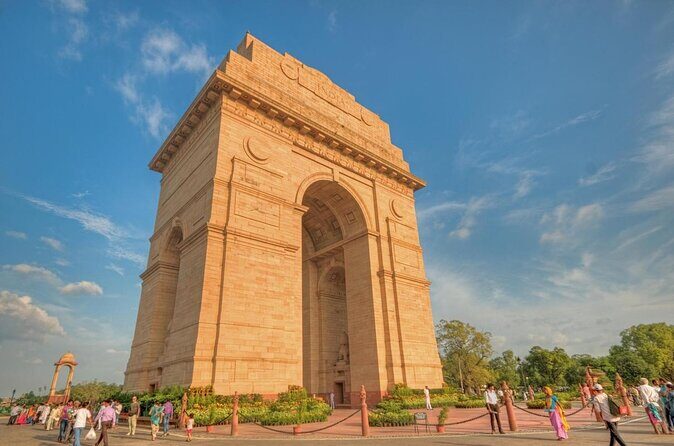
Day 2 feels like a highlight reel for different Delhi eras. You start at India Gate and the diplomatic district—perfect for learning how power is staged in monuments and buildings, not just in history books.
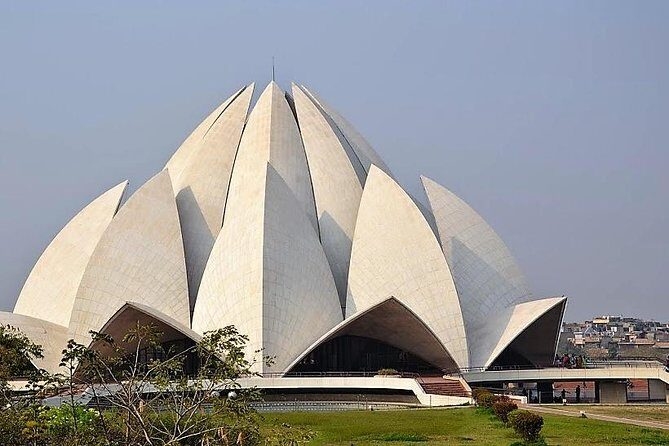
Then you go to the Lotus Temple, a place of worship for all faiths, built in a lotus shape. It’s free here and worth it even if you’re not a religious building-hunter, because the design changes how you experience silence and space.
After lunch-less touring (lunch isn’t included), you move to UNESCO sights that are more about architecture than crowd choreography:
- Humayun’s Tomb: admission not included
- Qutub Minar: admission not included, and it’s famous as the biggest brick minaret in India
If you’re sensitive to long walking, pace yourself here. You’ll get the most from these if you keep your feet steady and your head up, taking in the scale.
Jaipur Focus: Amber Palace, Hawa Mahal, and Why the Views Matter

From Delhi, the trip steers you toward Jaipur, and the experience gets more “fort-palace” and less “city monuments.”



Day 3: Monkey Temple as a Scenic Warm-Up
On the way to Jaipur, you stop at the Monkey Temple—a complex where monkeys live around the ruins and courtyards. It’s not just for photos. It helps you transition from Delhi’s urban feel to Rajasthan’s more outdoorsy mood, where villages and temple structures blend into the landscape.
Day 4: Amber Palace to City Palace, with Picture Stops that Still Count
Your first real Jaipur anchor is Amber Palace, a fort-palace set among hills. Admission isn’t included, but a guided visit makes a difference because it’s easy to miss how the rooms, fort walls, and courtyards connect.
Then you get the classic postcard pause at Jal Mahal (Water Palace). Admission is free for this stop, and even if you’re not going inside, it’s an efficient way to enjoy the idea of architecture meeting water.
You continue to Hawa Mahal, the Palace of Wind. The best detail to look for is the sheer number of tiny windows—more than 1,000—because it explains how people once used screens and openings for airflow and observation. Admission isn’t included, but there’s an option to see it from inside.
Finally, you visit City Palace (museum and royal exhibitions) and then Royal Gaitor Tumbas, quieter royal tombs tucked into the hills. You’ll likely feel the contrast: crowds and spectacle at the palace, then a calmer, older silence at Gaitor.
Day 5: A Detour That Feels Like Time Travel
On your way toward Agra, you stop at Fatehpur Sikri, known as the abandoned city. It’s a big UNESCO-style “wait, how did this work?” place, because you can’t fully appreciate the scale and symbolism without someone explaining what you’re looking at. Admission isn’t included.
You also visit Agra Fort with a guide. This is another structure where context matters. It’s not only walls—it’s the story of power shifting through rooms and courtyards.
Sunrise Taj Mahal and Orchha’s Slower, Strange Beauty
This is the part of the trip where you start feeling the emotional weight—first from sheer beauty, then from quieter devotion.
Day 6: Taj Mahal at Sunrise, then a change of pace in Orchha
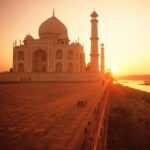
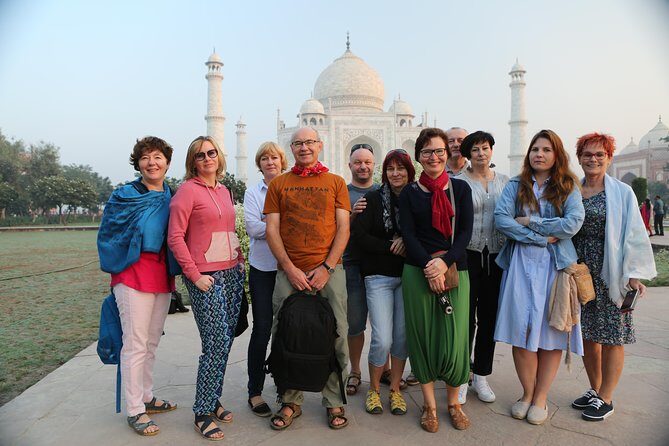
You start with Taj Mahal at sunrise with a guide. The timing is the whole point: the light is softer, the crowds are less intense than later in the day, and your mind has a chance to absorb details instead of just reacting to monument size.
After breakfast, you head to Orchha, a smaller town known for temples and medieval palaces. The drive itself isn’t described in detail, but the overall idea is clear: you’re trading the big-city intensity for something slower.
Day 6–7: Orchha Fort, Rama Temple, and Views You Can Sit With
You visit Orchha Fort again, but your focus shifts. On day 7, you get more time for the Rama temple and a palace viewpoint where you can take in the town. Admission is marked free for the Orchha Fort stop on day 7 here, which is nice because this is one of the places where spending a little extra time feels worthwhile.
One practical note: Orchha’s charm isn’t about constant big-ticket structures. It’s about your willingness to pause—look at facades, notice how temples sit within daily life, and let the quieter rhythm land.
Khajuraho Temples: UNESCO Carving Work Takes Real Time
If you like art that rewards close attention, Khajuraho is where your brain stops rushing.
On day 8, you visit the western and eastern temple complexes—UNESCO sites—and you spend a full block of time (listed as 5 hours). Admission isn’t included, but this is exactly the kind of stop where you’ll regret arriving tired.
Khajuraho rewards a guided approach because the carvings aren’t just decorative. Even without getting lost in details you don’t need, you’ll understand that the iconography and design reflect specific cultural ideas and temple planning.
If you’re the type who likes to sketch or take slow photos, you’ll find room here. If you hate heat and crowds, plan water and slow pace.
Varanasi by Ghat Light: Ganga Aarti and Two Ways to See the River
This is the heart of the trip, and it’s not just because it’s famous. It’s because it’s active. The Ganges isn’t a museum prop. It’s where people pray, cremate, and carry daily life.
Day 9: Ganga Aarti with Fire and Chant Energy
You watch Ganga Aarti on the river—listed as admission free. The ceremony involves offering fire to the gods, and what sticks with many people isn’t just the flames. It’s the way it gathers people into a shared rhythm around the water.
Give yourself patience here. You might be close to other viewers, and it can be intense. The tour’s value is that the timing and guide support keep it from feeling random.
Day 10: Boat Ride on the Ganges plus Sarnath and Alamgir Mosque
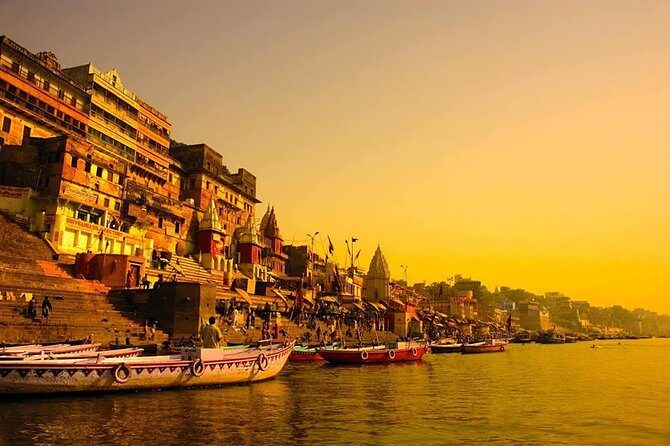
The day starts with Varanasi boat ride booking (listed as admission included). From the water, you observe the ghats, temples, and cremations, which changes how you understand Varanasi—because you’re seeing the riverfront system as one continuous place.
Then you head to Sarnath (6 km away), where Lord Buddha delivered his first sermon after enlightenment. Key stops include Dhamek Stupa, the Sarnath Museum, and Chaukhandi Stupa. Admission isn’t included for these, so again, budget for tickets.
You finish with Alamgir Mosque, also listed as a 1-hour visit. Admission isn’t included. This stop adds a different spiritual layer, showing Varanasi isn’t only about one tradition.
Boat rides in morning and evening
The tour package includes a boat ride in Varanasi (morning and evening). Even if only one timing is spelled out in the daily breakdown, the overall inclusion matters: you get different lighting and different energy. Sunrise or afternoon views tend to feel more observational; evening views tend to feel more ceremonial.
Day 11 Flight Home: A Simple Ending with a Real Luggage Limit
Most tours end with a long last-day scramble. This one handles it with a domestic flight on day 11: Varanasi to Delhi.
You transfer to Lal Bahadur Shastri International Airport after breakfast. Then you fly back and get picked up in Delhi for a hotel drop-off or another central location.
A practical heads-up: flight luggage limits apply.
- 15 kg main luggage
- 7 kg hand luggage
- 1 kg extra costs 5 USD
If you pack heavy, this is where savings disappear quickly. I’d rather you bring one less souvenir than pay per extra kilo at the airport.
Price and What You’re Actually Paying For
At $1,300 per person for an 11-day, Delhi-to-Varanasi route, this price makes sense when you look at what’s included versus what you’ll pay separately.
What’s included (value drivers)
You’re getting:
- 3-star hotels with AC and private bathroom
- Local guides in Delhi, Agra, Jaipur, Orchha, Khajuraho, and Varanasi
- Transport by AC private vehicle
- Rickshaw ride in Delhi
- Ganges boat ride in Varanasi (morning and evening)
- A domestic flight from Varanasi to Delhi
- Breakfast daily (11 breakfasts) and bottled water
- Pickup and drop-off in Delhi
This is the big deal: you’re not only buying sightseeing. You’re buying planning, routing, and trained help so you’re not guessing your way through language and temple etiquette.
What isn’t included (where your extra budget goes)
You’ll need to budget for:
- Lunch and dinner
- Tips
- Personal expenses
- Entry admission to monuments (commonly the biggest extra cost)
Because entrances aren’t included, your final total depends on what you choose to pay for each site. The good news is that the day structure includes several stops marked free (like Raj Ghat and Gurudwara Bangla Sahib), so it isn’t all paid entry nonstop.
Hotels: one small caution to keep in mind
Based on past guest feedback, the first hotel can be a bit simpler, while later stays tend to feel like an improvement. It’s not a reason to avoid the tour, but it’s worth knowing so expectations stay realistic.
Practical Tips That Make This Tour Easier (and More Comfortable)
You’ll enjoy this trip more if you treat it like a culture sprint with breaks, not a couch-and-clouds vacation.
Dress codes for temples and mosques
Plan to dress properly: arms and legs must be covered for temples and mosques. This is stated for a reason—some places won’t be comfortable if you show up in tank tops and short shorts.
Start early most days
The tour start time is 8:00 am. When you’re jumping between Delhi, Jaipur, Agra, and back out to smaller towns, mornings are where you win. Keep mornings light: water, comfortable shoes, and a layer for temperature swings.
Group setup and tickets
The tour is private to your group, but it still notes group discounts and mobile tickets. In practice, that usually means fewer hassles and smoother confirmations than trying to buy every ticket yourself.
Food choice
Lunch and dinner aren’t included, but vegetarian options are available if you tell the operator in advance. If you have dietary requirements, send them early so the team can align meal recommendations.
Should You Book Essence of India with Varanasi?
I’d book this if you want a guided “best-of North and Central India” route that ends in one of the most moving places on earth. You’ll get strong value from the mix of local guides, AC transport, sunrise Taj Mahal, and the fact that Varanasi isn’t treated like a single photo stop—you get boat time and Ganga Aarti.
I’d think twice if you hate paying extra for monuments and you want everything bundled. Because most entries aren’t included, your budget needs flexibility. Also, mornings are early, and the schedule covers a lot—so bring energy, not just good shoes.
If your goal is to learn your way around India without constant planning, this one is a strong match.
FAQ
How many days is the Essence of India with Varanasi tour?
It’s approximately 11 days.
Where does the tour start and where does it end?
The tour starts in New Delhi, with pickup offered from your hotel or another central location. It ends in Varanasi with a transfer to the airport, a flight back to Delhi, and then pickup in Delhi for hotel or central drop-off.
What are the major cities included in the route?
The route includes Delhi, Agra, Jaipur, Orchha, Khajuraho, and Varanasi.
Is Taj Mahal included, and is there a special timing?
Yes. You visit Taj Mahal with a guide at sunrise.
Are entry tickets for monuments included?
No. Entry admission to the monuments is not included for the tour.
What Varanasi experiences are included?
The tour includes Ganga Aarti at the Ganges River, a Ganges boat ride (morning and evening), and visits in Varanasi such as Sarnath and Alamgir Mosque.
What luggage limits apply for the Varanasi to Delhi flight?
Main luggage is limited to 15 kg and hand luggage to 7 kg. Any extra 1 kg costs 5 USD.
What is the cancellation deadline for a full refund?
You can cancel up to 24 hours in advance of the experience start time for a full refund. If you cancel within 24 hours, the amount you paid is not refunded.