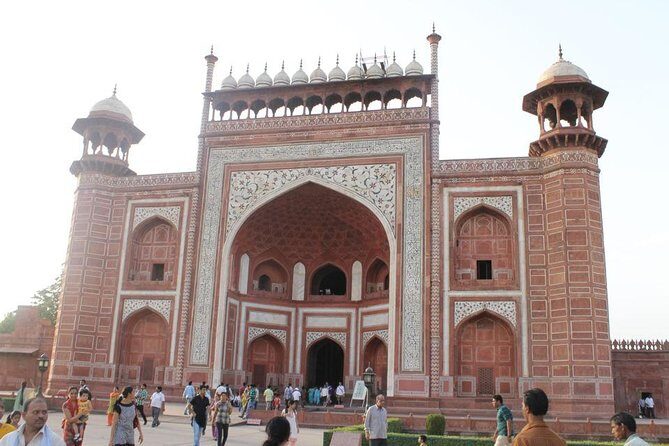
REVIEW · NEW DELHI
Delhi: Textile Trail Tour with Artisan Interaction
Book on GetYourGuide →Operated by India Arrival Tours · Bookable on GetYourGuide
Textiles in Delhi move at human speed. This tour is a guided walk through working workshops and markets, where you’ll see artisan interaction and spend real time on textile shopping with knowledgeable local hosts, including guides like RK. You also get the kind of craft context you usually only hear after you’ve already bought something.
What I like most is how practical it feels: you’re shown how fabrics are made step by step, then you can point at what you want and understand why it costs what it costs. Another win is the way the guide handles Old Delhi’s tight lanes; RK has a knack for keeping you close when streets get chaotic.
One consideration: you’ll be on your feet in busy markets and open-air areas, so plan for lots of walking and keep an eye on comfort—especially because the tour isn’t set up for wheelchair users.
In This Review
- Key highlights that matter
- How this Delhi textile trail works in real time (4–8 hours)
- Chandni Chowk: the Old Delhi textile start where the guide matters
- Shankar Market: one hour to compare fabrics and trims fast
- Dilli Haat: craft-centered shopping and people behind the product
- INA Market: a practical stop for variety and final picks
- Shahpur Jat: embroidery details, workshop thinking, and asking better questions
- Hauz Khas: where optional tailoring can change your whole trip
- What you actually learn: from yarn to finished textiles
- Ethical shopping that doesn’t feel like a lecture
- Value check: what $53 gets you (and why it’s not just a market walk)
- Practical travel tips so your day stays comfortable
- Who this tour is perfect for (and who should skip it)
- Should you book this Delhi textile trail tour?
- FAQ
- How much is the Delhi Textile Trail Tour, and how long does it last?
- Which markets and stops are included?
- Can I get custom tailoring during the tour?
- What’s included in the price, and what’s not?
- Are there any rules for photos, and what should I bring?
- Is the tour suitable for wheelchair users or limited mobility?
- What is the cancellation policy?
Key highlights that matter
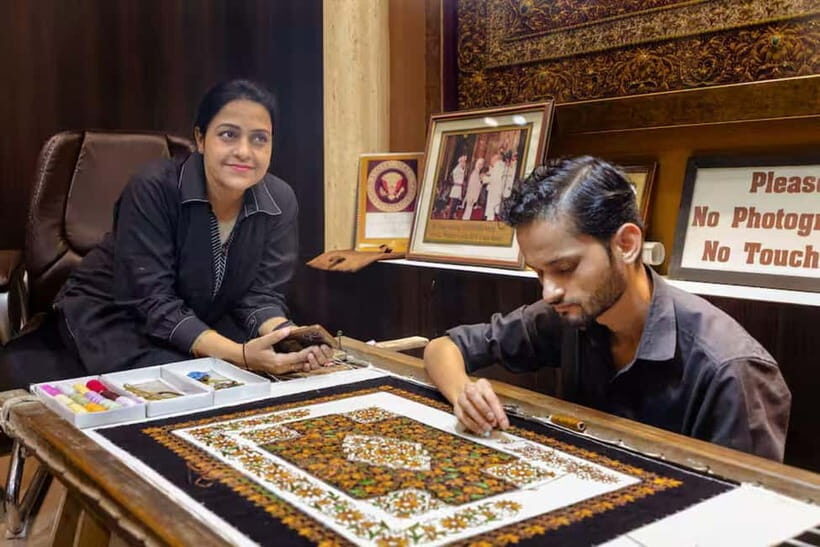
- Hands-on artisan conversations about weaving, block printing, embroidery, and natural dyeing
- Old Delhi market navigation with a guide who keeps you together in narrow lanes
- Multiple market stops for comparing fabrics, trims, and ready-made textile finds
- Ethical shopping opportunities through makers you can buy from directly
- Optional tailoring order for suits or formalwear delivered to your hotel in 4–6 hours
How this Delhi textile trail works in real time (4–8 hours)
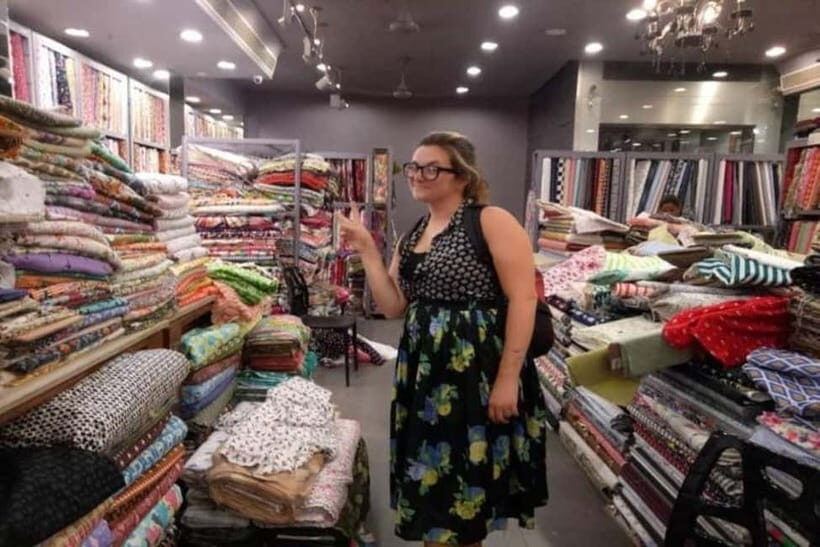
Delhi’s textile scene can feel like sensory overload. This tour helps you turn that chaos into something you can actually use. You’ll start with hotel or airport pickup from several areas (Aerocity, Delhi, Faridabad, Noida, Gurugram), and you’ll travel with a private air-conditioned vehicle.
The whole experience runs about 4 to 8 hours, and the timing is flexible enough to match what you want to focus on—fabric browsing, artisan questions, or the optional tailoring. You also get mineral water, and you’ll do a short cycle-rickshaw (tuk tuk) ride that’s included for reaching Old Delhi market areas without dragging yourself through every bottleneck on foot.
Bring comfortable shoes and a camera. Flash photography is not allowed, so if you’re the kind of person who takes lots of photos, you’ll want to keep settings ready for low-light shop corners.
You can also read our reviews of more tours and experiences in New Delhi.


Chandni Chowk: the Old Delhi textile start where the guide matters
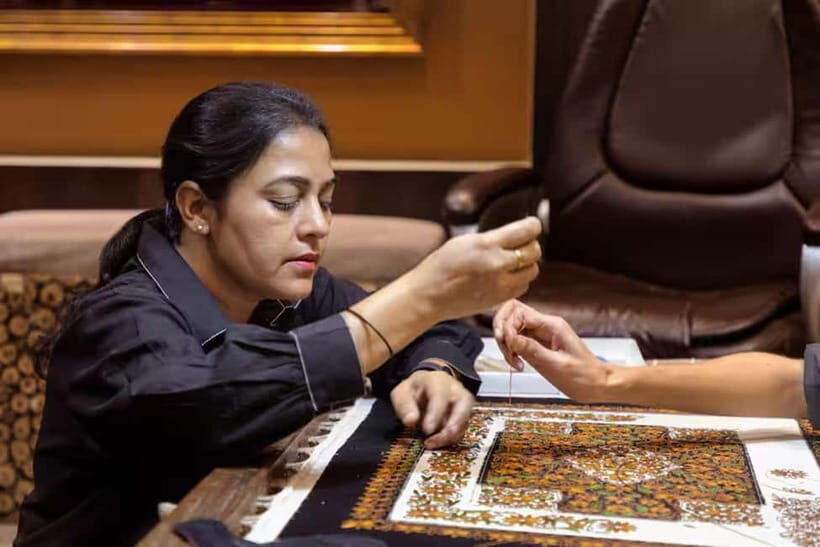
Your first market stop is Chandni Chowk, with a guided visit that runs about 2 hours. This is where you see Delhi’s textile trade up close—fabric counters, trims, and the kind of shopping energy that makes you want to sprint and then immediately slow down.
The big value here is pacing and navigation. In Old Delhi, getting separated isn’t hard, and traffic patterns can be unnerving. RK specifically has a reputation for keeping you close in the scariest parts of the crowd so you can browse without constantly scanning the street like a hawk.
You’ll also get a chance to see how textiles connect to everyday life—fabric isn’t just a product here, it’s the material that holds together everything from clothing details to interior pieces. And yes, you may spot opportunities to try local food along the way, but meals themselves aren’t included in the tour cost.
Practical tip: wear shoes you don’t mind getting dusty and plan to negotiate like you mean it—but politely.
Shankar Market: one hour to compare fabrics and trims fast
Next is Shankar Market for about 1 hour. This stop is shorter, so I think of it as your “compare and build your list” hour. You’ll see a wide spread of fabric types and textile add-ons—think trims, notions, and materials that can make a simple outfit feel finished.
If you’ve already learned what to ask for in the artisan workshops, Shankar Market becomes easier. You can ask questions about the fabric type you’re looking at—linen, silk, cotton, chiffon, denim, velvet, crepe, georgette, wool—because the guide can connect what you see to what’s happening behind the scenes.
This is also a good moment to decide whether you want:
- something ready to wear,
- something for tailoring,
- or something you can use later (like trims or fabric by the meter).
Dilli Haat: craft-centered shopping and people behind the product
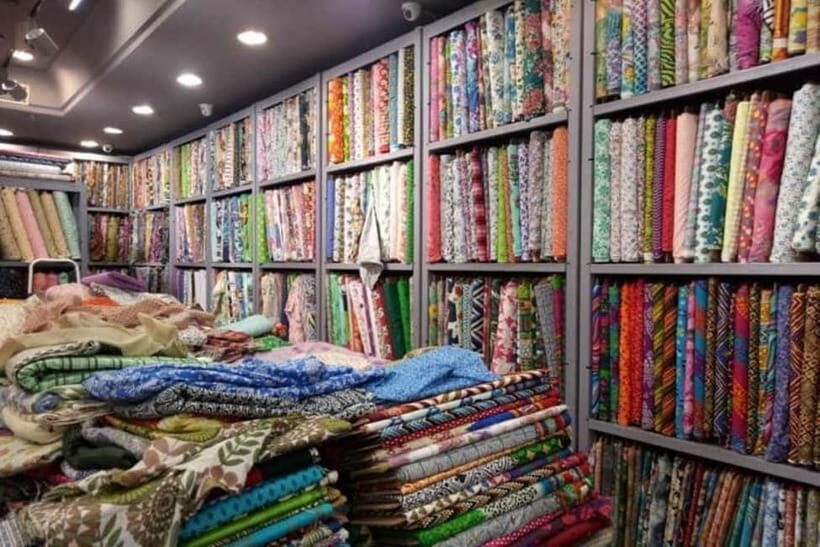
Dilli Haat is another guided stop of about 2 hours. Here the vibe shifts toward craft and maker stories. The tour is set up so you’re not just buying; you’re learning how the work gets made—often with ties to NGO-supported craft centers and artisan cooperatives that focus on empowering rural artisans and promoting fair-trade practices.
You’ll likely see (or at least talk through) techniques that include:
- block printing
- handloom weaving
- zari embroidery
- natural dyeing
Even if you don’t end up buying from every booth, the learning payoff is real. Once you understand how dyes are chosen or how embroidery patterns are planned, it’s easier to spot quality and avoid paying for marketing instead of workmanship.
INA Market: a practical stop for variety and final picks

INA Market is guided for about 2 hours, and it’s a useful stop for people who want variety without spending the entire day only in Old Delhi. This is where you can keep browsing with the benefit of what you’ve already learned.
By this point, you’ll have a better sense of what “good” means for different materials. Silk and wool can behave very differently; cotton and denim often tell you something about weave tightness and finishing; chiffons and georgettes can look similar until you get the texture in your hands.
The tour approach helps you avoid the classic shopping mistake: buying something you love visually but later realizing you don’t love the fabric feel or care requirements.




Shahpur Jat: embroidery details, workshop thinking, and asking better questions
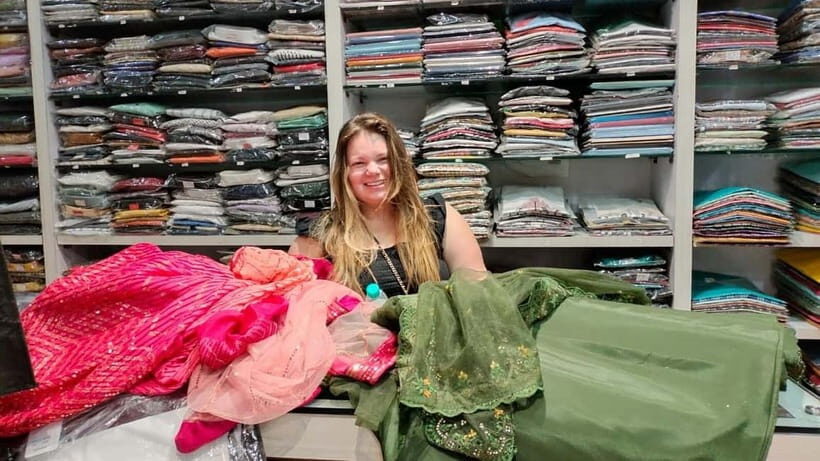
Shahpur Jat is guided for about 2 hours. This stop is where I’d expect most people to start geeking out—in a good way—over stitching details, patterns, and the feel of embellished pieces.
This part of the experience fits perfectly with what you’re learning in the workshops: the tour covers traditional methods tied to Mughal-era embroidery and moves into contemporary innovations as well. You’ll hear how motifs and symbols work, and how the craft is preserved and revived through modern demand.
If you’re the type who likes asking questions, Shahpur Jat is a strong place to do it. You’re shopping in the same world where people are explaining why their materials are treated the way they are and how their stitching choices affect the final look.
And if you’re shopping for someone else, this is a great point to slow down and think about style plus practicality. Textile purchases are easier to get right when you match the fabric to the person.
Hauz Khas: where optional tailoring can change your whole trip
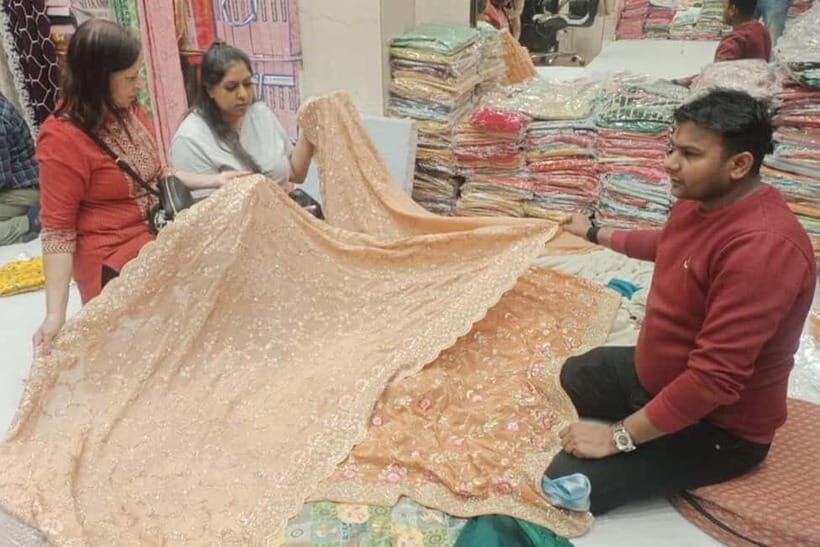
Hauz Khas is guided for about 1 hour, and this is the stop that can turn your shopping day into a wardrobe upgrade. The tour includes an option for stitching/tailoring of men’s business suits and women’s formalwear, with delivery to your hotel in 4 to 6 hours.
That means you’re not stuck with only what’s on racks. If you find fabric you like—or if you’re drawn to a specific style—you can get custom work done in the same day.
Two tips if you’re considering tailoring:
- Have a clear idea of what you want to wear and when you’ll need it (the delivery window is tight, but it’s built into the tour plan).
- Bring your questions back to the guide so you can confirm fabric choices and what’s realistic in that timeline.
What you actually learn: from yarn to finished textiles
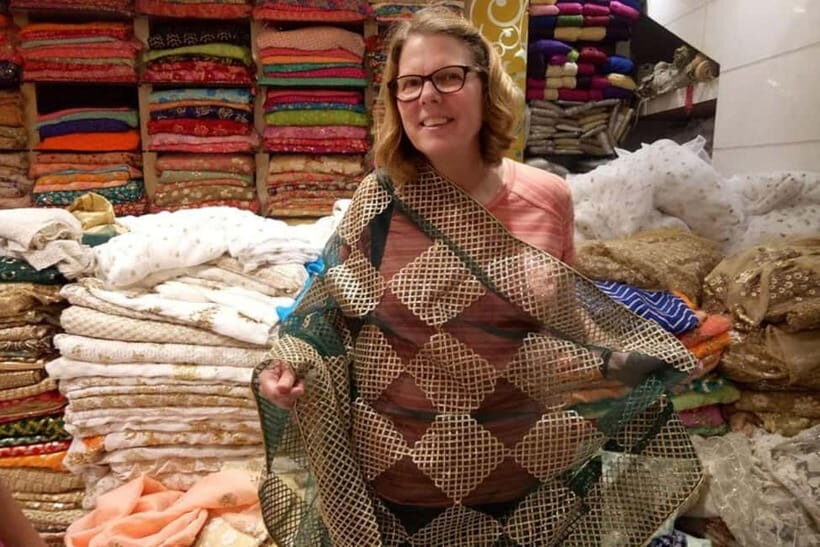
A big part of the tour isn’t the shopping—it’s the meaning behind the shopping. You’ll visit workshops and craft-focused centers where you can watch or discuss how items are made using techniques that go back generations.
Here are the core processes and crafts you should expect to hear about:
Weaving and fiber work
You’ll see the path from fiber to fabric—how spinning and preparation lead into weaving. The tour includes discussion of weaving for items like Pashmina scarves as well as rugs and carpets.
Block printing
You’ll learn how patterns are transferred and how hand methods create consistent designs. If you’ve ever wondered why handmade prints can look sharper or more organic than mass-produced ones, this is the kind of explanation that connects the dots.
Embroidery, including zari
The tour covers zari embroidery, where metallic thread effects can create that signature glow and patterning. You’ll also hear how Mughal-era design traditions influence newer styles.
Dyeing and finishing
The tour references natural dyeing, plus the idea that dye choices affect how a piece looks and ages. Even a basic understanding here helps you shop smarter later.
Step-by-step creation
The guide’s job is to connect everything: spinning and dyeing, printing, and stitching—so when you’re standing in a market, you’re not guessing. You can ask better questions, and you can compare materials with confidence.
Ethical shopping that doesn’t feel like a lecture
One of the most useful aspects is that shopping is tied to makers, not faceless inventory. You’ll have opportunities to buy authentic, handcrafted textiles directly from the makers, including through NGO-supported centers and artisan cooperatives.
For me, the value is simple: you can ask what you’re buying and where it comes from. That’s especially important in Delhi’s textile world, where you’ll find everything from high-quality work to items that borrow craft style without the process behind it.
Practical approach for you: go in with a plan. Decide whether your goal is:
- a wearable piece,
- something for decorating,
- or a fabric-based souvenir.
Then shop within that lane, so your energy goes into quality instead of random browsing.
Negotiation is part of market life, and guides can help you handle it without turning it into an awkward back-and-forth.
Value check: what $53 gets you (and why it’s not just a market walk)
At about $53 per person, the price can feel easy to justify once you break down what’s included.
You get:
- a guided textile trail
- interactions with local artisans
- visits to multiple markets
- hotel or airport pickup and drop-off
- private air-conditioned transport
- mineral water
- and the tuk tuk (cycle-rickshaw) ride cost to reach Old Delhi market areas
What’s not included is meals and personal shopping expenses. That’s normal, but it matters for budgeting. Still, the guided part is the real cost-saver. In Old Delhi, wandering alone can turn into wasted time and confusion fast. This tour buys you direction, context, and better access to the people doing the work.
Also, you’re not stuck in a big crowd. It’s a private group, so the guide can respond to what you’re actually interested in—fabric science questions for the curious, or shopping guidance for the practical.
Practical travel tips so your day stays comfortable
Delhi weather can shift, and the markets include open-air stretches. You’ll want to:
- wear comfortable walking shoes
- be ready for varying conditions
- respect local customs and traditions
- keep flash photography off (a strict no)
Bring a camera if you want to document designs, but remember you may need to rely on natural light and your phone or camera’s low-light settings.
If you’re shopping for textiles, keep your hands free when possible. It’s easier to compare textures and patterns when you’re not juggling bags.
Who this tour is perfect for (and who should skip it)
This is a strong match if you:
- like art, design, or fashion details,
- enjoy learning how things are made (not just buying finished products),
- want a guided Old Delhi shopping route with context,
- might want optional tailoring delivered to your hotel in a few hours.
It’s less ideal if you:
- have mobility impairments or use a wheelchair, because the tour isn’t suitable for wheelchair users,
- hate crowded streets and lots of walking,
- or want a food-focused day (meals aren’t included, and the emphasis is textile craft and shopping).
Should you book this Delhi textile trail tour?
If you want more than a souvenir hunt, book it. The best reason is the combination of maker interaction plus market time. You’ll learn the “how” behind weaving, block printing, embroidery, and dyeing, then apply that knowledge while you’re actually shopping.
Skip it if you’re mobility-limited or you’re expecting a sit-down, minimal-walking experience. Also, if you don’t want to negotiate at all, this may feel like too much market time—even with a guide.
If your goal is a smarter textile day in Delhi—one with useful questions, fair access, and the option to tailor something—you’ll likely walk away with pieces that make sense, not just things that look good in photos.
FAQ
How much is the Delhi Textile Trail Tour, and how long does it last?
The price is $53 per person. The duration is 4 to 8 hours, depending on availability and timing.
Which markets and stops are included?
The guided stops include Chandni Chowk, Shankar Market, Dilli Haat, INA Market, Shahpur Jat (New Delhi), and Hauz Khas.
Can I get custom tailoring during the tour?
Yes. The tour offers stitching/tailoring for men’s business suits and women’s formal wear, with delivery to your hotel within 4 to 6 hours.
What’s included in the price, and what’s not?
Included are the guided textile trail, interactions with local artisans, visits to textile markets, hotel/airport pickup and drop-off, transportation, mineral water, and the cost of the tuk tuk (cycle rickshaw) ride. Not included are meals and beverages, plus personal shopping expenses.
Are there any rules for photos, and what should I bring?
Flash photography is not allowed, and pets are not allowed. Bring comfortable shoes and a camera.
Is the tour suitable for wheelchair users or limited mobility?
No. It is not suitable for people with mobility impairments or wheelchair users.
What is the cancellation policy?
You can cancel up to 24 hours in advance for a full refund.