REVIEW · NEW DELHI
Delhi: Private Chandni Chowk, Dilli Haat & Spice Tour
Book on GetYourGuide →Operated by India Tour Xperiences · Bookable on GetYourGuide
Old Delhi can be loud, fast, and unforgettable. This private 4-hour tour strings together three markets you can only really understand by walking them: Chandni Chowk lane by lane and Khari Baoli where the air turns into spice. I particularly love how the day mixes history-on-the-street with real sensory learning, then gives you time to buy thoughtful souvenirs if you want.
For me, the best part is the human help: a licensed private guide plus hotel pickup and a driver who gets you through Delhi without wasting your daylight. In the strongest runs, guides like Gurvinder Singh (and drivers like Saurv) set a calm pace even when the streets don’t. One caution: in some cases, timing can get tight and your guide may steer you away from planned stops to keep things moving, so it’s smart to confirm you’ll get full time at Dilli Haat.
In This Review
- Key points worth your time
- Chandni Chowk lanes, Mughal-era vibes, and a rickshaw reality check
- Khari Baoli spice market: saffron, cardamom, and what to buy (or not)
- Dilli Haat: handmade crafts, artisan shopping, and optional street food
- How the 4 hours actually feel: pickups, car rides, and walking tempo
- Price and value: why $12 can be a good deal (or a trap)
- Shopping smart: how to buy spices and crafts without getting steamrolled
- When this tour fits best (and when it doesn’t)
- Practical prep checklist so Delhi feels fun, not frantic
- Should you book this Chandni Chowk, Khari Baoli & Dilli Haat tour?
- FAQ
- How long is the Delhi Chandni Chowk, Dilli Haat & Spice Tour?
- Where will I be picked up from?
- What does the tour include?
- What is not included?
- Are there multiple languages available for the guide?
- Is there a ticket line skip?
- Should I bring a face mask?
- Is luggage allowed?
- Is the tour wheelchair accessible?
Key points worth your time
- Old Delhi on foot: narrow lanes, quick viewpoints, and a traditional rickshaw ride to feel the market rhythm
- Khari Baoli’s spice education: saffron, cardamom, cinnamon, and chili in one place and in big quantities
- Dilli Haat for handmade shopping: a government-run bazaar where rural artisans sell crafts from across India
- Private guide + AC car: you get local context without trekking between far-apart areas
- Most of the shopping is optional: you control what you buy and how long you linger
- Crowds can affect the rickshaw: if streets get too congested, the ride may be adjusted
Chandni Chowk lanes, Mughal-era vibes, and a rickshaw reality check
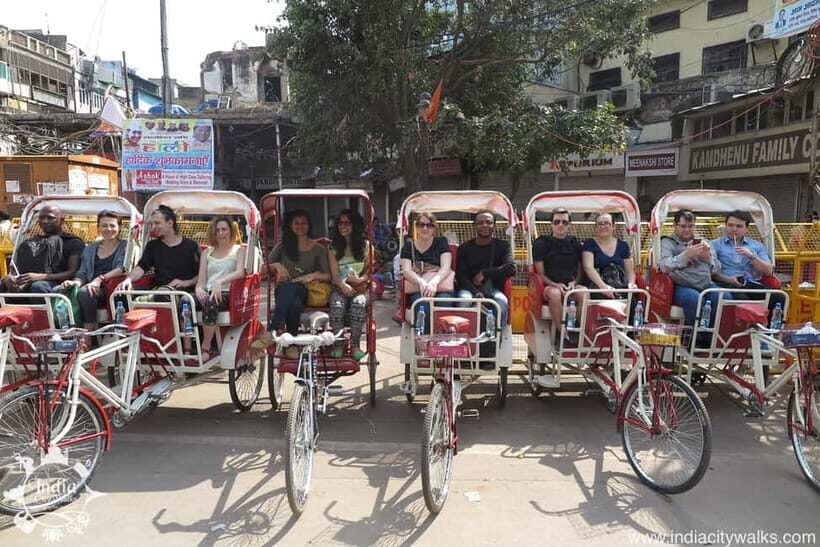
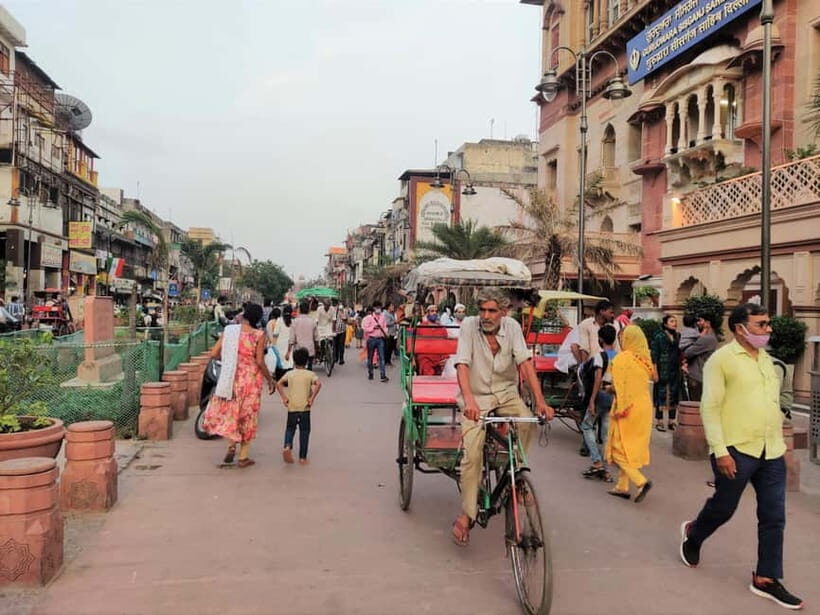
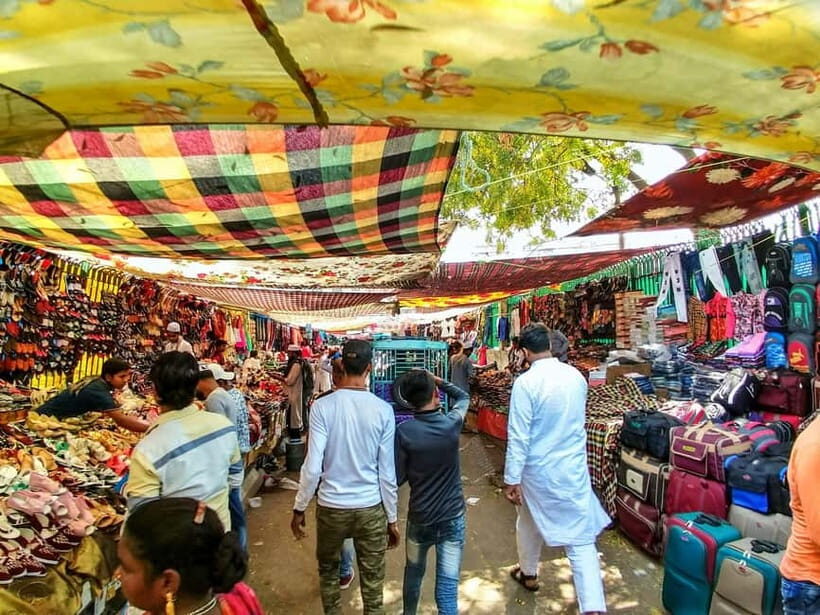
Chandni Chowk is the kind of market where you stop using “shopping” as the main verb and switch to “figure out where you are.” The streets are narrow, the sounds bounce off old facades, and you’ll be weaving through crowds the whole way. That’s exactly why this tour works better as a guided walk than as a solo wander.
Your guide leads you through the legendary lanes, explains what you’re seeing, and helps connect the dots between today’s market flow and the old Mughal-era layout. You also get to experience the area by foot first, so you learn how the market “breathes” before you’re suddenly in a vehicle.
Then comes the traditional rickshaw ride inside Chandni Chowk. It’s a fun sensory shortcut because it gives you motion through the tightest areas. Just keep expectations realistic: the tour notes that the rickshaw ride may not operate in extremely congested parts of the route. If Delhi decides to be extra crowded that day, your guide should adjust rather than force the ride. The practical move for you is to be flexible for that 15-minute window and keep your camera ready.
What I like about this section is that you’re not just being marched through shops. The goal is to help you understand the market’s role in daily life—where people go for ingredients, household goods, and small luxuries—while you’re still able to enjoy it instead of rushing.
You can also read our reviews of more private tours in New Delhi



Khari Baoli spice market: saffron, cardamom, and what to buy (or not)
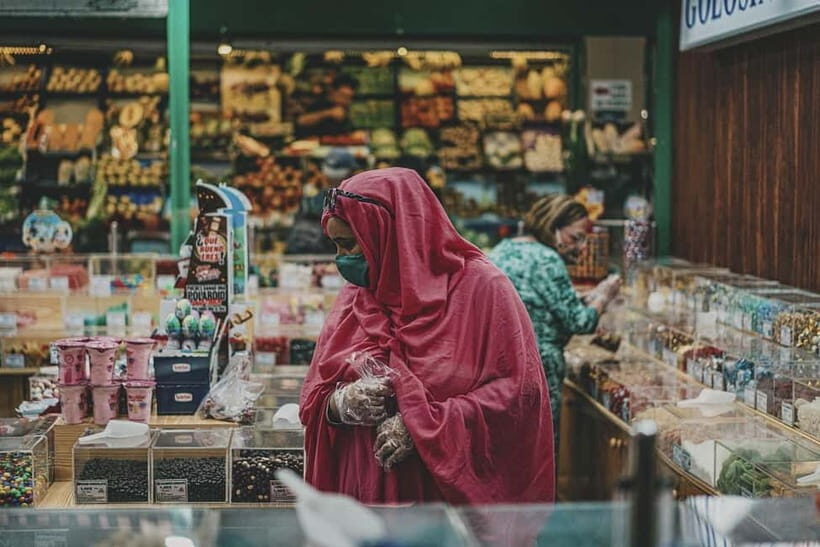
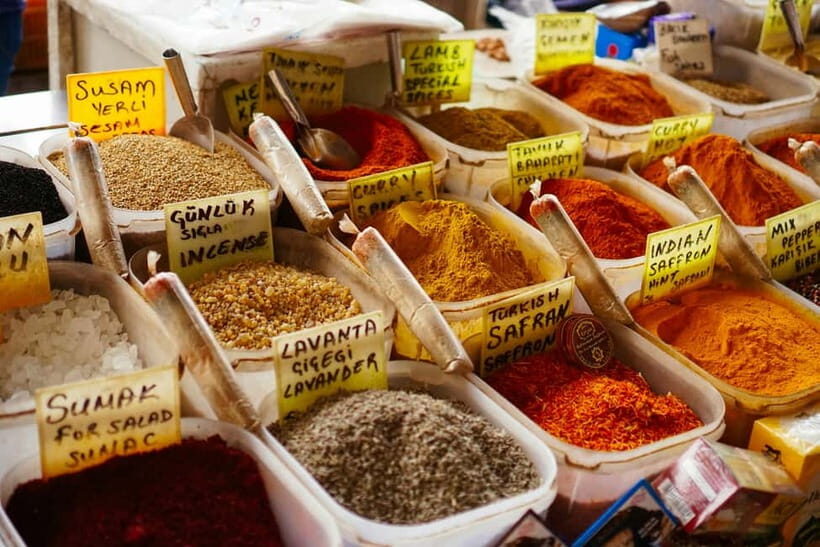
Khari Baoli is where Delhi smells like spices before you even step fully inside. This is Asia’s largest wholesale spice market, and the scale shows immediately. Stacks, scoops, sacks, and vendors create a visual grid that matches the smell—cardamom, cinnamon, chili, saffron. Even if you’re not a spice “nerd,” it’s hard not to feel impressed.
Here’s what a good guide does in Khari Baoli: they turn the sensory chaos into simple learning. You don’t just get a list of spices. You get explanations of how spices shaped India’s history and cuisine, which makes the buying part way more satisfying. Otherwise, spices can feel like random jars. With the context, you start to think in flavors and uses.
You’ll have about 45 minutes here with guided time and shopping time. That sounds short until you realize the market is intense. If you want to shop, come with a plan:
- Decide what you’ll actually use at home (tea blends, biryani spice mixes, chai-style cardamom additions).
- Ask how the blend is meant to be used. You’ll save money if you know what you’re buying.
- Consider buying a smaller sample size first, then return to bulk later only if it’s really your taste.
Also, the tour recommends a face mask for this stop. That’s not just for comfort. In a spice market, you’re surrounded by fine dust and strong aromas, and a mask can help you enjoy the experience longer without coughing through it.
If you’re hoping for photo time: be ready to balance pictures with movement. The spice market is busy, and you’ll likely be guided to keep the group moving smoothly. If you’re a serious photographer, say so early so your guide can shape the pacing.
Dilli Haat: handmade crafts, artisan shopping, and optional street food
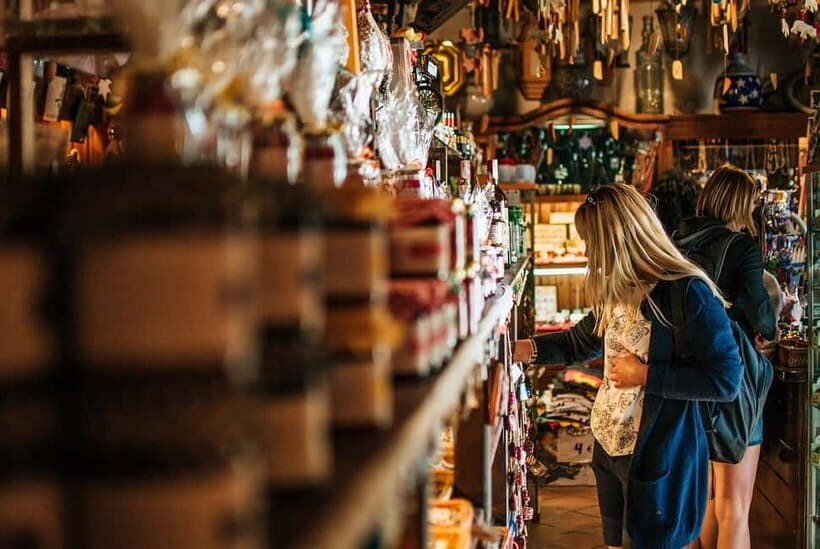
After spices, Dilli Haat feels like a different mood. Instead of wholesale intensity, this is a government-run bazaar focused on handmade crafts from artisans across India. You’ll find textiles, jewelry, home décor, and more. It’s a good place to slow down because you’re less likely to feel swept along by the market’s sheer volume.
This stop lasts about an hour, with guided exploration and time to browse. What makes Dilli Haat valuable isn’t just shopping. It’s the chance to interact with vendors and see crafts being made or presented in a more “craft fair” style than a quick retail grab-and-go.
And yes, there’s optional food here too. The tour includes time where you can buy local street food from different states of India. If food is your priority, Dilli Haat is often the easiest spot to fit it in without derailing the whole schedule.
One practical caution from a past experience: if your guide is short on time, you might hear suggestions to change the route. Your best protection is simple—make it clear at the start of the day that you want your full time at Dilli Haat. When the timing works, it’s the most relaxed shopping stop of the three.
How the 4 hours actually feel: pickups, car rides, and walking tempo
This tour runs for 4 hours total, but the day feels longer because you’re changing environments fast. You start with hotel pickup in Delhi NCR (or specific airport pickup at Terminal 3, Exit Gate 4). Then you get an AC private car to get you between Old Delhi lanes and the next markets.
Your walking time is real. You’ll be on uneven surfaces in crowded areas. That’s not a “wear sneakers and forget it” situation. Comfortable walking shoes matter because your feet will lead and your eyes will follow.
There’s also a rickshaw segment and guided time at each market:
- Chandni Chowk: about 1 hour guided walk and shopping
- Pedicab/rickshaw ride: about 15 minutes
- Khari Baoli: about 45 minutes guided visit and shopping
- Dilli Haat: about 1 hour guided visit and shopping
The private-group format is important here. It means your guide can adjust pacing for you and your group size. In better runs, that helps you shop with confidence instead of feeling like a passenger on a conveyor belt.
If you’re the type who hates pressure, plan to arrive with a calm mindset. The markets are crowded by nature. The guide’s job is to keep you safe, moving, and informed.
Price and value: why $12 can be a good deal (or a trap)
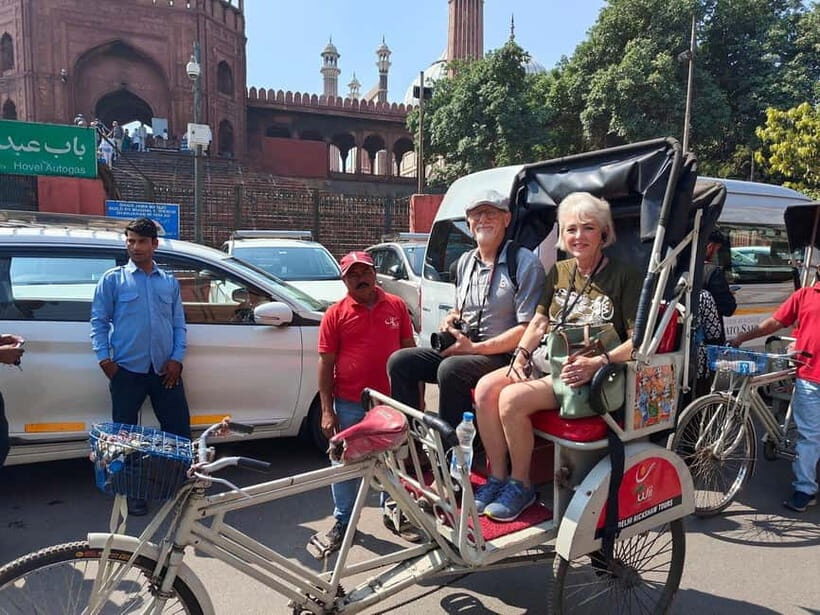
At $12 per person for a 4-hour private experience, you’re paying for a few specific things: hotel pickup/drop-off, an AC private vehicle, a licensed guide, entry to Dilli Haat, bottled water, and the rickshaw ride component.
That’s good value if:
- You want local guidance so you don’t waste time figuring out where to go and what you’re looking at.
- You like market shopping but don’t want the stress of bargaining every minute.
- You care about context, like how spices influenced history and cuisine.
It can be less ideal if you expect an ultra-flexible schedule that never changes. In the real world of Delhi crowds, guides sometimes adapt routes to keep within time. If you’re very strict about seeing every part exactly as described, do a quick check-in with your guide at the start: confirm time at each stop, and politely ask what the plan is if the streets get too congested for the rickshaw.
Also remember what’s not included. Meals and snacks are available to buy, and shopping purchases are obviously on you. Your money goes into the experience, not into stuffing you like an all-inclusive buffet.






Shopping smart: how to buy spices and crafts without getting steamrolled
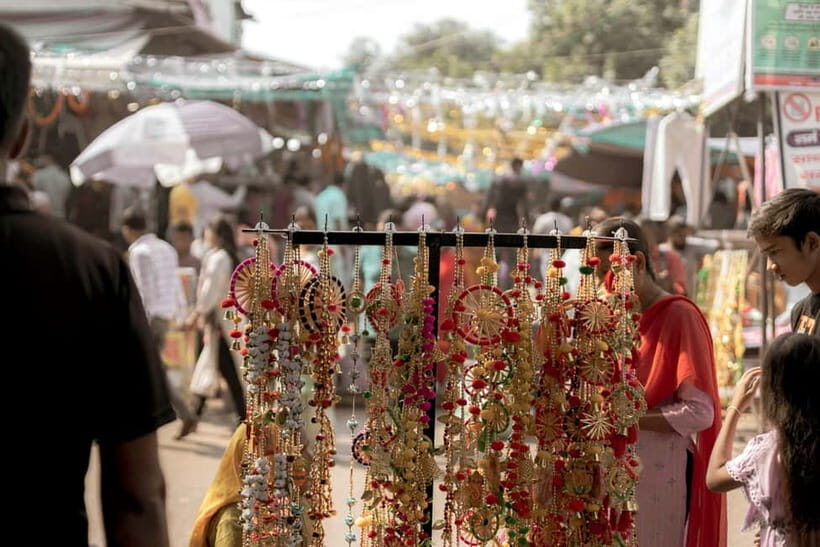
Market shopping in India can be fun—or tiring—depending on your approach. The tour is designed so shopping is optional and there’s no forced buying. Still, the environment is persuasive. Vendors want attention; crowds create urgency; and the smell of spices can make you want to take everything.
My best advice: treat purchases like mini research trips.
- In Chandni Chowk, you’re more likely to see everyday goods and quick retail. If you’re buying souvenirs here, keep it practical and small.
- In Khari Baoli, buy with purpose. Choose blends you can identify by use: chai spices, cooking mixes, or spice “single notes” like cardamom.
- In Dilli Haat, focus on craftsmanship: textiles, jewelry, and décor where the “why” matters. That’s where your money tends to feel more satisfying afterward.
If you want photos, plan to ask at the start of each segment. A good guide will tell you when it’s best to pause and when it’s better to keep moving.
When this tour fits best (and when it doesn’t)
This is best for you if you:
- Want Old and New Delhi market vibes in one half-day without coordinating transport yourself
- Like sensory experiences: scents, sights, and the feel of walking in real neighborhoods
- Prefer a private guide who can answer questions as you go
It’s harder for people with mobility needs. Even though the tour notes wheelchair accessibility, it also warns it’s not suitable for people with mobility impairments because you’ll be walking on uneven surfaces in crowded areas. If mobility is a concern, you’ll likely find this environment exhausting or difficult regardless of vehicle access.
If you’re traveling with kids, elderly relatives, or anyone who struggles with standing/walking for long stretches, you should think carefully before booking.
Practical prep checklist so Delhi feels fun, not frantic
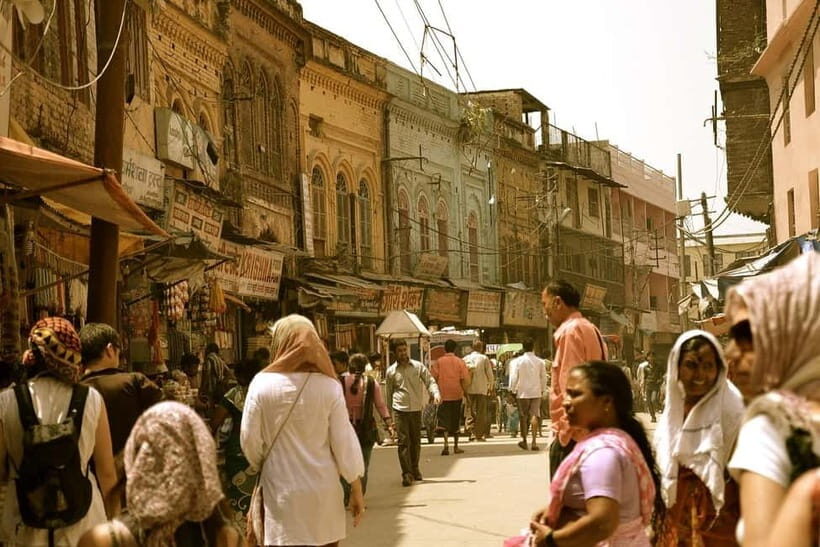
Small prep makes a big difference on market days. Here’s what the tour asks you to bring:
- Comfortable shoes (non-negotiable)
- Sunglasses and sunscreen
- A small backpack for shopping or carrying water/snacks
- A face mask (recommended for the spice market)
And a few rules to keep your day smooth:
- No luggage or large bags
- No smoking in the vehicle
If you’re bringing a camera, plan to keep it secure and strap it properly. You’ll be in crowded lanes where accidental bumps happen.
Should you book this Chandni Chowk, Khari Baoli & Dilli Haat tour?
I’d book it if you want the quickest route to understanding Delhi through its markets. The combination is smart: you get the Old Delhi maze at Chandni Chowk, the spice physics at Khari Baoli, and the calmer craft-shopping atmosphere of Dilli Haat. The private setup, hotel pickup, and guide make it a lot less stressful than doing all three stops alone.
But book with your eyes open. Confirm time at Dilli Haat at the start, especially if you care about shopping or food there. And if crowds or uneven ground are issues for your group, this may not be the right fit.
If you’re looking for a half-day that feels like you actually touched the city—smelled the ingredients, watched the craft energy, and learned why these markets matter—this one is a solid deal for $12.
FAQ
How long is the Delhi Chandni Chowk, Dilli Haat & Spice Tour?
The tour duration is 4 hours.
Where will I be picked up from?
You can be picked up from Delhi NCR hotels, and from Delhi Airport Terminal 3 the driver will be waiting at Exit Gate 4 with a sign bearing your name.
What does the tour include?
It includes pickup and drop-off from Delhi NCR hotels, a private air-conditioned car, a licensed tour guide, bottled water during the tour, a traditional rickshaw ride in Chandni Chowk, entry tickets to Dilli Haat, and parking, tolls, and fuel charges.
What is not included?
Meals and snacks are not included (they’re available to purchase), and shopping purchases are not included.
Are there multiple languages available for the guide?
Yes. The live tour guide is available in English, French, Spanish, German, and Russian.
Is there a ticket line skip?
The tour notes that you can skip the ticket line.
Should I bring a face mask?
A face mask is recommended for the spice market.
Is luggage allowed?
No. Luggage or large bags are not allowed.
Is the tour wheelchair accessible?
The tour indicates wheelchair accessibility, but it also says it is not suitable for people with mobility impairments due to walking on uneven surfaces in crowded areas.