REVIEW · NEW DELHI
Delhi: Gurudwara Bangla Sahib – Faith, Culture and Peace
Book on GetYourGuide →Operated by Crystal India Holidays · Bookable on GetYourGuide
A Sikh temple in the middle of Delhi feels like a reset button. What I like is the mix of peaceful worship and real-life community action, plus clear guidance on what you’re seeing. You’ll also get a stress-free plan with a live guide and optional hotel pickup.
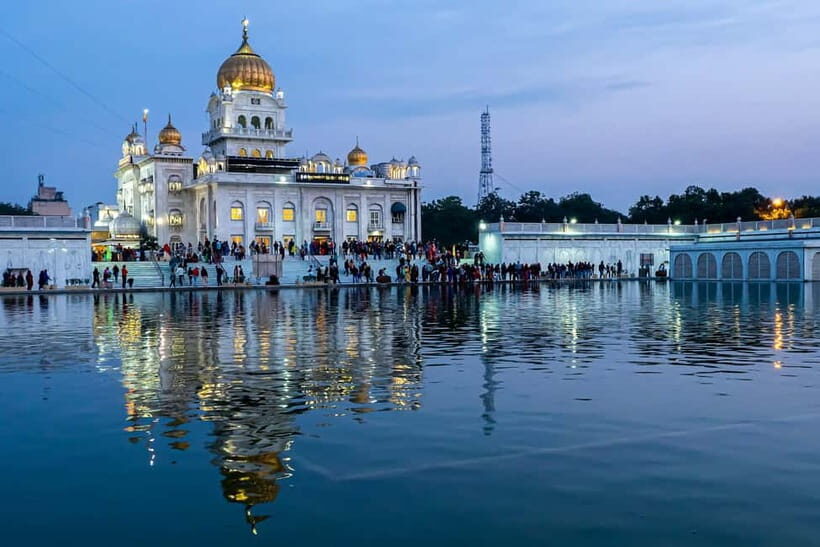
The best part for me is how the visit explains meaning, not just decoration. You’re not only looking at the golden dome and the holy Sarovar, you’re learning why people come, what the traditions are, and how the Langar works. One thing to consider: the temple has a modest dress code and a head covering requirement, so plan to bring comfortable clothes and expect the rules to be part of the experience.
In This Review
- Key highlights that make this visit worth your time
- Why Gurudwara Bangla Sahib works as a Delhi break
- Getting there without hassle: pickup, timing, and meeting point
- The golden dome and temple design: more than a photo stop
- The Sarovar (holy water reservoir) and the healing-water belief
- Langar at Gurudwara Bangla Sahib: equality you can see
- Hymns and prayers: the calm you’re actually paying for
- Temple etiquette that matters: dress, head covering, and comfort
- Private group comfort: how the tour feels in real life
- Wheelchair access and who this works for
- Price and value: what you get for about $14
- Logistics that can trip you up (and how to avoid it)
- Who should book this Gurudwara Bangla Sahib experience
- Should you book this tour or go on your own?
- FAQ
- FAQ
- How long is the Gurudwara Bangla Sahib tour?
- Do I need a headscarf for the visit?
- Will I have a guide during the tour?
- Where does the guide meet me?
- Is hotel pickup included?
- Is the tour wheelchair accessible?
- What should I bring?
Key highlights that make this visit worth your time
- Private, English/Hindi live guide who explains history, significance, and Sikh traditions as you go
- Golden dome and intricate temple design that you can take in at a slower, respectful pace
- Sarovar storytelling about the holy water reservoir and the belief in healing properties
- Langar (community kitchen) where volunteers serve free meals daily, showing Sikh values of equality and service
- Soothing hymns and prayers that set the tone inside the gurdwara
- Optional hotel pickup and drop-off in a private, air-conditioned vehicle to keep logistics easy
Why Gurudwara Bangla Sahib works as a Delhi break
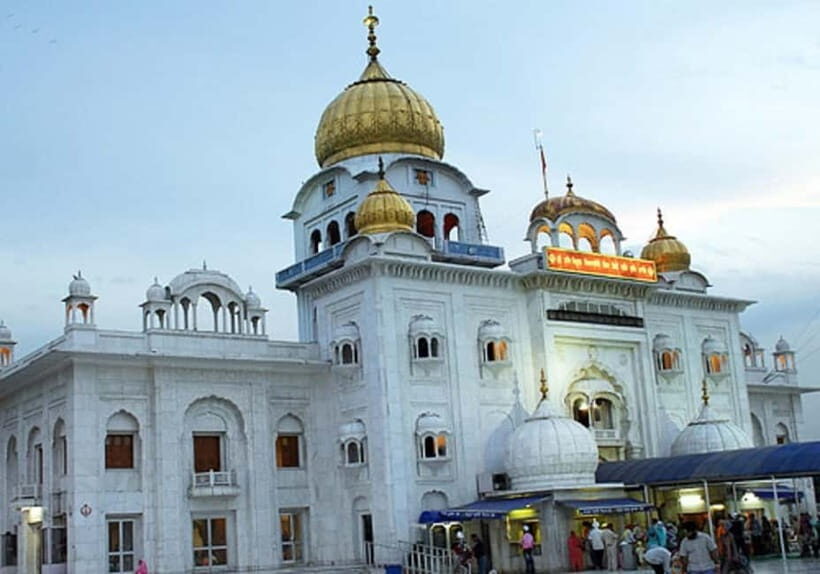
Gurudwara Bangla Sahib is one of Delhi’s most recognizable Sikh sites, and it’s easy to see why. The golden dome catches the eye fast, but the calm around the temple is the real draw. If your Delhi days are heavy on traffic, noise, and schedules, this is a good counterweight.
What makes this tour especially practical is that you’re not left to guess. The experience is built around a guide who can connect the visuals to Sikh traditions and the temple’s story. That matters because a gurdwara is a living place of worship, not a museum. When you understand what you’re watching, the whole visit feels more grounded.
I also like the time window. At around 2 to 2.5 hours, you get a meaningful stop without squeezing it into a stressful scramble. That helps you keep your energy for the rest of your day in Delhi.
You can also read our reviews of more tours and experiences in New Delhi.



Getting there without hassle: pickup, timing, and meeting point
This experience is designed around convenience. If you choose it, you’ll get private transportation from your hotel in Delhi in an air-conditioned vehicle. That means you’re not spending energy on public transit, negotiating rickshaws, or trying to find your way while carrying camera gear.
Your guide meets you at the entrance of the attraction. You’ll receive the guide’s contact details from the local provider by WhatsApp (or email if you don’t use WhatsApp) one day before the tour. The provider’s WhatsApp number also appears on your booking voucher, which is helpful if plans shift.
Departure time is flexible based on your schedule, and the tour typically runs about 2–3 hours. In practical terms, that flexibility makes it easier to fit this into a first-day orientation or a mid-trip reset when you want something calmer than major monuments.
The golden dome and temple design: more than a photo stop
Yes, you’ll likely take photos. But the point of this part of the visit is to understand what the architecture communicates. Gurudwara Bangla Sahib is famous for its striking design and the golden dome, and the look is instantly memorable even from a short distance.
With a guide, you’ll also be better at spotting details you might otherwise miss. You’ll get context on the temple’s history and significance, which turns the buildings into a story you can follow. Instead of treating the site like a backdrop, you’ll see it as a space shaped for worship and community.
The biggest advantage here is pacing. The tour keeps you in the right areas long enough to absorb the atmosphere. You’re not rushing from one angle to the next. That helps if you’re someone who likes your sightseeing respectful, not frantic.
The Sarovar (holy water reservoir) and the healing-water belief
One of the most interesting stops is the Sarovar, the temple’s holy water reservoir. It’s not just a scenic feature. The tour includes the story and significance behind it, including the belief that the water has healing properties.
You don’t need to come with any specific background to appreciate what’s happening. You’ll learn the meaning of the Sarovar within Sikh tradition, and you’ll understand why people treat it with reverence. That’s the kind of context that makes a religious site feel more human and less confusing.
Also, this is a place where your senses slow down. Even if you’re only there for a short window, the atmosphere tends to feel quieter. You’ll likely find the setting gives you a calmer moment in the middle of the city’s motion.
Langar at Gurudwara Bangla Sahib: equality you can see
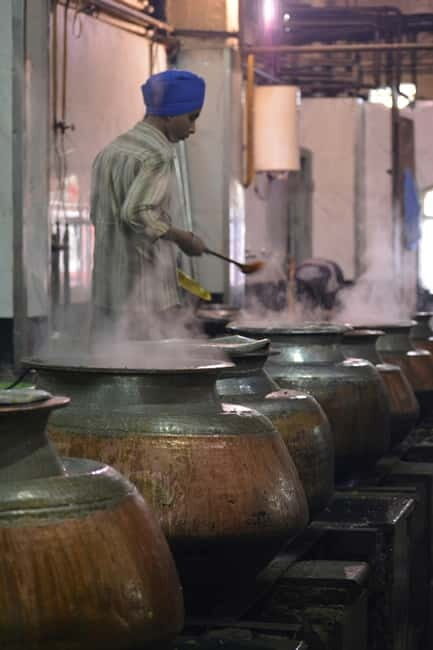
If there’s one experience that teaches the values of Sikhism in a very tangible way, it’s Langar. This community kitchen serves free meals daily, and the tour is built around witnessing that system in action.
Here’s why this is so meaningful for a visitor: the Langar isn’t presented as charity from the outside. It’s rooted in Sikh values of equality and selfless service. When thousands are served, it’s a reminder that food and hospitality are part of the faith, not an afterthought.
On this tour, you’ll observe or participate in the Langar experience as it’s explained by the guide. That matters, because the rules and flow can be different from what you may be used to at other cultural meals. With guidance, you’re less likely to feel awkward or out of place.
One practical point: Langar is popular. Expect a steady stream of people and a sense of order through teamwork. If you’re the type who gets stressed in crowds, plan to keep your expectations flexible. The reward is that you’ll see community spirit in a real, working form.





Hymns and prayers: the calm you’re actually paying for
Another major highlight is the chance to experience soulful hymns and prayers. This isn’t an entertainment add-on. It’s part of how the gurdwara functions, and it shapes the mood of the space.
A live guide helps you connect what you hear with what’s happening. That turns the sounds into something understandable instead of just background noise. Even if you don’t speak the language, the tone and rhythm come through, and you’ll feel the difference between watching a performance and being in a place of worship.
If you’re tired from busy sightseeing days, this portion is a good choice. It doesn’t require you to interpret complicated art or read signage for every detail. You can just listen, follow the flow, and take in the tranquility.
Temple etiquette that matters: dress, head covering, and comfort
Religious sites run on rules, and Gurudwara Bangla Sahib is no exception. For this tour, modest clothing is recommended, and a head covering is required. Scarves are provided at the temple, so you won’t be stuck if you forget.
Still, I think the smarter move is to wear something comfortable and modest from the start. You’ll likely be standing, walking, and spending time in a space with other people following their own routines. Clothing that lets you move easily helps you stay focused on the experience, not your discomfort.
Bring a camera if you like photos, but also remember you’re entering an active place of worship. The tour approach is respectful and guided, which helps you feel confident about what to do and when.
Private group comfort: how the tour feels in real life
This is a private group, which changes the vibe. Instead of getting squeezed into a larger pack, you’ll have a bit more room for questions and slow moments. That matters at a site like this, where you may want to ask about meaning, traditions, or etiquette.
Languages included are English and Hindi, and the live guide is part of the experience. If you’re traveling with family or at a slower pace, private grouping helps keep things comfortable. For anyone who dislikes rigid schedules, it also feels easier to adjust in the moment.
If you’re visiting solo, a private group still helps because you can get clarification without feeling like you’re competing for attention. You’re paying for guidance that makes the visit smoother.
Wheelchair access and who this works for
This experience is wheelchair accessible. It’s listed as suitable for all ages, so it’s a reasonable option whether you’re traveling with grandparents, teenagers, or anyone who benefits from an organized plan.
Keep in mind that religious sites can have busy areas and lots of foot traffic. Even with wheelchair access, you’ll want to move at the pace of the environment and the flow of people. The good news is the tour format is designed to guide you through the visit with a plan and a guide on hand.
If you’re someone who wants cultural value with manageable physical demand, this is a solid fit. It’s not a long hike. It’s a focused visit with meaningful stops.
Price and value: what you get for about $14
At about $14 per person, this isn’t an expensive “attraction ticket.” You’re paying for a guided, structured experience that helps you understand what you’re seeing at a major Delhi landmark.
The value comes from a few things that work together:
- A live guide who explains history, significance, and traditions
- A clear route through the key highlights like the Sarovar and the Langar
- Optional hotel pickup and drop-off in a private air-conditioned vehicle
- A time limit that keeps your day efficient (roughly 2–2.5 hours)
If you try to do Gurudwara Bangla Sahib on your own, you can still visit freely. But the guide adds interpretation that helps you understand the meaning behind the rituals and space. That’s what turns a simple stop into something richer.
Also, the tour has a “stress-free” approach. When you’re paying for convenience, you’re not just buying time. You’re buying peace of mind, especially in a city where logistics can quietly steal your energy.
Logistics that can trip you up (and how to avoid it)
The biggest consideration is the temple’s dress and head covering rules. While scarves are provided at the temple, you still need to show up ready to follow modest clothing expectations. I’d rather you plan for that than scramble at the last minute.
The second practical detail is timing and schedule fit. Duration is around 2–3 hours, but your real time depends on crowds and how long you choose to pause for prayers or the Langar serving process. If you have tight plans right after, build in a little buffer.
Finally, if you don’t select hotel pickup, you’ll meet your guide at the entrance. That’s workable, but it means you’ll want a clear plan for getting there smoothly. If you hate navigation stress, pickup is worth it.
Who should book this Gurudwara Bangla Sahib experience
This tour makes the most sense if you want:
- A guided introduction to Sikhism through a major Delhi gurdwara
- A calm break from busy sightseeing days
- A chance to see Langar and understand its role in equality and service
- A straightforward plan with minimal logistics headache
It’s also a good choice for travelers who like spiritual or cultural experiences that are grounded in everyday community life, not staged. The hymns, prayers, Sarovar significance, and Langar structure create a visit with meaning.
If you’re traveling with someone who values comfort and organization, private group format plus optional pickup helps.
Should you book this tour or go on your own?
I’d book this tour if you want context, smoother logistics, and a respectful pace. The guide component is the main reason. Gurudwara Bangla Sahib is already impressive visually, but guidance helps you understand why people are there and what each part of the temple experience means.
I’d consider going on your own only if you’re the type who loves independent exploring without needing explanations, and you’re comfortable with religious etiquette on the fly. Even then, the pickup option can still be a quality-of-life upgrade.
If you want a calm, well-run visit that balances worship, community action, and history in under a few hours, this is a strong choice.
FAQ
FAQ
How long is the Gurudwara Bangla Sahib tour?
The duration is about 2 to 2.5 hours, with an overall time estimate of roughly 2–3 hours.
Do I need a headscarf for the visit?
Yes. A head covering is required, and scarves are provided at the temple.
Will I have a guide during the tour?
Yes. You’ll have a live tour guide, with English and Hindi available.
Where does the guide meet me?
Your guide meets you at the entrance of the attraction. You’ll receive the guide’s contact details from the local service provider via WhatsApp (or by email if you don’t use WhatsApp) one day before the tour.
Is hotel pickup included?
Hotel pickup is optional. If you choose it, you’ll get pickup and drop-off in a private, air-conditioned vehicle.
Is the tour wheelchair accessible?
Yes. The tour is listed as wheelchair accessible.
What should I bring?
Bring a camera, comfortable clothes, and a headscarf (even though scarves are also provided at the temple).