REVIEW · NEW DELHI
Dalai Lama Himalayan Trek
Book on Viator →Operated by Manu Adventures India · Bookable on Viator
A trip like this needs sturdy boots and a soft heart. You’ll mix Delhi temples, Tibetan life in Dharamsala, and a real high-mountain trek where the night sky does most of the talking. The setting is part India, part Tibet-in-exile—plus a big, moving capstone at the Taj Mahal.
What I like most is the way this itinerary keeps you moving without feeling rushed. I’m a fan of the 5-day trek in the snowy Himalayas where you’re not just taking photos—you’re walking through ramshackle villages and camping by babbling springs. I also love the support approach, with donkeys moving camp equipment and you carrying only day bags, so the trek stays doable.
One thing to consider: this is not a light sightseeing loop. You’ll need strong physical fitness, and the hiking includes steep, rocky sections (Triund Hill in particular), so go only if you’re comfortable with real trekking days.
In This Review
- Key moments that make this trek worth the effort
- Delhi Temples, Monkey Energy, and the Silver-Glint of Akshardham
- The Sleeper Train Stretch: Getting Past Delhi Fast
- Dharamsala and McLeod Ganj: Tibetan-Style Evenings and Local Stops
- Kareri to Naddi View Point: Donkeys, Village Paths, and a Manageable Pace
- Magic View to Triund Hill: When the Views Start Feeling Personal
- Camp Life in the Himalayas: Stars, Springs, and Gear That Works
- Taj Mahal Finale: A Big Emotional Finish After the Mountains
- Price and logistics: What $1,463.90 really buys you
- Who should book this trek, and who should not
- Should you book the Dalai Lama Himalayan Trek?
- FAQ
- How long is the Dalai Lama Himalayan Trek?
- Where does the tour start?
- What is the price per person?
- What is included in the tour price?
- What is not included?
- Is pickup offered from the airport or within the area?
- How many days involve trekking?
- What kind of fitness level do I need?
Key moments that make this trek worth the effort
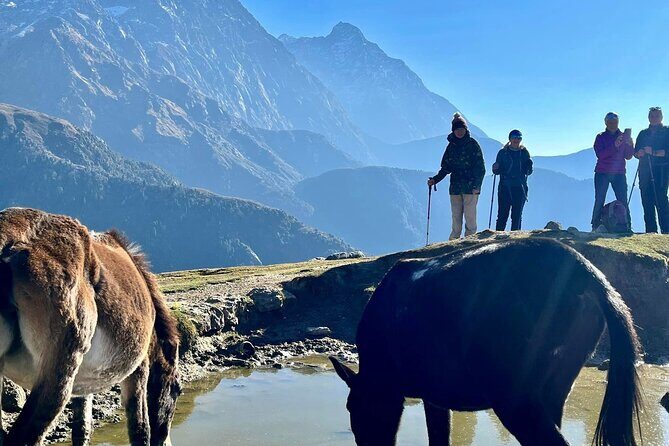
- Donkeys handle the heavy lifting so you hike with day bags while camp gear moves between camps
- Five days of Himalayan trekking through villages, forests, and open viewpoints
- Camp nights with proper comfort like warm tents, thick mattresses, and fleece-lined sleeping bags
- Dharamsala and McLeod Ganj have a distinct Tibetan feel including Tibetan-style dinner
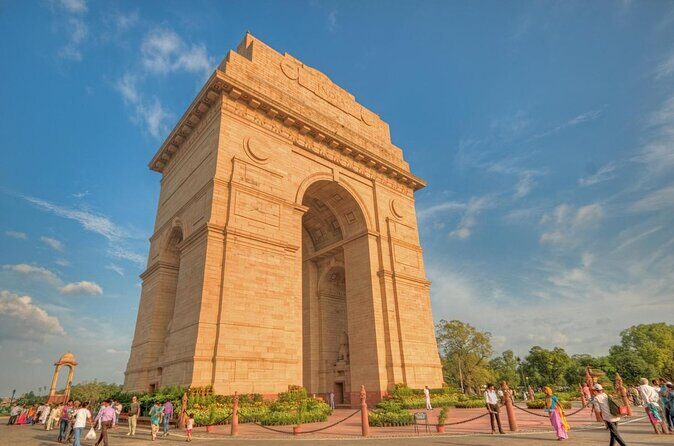
- Taj Mahal is timed as a finale after the trek, so the trip lands with a big emotional payoff
- Small group size (max 35) helps the days feel organized and calmer
Delhi Temples, Monkey Energy, and the Silver-Glint of Akshardham
Delhi starts fast, and in a good way. After you land at Indira Gandhi International Airport, you’ll head to your hotel to freshen up, then you’re close enough to swing by the Monkey Temple of Hanuman area and get your bearings.
Your Day 1 includes a stop at the TWG Tea Boutique at the airport. It sounds small, but it’s actually smart: it gives you a controlled start after travel, plus a quick reset before the city begins to throw smells, sounds, and crowds at you.
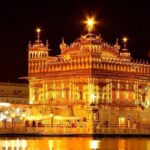
Day 2 is temple day with a twist. You’ll visit Akshardham Temple, known for its brilliant, silver-and-gem look. The tour frames it as off the tourist track yet still popular, which is usually the sweet spot—big sights without only feeling like you’re in a selfie factory.
There’s also practical value in how the Delhi days are built. You’re not trying to do Delhi solo. With an air-conditioned vehicle and included admissions, you spend more energy noticing details and less time fighting timing, ticket lines, or transit confusion.
You can also read our reviews of more tours and experiences in New Delhi.


The Sleeper Train Stretch: Getting Past Delhi Fast
A big part of the trip’s rhythm is the move from the city into the hills. You’ll arrive in Pathankot and then transfer onward to Dharamsala. That means you get out of Delhi while you’re still fresh, instead of burning days on long-distance logistics.
The overnight train element matters because it turns travel time into part of the experience. Based on past trip feedback tied to this operator, the sleeper arrangements are set up so you’re together (not scattered), which helps the group stay friendly and organized when everyone is tired.
Day 3 is also where the mood starts changing. Dharamsala isn’t just a location; it’s a different pace—more mountain air, more spiritual focus, and a feeling that you’re heading toward the Himalayan trek rather than just collecting stops.
Dharamsala and McLeod Ganj: Tibetan-Style Evenings and Local Stops
Once you’re in the Dharamsala area, you build a small base camp of culture before hiking. You get to experience the Tibetan-in-exile world tied to the Dalai Lama’s home and temple area in the broader foothills story, and that spiritual thread runs through the whole trip.
One standout day is the descent back toward comfort. After your trek day, you’ll reach McLeod Ganj, take a shower and rest, and then enjoy a Tibetan-style dinner. That combination is more than a reward—it’s the difference between finishing strong and dragging yourself through fatigue.
Day 9 adds a nice reality check mix: you’ll take the new cable car from McLeod Ganj down to Dharamshala, then visit a tea plantation and the world-famous cricket stadium. It’s a clever way to show that Dharamsala isn’t only temples and prayer flags; it’s also daily life, local flavor, and Indian cultural touchpoints.
Why this matters for you: after several trekking days, your brain needs variety. These stops create that reset without turning the day into a pure museum marathon.
Kareri to Naddi View Point: Donkeys, Village Paths, and a Manageable Pace
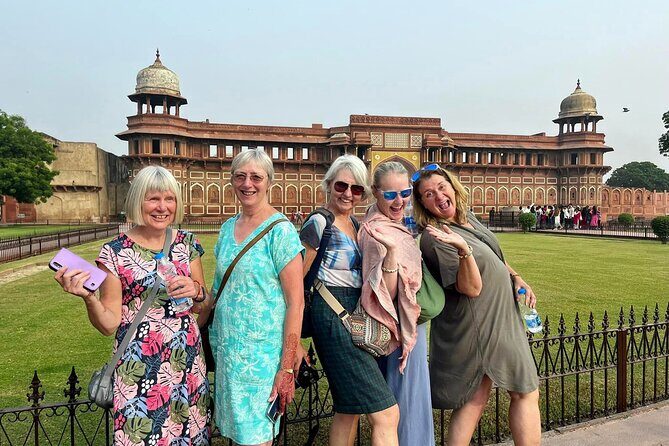
Now for the heart of the trip: the actual trek days. Day 4 is where you greet the donkeys—and then the plan becomes simple. The donkeys transport belongings, tents, and camp equipment so you start hiking with just day bags.
You trek for about 5 hours. The terrain is described as passing through rustic areas and village life, so you’re walking alongside ordinary routines, not through staged tourist zones. That’s where the trek earns its emotional weight: you’re noticing goats, cows, and school-age giggles instead of just chasing summit views.
Day 5 continues with a gentle rhythm. You’ll trek around 4 hours, and the route includes time at Naddi View Point. There’s also mention of scratching out details of daily village life—families living simply, and women in beautiful saris tending to animals. It’s a good day for slower observation because you’re not forced into an all-out climb.
Food also gets real here. Even though you’re camping, the itinerary emphasizes meals on the trail, and the trip reputation includes genuinely good camp cooking. After long travel days, you’ll appreciate that the meals aren’t an afterthought.
Magic View to Triund Hill: When the Views Start Feeling Personal
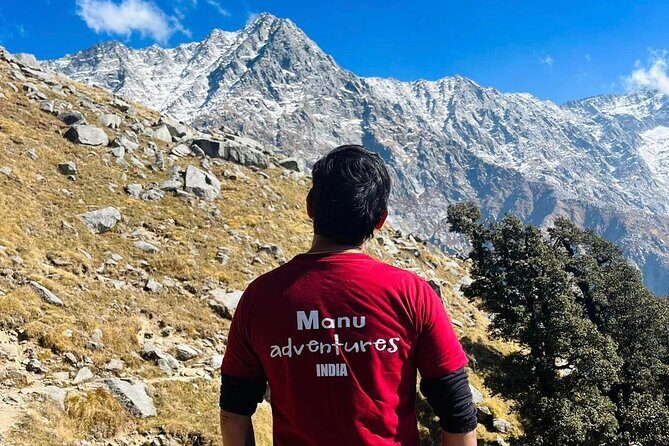
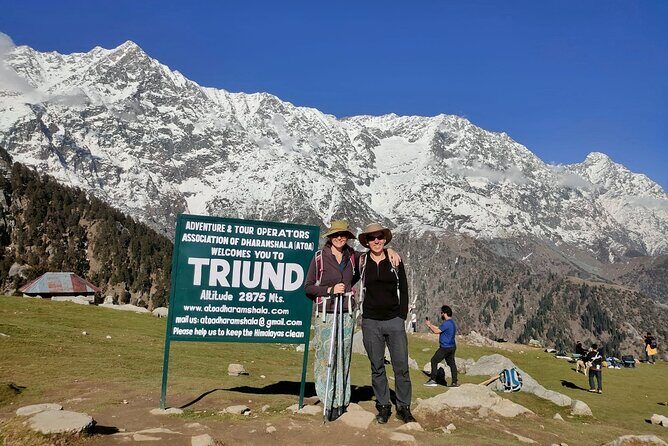
Day 6 is a step up. You head to Manu Adventures Camp at Triund Hill, crossing little bridges and moving through a forest of rhododendrons. This is the kind of segment that helps your body settle into trekking mode—short enough to stay steady, interesting enough to keep you focused.
There’s a break at the Magic View tea shop. Even if you skip the snacks, the point is the steady height gain and the chance to breathe and drink something warm before the next push.
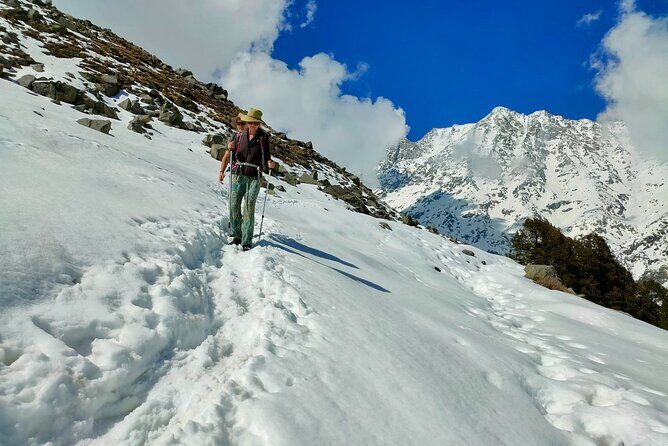
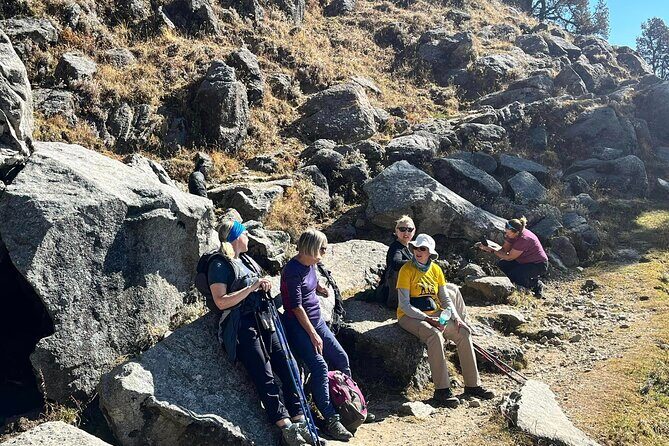
Day 7 is the day that can take your breath away in two ways. The trek to Triund Hill is described as steep and rocky in places, but the reward is your first real sight of big peaks that dwarf you. That’s not just scenic. It changes how your brain measures distance.
This is where your fitness matters. Strong physical fitness is requested by the operator, and for good reason. If you’re comfortable hiking with a pack, even at a slower pace, you’ll handle this fine. If you only do occasional walking at home, you’ll probably feel it.
The itinerary also describes eerie silence as you approach the snowy peak area. That’s the kind of quiet you only get after you’ve earned it with hours of walking.

Camp Life in the Himalayas: Stars, Springs, and Gear That Works
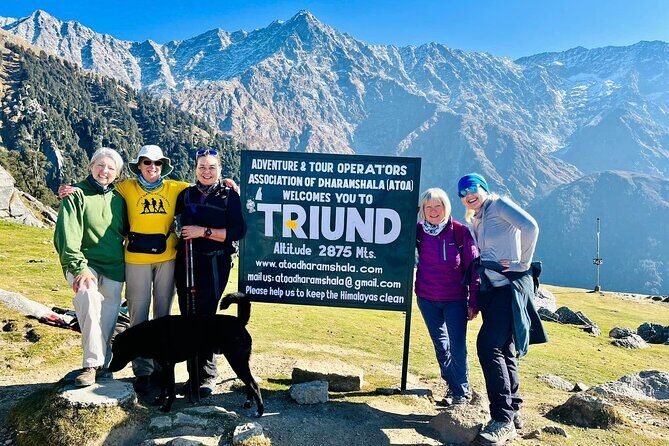
Let’s talk about what you’re sleeping on, because it changes everything. Trek comfort here isn’t just luck. Past participants highlight warm dry tents, thick and comfy mattresses, and fleece-lined sleeping bags. In cold, high places, that’s the difference between counting hours until morning versus actually resting.
Camp setup also includes the teamwork piece. You’re not out there alone with a map and hope. The trek is structured so you camp next to clear, babbling springs under skies full of stars. Those lines might sound poetic, but the real value for you is the nightly reset: you eat, recover, and wake up ready.
Meals are handled too. The plan includes breakfast, lunch, and dinner on trekking days, and dinner count is included across the itinerary (11 dinners total). In practice, this means fewer logistical hassles and more energy for enjoying the walking and the views.
One more practical point: if you’re sensitive to cold, you’ll still want to pack layers. Even with fleece-lined sleeping bags, mountain nights can be chilly. You’ll be glad you brought a hat and a warm mid-layer.
Taj Mahal Finale: A Big Emotional Finish After the Mountains
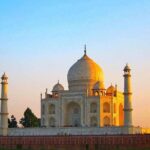
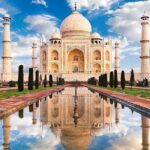
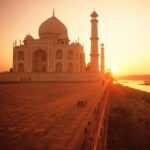
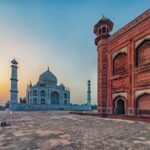
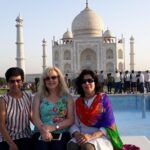
After the trek, the tour pivots from physical effort to pure awe. Day 10 is the Taj Mahal, timed as the culmination of the tour. You’ll visit with admission included and enjoy a celebration meal near the site.
This matters because it changes how you experience the Taj Mahal. Instead of seeing it as a checkbox, you’ll view it after a journey that already asked you to look up, slow down, and feel small in a good way.
There’s also a practical detail worth noting: feedback tied to this operator includes hotel rooms with rooftop views of the Taj Mahal. Even if your exact room differs, the operator’s focus on thoughtful comfort seems consistent.
Day 11 wraps with a transfer from Agra back to Delhi, and you get a last afternoon to shop around Connaught Place or take a look at preserved areas. It’s a nice final day because you’re not rushed out the moment the trip ends—you can decompress.
Price and logistics: What $1,463.90 really buys you
At $1,463.90 per person, this trek isn’t a budget impulse choice. But it’s also not priced like you’re booking ten separate trips. You’re paying for bundled transportation, meals, and the full trek framework.
Here’s the value picture based on what’s included:
- Train tickets (plus the overnight train component that gets you to the hills efficiently)
- Air-conditioned vehicle for Delhi and transfers included in the plan
- Meals: 11 dinners, 10 breakfasts, and 5 lunches
- Admission tickets on key stops (several are explicitly included)
- Pickup offered and mobile ticket
You’re also paying for a human support system. Multiple past experiences emphasize how Manu and his team manage things smoothly, from transport to trekking support. When trekking days can’t easily be fixed last-minute, that kind of organization is worth real money.
A possible drawback is that the trip is non-refundable and can’t be changed for any reason. That’s not something to panic about, but it’s a serious decision factor if you’re booking far ahead and your schedule might shift.
Also, this trip is physically demanding. If you’re unsure, be honest with your walking and climbing comfort. The trek is the centerpiece, and everything else supports it.
Who should book this trek, and who should not
This is a great fit if you want:
- Real trekking with daily structure over a full multi-day arc
- A mix of spiritual and cultural India plus Tibetan-in-exile context
- Camping that’s rugged but not bare-bones, with warm sleeping setups and good food
- A group size small enough to feel organized (max 35)
You might want to think twice if:
- You don’t like steep, rocky sections (Triund Hill is specifically described that way)
- Your fitness level is limited and you prefer mostly flat sightseeing
- You’re not comfortable committing because the plan is non-refundable
Should you book the Dalai Lama Himalayan Trek?
I’d book this trek if you want your trip to feel like more than a list of monuments. The best part is the contrast: Delhi temples with glinting silver, Tibetan evenings with a sense of calm, and then the Himalayan walking that gives you that quiet, hard-earned awe.
Also, the operator seems to prioritize support and practical comfort, from donkey transport for camp gear to proper tent and sleeping bag setups. That combination helps you focus on the experience instead of constantly managing problems.
If you’re physically ready and you can commit to the dates, this is the kind of journey that sticks. The trek days are the story, and the Taj Mahal finale lands like a well-timed exhale.
FAQ
How long is the Dalai Lama Himalayan Trek?
The tour runs for about 11 days.
Where does the tour start?
It starts at Indira Gandhi International Airport in New Delhi, with a start time of 9:00 am.
What is the price per person?
The price listed is $1,463.90 per person.
What is included in the tour price?
Included items are train tickets, air-conditioned vehicle, 11 dinners, 10 breakfasts, and 5 lunches. Several admissions are also included on specific days.
What is not included?
Tips are not included, and airport/departure tax is not included.
Is pickup offered from the airport or within the area?
Yes, pickup is offered, and the tour notes that travelers are near public transportation.
How many days involve trekking?
The itinerary includes trekking on multiple days across roughly five trek days in the Himalayas area.
What kind of fitness level do I need?
The tour information states that travelers should have a strong physical fitness level.