REVIEW · NEW DELHI
Chandni Chowk Textile Tour
Book on Viator →Operated by Discover Activities · Bookable on Viator
Old Delhi textiles have a way of turning shopping into a mini adventure. This Chandni Chowk textile tour takes you through the winding lanes with a personal guide who explains the history and geography of the merchant district, so you’re not just wandering in the noise.
Two things I really like about it: the focus on textiles you can actually identify and shop for (silk, cotton, khadi, muslin, crepe, and more), and the fact that you get pickup and drop-off by private car, which makes the whole morning easier.
The one drawback to plan around is the setting. Chandni Chowk is tight, loud, and fast-moving, so this is best if you’re comfortable walking in narrow lanes and holding your shopping game together.
In This Review
- Key things to know before you go
- Entering Chandni Chowk for Textiles (Not Just Souvenirs)
- Morning Pickup and Old Delhi Orientation
- Gali Paranthe Wali: Fuel Up Before Fabric Hunting
- Kucha Katras and the Textile Markets You’ll Actually Want
- Kinari Bazaar: Wedding fabrics and craft-heavy details
- Cloth Market: Men’s clothing fabrics and home textiles
- Katra Neel Market: Women’s fabrics like silk, muslin, cotton
- What You Can Shop For: Silk, Cotton, Khadi, Muslin, Crepe
- How to Make Your Shopping Efficient in Narrow Lanes
- Price and Time: Is $45 Good Value?
- Who This Tour Is Best For
- Should You Book It? My Take
- FAQ
- What is the start time for the Chandni Chowk Textile Tour?
- How long does the tour last?
- Is hotel or airport pickup included?
- Is this tour private or shared?
- What’s included in the tour price?
- Is food included?
- Are admission tickets included for the stops?
- What textile markets and areas does the tour focus on?
- Do I receive a mobile ticket?
- What is the cancellation policy?
Key things to know before you go
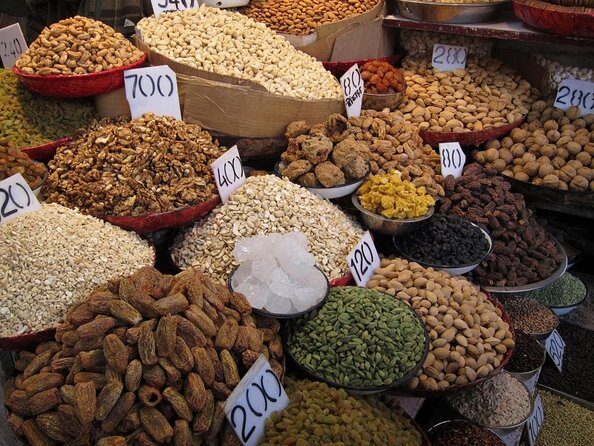
- A guide who helps the maze make sense: Expect clear context about how these markets grew and how the trades are organized.
- Gali Paranthe Wali snack stop: You’ll get a light traditional refreshment so you’re not fabric-shopping on an empty stomach.
- Kucha Katras textile shopping at market scale: Big, busy lanes where handwoven fabrics are a big focus.
- Three key textile zones to look for: Kinari Bazaar, Cloth Market, and Katra Neel Market each specialize in different fabric categories.
- Smart-casual is the right call: You’ll be walking and shopping, so plan for comfort.
Entering Chandni Chowk for Textiles (Not Just Souvenirs)
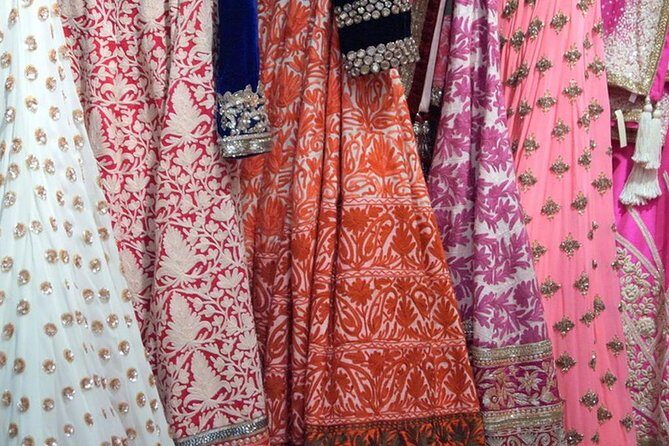
This tour works for people who want textiles with story behind them. In a place like Chandni Chowk, it’s easy to get distracted by the spectacle and lose the plot. Here, the structure matters: you’re guided through the fabric areas, and you’re shown where each kind of fabric trade tends to cluster.
What I like is the range you’ll encounter. The tour keeps the conversation on fabrics like silk, cotton, khadi, muslin, and crepe, plus other cloth types you might see in the market. That’s useful because it helps you ask better questions in shops: what it’s made of, how it’s finished, and what it’s best used for (a dress, a saree, a scarf, home furnishings, and so on).
Also, you’re doing this as a morning activity. That timing helps you get your bearings faster, before the streets feel even more intense.
You can also read our reviews of more tours and experiences in New Delhi.



Morning Pickup and Old Delhi Orientation
Your day starts with pickup from your hotel/airport/railway station around 8:00 to 10:00 am. Then you head out with a personal guide who shares brief history and explains the history, geography, and culture of the local streets.
This part matters more than it sounds. Old Delhi can be disorienting. Even if you’re street-smart, the lane layouts and trade clusters are the real trick. Having a guide who can point out how the merchant district is organized helps you shop with intention instead of just reacting to what’s visible at every turn.
The reviews you’ll see for this kind of tour often mention the “organized chaos” feel—lots of people, street activity, and the constant motion of the bazaar. One person even described the scene with a mix of street energy and odd surprises like monkeys, cables, and tuk-tuks. Whether you see all of that or just some, the point is the same: the guide keeps you moving confidently through it.
Gali Paranthe Wali: Fuel Up Before Fabric Hunting
The first stop is Gali Paranthe Wali, also called the breadmakers alley. You’re offered a light traditional refreshment here, and the stop is about 20 minutes with the admission ticket included.
Why this is a smart move: you’ll spend the rest of the morning comparing fabrics, and that takes focus. A quick, local snack break is also a cultural warm-up. You get a sense of how Old Delhi food culture runs in the same lanes as other trades—different specialties, same neighborhood logic.
Practical tip: keep this refreshment light. You’re headed straight into major textile shopping areas after this, and you’ll likely want your energy and attention for fabric discussions. Also, you’ll be walking, so don’t go heavy on anything messy.
Kucha Katras and the Textile Markets You’ll Actually Want
Next comes Kucha Katras, a huge and busy market area known for handwoven fabrics. The tour time for this stop is about 30 minutes, and admission tickets are included.
This is where the day starts feeling like real shopping. Kucha Katras sits in a bigger network of textile-focused bazaars, and the tour’s value is that it helps you understand what you’re seeing. Instead of randomly entering shops, you can aim for the right zone based on the fabric you want.
Here are the major textile specializations your guide will help you connect to what you’re shopping for:
Kinari Bazaar: Wedding fabrics and craft-heavy details
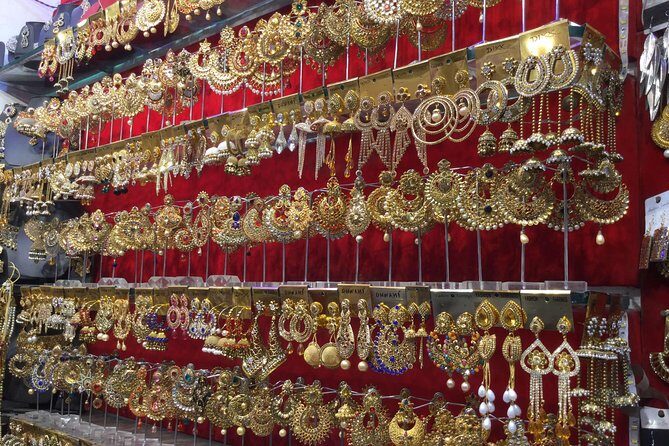
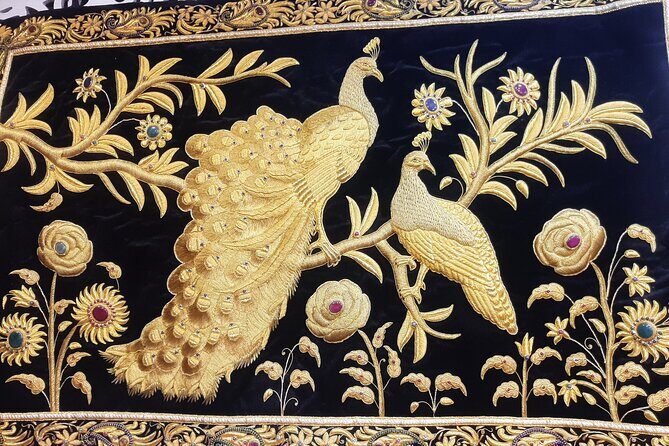
If you’re drawn to wedding fabrics, Kinari Bazaar is the place. This area is known for items like wedding fabrics, laces, and Zardozi items. That matters because Zardozi and embroidered trims are not just “pretty extras”—they’re a craft category with its own materials and terminology. Having context makes it easier to shop intentionally.



Cloth Market: Men’s clothing fabrics and home textiles
The Cloth Market focuses more on fabrics for men’s clothing and also good quality textiles for home furnishings. If you’re thinking beyond garments—like curtains, upholstery fabric, or other home pieces—this is the zone to keep an eye on. The fabric selection here tends to fit those practical uses.
Katra Neel Market: Women’s fabrics like silk, muslin, cotton
For women’s fabrics, Katra Neel Market is famous for options across many cloth types—silk, muslin, cotton, and more. This is likely the area you’ll spend the most time appreciating visually, especially if you’re comparing weave, drape, sheen, and thickness.
And yes, you’ll see how these markets connect. You might also notice how Old Delhi mixes trades in close proximity—like Dariba Kalan, known as an ancient silver market for jewelry. That nearby contrast is useful: it reminds you you’re moving through an organized set of crafts, not one random bazaar street.
What You Can Shop For: Silk, Cotton, Khadi, Muslin, Crepe
This tour is especially appealing if you enjoy fabric details. It’s not just about buying something. It’s about seeing how different cloth categories look and behave.
Here’s how to think about what you’re encountering:
- Silk: often chosen for sheen and drape. Ask what weight or finish the fabric has, since silk can vary a lot in feel.
- Cotton: great for breathability and everyday wear. You’ll likely find different weaves and thickness levels.
- Khadi: valued for its handmade/handwoven character. Look for texture and finish, and ask what makes that particular cloth feel distinct.
- Muslin: typically chosen for lightness and softness. You can use touch and drape to compare options quickly.
- Crepe: often chosen for structure and a unique surface texture. This one is worth checking how it falls on you or how it might drape once worn.
One more practical point: your time on the ground is limited (the whole tour runs about 3 to 6 hours). So I suggest choosing one or two categories you want most—like silk + a scarf fabric, or cotton + a home-furnishing textile—then using the guide to steer you toward shops that match.
How to Make Your Shopping Efficient in Narrow Lanes
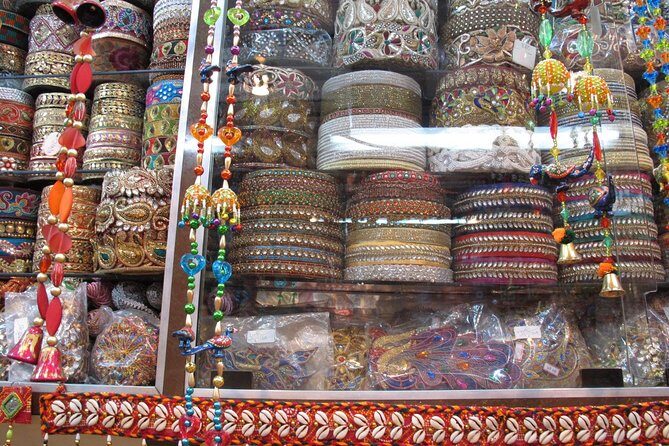
Chandni Chowk lane shopping can be a test of patience if you go in unprepared. The tour design helps, but you still need a game plan.
Here’s what works well:
- Pick a purpose before you arrive
Decide if you want something for a dress, a saree, a scarf, or home use. Knowing the end use helps you filter fast.
- Ask about material type you can name
Since the tour centers on specific cloth types (silk, cotton, khadi, muslin, crepe), use those words. If you want a fabric, say the fabric category first, then ask about quality or feel.
- Plan for carry weight
Textiles can stack up quickly. If you’re shopping for multiple items, think about whether you’ll need extra bags and how you’ll manage them during the walk.
- Wear smart-casual shoes
You’re in narrow lanes and busy market areas. Choose shoes that won’t punish you by the second stop.
Also, the tour includes bottled water, which is a small detail but a real help when you’re walking and comparing fabrics.
Price and Time: Is $45 Good Value?
At $45 per person, this tour can be strong value if your priority is quality textile shopping with orientation. You’re paying for more than entry into markets—you’re paying for:
- A local guide who explains how the textile trading areas work
- Pickup and drop-off by private car, which saves time and friction in a big city
- Access to key market stops during a short window of time
The duration is listed as 3 to 6 hours, so you’re not stuck for half a day just to wander. For many people, that’s the sweet spot: enough time to see options, not enough time to get exhausted and start buying random stuff.
Food-wise, bottled water is included, but meals are not. You will get a light traditional refreshment at the paratha alley stop, and beyond that you should plan on covering your own snacks or lunch unless your specific option includes something extra.
Who This Tour Is Best For
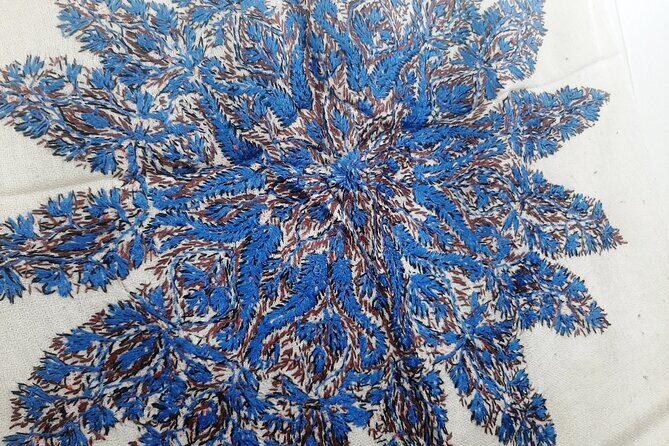
This is a great fit if you want textiles with a focused route and guidance. It’s especially appealing if:
- You’re interested in silk, cotton, khadi, muslin, crepe, and similar fabric categories
- You like the idea of shopping with a guide who can explain what you’re looking at
- You prefer pickup and drop-off instead of figuring out logistics yourself
- You want a morning plan that gives you both culture and shopping without dragging into the evening
It’s also a good choice for couples or groups, since the tour is private and only your group participates. If you’re going with a friend or partner and want to talk fabric preferences as you go, this format helps.
Should You Book It? My Take
Book it if your goal is textile shopping with direction. The mix of a snack stop, a focused textile market area, and clear attention to major fabric zones makes this feel more like an efficient shopping route than a vague market walk.
Skip it (or adjust expectations) if you only want a quick photo stop or you hate crowds and tight lanes. Chandni Chowk is energetic. Even with a guide, the streets are part of the experience.
If you’re ready to spend a few hours comparing fabrics and learning what different areas specialize in—Kinari Bazaar, Cloth Market, and Katra Neel Market—this tour is likely a good match for your time and budget.
FAQ
What is the start time for the Chandni Chowk Textile Tour?
The tour start time is 8:30 am.
How long does the tour last?
The duration is 3 to 6 hours (approx.).
Is hotel or airport pickup included?
Yes. Pickup and drop-off are included in a private car from your hotel/airport/railway station.
Is this tour private or shared?
This is a private tour/activity. Only your group will participate.
What’s included in the tour price?
Included are all taxes, fees and handling charges, a local guide, hotel/attraction pickup/drop in a private car, and bottled water.
Is food included?
Food isn’t listed as generally included, but you do have a light traditional refreshment stop at Gali Paranthe Wali. Other food and drinks are not included unless specified.
Are admission tickets included for the stops?
Yes. Admission tickets are included for both Gali Paranthe Wali and Kucha Katras.
What textile markets and areas does the tour focus on?
The focus includes Kucha Katras and key textile areas like Kinari Bazaar, Cloth Market, and Katra Neel Market.
Do I receive a mobile ticket?
Yes. The tour uses a mobile ticket, and you’ll receive confirmation at the time of booking.
What is the cancellation policy?
The experience offers free cancellation. You can cancel up to 24 hours in advance for a full refund.