Jodhpur gets real fast on foot. This Blue City walking tour is built for first-timers who want the old lanes, the everyday life, and the stories behind the color. I like how it keeps you moving through narrow alleyways and how you get local flavor via market time and snacks. One thing to weigh: it’s still city walking in real traffic, so plan for some street-crossing and uneven ground.
You start early and focused, meeting at Chandpole Gate (outside Chandpol Gate, near the Police Station area in Kabir Nagar). The group stays small (up to 8), so your guide can actually answer questions instead of rushing the whole planet along. If you’re expecting a bus-tour checklist of monuments, this is not that. It’s more about seeing how the blue neighborhoods work day to day.
Finally, guides show up as real people with real routes. Names I saw repeated in past experiences include Prabhat Singh, Rocky Singh (Rakesh “Rocky” Singh), Pranshu, Soda, and Raj—each steering the walk with safety in mind and lots of street-level context. You’ll probably leave with better bearings and a list of places you’d never have found alone.
In This Review
- Key highlights before you go
- Blue City on foot: what makes this walk click
- Where you meet: Chandpole Gate and why that’s a smart start
- The route feel: narrow lanes, indigo walls, and real-life peeks
- Stories and legends: how the past gets practical
- Market time and what you’ll actually do there
- Craft, color, and the human scale of Jodhpur
- Safety and pacing: the quiet superpower
- Price and value: is $21.09 worth it?
- Who should book this blue city walk
- Little tips that make your tour smoother
- Should you book it?
- FAQ
- How long is the Blue City Walking Tour?
- Where does the tour start?
- What time does the tour begin?
- What’s included in the ticket price?
- Is a mobile ticket used?
- What about weather and transportation?
Key highlights before you go
- Small group (max 8): You get time for questions and pacing that doesn’t feel like a conveyor belt.
- Indigo alleyways up close: The color isn’t just a photo backdrop; you’ll see it in the way streets and houses connect.
- Market time plus snacks: You get a taste of everyday browsing, plus included snack breaks.
- Craft stop moments: You may visit a bangle maker so you can watch a traditional skill in action.
- Safety coaching in heavy lanes: Guides keep you aware of traffic flow and crowding while you walk.
- Good-weather dependent: If weather is bad, the experience may be shifted or refunded.
Blue City on foot: what makes this walk click
The magic of Jodhpur’s Blue City isn’t only visual. Yes, the indigo-colored houses grab you right away—but the real payoff is walking the streets where people actually live. You’re not just seeing old walls. You’re tracing narrow paths, peeking into corners, and learning how the neighborhood layout affects daily life.
The tour’s design leans into that street-level perspective. It’s built around legends from the past, but also the present-day rhythm: where locals spend time, how market areas pull people in, and how the same streets can feel totally different at 8:30am than they do later. That mix is what turns a “pretty neighborhood” into a place you can picture yourself in.
I also like the plain-and-simple structure: about 3 hours, starting and ending at the same meeting point. That matters because walking tours in old cities can become complicated fast if you’re trying to coordinate transit afterward. Here, you can keep your day plan clean.
The only caution I’d give up front is physical reality. You’ll be walking through an active urban environment, and one of the standout pieces of feedback I saw was how guides stayed on top of safety due to high-volume traffic. So wear grippy shoes and don’t expect this to feel like a quiet museum stroll.
You can also read our reviews of more walking tours in Jodhpur



Where you meet: Chandpole Gate and why that’s a smart start
Your start point is Chandpole Gate, just outside Chandpol Gate near the Police Station area in Kabir Nagar, Jodhpur. It’s a central-feeling anchor point, and the tour notes that you’re near public transportation, which is helpful because Jodhpur’s old streets can be tricky to access by car.
Starting near a gate also makes sense for pacing. Gates act like natural funnels—people flow in and out, and the street pattern shifts as you move inward. That means your first minutes aren’t just “getting oriented.” They’re part of how the city reveals itself.
The start time is 8:30am. Early morning is often when old cities feel most workable for foot travel. You’ll likely catch a less-hot stretch and get a better shot at navigating lanes without constant stopping. Even if you don’t care about weather comfort, that timing helps you watch daily movement ramp up.
And yes, the experience ends back at the meeting point. That small detail can save you a lot of mental overhead later—especially if you’re planning a fort, market, or restaurant stop after the tour.
The route feel: narrow lanes, indigo walls, and real-life peeks
The heart of this tour is the contrast between postcard Jodhpur and lived-in Jodhpur. You’ll wonder through narrow alleyways dotted with indigo-colored houses, and you’ll do it at a walking speed that lets you actually look. This is not “blink and move” touring.
One reason this matters: those blue facades aren’t usually evenly spread. They cluster in ways shaped by the street plan, courtyards, and community patterns. On foot, you start noticing the logic—small turns, sudden openings, and the way people use thresholds and doorway spaces. Even if you’re not a big architectural person, you’ll start connecting the dots.
The tour also aims for small moments rather than only big viewpoints. Expect to see tiny details and get guide pointers on what to notice: door colors, how lanes angle, where markets grab attention, and how the neighborhood changes as you move.
A big theme in past experiences was the feeling of being shown things you’d otherwise miss. The guides seem to steer you toward the city’s “in-between” spaces: the corners, the shopfront rhythm, and the local textures that don’t always show up on the main tourist loop.
Stories and legends: how the past gets practical
The description promises interesting legends from the past, and in a walking format, stories can do real work. They help you make sense of why certain areas look the way they do, and why some traditions still appear in daily life.
Instead of a lecture, you’ll get story snippets timed to what you’re seeing around you. That makes the information easier to remember because it’s attached to a location. It’s the difference between reading about a city and walking through one.
You’ll also notice the tour talks about meeting locals and peeking into daily life. In other words, the stories aren’t only cultural history. They connect history to everyday behavior—how people move through neighborhoods, how markets operate, and how community life shapes the street experience.
If you like your travel with context but not heavy-handed, this approach usually lands well. And because the group is capped at 8 travelers, your guide can address questions as they come up, instead of waiting for a final Q&A.
Market time and what you’ll actually do there
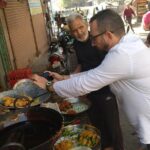
One of the most repeated experiences was market time—including browsing in busy areas and even trying food along the way. You’re not just walking past stalls. You’re stopping long enough to understand what you’re looking at.
Markets in old cities are a sensory workout: sightlines change fast, sounds bounce off walls, and the crowd density can spike. This tour handles that by staying guided and paced for small groups.
What you might notice during the market portion:
- You’ll get direction on what’s worth looking at (and what to skip).
- You’ll likely be encouraged to ask questions instead of guessing.
- There’s room for snack breaks, which helps keep energy up when you’re navigating a crowded route.
One detail I found especially appealing from past experiences: guides also bring you to craft moments. For example, one named guide, Rocky Singh, was praised for taking people to a man making bangles—a chance to see a specific skill rather than just buying a souvenir. That kind of stop turns shopping into something educational and more personal.
And if food is your thing, you’ll appreciate that snacks are included. You won’t have to hunt down a place for every snack break mid-walk.
You can also read our reviews of more city tours in Jodhpur





Craft, color, and the human scale of Jodhpur
Part of why the Blue City walking tour feels different is the way it mixes color with people. The indigo houses are the visual hook, but the tour’s deeper goal is to show the city at human scale.
That’s why stops related to crafts matter. A bangle maker stop (mentioned in past experiences with Rocky Singh) helps you see how traditional industries connect with the street economy. It’s also an easy way to slow down. When you’re watching hands at work, the noise level drops in your mind even if the city stays loud outside.
Another memorable thread from guide-led experiences was hospitality. A past review mentioned an impromptu invitation for a cup of tea with a local family with a guide named Raj. You can’t rely on that exact moment, but it reflects the tour’s intent: to go beyond surfaces and meet people.
If you’re the type of traveler who likes to understand how things are made and how daily life functions, this is one of those tours where your brain stays engaged. You’re not just collecting photos; you’re collecting small stories you can retell.
Safety and pacing: the quiet superpower
Walking in old city lanes is rarely just about comfort. It’s also about timing and movement. One standout element from feedback was that guides worked hard to keep people safe due to the high volume of traffic.
That means you can expect:
- Clear guidance at crossings and busy junctions.
- A route that takes advantage of guide familiarity.
- Pacing that helps you keep up without feeling sprinted.
This matters especially if your group includes older travelers or anyone who doesn’t do long, steady walking well. One review I saw highlighted a mother and child (with an excellent guide) having a phenomenal day, which suggests the guides aim for practical pacing and attention.
Still, be realistic. This is a walking tour, and you’ll want to dress for the street: shoes with grip, sun protection, and a light layer if mornings feel cool. If you’re prone to getting tired, consider arriving a few minutes early so you start calm, not rushed.
Price and value: is $21.09 worth it?
At $21.09 per person for about 3 hours, this tour lands in the “small price, big storytelling payoff” zone. The real value isn’t just the time. It’s the combination:
- Small group size (max 8)
- An expert guide team
- Included snacks
- A route that prioritizes local streets and market areas
You’re not paying for private transportation here. That’s actually a good sign for value: you’re funding guide time and street access, not a vehicle. If you already plan to use public transit anyway, this is a clean fit.
If you’re only in Jodhpur for a short window and want your bearings fast, this is the kind of tour that can pay back later. The streets you walk today become the streets you navigate tomorrow with more confidence.
For longer stays, it’s still worth it as an orientation walk. You’ll understand which lanes feel comfortable, where markets can be intense, and which parts of the old city you’d like to revisit at your own pace.
Who should book this blue city walk
This tour is a strong match if:
- You’re visiting Jodhpur for the first time and want the local view quickly.
- You like walking tours that mix culture with daily life, not only monuments.
- You want small-group attention and a guide who answers questions.
- You enjoy markets and don’t mind a bit of street energy.
It may be less ideal if:
- You want a fully packaged, vehicle-based tour with minimal walking.
- You strongly dislike traffic and street crowding, even when guided.
- You’re hoping for a very structured, stop-by-stop sightseeing checklist.
Families can work too, especially because guides seem to adjust pace. Just keep in mind it’s still a street walk.
Little tips that make your tour smoother
Even without changing your plans, a few choices can upgrade the whole experience:
- Wear shoes you trust on uneven ground.
- Bring sun protection for morning walks if you’re out early but staying in daylight later.
- Keep your phone charged enough for alley photos. The blue walls can look different as you turn corners.
- Keep a little cash or card handy if the market portion pushes you toward browsing, even though snacks are included.
And if you’re nervous about being in the way, don’t worry—this tour’s design emphasizes guided movement and safety. Still, help your guide by moving with the group and listening at crossings.
Should you book it?
I’d book this Blue City Walking Tour if you want your Jodhpur experience to start like a local day: narrow lanes, indigo houses, market noise, and guide-led stories that help you see patterns instead of just collecting images. At $21.09 with snacks included and a max of 8 people, it’s priced like a smart orientation stop rather than a big-ticket production.
Skip it only if you hate walking in active city streets or you want a monument-heavy itinerary with lots of sit-down time. Otherwise, it’s exactly the kind of tour that helps you understand why Jodhpur feels unforgettable once you stop looking at it from one main road.
FAQ
How long is the Blue City Walking Tour?
It lasts about 3 hours.
Where does the tour start?
You start at Chandpole Gate, outside Chandpol Gate near the Police Station in Kabir Nagar, Jodhpur, Rajasthan 342001, India.
What time does the tour begin?
The start time is 8:30am.
What’s included in the ticket price?
Snacks are included.
Is a mobile ticket used?
Yes, the tour uses a mobile ticket.
What about weather and transportation?
The experience requires good weather. Private transportation is not included, but the meeting point is near public transportation.