REVIEW · NEW DELHI
Agra Overnight Tour With 3 Star Hotel
Book on Viator →Operated by Cox Queen · Bookable on Viator
This overnight Agra plan is built around the real payoff: Taj Mahal at sunrise plus a strong UNESCO line-up that keeps you busy without feeling like you’re sprinting. I like how the route also includes Fatehpur Sikri, not just the headline monument, so you get a wider feel for Mughal-era artistry and ambition.
I also like the pace this tour uses: drive in on Day 1, visit major sites, sleep in Agra, then do Taj Mahal early instead of burning time later. The smooth transport and planning matters here. One possible drawback: monument tickets and camera/video entry are not included (and Taj Mahal is closed on Friday), so you’ll want to budget for entrances.
In This Review
- What stood out during the planning and the drive
- The trade-off: what’s included vs. what you pay at the gate
- Quick highlights before you commit
- Why an overnight Agra tour feels smarter than a day trip
- Delhi pickup and the drive to Agra: where time gets saved
- Sikandra and Akbar’s Tomb: why this stop deserves more than a photo break
- Lunch, then Fatehpur Sikri: switching from gardens to grand entrances
- The Agra hotel night: how it supports the sunrise plan
- Sunrise Taj Mahal: the timing is the real value
- Agra Fort after Taj: seeing the political side of the same empire
- The final stretch to Delhi Red Fort: finishing with craft and palaces
- Dinesh Kumar’s style: flexibility plus execution
- Price and value: what $249 covers and what you should budget
- Who should book this Agra overnight tour
- Practical tips so your two days feel smooth
- Should you book it?
- FAQ
- How many days is the Agra Overnight Tour with 3 Star Hotel?
- Where does the tour start in Delhi?
- What hotel is included?
- Which places are visited during the tour?
- Is the Taj Mahal entrance ticket included?
- What about other monument entry fees and camera/video charges?
- Is dinner included?
- Is the tour private or shared with others?
- When is Taj Mahal closed?
- Is there free cancellation?
What stood out during the planning and the drive
Your start is in Delhi, with pickup from your hotel or, if you’re arriving, from the airport or railway station area. Then it’s a straight drive toward Agra using the Yamuna Expressway, which is typically about 3–4 hours, giving you less decision-making and more sightseeing time.
The tour also includes a private A/C car and an expert driver, plus an actual tour guide, so you’re not left piecing things together on your own. There’s a 3-star hotel for one night with breakfast, and Day 1 includes a buffet lunch, which helps keep your Day 1 energy intact for the longer stops.
The trade-off: what’s included vs. what you pay at the gate
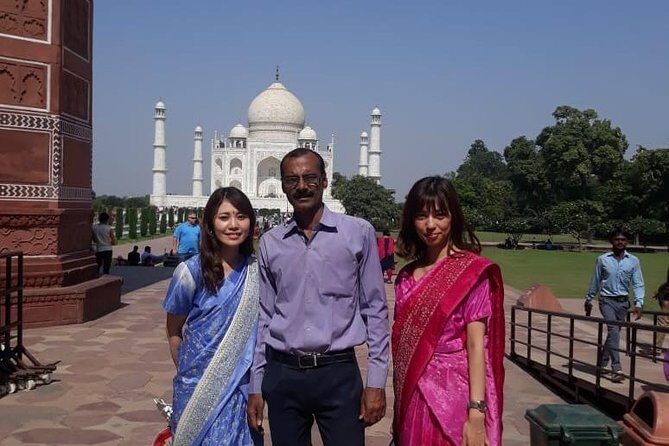
This tour is generous with logistics, but the big museum-style costs are not covered. Taj Mahal admission is not included, and the same goes for other monument entry and video/camera fees, so plan on paying a few separate charges on the ground.
Also, it runs with the expectation of good weather. If weather turns bad and the operator cancels, you’ll either be offered a different date or a full refund—good to know if you’re traveling in a rain-heavy season.
You can also read our reviews of more tours and experiences in New Delhi.



Quick highlights before you commit
- Taj Mahal at sunrise: you’ll do the iconic visit early, when the light is soft and the crowds tend to be less intense than later.
- Fatehpur Sikri on the same trip: the route includes the “desert city” feeling stops—castle, the grand gateway, and the mausoleum of saint Salim Chishti.
- Sikandra (Akbar’s Tomb) included: built 1604–1613, set across 119 acres, so you get space and variety beyond the Taj photos.
- 3-star hotel with breakfast: one night in Agra keeps the schedule practical rather than forcing a long round trip in daylight only.
- Flexible visit timing: the operator notes you can adjust monument time during the day within the agreed service commitment.
- Owner-led service reputation: multiple reviews describe Dinesh Kumar as flexible and hands-on, with punctual execution.
Why an overnight Agra tour feels smarter than a day trip
Agra is one of those places where the hardest part isn’t seeing the sights—it’s getting there and back without losing the best light. With this 2-day, 1-night format, you’re not trying to cram Taj Mahal into the last hours of the day. You sleep in the right city, then you’re out early when the monument is at its best.
That extra night also gives you a chance to connect with the city beyond one building. Between Sikandra, Fatehpur Sikri, Agra Fort, and the Delhi Red Fort finish, the tour gives you a sense of Mughal power and craftsmanship in different settings, not just one famous facade.
If you’re a first-time visitor, this helps you build the geography fast. If you’ve been before, it can still feel worthwhile because the overnight setup makes the Taj Mahal visit feel intentional, not rushed.
Delhi pickup and the drive to Agra: where time gets saved
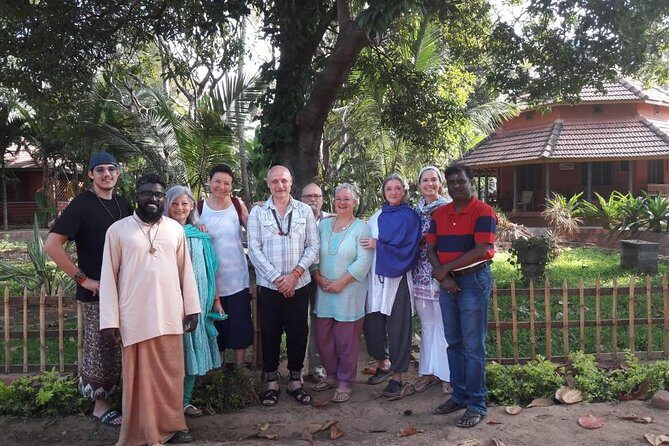
Your day starts in New Delhi, with pickup arranged from your accommodation. If you’re arriving rather than already based in Delhi, pickup can happen from the airport or railway station area too, which is a big deal if you’re landing late or arriving early.
Once everyone’s in the car, the drive runs along the Yamuna Expressway, typically 3–4 hours to Agra. That direct route matters because it keeps the schedule stable. When you have early-start days (sunrise Taj Mahal is the whole point here), stability is your friend.
The tour includes gasoline, highway tolls, parking, and state taxes. Translation: you won’t be dealing with a constant string of small payments while you’re trying to enjoy the ride.
Sikandra and Akbar’s Tomb: why this stop deserves more than a photo break
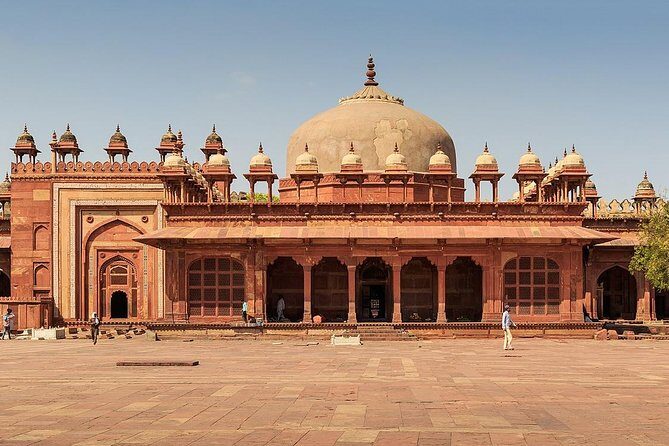
Sikandra is where you slow down and get a feel for scale. The tour takes you to Akbar’s Tomb in Sikandra first (built 1604 to 1613) and set across about 119 acres. That acreage detail isn’t just trivia—it affects your experience. It’s not a quick “look and leave” stop.
You’ll spend time there before lunch. The visit fits well into the early part of the itinerary because you’re still fresh from travel, and it’s a good change of pace from the crowded photo circuits that can surround Taj Mahal.
If you enjoy architecture and layout, Akbar’s Tomb gives you that slower way of seeing—more like wandering a designed complex than snapping a single viewpoint.





Lunch, then Fatehpur Sikri: switching from gardens to grand entrances
After Sikandra, you get a buffet lunch on Day 1. This is included, which keeps you from searching for food while the clock is moving.
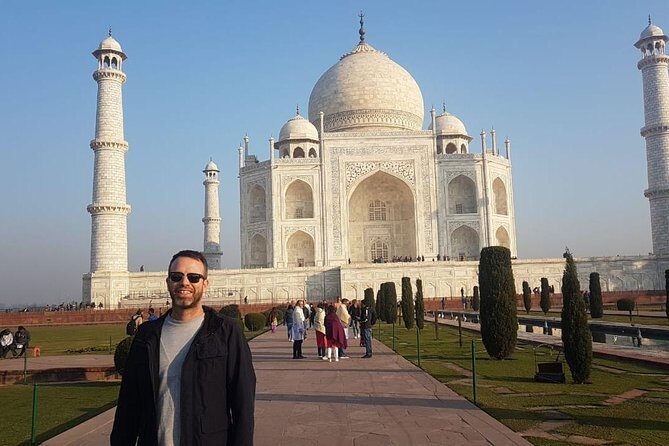
Then the tour heads to Fatehpur Sikri, about 37 km from the city. The place is often described as the “ghost city” or “desert city,” and the story behind that nickname is part of the experience. The tour description points to water shortages as a reason the capital later moved away from here, which makes the empty-feeling vibe feel less random.
At Fatehpur Sikri, your stops focus on the big-ticket structures:
- the castle area
- the grand gateway
- the mausoleum of saint Salim Chishti
You’ll also have some flexibility here. The visit is described as adjustable and customizable, so you can move at a pace that feels comfortable rather than a rigid checklist.
The Agra hotel night: how it supports the sunrise plan
The tour includes 3-star hotel accommodation for one night with breakfast. After your Day 1 sightseeing, you’ll drive to the hotel to rest overnight.
This is the part that makes the whole trip work. Without the hotel night, you’d either have to accept a late Taj Mahal visit or lose a chunk of daylight to travel. Here, you sleep in Agra, so the next morning can start early and stay calm.
Breakfast the next day is included, and you return for it after the Taj Mahal visit. That means you’re not left rushing into food decisions immediately after the monument.
Sunrise Taj Mahal: the timing is the real value
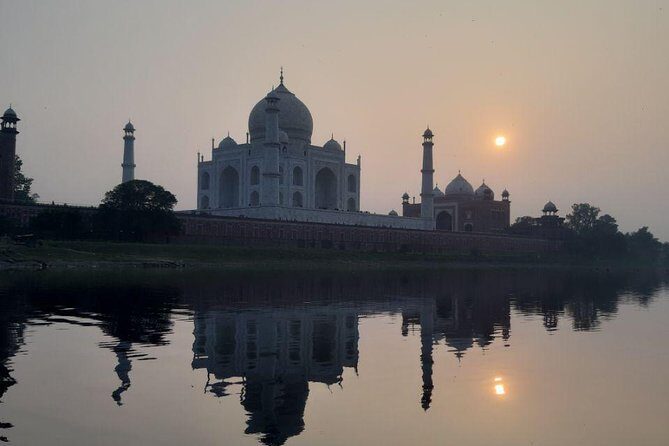
Taj Mahal is the headline, but the timing is the product. The tour is set up so you visit at sunrise, which changes the mood more than you’d think. It’s the same building, but the experience feels different when light arrives gradually instead of harsh midday sun.
The tour description frames Taj Mahal as the symbol of love—built by emperor Shah Jahan, started in 1631 after his beloved wife Mumtaz Mahal passed away. It also notes the monument took 22 years to complete and involved about 20,000 labourers. Even if you’ve heard these facts before, they land better when you’re seeing the place in real time.
Two practical notes:
- Taj Mahal admission is not included, so you should expect to pay entry fees separately.
- Taj Mahal is closed on Friday, so this tour won’t operate as written that day.
If weather is poor, the tour may be canceled and you’ll be offered a different date or a full refund. So if you’re choosing your travel days, it’s smart to keep an eye on forecast and have some flexibility.
Agra Fort after Taj: seeing the political side of the same empire
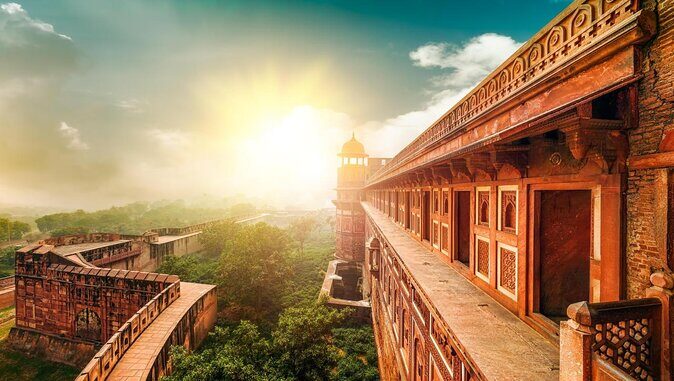
Once you’ve taken in Taj Mahal, the route continues with a visit to Agra Fort, another UNESCO site. The tour description says Agra Fort was constructed by emperor Akbar in 1565 and completed in about 8 years.
This stop adds a different flavor than Taj Mahal. Taj Mahal is romantic and monumental. Agra Fort is power and control—especially because the description mentions Shah Jahan spending his last years there as a captive under his son.
Inside, you’ll see key areas such as:
- Khas mahal
- Diwan e Aam
- Angoori garden
- Moti mosque
Admission is not included for Agra Fort, so again, plan for separate gate costs.
If you’re the kind of traveler who likes to connect stories, this pairing works well. You can feel how different parts of Mughal rule expressed themselves: in love architecture outside and in fortress planning inside.
The final stretch to Delhi Red Fort: finishing with craft and palaces
After Agra, you head back to Delhi and end with the Red Fort stop. This is described as a place worth seeing for its different palace areas and incredible inlay art workmanship.
The tour ends with a drive back to Delhi and drop-off at your destination. In other words, this isn’t just a “see Taj, then vanish” plan. You end the trip with a major Delhi monument, so you get closure in the capital rather than only returning to your hotel with a tired brain.
Dinesh Kumar’s style: flexibility plus execution
The biggest praise threads in the reviews center on the operator’s responsiveness and trust. One repeated theme is Dinesh Kumar being flexible and tailoring the tour to what people actually want, while still keeping everything on time.
That’s not a small thing in India. Touring works best when someone is coordinating the gaps: timing, transfers, hotel arrangement, and the human stuff that can go wrong when you’re coordinating long distances.
There’s also a detail worth noting from feedback: punctual, problem-solving support even for tricky timing situations. For example, one review describes a fast taxi arrangement for an early start around 5 AM when train tickets were an issue. That kind of “we’ll handle it” attitude is exactly what you want in a two-day itinerary, where missing one part can ripple into everything.
In practical terms, it’s a private tour too—your group participates together, not in a mixed crowd. That reduces the stress of “where is everyone?” and makes it easier to adjust within the day.
Price and value: what $249 covers and what you should budget
At $249 per person, you’re paying for the hard parts that are easy to mess up on your own:
- private A/C car with an expert driver
- gasoline, highway tax, parking, and state tax
- a tour guide
- 3-star hotel for one night with breakfast
- first-day buffet lunch
You’re also getting pickup support from your Delhi lodging or arrival points. That matters if you’re landing with luggage and want the day to start clean.
What’s not included:
- dinner
- video/camera fees
- monument entry fees (including Taj Mahal admission)
- tips for guide and driver
So the real value calculation is: you’re paying to avoid coordination chaos. Entrance tickets are the part that will vary most by current rates, season, and the monument list you prioritize on the day. The safest approach is to treat the listed price as the logistics bundle, then add gate costs plus a modest buffer for meals not included.
If you’re traveling as a couple or family and want a single plan that runs end-to-end, this is often cheaper than piecing it together once you price out car hire plus a guide plus hotel.
Who should book this Agra overnight tour
This tour fits best if you want:
- Taj Mahal at sunrise with less stress
- major UNESCO sights in a short time window
- a private setup with pickup and guide support
- an overnight stay that keeps the schedule humane
You also need moderate physical fitness, which matters because you’ll be walking through multiple heritage sites over two days.
It can be a great choice for first-time India travelers because it reduces the “figure-it-out” workload. It also works for families who want a guide to translate stories and keep the pace manageable.
If you hate early mornings, you might feel the squeeze—sunrise Taj is the heart of the itinerary. If you’re traveling on a Friday, you should also consider alternative planning due to the Taj Mahal closure.
Practical tips so your two days feel smooth
A few things can make this itinerary feel noticeably easier:
- Wear comfortable shoes. You’ll do real walking at multiple complexes.
- Plan for separate monument entry costs, since tickets aren’t included.
- Keep an eye on Friday travel if Taj Mahal is central to your trip.
- Expect weather dependence. If conditions are bad, you may need a date change.
Also, because the itinerary mentions flexibility and custom adjustments, it helps to tell your guide early what you care about most. If you want more time at Fatehpur Sikri or prefer a slower pace at Sikandra, it’s best raised at the start of the day rather than at the gate when time is tight.
Should you book it?
Yes—if you want a two-day Agra experience that’s built around the sunrise Taj Mahal moment and you also care about seeing more than just one monument. The included transport, guide, and one-night hotel with breakfast take the usual friction out of long-distance sightseeing.
I’d book it especially if you’re traveling with limited flexibility and want someone to coordinate pickup and the main UNESCO circuit. If you’re on a Friday or you’re trying to keep entrance-ticket spending ultra-low, you’ll want to do a quick check on your budget and alternative dates.
FAQ
How many days is the Agra Overnight Tour with 3 Star Hotel?
It’s listed as about 2 days in length and includes 1 night.
Where does the tour start in Delhi?
The meeting point is Indira Gandhi Intl Airport in New Delhi, and pickup can also be arranged from your hotel in Delhi or from the airport/railway station if you’re arriving.
What hotel is included?
The tour includes a 3-star hotel for one night, with breakfast included.
Which places are visited during the tour?
The included sights are Sikandra (Akbar’s Tomb), Fatehpur Sikri, Taj Mahal, Agra Fort, and the Red Fort.
Is the Taj Mahal entrance ticket included?
No. Taj Mahal admission is not included (and monument entry fees are generally not included in the tour).
What about other monument entry fees and camera/video charges?
Monument entry fees and video/camera fees are not included.
Is dinner included?
Dinner is not included.
Is the tour private or shared with others?
This is a private tour/activity, and only your group participates.
When is Taj Mahal closed?
Taj Mahal is closed on Friday.
Is there free cancellation?
Yes. You can cancel up to 24 hours in advance for a full refund. If you cancel less than 24 hours before, the amount paid will not be refunded. If it’s canceled due to poor weather, you’ll be offered a different date or a full refund.