REVIEW · SHILLONG
7 days kaziranga meghalaya tour package
Book on Viator →Operated by NorthEast Guide · Bookable on Viator
Waterfalls, caves, and a wildlife day in one week. This 7 days Kaziranga Meghalaya tour is built around iconic Meghalaya sights plus a Kaziranga national park safari day, with a women-first safety approach and clean, hygienic homestays. I like that the plan keeps moving without making you do mental math on tickets, timing, or transport.
You’ll also get real guidance, including a trekking guide for the walking moments, and practical inclusions like breakfast and private AC transport. One consideration: parts of the route require moderate physical fitness, and Kaziranga’s big add-on (the jeep safari) is not included, so budget a bit extra if you want that wildlife highlight.
In This Review
- Key highlights you’ll actually feel on the ground
- How this 7-day Kaziranga to Meghalaya route fits together
- Price and value: $566.64 isn’t just a number
- Getting from Guwahati airport to Meghalaya with less stress
- Umiam Lake and Laitlum: the gentle start that gets your camera ready
- Cherrapunji waterfalls and limestone caves: the day that makes Meghalaya famous
- Double Decker Living Root Bridge: the one hike you’ll plan for
- Mawlynnong and Dawki: clean village contrasts with river freedom
- Krang Suri Waterfall plus Kaziranga: two different kinds of wow
- Where guides like Amlan and Jeet make a difference
- What to pack and how to prepare (so Meghalaya stays fun)
- Should you book? My honest take
- FAQ
- What is the duration and price of the 7 days Kaziranga Meghalaya tour?
- Where does the tour start, and what time?
- What’s included in the package?
- Are lunch and dinner included?
- Is the Kaziranga jeep safari included?
- Are admission tickets included for the sightseeing stops?
- Do you offer pickup?
- How physically demanding is the tour?
- What is the cancellation policy like?
Key highlights you’ll actually feel on the ground
- Women-focused safety and support throughout the trip, including guidance before and during travel
- Clean homestays as your base, so you’re not hunting for basic comfort after long day drives
- A tightly packed Meghalaya circuit: waterfalls, caves, and the living root bridge all in one week
- Guided trekking support when the walking gets more serious
- Kaziranga safari as the main optional cost since jeep safari is listed as not included
How this 7-day Kaziranga to Meghalaya route fits together
This tour strings together two very different vibes: Meghalaya’s dramatic hills and sacred cave-and-water scenery, then Assam’s Kaziranga wildlife day. The value here is in the flow. You’re not bouncing between far-flung cities all on your own; you’re doing day-style outings from a base area, with a vehicle that’s already arranged and you can rely on for getting you back safely.
I also like that the experience is designed specifically for women. That changes the tone. You get safety and security attention, plus pre-trip and on-trip guidance. If you prefer travel that feels organized, with fewer decisions to make, this kind of structure is exactly what you want.
You can also read our reviews of more tours and experiences in Shillong.

Price and value: $566.64 isn’t just a number
At about $566.64 per person for 7 days (approx.), you’re paying for the “infrastructure”: AC vehicle, private transportation, breakfast, GST, and a trekking guide. That’s the stuff that usually costs real money when you book separately.
Here’s the practical catch: lunch and dinner are not included, and the Kaziranga jeep safari isn’t included either. So compare this tour to DIY travel by asking a simple question: would you otherwise pay separately for reliable transport plus guided help plus lodging with breakfast? If yes, the package starts looking fair.
Also note the small logistics benefits: pickup is offered, mobile tickets are used, and group discounts apply. Those details don’t sound exciting, but they reduce friction—especially on a route with lots of sightseeing stops.
Getting from Guwahati airport to Meghalaya with less stress
Your start point is listed at Lokpriya Gopinath Bordoloi International Airport (Borjhar), Guwahati, with a start time shown as 12:00 am. That tells me this is planned as a full-trip handoff: once you arrive, you’re not figuring out the first transfer.
Transportation is air-conditioned and private, so you’re not crowding into shared buses for hours at a time. The itinerary is also marked “near public transportation,” which can matter if you ever need an easy fallback plan. And because the tour includes guidance before and during the trip, you’re less likely to lose time asking basic questions on the go.
Umiam Lake and Laitlum: the gentle start that gets your camera ready
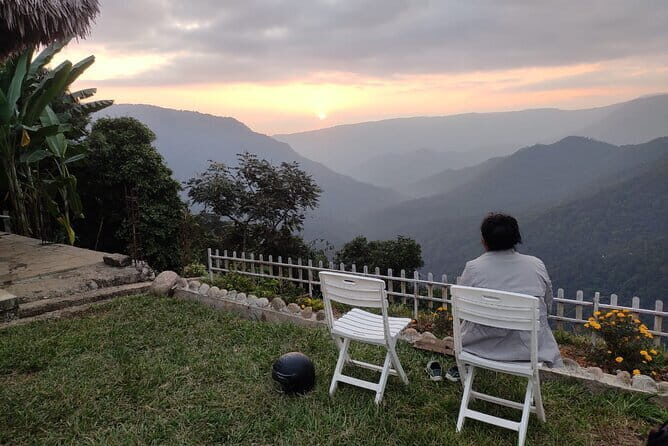
Day 1 begins with Umiam Lake, a calm lake stop right before reaching Shillong. It’s listed as about 1 hour, and entry is shown as free. This is a smart warm-up. You don’t want your first day to be a sprint of hills and stairs; you want a scenic breather while your body clocks in to the trip.
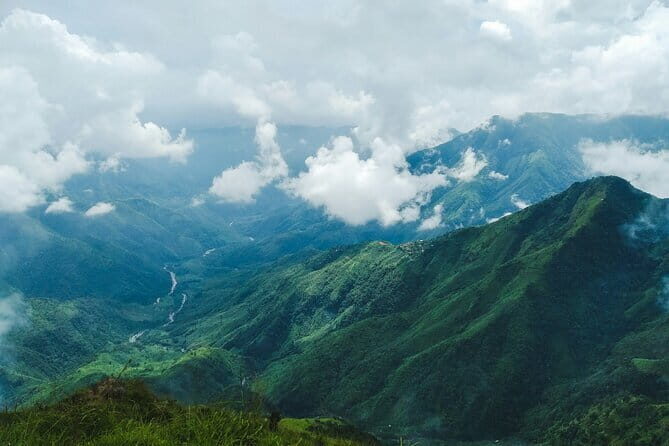
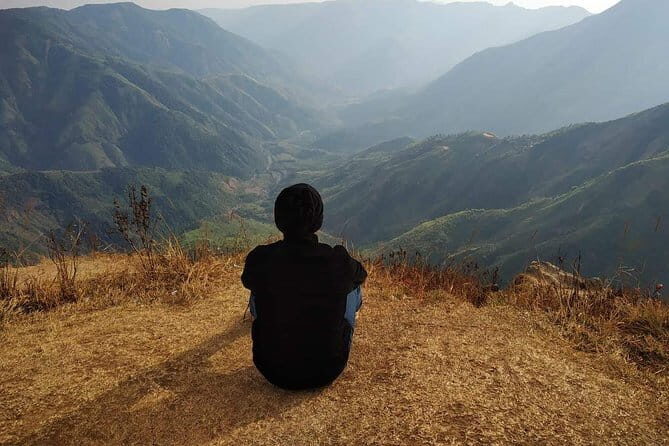
Next comes Laitlum Canyons, about 2 hours. The meaning given for Laitlum is End of Hills, and honestly, that fits the mood: you stand near the edge and look out into open air, where the viewpoint does most of the work. This stop is good for slow walking and photos, but keep an eye on your footing—canyon edges can be tricky if it’s damp or crowded.
A shorter stop follows: Mawkdok Dympep Valley for around 30 minutes. It’s labeled as hills views, which makes it a quick hit. Use it to stretch your legs and reset before the longer, more structured sightseeing blocks.
Cherrapunji waterfalls and limestone caves: the day that makes Meghalaya famous
Your schedule really leans into classic Meghalaya here: Nohsngithiang (Seven Sisters) Falls, Mawsmai Cave, Nohkalikai Falls, and Arwah Cave.
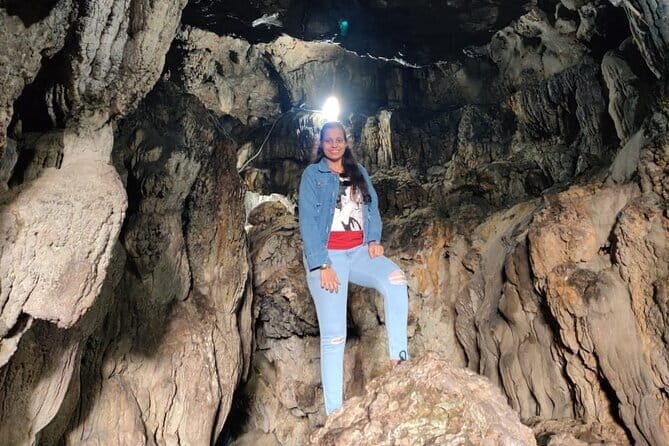
First, Seven Sisters Falls in Cherrapunji takes about 1 hour. It’s all about waterfall drama without a huge time commitment. Then you move into caves—Mawsmai Cave for about 2 hours—which gives you a different kind of Meghalaya moment. A cave visit changes the rhythm: you trade sky-view for texture, stone formations, and that slightly cooler indoor air.
Then comes Nohkalikai Falls, listed as about 2 hours and described as the tallest plunge waterfall in India. That title is exactly why you’ll want to arrive with time and patience. Plan for changing light and viewpoints, because waterfall scenes can look very different depending on how the mist behaves that day.
After that, Arwah Cave takes around 2 hours and is described as Meghalaya’s most famous caves. This is the point where the trip turns from “pretty nature stops” into “cultural and geological Meghalaya.” If caves are your thing, this day is a strong payoff.
A possible drawback here: it’s a lot of “big feature” sightseeing back-to-back. If you’re someone who likes long sit-down breaks, build in your own pauses in between stops (snacks, water, and slow breathing). The itinerary is packed, but you can still travel smart within it.
Double Decker Living Root Bridge: the one hike you’ll plan for
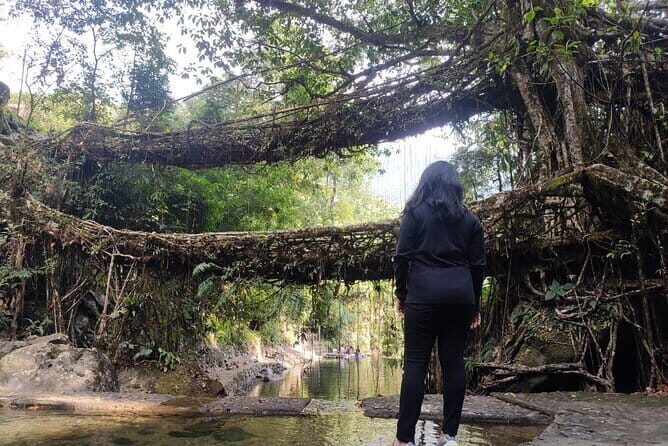
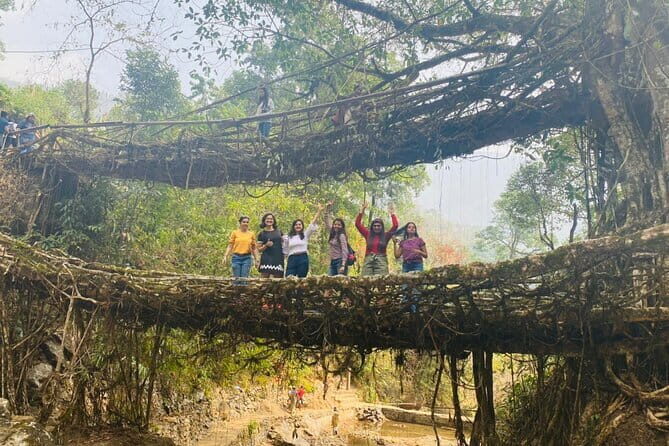
The highlight trekking moment is the Double Decker Living Root Bridge. You’ll do a trek that’s described as 3500 steps, with about 5 hours set aside. Entry is listed as free, which helps, but the time cost is real.
This is where the trekking guide matters. You’re not just walking for views; you’re walking through a living system—roots trained and grown into functional bridge structures over time. That “working landscape” feeling is hard to fake, and it’s exactly why many people remember this part even months later.
Because you’re on a step count and a multi-hour trek, you should go in with practical expectations:
- Wear shoes you can trust on uneven ground.
- Bring a rain plan. The tour notes that it requires good weather, and Meghalaya can shift fast.
- Pace yourself early. The middle of the trek is where people slow down.
Mawlynnong and Dawki: clean village contrasts with river freedom
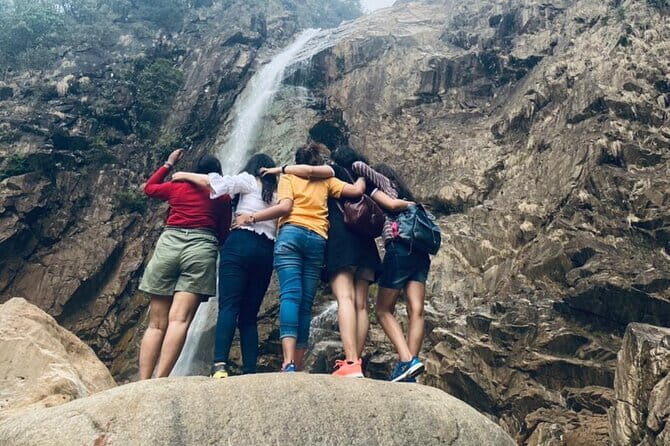
After the living root bridge effort, you get a change of pace at Mawlynnong Village, described as the cleanest village in Asia, about 2 hours. This is one of those stops that feels like a calm reset after hiking. You’ll likely notice how the village is kept and how visitor rules help keep the place respectful. If you like travel that blends natural beauty with community care, this works.
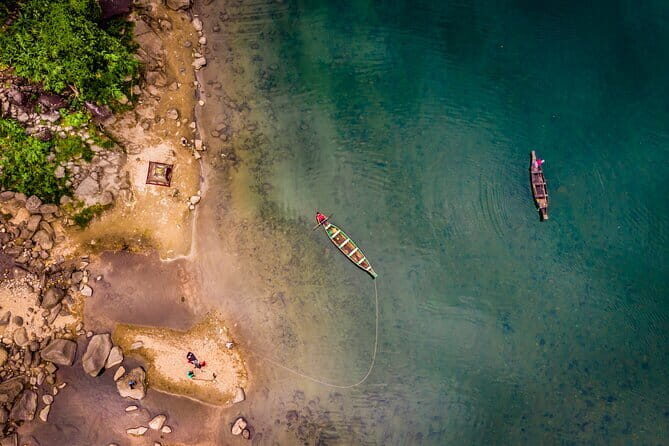
Then you head to Dawki River for about 5 hours, with listed activities like boating, kayaking, cliff jumping, and swimming in Shnongpdeng. This is the “do something” day. The time budget is generous, so you can choose what fits you and your comfort level. Just remember: water-based plans depend heavily on conditions—so if it’s rough or weather shifts, your best move is to follow your guide’s practical guidance.
From a value standpoint, this is also why you may want to pack flexibility. If you’re happy to do one or two water activities, you’re set. If you’re chasing every option, you might find yourself spending extra time deciding in the moment.
Krang Suri Waterfall plus Kaziranga: two different kinds of wow
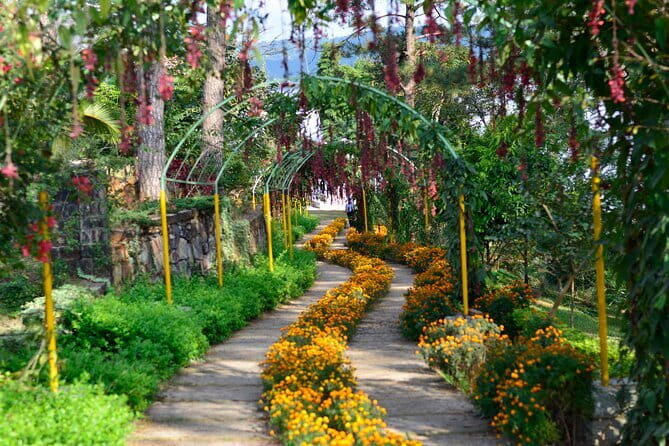
Krang Suri Waterfall is about 2 hours and described as magical. That wording is common, but the practical point is: waterfall stops are usually the kind that reward staying present. Even if you’ve seen a few falls already, each one has its own setting and flow.
Then the trip lands on Kaziranga National Park in Assam. You’ll have about 4 hours for this segment, and it’s specifically described as a jeep safari into the park. Here’s the important part for your budget: the jeep safari is listed as not included. So you’ll want to plan for that cost separately if wildlife viewing is the reason you booked.
Still, the safari time block matters. It’s not just a quick pass-through. You get dedicated time for the experience, which usually requires timing and route changes based on what the park is doing that day.
Where guides like Amlan and Jeet make a difference
This tour’s organization is one of the biggest selling points. The planning work is described as very professional, and names like Amlan and Jeet show up in the way the trip gets executed—especially when things need to be handled fast or adjusted.
What does that mean for you? Less waiting, smoother transfers, and fewer moments where you’re stuck trying to solve problems while everyone else is ready to move on. And because the tour includes guidance during the trip, you’re not just being transported—you’re being directed.
That also explains why people talk about getting things done efficiently. The team coordination can help you fit in meaningful moments when schedules allow, instead of treating every day like a rigid checklist.
What to pack and how to prepare (so Meghalaya stays fun)
Since the tour includes a long trek and multiple waterfall/cave days, pack like the weather is your wild card. You should assume cool mornings, damp conditions, and sudden changes are possible.
Practical checklist:
- Comfortable walking shoes for steps and uneven paths
- A rain layer or poncho for waterfall regions
- Light layers you can adjust
- A small day bag for essentials (water, snacks, phone)
- Swimwear only if you’re ready to do water activities in Dawki
Also keep your fitness at “moderate.” That’s not about being athletic; it’s about being comfortable doing a long walk and managing stairs and slopes.
Should you book? My honest take
Book this tour if you want a women-first travel style, clear planning, and a tight one-week itinerary that hits major Meghalaya sights plus Kaziranga. It’s especially worth it if you’d rather pay for organized transport, clean homestay comfort, and guided support than assemble it all yourself.
Don’t book it if you’re hoping for an unhurried pace every day. This route is packed, and the Double Decker Living Root Bridge trek is a commitment. Also remember: Kaziranga jeep safari is not included, so factor that into your total budget.
If the weather is good and you’re ready for active days, this is a strong value way to experience Assam wildlife energy and Meghalaya’s waterfalls, caves, and living root-bridge engineering in one go.
FAQ
What is the duration and price of the 7 days Kaziranga Meghalaya tour?
The tour is listed as 7 days (approx.) and the price is $566.64 per person.
Where does the tour start, and what time?
The meeting point is Lokpriya Gopinath Bordoloi International Airport (Borjhar), Guwahati, Assam, and the start time is listed as 12:00 am.
What’s included in the package?
Breakfast, an air-conditioned vehicle, private transportation, a trekking guide, and GST are included.
Are lunch and dinner included?
No. Lunch and dinner are not included.
Is the Kaziranga jeep safari included?
No. Jeep safari in Kaziranga National Park is listed as not included.
Are admission tickets included for the sightseeing stops?
Admission tickets are listed as free for the stops mentioned in the itinerary.
Do you offer pickup?
Yes, pickup is offered.
How physically demanding is the tour?
You should have a moderate physical fitness level. The Double Decker Living Root Bridge trek is the most demanding part.
What is the cancellation policy like?
It’s non-refundable and cannot be changed for any reason. If canceled due to poor weather, you’ll be offered a different date or a full refund. If the minimum number of travelers isn’t met, you’ll be offered a different experience/date or a full refund.
If you’d like, tell me your travel month and group size, and I’ll help you sanity-check whether this plan matches your pace and what you should budget for the Kaziranga safari.