REVIEW · NEW DELHI
14 Nights 15 Days Exclusive Rajasthan Tour with Taj Mahal
Book on Viator →Operated by Indian Travel Online · Bookable on Viator
Rajasthan without the hassle feels doable. This 15-day route ties together Delhi, Rajasthan forts, and the Taj Mahal with private-car transfers and an organized, steady pace.
I like the way this trip balances big-name sights with smaller regional stops, like Mandawa’s painted havelis and Bikaner’s Junagarh Fort. I also like that you get breakfast included for 14 mornings and a driver who handles logistics end to end. One thing to plan for: monument entry tickets and camera fees are not included, so your budget needs a little buffer.
In This Review
- Key highlights I’d plan around
- Private Delhi to Rajasthan driving with a plan you can trust
- Day 1 in Delhi: orientation days are worth it
- Mandawa and the Shekhawati art trail: slow down on purpose
- Bikaner’s Junagarh Fort: where the details do the talking
- Jaisalmer’s Golden Fort and living havelis
- Jodhpur: Mehrangarh Fort views plus a clock-tower evening
- Eklingji and Nagda temples to Kumbhalgarh Fort
- Ranthambore: two safari sessions and a fort on the side
- Agra and Taj Mahal: the day you’ll remember
- Finishing in Delhi with a fast sights hit
- Price and value: what $1,599.67 really buys you
- Practical tips so the schedule doesn’t kick you
- Should you book this 15-day Rajasthan tour with the Taj Mahal?
- FAQ
- What is the duration and route of this tour?
- Where do I start and when does it start?
- What’s included in the price?
- What is not included?
- How do you handle transportation between cities?
- Is there safari time in Ranthambore?
- What is the cancellation policy?
Key highlights I’d plan around
- Private-car transfers across a long loop, so you’re not wasting time on confusing connections
- Breakfast for 14 days, which keeps mornings smoother on road-trip days
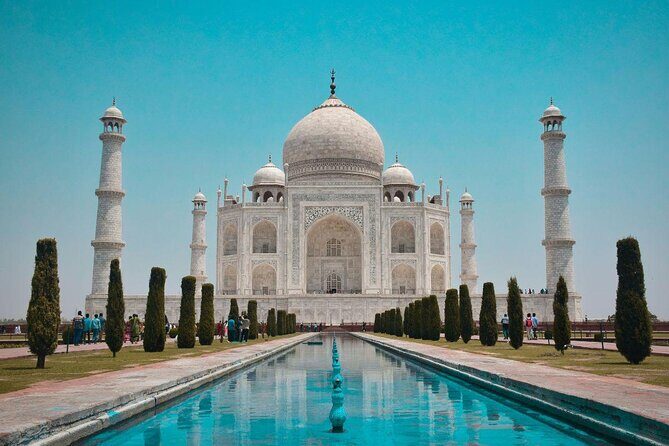
- Taj Mahal day in Agra, plus a stop at marble inlay work for context on how souvenirs are made
- Two Ranthambore safari tries (morning and afternoon) for better wildlife chances
- Desert sunset in Sam Sand Dunes after Jaisalmer’s fort and haveli visits
Private Delhi to Rajasthan driving with a plan you can trust
This tour is built for people who want Rajasthan’s highlights without turning the trip into a do-it-yourself project. You start in Delhi, then move city to city by private car with a driver, with tolls, parking, fuel, and the driver’s allowance covered. That matters, because the real cost of “cheap” tours is often time, stress, and missed connections.
The other big plus is the personal touch. In feedback I’ve seen for this operator (Indian Travel Online), the owner/host and the driver are described as friendly and helpful, and one name that comes up is Ajay Verma, who has been noted for meeting guests on pickup time and explaining the plan clearly. That kind of communication sounds small, but it’s huge in India, where your day can fall apart fast if details are fuzzy.
You’ll also want to remember the group setup: it’s described as a private tour where only your group participates, plus group discounts. That usually means fewer surprises and a more consistent schedule—less waiting, more doing.
You can also read our reviews of more tours and experiences in New Delhi.



Day 1 in Delhi: orientation days are worth it
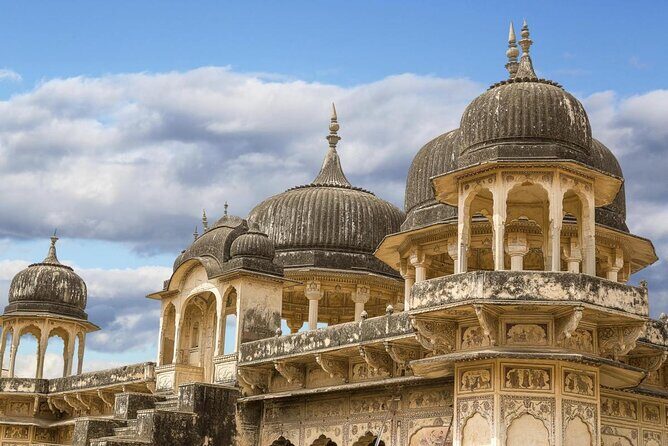
Delhi can feel like sensory overload if you land and immediately start sightseeing. Here, you’re met after arrival at Delhi’s railway station or airport, transferred to your hotel, and then given a first-day loop that covers major landmarks: Rashtrapati Bhawan, Parliament House, Jantar Mantar, and India Gate.
I like this kind of start because it helps you get your bearings fast—like, where are you in relation to everything else? Even if you’re not going inside every building (entry fees are not included), the first-day mix gives you a sense of Delhi’s layout and style.
Practical note: this day is largely orientation and city sightseeing, so don’t treat it like a “deep museum” day. You want energy for tomorrow’s drive.
Mandawa and the Shekhawati art trail: slow down on purpose
After breakfast you check out and drive to Mandawa, arriving with time for an afternoon sightseeing tour of the fort and the town’s famous havelis (merchant houses). Mandawa is in the Shekhawati region, known for those painted facades that look like they’re narrating local history right onto the street.
What I like here is that Mandawa gives you a different Rajasthan vibe than the big forts in the major cities. It’s quieter and more visual. You’re not just chasing grand scale; you’re looking at details—carvings, painted scenes, and the way architecture reflects trade wealth.
Possible drawback: road travel is part of the deal. If you’re the type who hates sitting in a car, this is still one of the calmer stops, but you’ll still want to pack water and something to keep you comfortable during the drive.
Bikaner’s Junagarh Fort: where the details do the talking
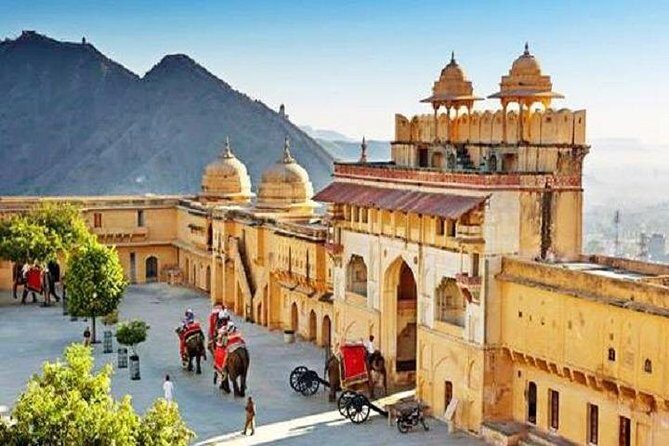
Bikaner is a desert trade town (wool, carpets, blankets, salt, grain—business that shaped the city). You get a free day after arrival, which is a smart move because Bikaner is the kind of place where it’s nice to just wander for a bit.
Then you spend a full day at Junagarh Fort, built in 1593 by Raja Rai Singh. This is the fort that rewards slower attention: it has a long rampart with bastions and entrances, and a collection of palaces and halls inside the complex (like Ganga Niwas, Rang Mahal, Anop Mahal, and others). The fort also includes the Har Mandir shrine and the Karnimata Temple area at Deshnok.
I particularly like forts that feel like a self-contained world. Junagarh has enough variety that you won’t feel like you’re repeating the same view every 10 minutes. It also tends to be easier to appreciate than rushed “tick-the-box” sightseeing.
If you’re prone to temple-fatigue, this is the one place where you’ll want to pace yourself. Forts plus shrines can be a lot in one day, even when the sites are excellent.
Jaisalmer’s Golden Fort and living havelis
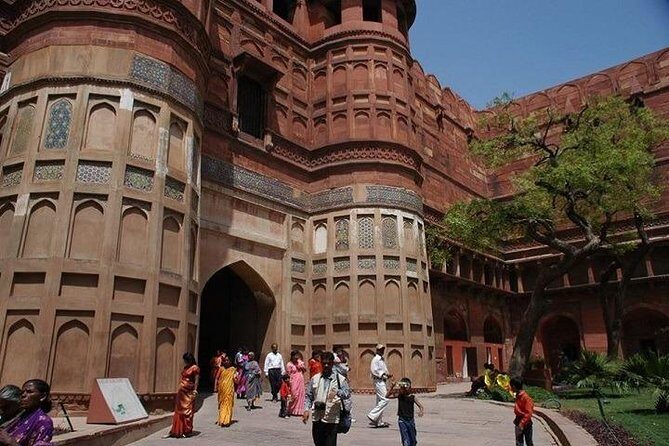
Jaisalmer is all about warm tones and old-world craft. You visit the Jaisalmer Fort, famously built from yellowish “golden lime stone,” and then move into the haveli circuit: Patwon-ki-Haveli, Nathmal-ki-Haveli, and Salim Singh-ki-Haveli. A key detail in your itinerary is that people still live in these structures, dating roughly from the 12th to 15th centuries. That changes the feel. You’re not just looking at abandoned monuments.
You’ll also stop at Gadisar Lake, then head out to the Sam Sand Dunes for sunset in the Thar Desert. Sunset makes people sentimental for a reason: the light changes quickly, and the desert looks different every few minutes. It’s one of those “travel postcard” moments that still feels real when you’re there.
One consideration: desert time can be chilly after sunset. The itinerary doesn’t spell out weather gear, so bring layers even if you think it’ll be warm.



Jodhpur: Mehrangarh Fort views plus a clock-tower evening
From Jaisalmer you drive to Jodhpur and get a half-day city setup: markets, plus an evening visit to the Clock Tower area. Then on the next day you go deep into Mehrangarh Fort on its sandstone hill.
Mehrangarh includes spaces like Moti-Mahal and Phool Mahal, plus Jaswant Thada (marble memorial built in 1899) and the museum located in Umaid Public Gardens. This is a classic Rajasthan combo day: fort scale, marble detail, then a more garden-and-museum feel.
What I like about placing Jodhpur in the middle of the journey is that it breaks up the desert-to-fort rhythm. You get a city evening that feels more everyday than the earlier haveli streets.
If your schedule feels packed, don’t fight it. Pick one “anchor” spot—Mehrangarh—and let the rest be a bonus.
Eklingji and Nagda temples to Kumbhalgarh Fort
This is one of the more interesting day transitions in the plan. You drive to Kumbhalgarh, and en route you visit Eklingji temples, including the Eklingji Shiva temple (original structure dated to 734 A.D.) and nearby Nagda temples. The temple complex is described as having around 70 temples, so even if you don’t tour every single shrine, you get that sense of scale and devotion.
Then you reach Kumbhalgarh Fort, listed as the second most important fort in Rajasthan. It’s on the banks of the Banas River, surrounded by 13 mountain peaks, and reinforced with watchtowers and rounded bastions. There’s also a Kumbhalgarh Wildlife Sanctuary around the fort, and the itinerary notes a safari option at your own cost.
This day is valuable because it gives you both sacred architecture and dramatic fort geography. It’s not just “pretty views.” The setting is part of the story: the fort is built into the terrain, and that makes the walls feel more powerful.
If you love wildlife and you’re planning the optional safari, factor in energy and time. If you skip it, you’re still getting an excellent fort day.
Ranthambore: two safari sessions and a fort on the side
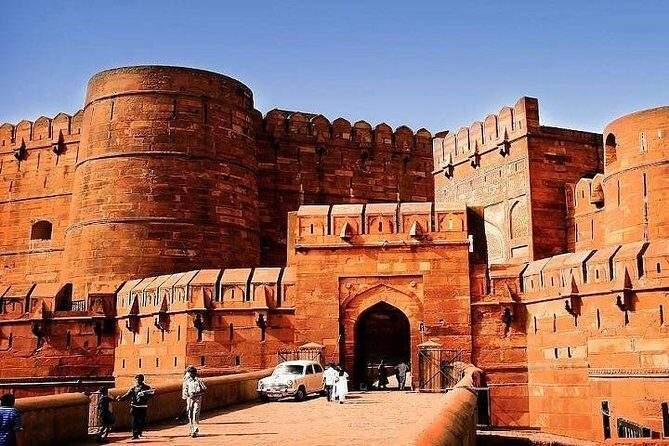
You transfer to Ranthambore and check in, then head to the Ranthambore Fort, built in 994 A.D. and located about 200 meters above sea level on a high creek.
The next day is the main event: morning and afternoon jungle safari in Ranthambore National Park by Jeep / Canter (at your own cost). The itinerary doesn’t guarantee specific sightings (no national park does), but two safari tries are a smart move if you’re traveling for wildlife rather than just scenery.
Here’s what you should count on: early starts, a lot of waiting for your driver/guide to position the jeep, and long stretches of looking through the trees for movement. If you’re patient, you’ll enjoy it. If you need constant action to stay entertained, plan to bring snacks and stay mentally flexible.
Also, since safari fees are not included, you should budget for them separately when deciding if this tour is worth it for you.
Agra and Taj Mahal: the day you’ll remember
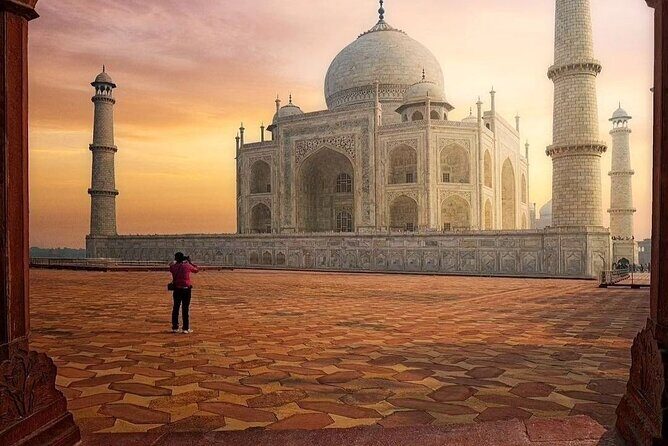
On the way to Agra, you stop at Sikandara, the mausoleum of Emperor Akbar. Then you arrive in Agra and get an afternoon visit to the Taj Mahal, described as built by Emperor Shah Jahan for Mumtaz Mahal.
You’ll also visit marble inlay making factories to see traditional workers creating marble crafts. I like this add-on when it’s done as part of a bigger cultural context, because it helps you understand what you’re seeing in tourist shopping afterward. You’re not just buying objects—you’re seeing a process.
A Taj Mahal day can be emotionally intense because the place is famous for a reason. I’d still suggest you manage your expectations and focus on what you can actually control: your timing, your photos, and keeping your energy for the walkways.
One practical point: entry tickets and camera charges are not included in the package price. If photography matters to you, plan your money accordingly.
Finishing in Delhi with a fast sights hit
You drive back to Delhi for a final day and check into a hotel again. The itinerary leaves the rest of the day at leisure for shopping, which is helpful because road trips can run your energy low and you’ll want a buffer.
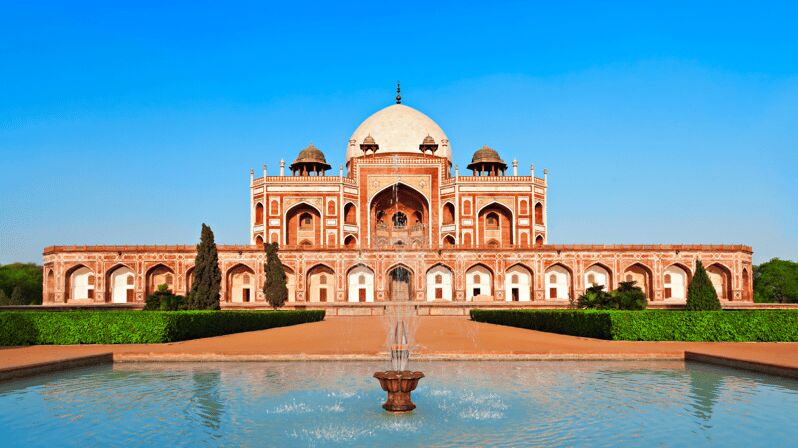
Then you have a final sightseeing loop before your drop to the airport or railway station: Jama Masjid, Red Fort, Humayun’s Tomb, Lotus Temple (Bahai), and Qutub Minar.
This is a lot for one day, and that’s the one place you might feel the pressure. Without entry-ticket details included, your experience here will depend on what you’re able to see during the time window. The good news: this list covers major Delhi icons, so even partial views still give you a satisfying close.
Price and value: what $1,599.67 really buys you
At about $1,599.67 per person, the value of this tour comes from the fact that you’re getting a long-distance itinerary handled end to end. You’re paying for 14 nights of double-sharing accommodation, private car transfers with driver costs covered, plus breakfast for 14 days. That’s not just transportation—it’s the comfort of not negotiating or hiring vehicles city by city.
Where the price doesn’t stretch as far is in the ticketed attractions and meals. Monument entry tickets and camera use charges are not included, and lunch/dinner and personal expenses are on you. Safari is also at your own cost for Ranthambore.
So here’s the math you should do before booking: if you already know you’ll want to pay for safari sessions and you’re okay adding entry tickets and lunches, the package can feel fair. If you’re trying to travel ultra-budget with minimal extra fees, you’ll likely end up paying similar costs anyway—just with less predictability.
Practical tips so the schedule doesn’t kick you
A few logistics points from the plan that matter in real life:
- Start time: the experience is listed to start at 9:00 am, so plan for an early morning routine on Day 1.
- Comfort items help: you’ll be in a car for long stretches across Rajasthan. Bring water, sun protection, and layers for evenings like the desert sunset.
- Save time for photography: camera charges aren’t included, so check what you’ll need before you get there.
- Keep energy for safari day: two safari sessions sound fun, but they can also be tiring with waiting time.
If you like the idea of a structured route with a friendly driver and a schedule that keeps moving, this tour fits well. If you want total free time or museum-level deep dives, you may find the pace brisk—especially around Delhi and Taj Mahal day.
Should you book this 15-day Rajasthan tour with the Taj Mahal?
I’d recommend booking if you want: a mostly worry-free road trip, a clear route from Delhi through desert forts to Agra, and strong chances to see wildlife with two Ranthambore safari tries. The private-car setup and breakfast inclusion are the big value drivers, and the personal service vibe—especially around on-time pickup and clear explanations from the operator side—makes a difference on a first trip to India.
I wouldn’t book if you’re trying to keep costs extremely tight with no added ticketing and safari fees, or if you prefer slower travel with lots of unscheduled time. This itinerary moves, and the best parts come from following the plan closely.
FAQ
What is the duration and route of this tour?
It’s a 15-day tour with 14 nights. The route starts in New Delhi, includes multiple Rajasthan stops, and ends back in Delhi.
Where do I start and when does it start?
The meeting point is in New Delhi, with the start time listed as 9:00 am.
What’s included in the price?
The package includes 14 nights accommodation on a double sharing basis, all transfers and sightseeing by private car, tolls/parking/fuel/driver allowances, hotel-related transport taxes, GST and government taxes, arrival assistance, and breakfast for 14 days.
What is not included?
Not included are entry tickets for monuments, camera use charges, lunch and dinner, and personal expenses like drinks, laundry, and other personal costs.
How do you handle transportation between cities?
All transfers and sightseeing are included by private car with a safe and reliable driver, along with tolls, parking, fuel, and driver allowances.
Is there safari time in Ranthambore?
Yes. The itinerary includes morning and afternoon jungle safari in Ranthambore National Park by Jeep/Canter, and it’s listed as at your own cost.
What is the cancellation policy?
Free cancellation is available. You can cancel up to 24 hours in advance for a full refund, based on the experience’s local time.