REVIEW · NASHIK
Walking tour of historic Old Nashik and Panchwati
Book on Viator →Operated by Nashik Heritage Trails · Bookable on Viator
Old Nashik feels best on foot. This small-group walking tour takes you into narrow lanes where cars are no help, and your guide, Amrita, connects temple scenes with street-level stories and local context. I love the way the route is planned for real walking, though there’s a real chance you’ll feel it if you’re not used to uneven old-city lanes.
My other favorite part is the built-in comfort: misal-paav plus kadak chai keep the morning rolling, and the State Archaeology Museum entrance fee is included, so you can focus on the sights instead of timing tickets and searching hours.
In This Review
- Key things that make this walk worth your time
- Old Nashik on foot: why this 2.5-hour plan works
- Starting at Shree Kalaram Mandir in Panchavati (8:00am)
- The real star is the network of narrow lanes and wadas
- Temple stops: Kala Ram, Goraram, Na Ro Shanker Shiva, and Rama Kund
- State Archaeology Museum: the break that adds meaning
- Godavari riverbank and riverside promenade moments
- Snack-and-tea fuel: misal-paav and kadak chai
- Ending at Saraf Bazar Road: a natural place to shop
- Misal, museum entry, and a 10-person guide: value check for $24
- Who should book this walk (and who might skip it)
- Weather, timing, and comfort tips for this old-city route
- Should you book this tour?
- FAQ
- FAQ
- How much does the Old Nashik and Panchwati walking tour cost?
- How long is the tour?
- What time does the tour start?
- What is the group size limit?
- What’s included in the price?
- Where does the tour start and end?
- Is private transportation included?
- Is the walking portion suitable for most people?
- What happens if the weather is poor?
Key things that make this walk worth your time
- Small group cap (max 10), which makes it easier to ask questions and stay together in tight lanes
- Amrita’s story-first guiding style, mixing facts with local folklore so stops feel alive
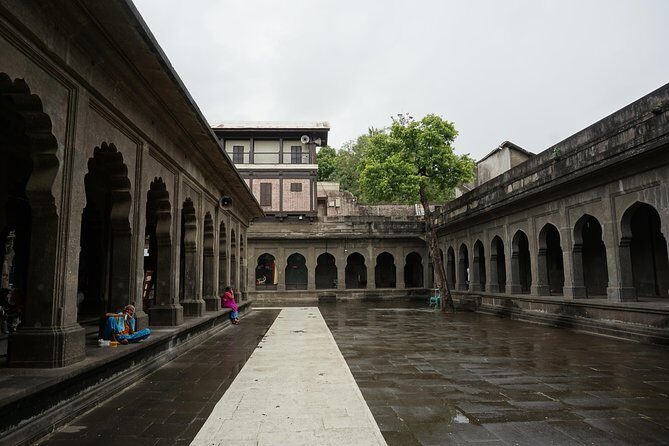
- Wadas, century-old housing complexes, plus medieval temples you only reach by walking
- Museum entry included, which adds context without extra planning
- Godavari riverside promenade on the route, giving you a breather beyond temple walls
- Start-to-finish snack support, with misal-paav and strong kadak chai included
Old Nashik on foot: why this 2.5-hour plan works
Old Nashik isn’t really a place you “do” from a car window. The best parts are in the gaps—tight turns, low doorways, old courtyard entrances, and temple corners that feel like they belong to the neighborhood, not to a tourist route.
That’s exactly why this walk fits so well: it’s short enough to keep your morning sharp, but structured enough to cover the kinds of sights that people usually miss when they only hop between big landmarks. With a maximum of 10 people, you’re not fighting the crowd. You move through the old city in a small cluster, with enough breathing room to notice details.
And you get a very practical blend of stops: religious landmarks, older residential architecture (the wadas), and a museum break. It’s not just sightseeing—it’s a way to get your bearings fast before you wander on your own later.
You can also read our reviews of more tours and experiences in Nashik.
Starting at Shree Kalaram Mandir in Panchavati (8:00am)
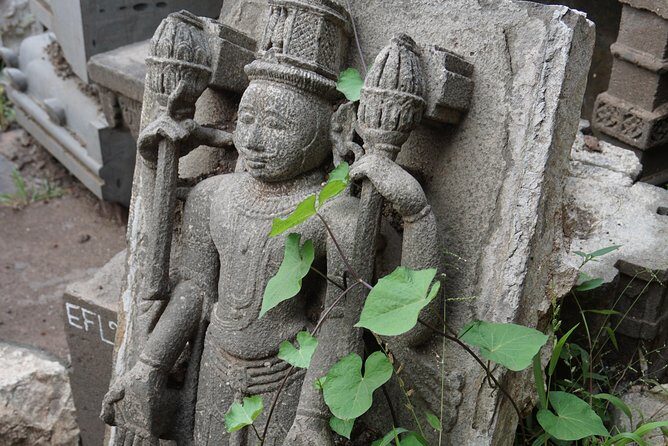
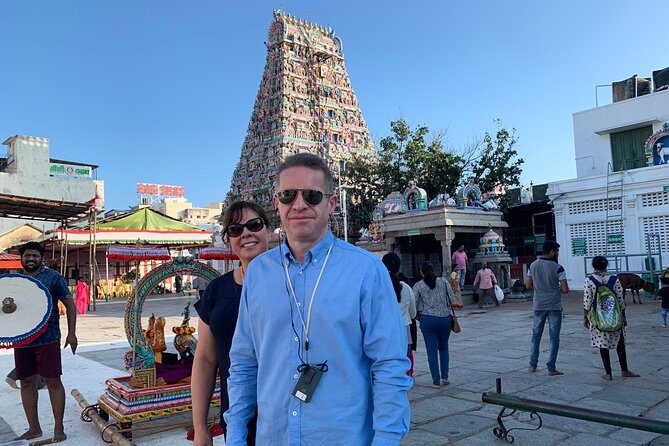
The tour begins at Shree Kalaram Sansthan Mandir near the Kalaram Temple East door, in Panchavati. The meeting address is detailed on the ticket so you can find the East-side entrance area. The early start time matters. At 8:00am, you’re typically walking before the day fully warms up and before the lanes feel packed.
Reaching the start point is easiest by cab or rickshaw because bringing a private vehicle into the old-city area is described as a hassle. If you’re using app cabs like Ola or Uber, they’re available around town. If you prefer a simpler approach, the start point is one of those places where local drivers tend to know where you mean—auto rickshaw drivers commonly recognize the landmark.
There’s also an option to arrange hotel pickup and drop for extra charges. That’s useful if you don’t want to think about getting to a starting lane.
Bottom line: you’ll want to plan your approach to the first stop so you start the walk calm, not rushed.
The real star is the network of narrow lanes and wadas
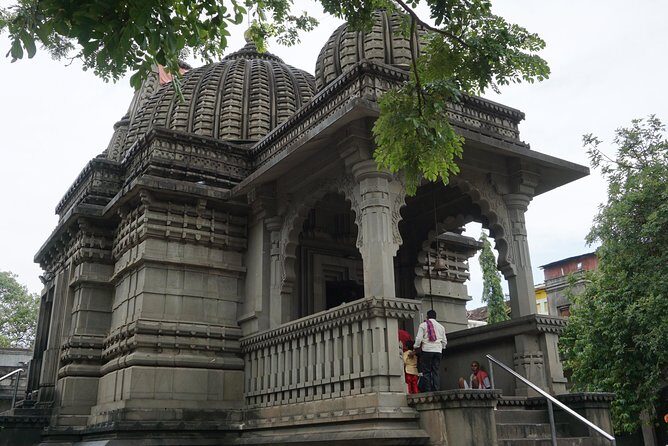
After you meet, the route quickly becomes the point. This walk is designed around terrain and foot access: narrow lanes, small temple pockets, and older wadas—historic housing complexes—that you just can’t see from the main roads.
These wadas are what I’d call “slow architecture.” They aren’t trying to wow you with size. Instead, they reward attention: transitions between street and courtyard, carved details on older building fronts, and the sense that these places have been used for generations. When you walk through an area like this with a guide who knows the backstories, the buildings stop looking like random old walls and start looking like part of a living pattern.
A gentle caution: this kind of walking means you’re on your feet for a solid stretch. The tour is marked for moderate physical fitness, so it’s not the right choice if you want long stretches without movement or if stairs and uneven sections will be a problem for you.
Temple stops: Kala Ram, Goraram, Na Ro Shanker Shiva, and Rama Kund
The walking tour’s temple rhythm is one of the reasons it earns its high ratings. You start at the Kala Ram Temple area, which is widely recognized in Nashik, and then you move through other nearby spiritual sites.
The names you’ll hear during the walk include:
- Goraram (another temple stop on the route)
- Na Ro Shanker Shiva temple
- Rama Kund
What’s valuable here isn’t just ticking off names. It’s the context you get as you move from one site to the next. Temple stops in Old Nashik are tied to local patterns—how people gather, how the area flows, and why specific spots matter in the everyday life of the neighborhood.
If you’re the kind of traveler who likes to know what you’re looking at, this is where the guide shines. Reviews specifically call out Amrita’s ability to connect facts and folklore, and you can feel that kind of storytelling in how stops are explained rather than simply announced.
One more practical note: temples can mean early morning bustle and changing foot traffic. Since you’re walking as a small group, you’ll stay coordinated better than you would if you were trying to navigate the old streets alone.
State Archaeology Museum: the break that adds meaning
A lot of walking tours skip the “so what” moment. This one includes a stop at the State Archaeology Museum, and the entrance fee is included.
That matters for two reasons. First, it saves you money and avoids the time sink of figuring out ticket logistics during a busy day. Second, museum time helps you connect outdoor impressions with indoor context. When you see older places and then get a structured stop to see the past in a museum setting, it tends to make everything outside feel more anchored.
You shouldn’t expect the museum to replace the rest of the walk; think of it as a reset button. It gives you a chance to slow down, look at objects or displays, and come back to the streets with sharper questions.
Godavari riverbank and riverside promenade moments
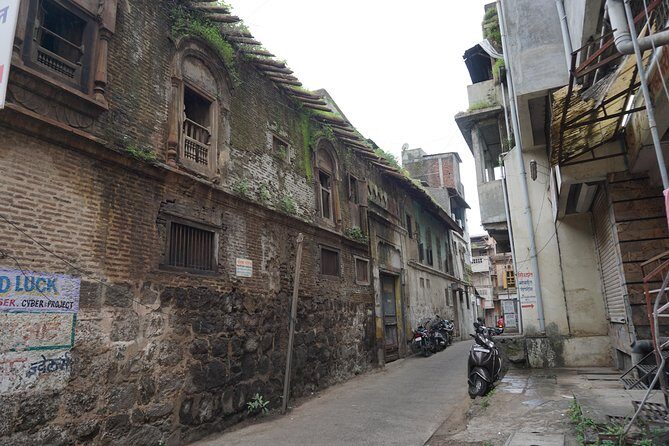
This walk also includes time along the Godavari riverbank and a riverside promenade segment.
Even if you’ve never planned a trip for river views, this portion works because it breaks the pattern of mostly temple and stone. You get a different kind of scenery and a visual sense of how the city relates to the river—where the daily rhythms would naturally gather.
It’s also a helpful contrast for photos. Temple entrances and old street corners give you tight, textured images, while the riverbank and promenade provide wider angles and breathing space.
If you’re visiting during a season when the area feels more festive, you might see extra motion around temples. One review highlighted that a visit during the Ganesh festival period made the day feel even more exciting. That’s not guaranteed, but it’s a reminder that Old Nashik is very much alive, not frozen for visitors.
Snack-and-tea fuel: misal-paav and kadak chai
One of the most practical strengths of this tour is that it feeds you.
Snacks included are misal-paav plus a cup of steaming hot kadak chai, described locally as strong tea. That’s not a small detail. A 2.5-hour walking tour can feel longer once you factor in time spent crossing between lanes, pausing at stops, and absorbing stories. Having food and tea built in helps you keep your energy steady without hunting for a café in the old lanes.
Also, if you’re sensitive to spicy food, misal can be intense. The tour includes it, so the best move is to go in ready for local heat and strong flavors—or pace yourself if you’re cautious.
Ending at Saraf Bazar Road: a natural place to shop
The walk finishes on Saraf Bazar Road, at Saraf Bazar near the end point described as one of the iconic heritage buildings of Old Nashik.
This ending location is smart because it turns the tour into momentum. Instead of ending in a random street corner miles from everything, you finish in an area known for shopping and heritage vibes. After the tour wraps, you can spend extra time in the old area shopping if you want.
Practical tip: if you plan to buy souvenirs, keep your purchases in mind while you still have temple stops ahead. The lanes can be tight and you’ll want to carry less as you go.
Misal, museum entry, and a 10-person guide: value check for $24
At $24 for about 2 hours 30 minutes, the value is strong because the tour isn’t only about walking. You get:
- a guide through Old Nashik’s pedestrian-only streets
- snacks (misal-paav) and kadak chai
- entrance fees to the State Archaeology Museum
- a mobile ticket (so you’re not scrambling for paper)
When you travel in India’s old cores, costs often sneak up on you: short rickshaw hops, museum tickets, and food breaks. This tour bundles several of those needs into one morning.
You’re also buying something harder to price: direction. Old Nashik’s lanes can be confusing if you’re trying to map everything on the fly. A guide like Amrita turns the walk into a guided route with reasoning behind it, not just a checklist.
The one thing you should note is what’s not included: private transportation. So if you want a chauffeured, door-to-door experience, you’ll need to add that yourself.
Who should book this walk (and who might skip it)
This tour is a great fit if you:
- want to understand Old Nashik quickly without planning every step
- like walking tours that include real local textures (wadas, temple lanes, river areas)
- appreciate a guide who can explain both meaning and tradition
- want snacks handled and a museum stop included
It may be less ideal if you:
- dislike walking on uneven, narrow lanes
- need a very low-effort itinerary
- are hoping for private transportation as part of the package
If you’re traveling with someone who walks slowly, you’ll still likely manage with the moderate physical fitness level requirement, but you’ll want to be honest with yourselves about pace.
Weather, timing, and comfort tips for this old-city route
This experience is marked as weather-dependent, with a note that if it’s canceled due to poor weather, you’ll be offered a different date or a full refund. That’s a helpful heads-up because old-city walking tours don’t love rain slickness or sudden downpours.
For comfort, I’d plan for:
- shoes you’re happy to get a little dirty (old lanes can be rough)
- light layers for the morning
- keeping your phone battery in mind if you’ll be photographing temples and street corners
Since it starts at 8:00am, you’ll also want an early-morning routine. Think of it as a real start to the day, not a late brunch-style tour.
Should you book this tour?
Yes—if your goal is to get a guided feel for Old Nashik and Panchavati without spending half your vacation figuring out logistics. For the price, you’re getting more than a walk: you’re getting temple-to-river-to-museum context, plus misal-paav and kadak chai to keep energy up.
I’d skip it only if walking on narrow lanes is a deal-breaker for you, or if you need private transport built into every step. Otherwise, this is exactly the kind of morning that makes the rest of your trip easier—because you leave with better bearings and sharper ideas of what you want to see next.
FAQ
FAQ
How much does the Old Nashik and Panchwati walking tour cost?
The price is $24.
How long is the tour?
The tour lasts about 2 hours 30 minutes.
What time does the tour start?
The start time is 8:00am.
What is the group size limit?
The tour has a maximum of 10 travelers.
What’s included in the price?
Snacks are included (misal-paav and kadak chai), and entrance fees to the State Archaeology Museum are included.
Where does the tour start and end?
It starts at Shree Kalaram Sansthan Mandir near the Kalaram Temple East door in Panchavati. It ends on Saraf Bazar Road at Saraf Bazar.
Is private transportation included?
No, private transportation is not included.
Is the walking portion suitable for most people?
It’s listed as requiring a moderate physical fitness level.
What happens if the weather is poor?
If it’s canceled due to poor weather, you’ll be offered a different date or a full refund.