REVIEW · JODHPUR
Traditional Art and craft tour
Book on Viator →Operated by Camel & Village Safari · Bookable on Viator
Craft comes alive in Bishnoi villages. This half-day private trip takes you out of city noise and into working rural Rajasthan, where crafts like pottery and textiles are shown by the people who make them. I love that you get village-life context, not just a quick photo stop, and I also like the fact that the schedule includes a real home-style lunch. One thing to consider: it’s a moderate-activity outing, so wear comfy shoes for uneven paths and standing while you watch demonstrations.
The tour runs with hotel (or airport) pickup and drop-off, and it’s set up as a true private experience for your group. In the interviews I’ve read, the hosts and guides—often Chhotaram Prajapat and sometimes Om—are praised for being friendly, knowledgeable, and low-pressure about shopping. If you want craft with calm attention, this is the right pace.
In This Review
- Key Things You’ll Notice on This Craft Village Safari
- Why a Half-Day Craft Tour in Jodhpur Feels Different
- Getting Picked Up and Settled: What “Private” Means Here
- Bishnoi Village Safari: Welcome, Wildlife, and Real Rural Rhythm
- Pottery Time: Watching the Wheel and Trying a Turn
- Textiles, Indigo, Dabu Prints, and Block Printing: What You’re Actually Seeing
- Weaving
- Indigo and dabu-style printing
- Block printing
- The Craft Families and the Low-Pressure Shopping Factor
- Lunch Over Open Fire: Why the Included Meal Is a Big Part of Value
- Price and Logistics: Is $30 Good Value in Jodhpur?
- Who This Tour Is Best For (And Who Might Want Something Else)
- Should You Book This Bishnoi Craft Village Safari?
- FAQ
- FAQ
- How long is the Bishnoi village craft tour?
- Is pickup and drop-off included?
- What’s included with the tour besides the craft demonstrations?
- Is there a vegetarian option?
- Do I need an admission ticket?
- Is alcohol included?
Key Things You’ll Notice on This Craft Village Safari
- Bishnoi village setting where hospitality and craft work happen side by side
- Pottery and weaving demonstrations explained as you watch the process
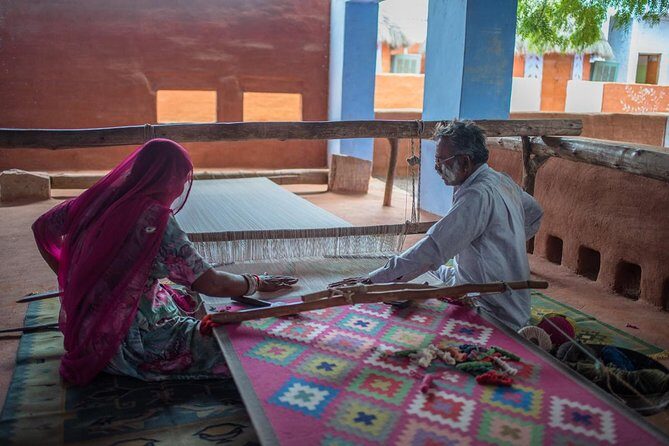
- Textile techniques mentioned include interlock durrie weaving, indigo dyeing, dabu prints, and block printing
- Wildlife sightings are part of the day for many people, including blackbuck and nilgai
- Hands-on moments like getting a turn throwing a pot can happen during pottery time
- Included food and drinks: lunch plus a hot drink, tea/coffee, and bottled water
Why a Half-Day Craft Tour in Jodhpur Feels Different
Jodhpur has plenty of craft shops. The problem is that shopping is not the same thing as understanding. This tour helps you bridge that gap because you see crafts made in the spaces where they’re actually produced, including family-run workshops in a Bishnoi village setting.
The timing matters. At about 4 to 5 hours, you get a meaningful dose of village culture without needing a full day of travel stress. It’s long enough to watch pottery and textile steps unfold, then sit down for a home-cooked meal. It’s short enough that you can still enjoy Jodhpur afterward.
Also, it’s private. That means you can ask questions at a normal volume, not shout over a large bus group. In the feedback I read, guests repeatedly mention that the hosts answer questions and don’t pressure anyone to buy.
You can also read our reviews of more tours and experiences in Jodhpur.



Getting Picked Up and Settled: What “Private” Means Here
You’ll get hotel (or airport) pickup and drop-off, which is a big value in a city like Jodhpur. It saves time and makes the whole experience feel smooth, especially if you’re doing other sightseeing the same day.
The tour is described as a private activity where only your group participates. Practically, that usually means:
- You move at a pace that suits your group
- You can spend extra minutes on the craft you care about
- Your questions land with the people doing the work
You also receive a mobile ticket, which is one less thing to worry about while you’re walking, riding, and exploring.
One more detail worth noting: the tour is near public transportation. So even if you’re not 100% dependent on the pickup, you likely have options if plans change.
Bishnoi Village Safari: Welcome, Wildlife, and Real Rural Rhythm
The centerpiece of the day is a Bishnoi village safari. What makes it special is the mix: you’re not only watching hands-on crafts; you’re also learning the rhythm of daily life around those crafts.
Many people expect the village visit to feel quiet and personal, and that’s exactly how it often goes. The Bishnoi community is known for strong environmental values, and one of the consistent highlights in the experiences shared is the sense of genuine hospitality—people are welcomed like family, not treated like a paycheck.
Wildlife sightings are another reason this day earns strong scores. Several descriptions mention peacocks and peahen, kingfisher sightings, and animals like deer, blackbuck, and nilgai/blue bull up close. That’s not something you can schedule like a museum entrance, but it’s part of why the safari feels like a living landscape instead of a craft showroom.
If you like nature and wildlife but don’t want to do an all-day safari in the standard format, this half-day craft-meets-safari option can hit a sweet spot.
Pottery Time: Watching the Wheel and Trying a Turn
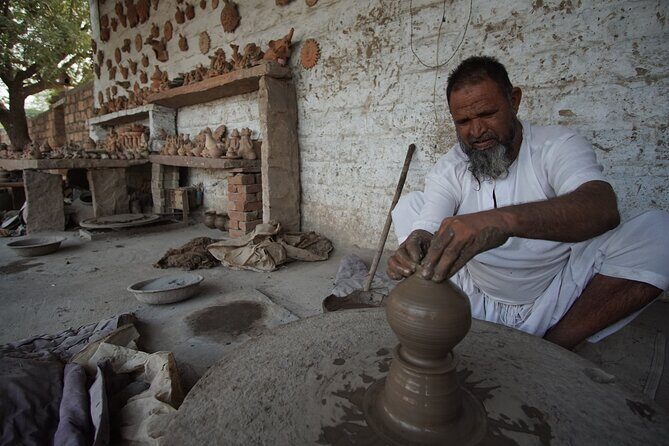
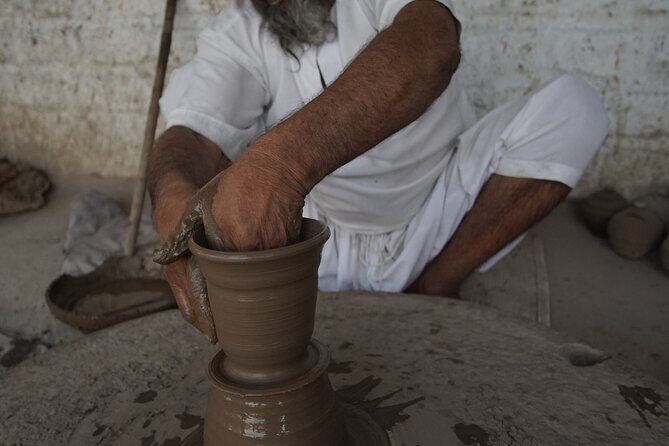
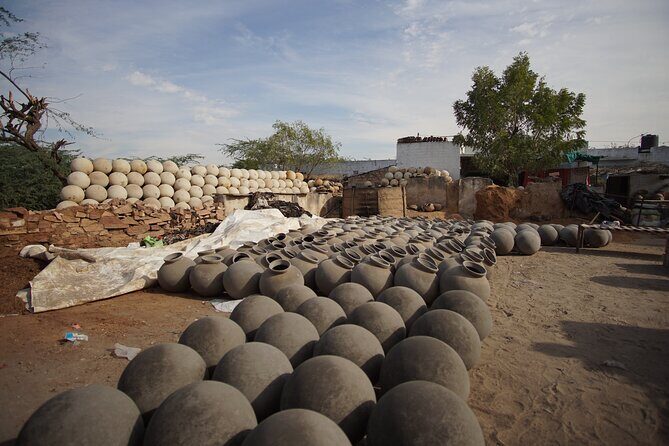
Pottery is the craft anchor on this tour. You’ll see pottery made by artisans as they work through the stages, and you may get a hands-on moment too. In the experiences shared, at least one person mentions getting a turn throwing a pot on the wheel—one of those activities that makes the whole demonstration click.
Here’s what pottery watching teaches you quickly:
- Craft is repeat work. The skill is in consistency, not flash.
- Tools and materials matter. Clay type, water control, and drying time all affect the result.
- Patience is part of the job. Even when you’re only there for a few hours, you’re seeing pieces in different stages.
Pottery demos also give you a good way to ask smarter questions. You can ask why one step comes before another, why certain movements matter, or how artisans troubleshoot common problems. In the feedback, guides are singled out for answering questions without getting annoyed, which is rare when you’re the curious one.
Practical note: pottery time can mean standing and looking closely. Wear shoes you can stand in, and keep a light layer handy if the morning or afternoon is breezy.
Textiles, Indigo, Dabu Prints, and Block Printing: What You’re Actually Seeing
Textiles are the other major highlight, and the tour doesn’t treat them like one vague category. You’ll see multiple techniques described in the experiences shared, including:
- weaving, including interlock durrie weaving
- indigo dyeing
- dabu prints
- block printing
What this means for you on the ground is that you’re not just seeing finished products on a rack. You’re watching the system that creates the patterns.




Weaving
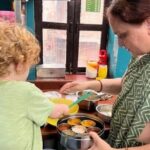
Interlock durrie weaving is a good example of why a live demo beats browsing. You’ll see how the structure holds up the design, and how the loom work builds fabric in stages. Even if you don’t fully remember every term, your eyes learn fast: the pattern is not just decoration, it’s the way the fabric is made.
Indigo and dabu-style printing
Indigo dyeing and dabu prints are both time-and-process heavy. Dye work tends to involve careful preparation and layering. Dabu-style printing typically involves resist techniques that create pattern contrast once the dye process is underway.
Block printing
Block printing is the simplest concept to explain and one of the most satisfying to watch. Carved blocks get dipped into dye, then stamped with rhythm. When you see it done by the people who know the pace, it stops being abstract and becomes a craft you can picture at home.
If you’re the type who likes understanding how things are made, this part of the tour is where you’ll feel most rewarded.
The Craft Families and the Low-Pressure Shopping Factor
A lot of craft tours quietly turn into shopping sessions. This one, based on the experiences shared, seems to avoid that trap. People mention that there’s no pressure to buy, even though the items are beautiful and the selection can be extensive.
That balance matters. If you’re visiting rural artisans, you want the option to purchase, but you also want the freedom to just watch and learn. The tone described—friendly, knowledgeable hosts and space to ask questions—helps you enjoy the craft without feeling hunted.
Also, you’re not only meeting the craftspeople, you’re meeting the family side of the craft. One of the most repeated themes is that the village visit feels like real life, not a staged performance.
Lunch Over Open Fire: Why the Included Meal Is a Big Part of Value
Many tours say lunch is included. This one includes a home-cooked lunch plus hot drinks, and bottled water, which is a comfort upgrade in the middle of a village day.
In descriptions shared, families cook over an open fire, and the food is repeatedly called delicious. That’s not just a kindness detail. It’s part of why this tour feels complete:
- You see crafts
- You learn daily life context
- Then you sit down and recharge properly
If you’re vegetarian, you can request a vegetarian option at booking, which takes the stress out of planning what to eat while you’re away from restaurants.
One more detail: alcohol isn’t included, though it’s available to purchase. So if you want to pair your meal with a drink, plan on paying for it.
Price and Logistics: Is $30 Good Value in Jodhpur?
At about $30 per person, this tour can feel like strong value because it bundles what usually costs extra:
- hotel (or airport) pickup and drop-off
- admission ticket for the Bishnoi village safari portion
- lunch plus a hot drink
- afternoon tea and coffee/tea
- bottled water
- local taxes and fuel surcharge
Half-day experiences in cities can be pricey when you add transport and meals separately. Here, the pricing is simple, and the included comforts are real. You’re paying for a guided, structured day that otherwise would require coordination on your own.
It’s also private, which usually costs more in normal tour math. If you’re traveling as a couple or small group, the per-person value can feel even better because you’re not paying for a large vehicle full of people.
Who This Tour Is Best For (And Who Might Want Something Else)
This works especially well if you:
- want to learn how crafts are made, not just buy souvenirs
- enjoy textile and pottery demos
- like nature and wildlife sightings as a bonus
- want a low-pressure day in a rural setting
It’s also described as requiring moderate physical fitness. That doesn’t sound extreme, but it does mean you should be comfortable standing for demos and walking on uneven ground.
If you’re looking for a pure museum-style itinerary with set indoor stops and guaranteed visuals, this might feel more like a living workshop and outdoor safari where the exact wildlife moments aren’t guaranteed.
Should You Book This Bishnoi Craft Village Safari?
Book it if you want your Jodhpur time to include real craft work, family-run demonstrations, and a meal you didn’t have to figure out. The biggest strengths are the hands-on craft focus—pottery and textiles—and the way the day mixes workshop time with village-life context, plus frequent mentions of wildlife like blackbuck and nilgai.
Skip it only if you strongly dislike village settings, want a heavily scripted itinerary with zero surprises, or you’re not comfortable with moderate outdoor walking and standing.
FAQ
FAQ
How long is the Bishnoi village craft tour?
It runs about 4 to 5 hours.
Is pickup and drop-off included?
Yes. Hotel (or airport) pickup and drop-off are included.
What’s included with the tour besides the craft demonstrations?
Lunch, afternoon tea, bottled water, and coffee or tea are included.
Is there a vegetarian option?
Yes. A vegetarian option is available if you request it at booking.
Do I need an admission ticket?
Admission is included as part of the Bishnoi village safari stop.
Is alcohol included?
Alcoholic drinks are not included, but they’re available to purchase.