REVIEW · KALUTARA
Mangrove Adventure
Book on Viator →Operated by ZRI Adventures · Bookable on Viator
Mangroves feel like a different world. In Kalutara’s Bentota River estuary, this short boat trip lets you glide through mangrove roots while you learn how this system protects the coast. I really like the private boat setup, because your group stays together and you can ask questions at a relaxed pace instead of sitting through rushed explanations.
I also like that the focus stays practical: you’re shown the unusual mangrove plants and the role they play in coastal ecosystems, not just a scenic cruise. The one drawback to keep in mind is that the experience quality can depend on how clearly you’re directed to the exact meeting point and start time, and English-level explanations may vary by guide.
In This Review
- Key things to know before you go
- Mangrove Adventure in Bentota: what you’re actually doing for 1 hour
- Bentota River estuary stop: mangrove roots, fish, and coastal life
- The private boat advantage: asking questions without the crowd pressure
- What you’ll see and photograph: more than a scenic cruise
- Timing and meeting point: how to make this smooth from start to finish
- Value check: is $25 for a mangrove boat ride worth it?
- Weather and water conditions: the one variable you should respect
- Who this trip suits best (and who should think twice)
- A realistic expectation for the experience length
- Should you book Mangrove Adventure with ZRI Adventures?
- FAQ
- How much does the Mangrove Adventure cost?
- How long is the boat trip?
- Where does the Mangrove Adventure start?
- Is this experience private or shared?
- What time is the tour available?
- What happens if the weather is bad?
Key things to know before you go
- Private, group-only boat on calm estuary water means a slower, more personal experience
- Mangrove plant education is built into the trip, centered on how these roots and branches function
- You’ll be able to spot fish and other coastal wildlife, not just look at trees
- Photo-friendly mangrove roots and branches are a major part of the ride
- Mobile ticket plus a set pickup area on Gagabada Road keeps things simple (as long as you confirm details)
Mangrove Adventure in Bentota: what you’re actually doing for 1 hour
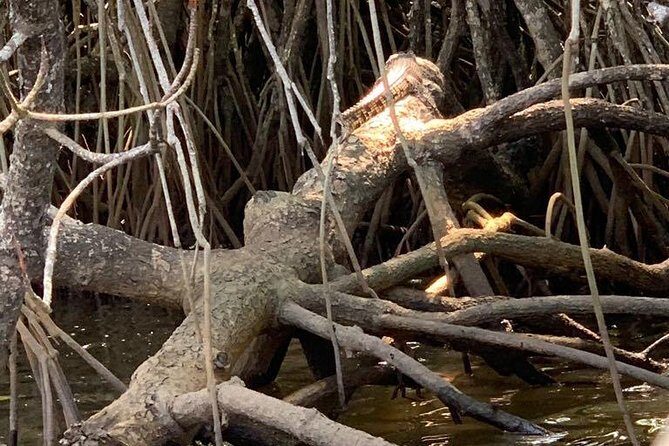
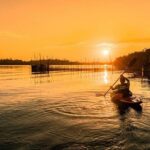
This is a compact nature outing, designed to be stress-free. You’ll spend about an hour total on the water exploring the mangrove forest around the Bentota River estuary. That time limit matters. It’s not a long wildlife expedition. Instead, it’s a focused taste of how the mangroves work—up close, from a boat, with enough time to ask questions without feeling rushed.
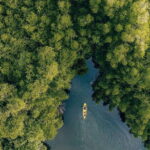
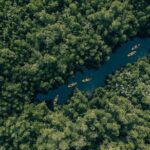
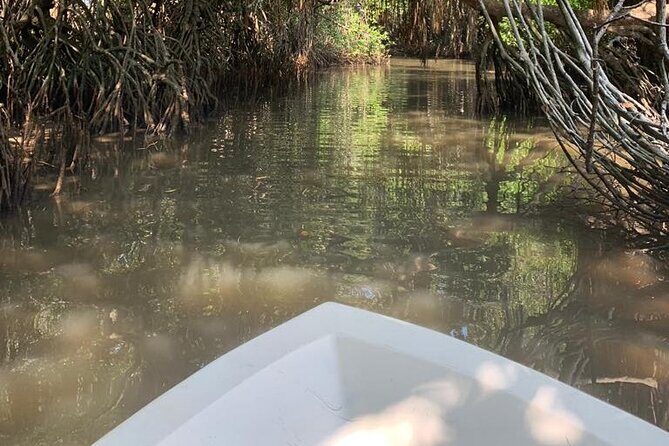
The boat glide is part of the value. Mangrove areas can look chaotic from land, with roots crisscrossing and muddy-looking water below. On the river route, the view organizes itself into channels and patterns. You start noticing how the ecosystem is built around tidal water movement and shelter—places where fish can feed and hide, and where birds and other coastal life can make use of the edges.
This tour also fits well if you’re trying to balance sightseeing with downtime. The pace is described as serene and zen, and in this setting that’s real: mangrove boat travel is naturally quieter than open-water cruising.
You can also read our reviews of more tours and experiences in Kalutara.


Bentota River estuary stop: mangrove roots, fish, and coastal life
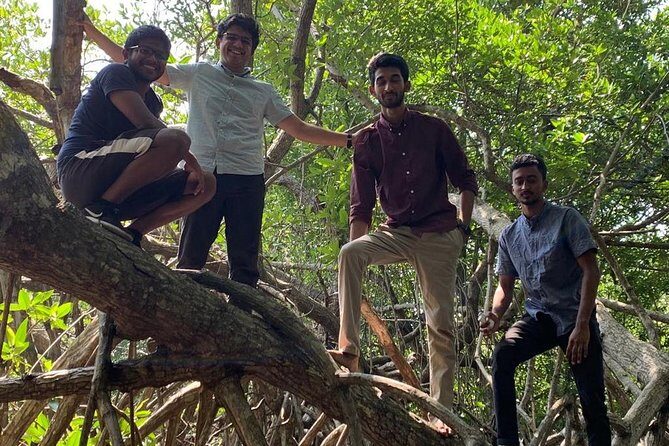
Your main stop is the Bentota River area, where the boat moves through the mangrove maze. This is the heart of the experience: you’ll learn about the unusual mangrove plants and their role in coastal ecosystems while you also scan for marine and coastal species.
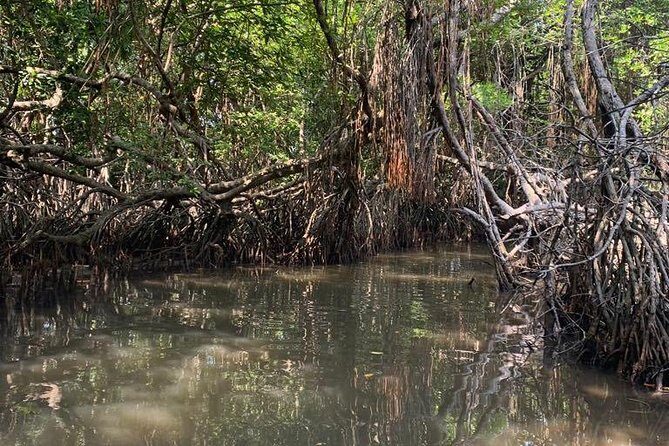
Here’s what that means in practical terms. Mangroves aren’t just “trees in water.” Their roots and branches create structure. That structure slows water flow, traps sediment, and creates living space for small creatures. It’s also why you’ll often see more fish activity around mangrove edges than in open stretches.
During your ride, you can expect to:
- Learn how mangrove plants survive and function in salty, shifting coastal conditions
- See the ancient-looking roots and branches that make the area so photogenic
- Look for fish species and other coastal wildlife as you travel through the estuary
Even if you’re not the type to memorize species names, you’ll still come away with a better sense of the ecosystem’s logic: the plants aren’t decorative. They’re doing real work, especially at the water’s edge where storms, erosion, and shifting tides meet land.
One more practical point: because this is an estuary setting, water conditions can influence visibility and how comfortable the ride feels. If the surface is calm, the boat glide is the highlight. If it’s choppy or rough (which is why the experience notes good weather requirements), your view may be less clear and you’ll want to adjust expectations.
The private boat advantage: asking questions without the crowd pressure
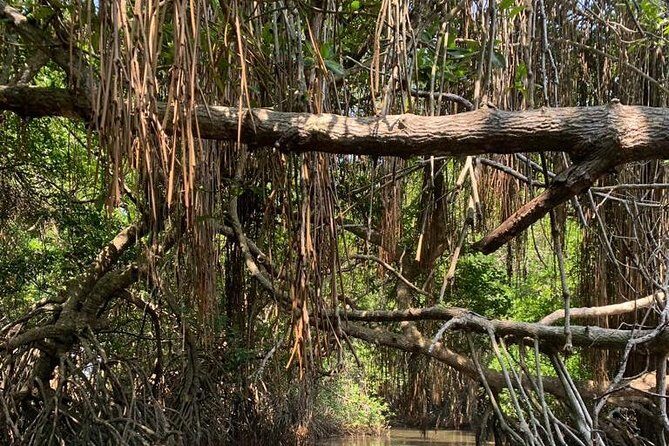
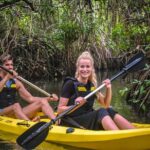
A big reason this tour can feel good is the private format. Only your group participates, so you’re not waiting your turn to ask something, and you’re not competing for the guide’s attention. For many people, that’s when mangrove learning actually clicks—when you can point at a specific root system, ask what it’s for, and get an answer tied to what you’re seeing right in front of you.
The tour also explicitly encourages questions. That sounds like a small detail, but it changes the tone. Instead of feeling like you’re watching from a distance, you’re participating in the observation. If you’re traveling with kids, this is often a winning style because questions and curiosity come naturally when you’re looking at something unfamiliar.
At the same time, the drawback that can show up with any guide-driven nature trip is communication level. One past review mentioned a guide who didn’t understand English well, and didn’t explain much. I can’t predict your guide’s language ability, but I’d treat this as a cue to plan a little: come with simple, direct questions (like what that root is doing, or why the trees grow this way), and don’t rely on complex explanations.
What you’ll see and photograph: more than a scenic cruise
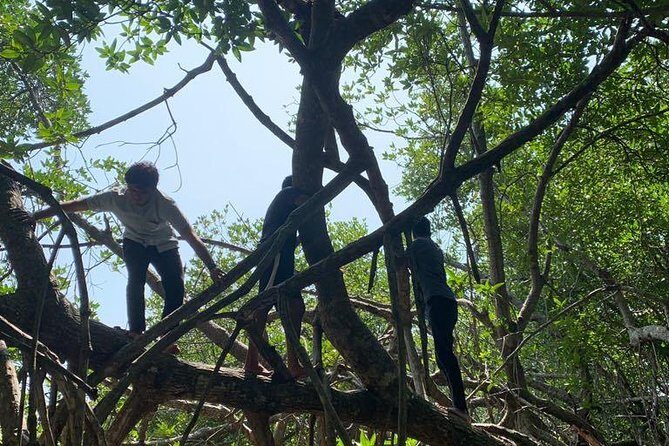
Mangroves are built for close-up attention. The “ancient roots and branches” mentioned in the experience description aren’t just pretty. They’re the visual signature of the ecosystem, and that’s why photography is a main part of the appeal.
Expect your best photo moments when:
- The boat lines up with the densest root sections (you’ll see patterns from root to trunk)
- You’re closer to the mangrove edges, where water movement and plant structure create texture
- You’re holding still enough to avoid blur during slow passes through quieter channels
Also, since the trip includes identifying a variety of fish species and other coastal wildlife, your photos might include more than plant shots—small flashes of movement, birds near the waterline, and the general “life at the edge” feeling that people chase when they book estuary tours.
If you care about photos, one simple strategy helps: keep a couple of steady compositions ready. Wide shots of the channel, then a close shot of a distinctive root or branch. That way you’re not scrambling every time the boat turns.
Timing and meeting point: how to make this smooth from start to finish
This activity runs daily, with opening hours listed as 7:00 AM to 4:00 PM (check your confirmation for the exact slot you book). The meeting point is on Gagabada Road, Aluthgama, Sri Lanka, and the experience ends back at the same meeting point.
For a short tour like this—about 1 hour—meeting point clarity becomes a big deal. There’s less buffer time if you’re early or late. So I recommend doing two things:
1) Confirm the exact pickup instructions you receive at booking, especially if you’re using transport from a beach area or nearby town.
2) Arrive with a little extra time to avoid stress. Even if the boat trip itself is quick, you want your head in the mangroves, not on logistics.
Because one past comment complained about unclear start points and timing, it’s worth treating confirmation details as your source of truth. If anything seems off, ask for a clear, simple direction update before you leave your hotel or your driver.

Value check: is $25 for a mangrove boat ride worth it?
At $25 per person, this tour is priced like a “doable and satisfying” add-on rather than a full-day excursion. The key question isn’t just the price—it’s what you get in exchange for the time.
You’re buying:
- A private boat for your group
- An educational component about mangrove plants and their ecosystem role
- The chance to identify fish species and other coastal wildlife
- A calm, low-effort experience designed for most travelers
- A mobile ticket experience that’s generally easy to handle
If you’re already in the Bentota / Aluthgama zone and you want something nature-based without committing to half a day, this is solid value. The short duration can be a drawback if you love long, slow hikes and extended wildlife watching. But if you want a relaxing, structured introduction to mangroves—plus photos—one hour is often the sweet spot.
Also, group discounts are mentioned. If you’re traveling with friends or family, the per-person value can improve, and the private format still keeps the ride comfortable.
Weather and water conditions: the one variable you should respect
The experience notes a requirement for good weather. In mangrove boating, that matters. Wind and choppy water can reduce comfort, limit visibility, and make it harder for the boat to move smoothly through narrower channels.
If your trip is canceled due to poor weather, you should expect an option to reschedule or receive a full refund. That’s the right approach here, because mangroves are best appreciated when the water is calm enough for a steady glide and when you can actually see what’s around you.
Who this trip suits best (and who should think twice)
This tour fits best if you:
- Want a gentle, low-stress nature outing
- Like the idea of learning in the moment, with time to ask questions
- Prefer short trips that don’t eat your whole day
- Enjoy estuaries, mangroves, and wildlife spotting from the water
- Want memorable photos without a long hike
It might be less ideal if you:
- Want a long, in-depth expedition where you track many species for hours
- Are highly dependent on highly detailed explanations in a specific language
- Expect a highly formal, museum-style lecture rather than a guided on-water experience
A realistic expectation for the experience length
When something is an hour, you should treat it like a guided sampler. You’ll see a lot more than you’d see from the shore, and you’ll learn enough to connect mangrove roots to real ecosystem functions. But you won’t get the kind of extended, deep research time that longer eco-tours offer.
The upside is that this tour is easy to slot into your day. You can pair it with other Bentota-area activities without feeling like you’re constantly commuting or burning time.
Should you book Mangrove Adventure with ZRI Adventures?
I’d book it if your goal is a calm, private mangrove boat introduction in Bentota, with education and photo opportunities in a manageable timeframe. For $25, the private format plus guided focus on mangrove plants and coastal species makes it a reasonable value—especially if you want something short that still feels meaningful.
Skip it or adjust expectations if you’re hunting for a long, highly intensive wildlife study or if your schedule is tight and you can’t afford a weather-related change. And do one extra step before you go: double-check the exact start details you receive for Gagabada Road, Aluthgama, so you’re not scrambling when the boat time arrives.
If you want a serene, roots-and-water kind of Sri Lanka experience, this one is worth putting on your list.
FAQ
How much does the Mangrove Adventure cost?
The price is $25.00 per person.
How long is the boat trip?
The duration is about 1 hour.
Where does the Mangrove Adventure start?
The meeting point is on Gagabada Road, Aluthgama, Sri Lanka. The activity ends back at the same meeting point.
Is this experience private or shared?
It’s a private tour/activity, and only your group will participate.
What time is the tour available?
Tours run daily from 7:00 AM to 4:00 PM. You should confirm the specific time you’ve booked in your booking details.
What happens if the weather is bad?
The experience requires good weather. If it’s canceled due to poor weather, you’ll be offered a different date or a full refund.