REVIEW · KOCHI
Kochi Village Life Experience tour – The Real Tour of Kochi !
Book on Viator →Operated by Biju's Tours · Bookable on Viator
Kochi villages feel real fast. The Kochi Village Life Experience is a compact day tour that strings together working places you usually only spot from the roadside: fish farms, coconut oil making, coir production, and fishing nets and boat workshops. I like that it’s built for practical learning, with a driver moving you between dispersed villages so your day doesn’t turn into navigation stress.
A second thing I really like is the range of crafts: you’re not just watching one process, you’re seeing how multiple local products are made and used—from live mud crab handling to coconut drying and coir mat work. One possible drawback to plan around: lunch isn’t included, so you’ll want to manage your hunger before or after the tour.
In This Review
- Key Points You’ll Care About
- Price and Logistics: What $25 Covers (and Why It’s Good Value)
- Fish Farms and Mud Crabs: The Morning Working Scene
- Coconut Oil Factory: Drying, Processing, and Fresh Oil
- Coir Workshop: Natural Fiber Made Into Floor and Door Mats
- Fishing Nets to Handmade Boats: Watching Tradition at Work
- Fort Kochi Finish: Spice Markets, Craft Shop, and Local Shopping
- The Guides Matter: Sabeer, Shaji, and Thomas
- Timing, Comfort, and What You Should Bring
- Who This Tour Is Best For (and Who Should Skip It)
- Should You Book Kochi Village Life Experience?
- FAQ
- What time does the Kochi Village Life Experience tour start?
- How long is the tour?
- Is hotel pickup and drop-off included?
- What’s included in the price?
- Is lunch included?
- Will the tour run in bad weather?
Key Points You’ll Care About
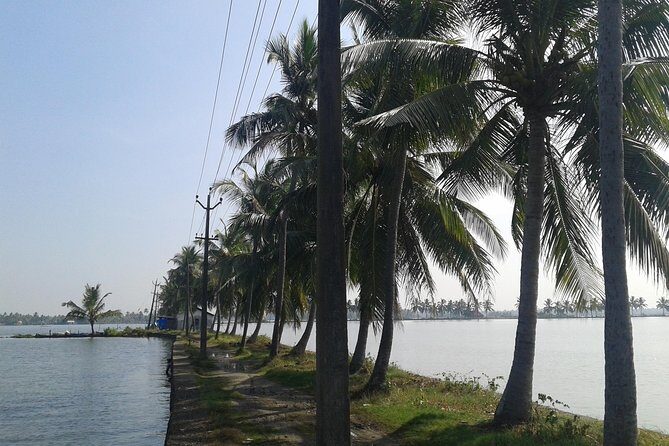
- 4 hours, starting at 9:00am in Fort Kochi with the tour ending back at the same meeting point
- Select hotel pickup and drop-off, plus bottled water
- Fish farms + crab storage where live mud crabs are collected for export
- Coconut oil production and coir making with hands-on, working-factory views
- Traditional fishing methods and handmade boat craft, including smaller Chinese fishing nets
- Fort Kochi spice markets and local shopping to wrap up the day
Price and Logistics: What $25 Covers (and Why It’s Good Value)
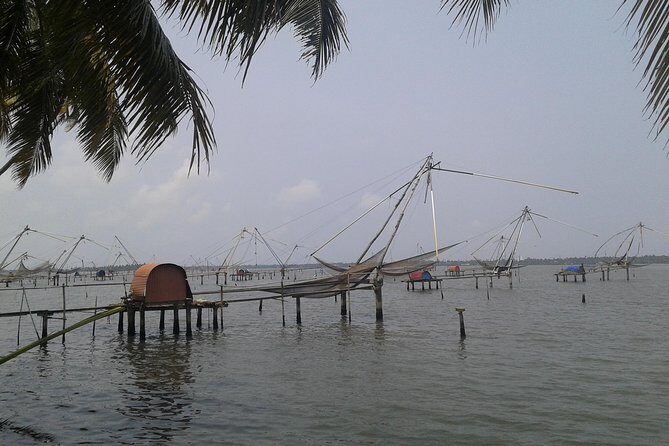
This tour runs about 4 hours and starts at 9:00am from Fort Kochi, Kochi, Kerala. For $25 per person, what you’re really paying for is the effort the tour removes: you get pickup and drop-off (selected hotels), a driver/local expert, bottled water, and transport by air-conditioned car/van and tuk tuk (depending on the route options).
If you try to piece this together on your own, the biggest problem isn’t finding places—it’s sequencing them. These stops are spread out, and getting from village workshop to village workshop can eat half your day and your budget. Here, you ride with a driver who handles the moves between sites, so you can focus on watching how things get done.
It’s also a private tour, meaning it’s only your group. That tends to make Q&A easier and helps you get more out of the workshops, especially when you want to ask what you’re seeing. And yes, there are group discounts if you’re booking with friends.
You can also read our reviews of more tours and experiences in Kochi.
Fish Farms and Mud Crabs: The Morning Working Scene
After meeting at the Fort Kochi start point or at the selected pickup locations, the day moves into villages. One of the first scheduled stops is near the fish farms, where you can watch different methods of catching fish. This is one of those experiences that instantly changes your mental picture of coastal life—you see that fishing isn’t one simple act; it’s a set of techniques shaped by the local waters.
Right around the fish-farm area, the tour includes a stop connected to live mud crabs. You’ll see how they collect live mud crabs for export, which is a practical reminder that “local food and local work” often connect to wider supply chains. This is also a good moment to ask questions about timing and daily routines, because you’re observing work that happens on a schedule.
One consideration: because this is tied to active sites, your comfort depends on the conditions that day. The tour says it operates in all weather and you should dress appropriately, so plan for heat, humidity, or rain gear as needed.
Coconut Oil Factory: Drying, Processing, and Fresh Oil
Next up is the coconut oil factory stop, where you can watch coconut drying, processing, and making fresh coconut oil. Even if you’ve eaten coconut oil before, seeing the steps helps you understand why it’s made the way it is locally—less about “lab results” and more about practical methods using what’s available.
This section is valuable for two reasons. First, it breaks down a product you might think is straightforward into real stages: preparation, handling, and turning raw materials into an end product. Second, it’s a visual lesson in how small-scale processing supports daily life in Kerala villages.
For many people, this is also where the tour’s “variety” starts to feel meaningful. You’re not bouncing from one quick photo spot to another; you’re watching production processes that connect back to the region’s crops and coastal economy.
Coir Workshop: Natural Fiber Made Into Floor and Door Mats
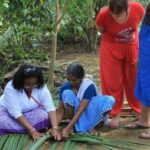
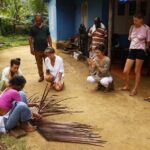
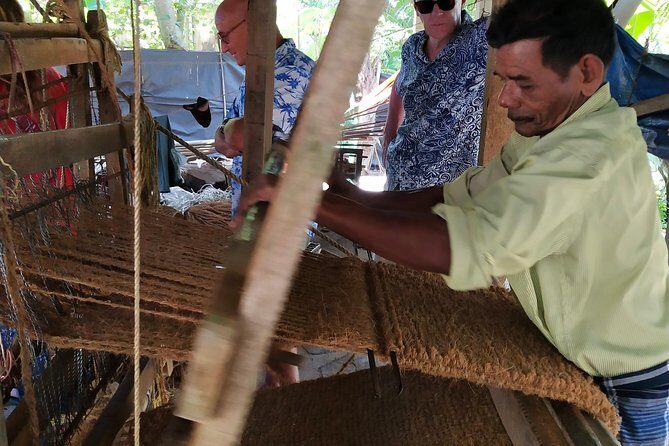
After coconut oil, the itinerary shifts to coir factory work. Here, you’ll see village women making natural coir, used for products like floor mats and door mats. This is one of the most satisfying stops because you can see the transformation from fiber to usable household items.
I like that this stop adds a different kind of work to the day. The morning focused on fishing and marine life; now you’re seeing a craft connected to coir—one of Kerala’s key natural materials. It also gives you a more complete picture of village life: not everyone’s livelihood is tied directly to the sea, even when you’re touring near the coast.
One practical tip: since lunch isn’t included, this part of the morning/early afternoon window is when you’ll probably start feeling hungry. If you can, plan to eat before the 9:00am start or keep a small snack option ready.
Fishing Nets to Handmade Boats: Watching Tradition at Work
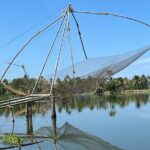
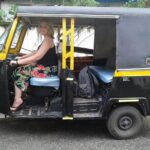
The tour then heads to fishing nets to explore the traditional way of catching fish using smaller Chinese fishing nets. This detail matters because those nets aren’t just scenery. You’re seeing a working system—how the local method fits into coastal fishing routines.
After that, comes a big highlight: handmade fishing boats. The tour includes time to experience the art of making fishing boats, which is an absolute wonder in the best way. Boat building isn’t glamorous in the moment; it’s hands-on work, repeated steps, and real materials. But watching it helps you understand why fishermen care about craft quality—because the boat is the tool of the trade.
If you care about authenticity over quick spectacle, this is where the tour earns its reputation. It’s not trying to impress you with big landmarks. It’s showing you how people earn, maintain, and pass along skills.

Fort Kochi Finish: Spice Markets, Craft Shop, and Local Shopping
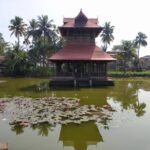
Towards the end of the tour, you head back towards Fort Kochi for spice markets, a craft shop, and a local market stop. This is the part that makes the day feel like a full loop: you start with village work, then finish with the commercial side—where goods move from production into everyday buying.
Spice markets are especially good for sight and smell. Even if you don’t plan to purchase much, you’ll get a strong sense of what’s traded locally. The craft shop and local market stops also give you a chance to pick up practical souvenirs—though note that souvenir photos are available to purchase, so if you want pictures for a memory, budget for that option.
The Guides Matter: Sabeer, Shaji, and Thomas
This tour’s quality isn’t only about the itinerary. It’s about the way your guide connects the dots.
From past experiences on this route, I’ve seen that having the right person driving matters a lot. Guides like Sabeer are highlighted for being friendly and making the day run smoothly, and Shaji is remembered for being caring and knowledgeable. Thomas is specifically noted as a great driver, which is a big deal when you’re bouncing between dispersed villages and workshop stops.
Here’s what that means for you: when the guide is on top of things, you spend more time watching and asking questions, and less time figuring out timing. You’ll also get better explanations about what you’re seeing—especially in production areas like coconut oil and coir where the steps can feel confusing if nobody narrates them.
Timing, Comfort, and What You Should Bring
Your day is built around a 9:00am start and an end back at the meeting point. Since it’s about 4 hours, you’ll want to plan your other activities around that chunk of time.
What’s included is helpful: bottled water and air-conditioned transport (car/van, plus tuk tuk when needed). What isn’t included is also important: lunch. So if you have a late afternoon plan, consider eating something light before the tour and then having a real meal right after.
The tour also says it operates in all weather conditions, but you should dress appropriately. That usually means: plan for sun and humidity, and be ready for rain if it shows up.
One more practical point: you’ll be moving between several working sites. Even if the tour is well organized, workshops and markets can be busy or a bit uneven in places, so keep your energy steady and keep expectations focused on observation, not comfort-first tourism.
Who This Tour Is Best For (and Who Should Skip It)
This tour is a great fit if you want real Kochi beyond the usual sightseeing loop. It’s especially good for you if:
- You like seeing how products are made (coconut oil, coir, boat craft)
- You’re curious about traditional fishing methods and coastal work
- You want a guided way to experience Fort Kochi village life and markets in one morning
- You prefer a driver-based route instead of trying to navigate between scattered villages
You might want to choose something else if you’re looking for major monuments or long museum-style pacing. This experience is built around working places and short stops, not big-ticket attractions.
Should You Book Kochi Village Life Experience?
I’d book it if you’re the kind of traveler who likes learning by watching real jobs—how fishermen work, how coconut oil is made, how coir mats are produced, and how spice markets fit into the bigger local system. The value is strong because transport, a driver/local expert, and multiple production stops are bundled into a short $25 window.
If lunch not being included would ruin your day, just adjust your schedule. And if you hate markets or aren’t interested in workshops at all, this won’t magically convert you. But for most curious visitors, this tour hits a sweet spot: hands-on village variety, good logistics, and a finish in Fort Kochi markets.
If you do book, bring your questions. The best moments usually happen when you ask what you’re looking at—because that’s what turns a list of stops into a story you’ll remember.
FAQ
What time does the Kochi Village Life Experience tour start?
It starts at 9:00am.
How long is the tour?
The duration is about 4 hours (approx.).
Is hotel pickup and drop-off included?
Yes, hotel pickup and drop-off are included for selected hotels.
What’s included in the price?
Included are hotel pickup and drop-off (selected hotels only), a driver/local expert, bottled water, private tour, and transport by air-conditioned car/van and tuk tuk (depending on options), plus an air-conditioned vehicle.
Is lunch included?
No, lunch isn’t included.
Will the tour run in bad weather?
It operates in all weather conditions, and you should dress appropriately. If it’s canceled due to poor weather, you’ll be offered a different date or a full refund.