REVIEW · KOCHI
Kochi: Backwater Exploration in Village: Free Pickup & Drop
Book on GetYourGuide →Operated by Excel India Tours · Bookable on GetYourGuide
A slow boat through Kochi’s backwaters feels like time slows down too. You’ll ride a shikara pushed with bamboo poles, then step into village life to watch mat weaving, coir spinning, and rope making. What I like most is the quiet, almost floating pace of the cruise and the chance to see the small cottage industries up close. One thing to keep in mind: you’ll be walking and watching demonstrations in village heat, so plan for sun and comfortable footwear.
You also get a proper Kerala Sadya vegetarian lunch, so this isn’t just sightseeing from the water. The guide (often Arya, based on recent reports) connects the dots between plants, fiber work, and daily routines, and that makes the stops feel more meaningful. The main drawback is that some village activity timing can depend on whether workers are on a lunch break, so you may see slightly different pacing depending on the day.
In This Review
- Key Things I’d Prioritize on This Kochi Backwater + Village Day
- Shikara Silence on Kochi Backwaters (Bamboo Poles and Coconut Stops)
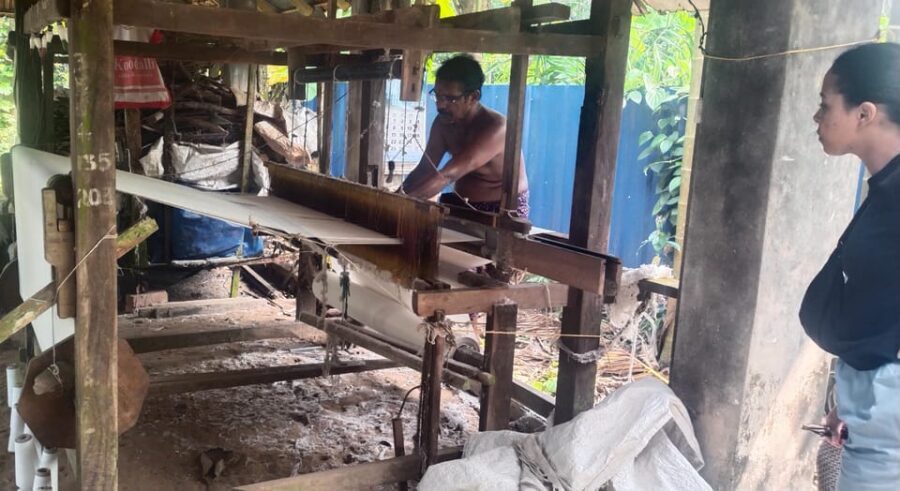
- Village Workshops: Coir, Mats, Rope, and the Women’s Work
- Kerala Sadya Lunch: A Vegetarian Meal With Real Local Rules
- Narrow Canal Time on an Open Country Boat (Full-Day Option)
- Fishing Villages, Clam Processing, and a Small Shiva Temple Stop
- Pickup and Drop in Kochi: Why This Matters More Than You Think
- Price and Value: What $63 Covers (and What It Doesn’t)
- Who This Kochi Backwater Tour Suits Best
- Should You Book This Kochi Backwater + Village Experience?
- FAQ
- How long is the Kochi backwater cruise with village activities?
- Is hotel pickup and drop included?
- What type of boat ride will I take on the backwaters?
- Is lunch included, and what will it be?
- Are drinks included in the price?
- Do I have different time options like half-day versus full-day?
- What language is the guide and driver?
- Is alcohol allowed during the activity?
Key Things I’d Prioritize on This Kochi Backwater + Village Day
- Bamboo-pole shikara rides: slow, quiet, and very hands-on in how the boat moves
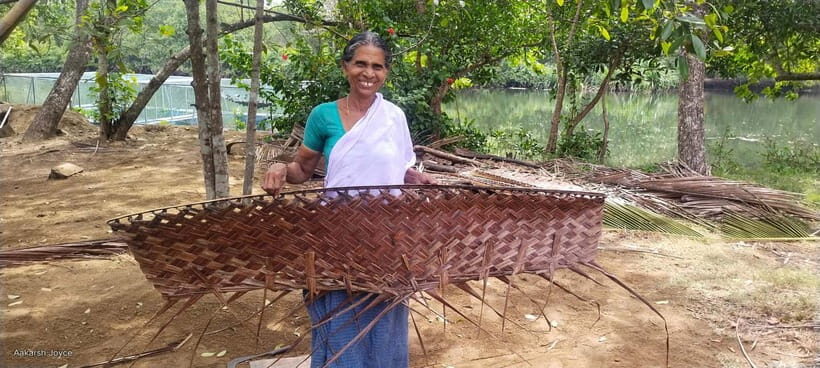
- Cottage industries you can actually see: coir yarn, rope, thatching mats, and weaving
- Kerala Sadya lunch: vegetarian meal served as a traditional experience, not a quick bite
- Nature-friendly pace: palm-lined banks and bird calls (myna and koal) are part of the soundtrack
- Optional add-ons on longer days: extra narrow canal time and a small cloth weaving center if there’s time
Shikara Silence on Kochi Backwaters (Bamboo Poles and Coconut Stops)
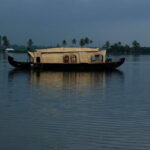
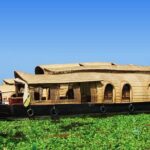
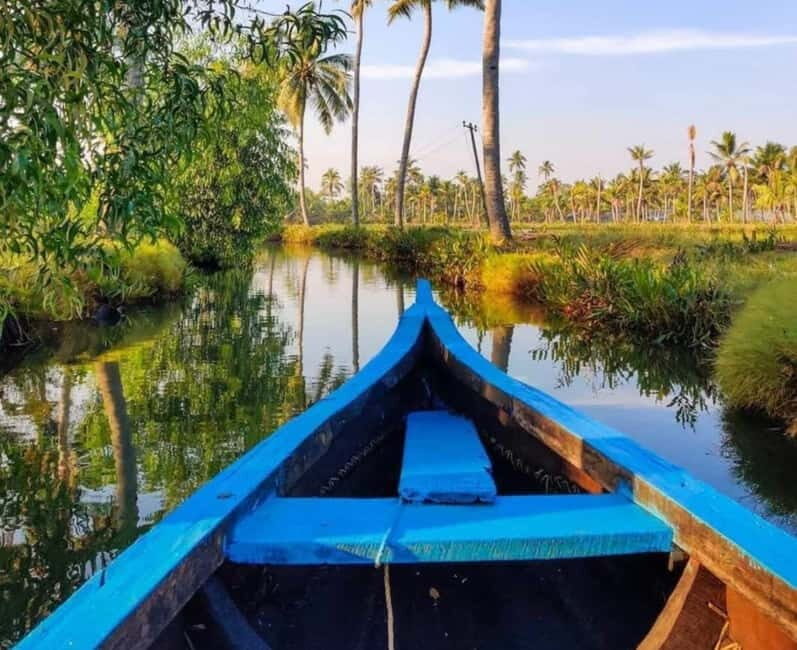
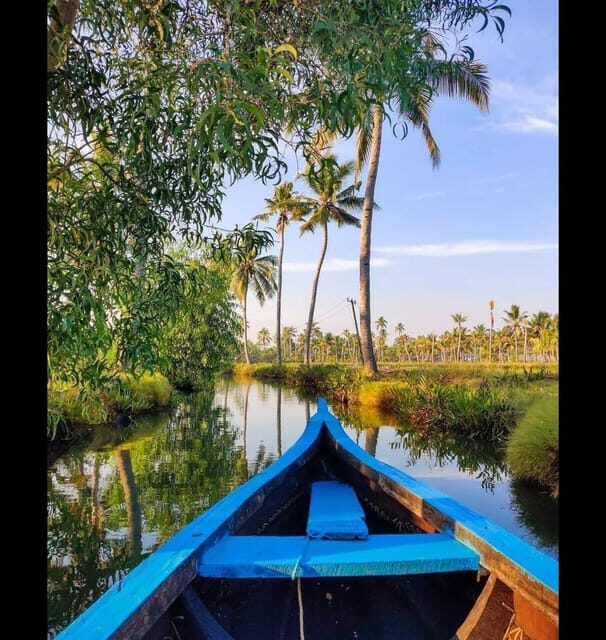
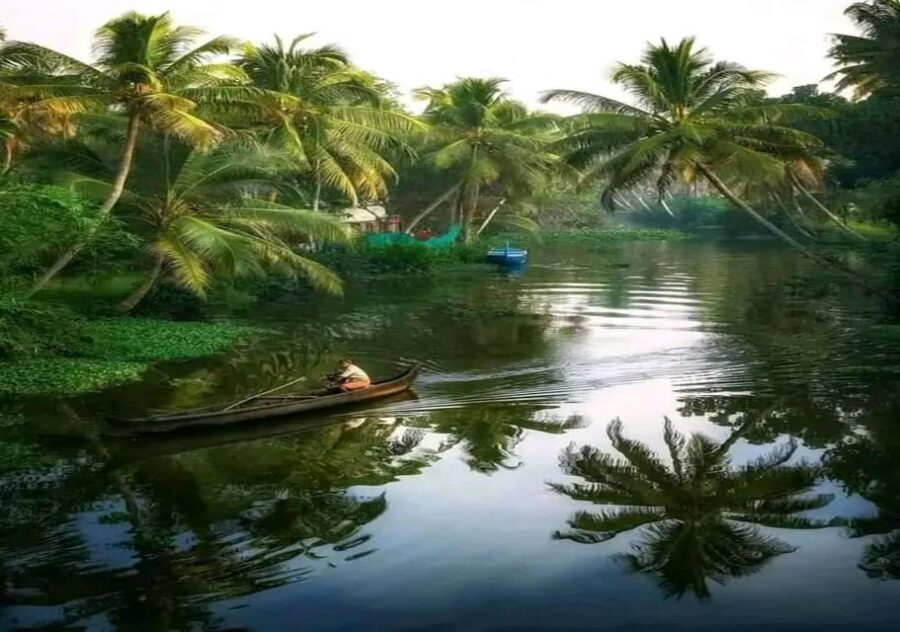
The backwater cruise is the heart of the experience. You board a country boat shikara-style, with a bamboo roof, and the boat is moved by punters using long bamboo poles. It’s not the engine-and-wake type of ride. It’s slow. Often quiet. And that quiet matters.
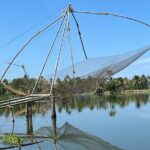
As you glide through narrow channels, you’ll notice the details—palm-fringed edges, lush green river banks, and the mix of plants and small wildlife along the water. Even the birds feel close. The calls of a myna or koal bird pop up at different moments, and suddenly you’re paying attention to sound, not just sights.
A small but memorable ritual happens during the cruise too: the punter may stop for tender coconut water, delivered by a coconut harvester. You can sometimes see the harvester up in the tree before the drink makes its way down. It’s a real village rhythm, not a staged snack stop.
Practical note: this is a “ride, watch, and breathe” kind of outing. If you’re expecting fast thrills, you might find it too slow. But if you like calm travel and real everyday scenes, you’ll probably love it.
You can also read our reviews of more tours and experiences in Kochi.
Village Workshops: Coir, Mats, Rope, and the Women’s Work
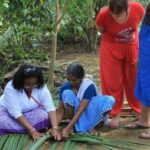
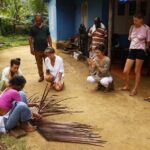
After the cruise, the tour shifts to why Kerala’s backwaters are more than pretty scenery: people make a living from what grows around them. You’ll visit a village area where you can watch fiber and weaving work tied to coconut and local plants.
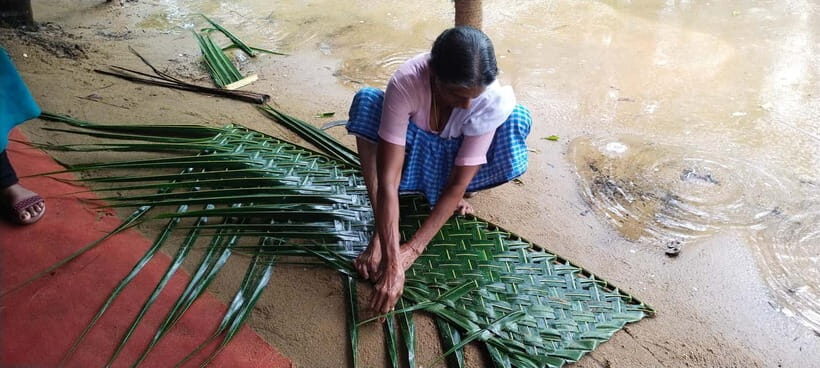
You’ll see women working with materials like:
- Coir spinning and turning coconut husk fiber into yarn and rope
- Weaving thatching-style mats and screwpine mat-type weaving (the plant and technique are part of the lesson)
- Working with fiber extraction—how husk becomes usable material
- Sometimes cotton cloth spinning and weaving, depending on timing
There’s also a strong focus on “village cottage industry” life—small-scale work done with skill passed down through practice. The impact is tangible: this kind of work supports families, and the tour frames it as an activity that helps women gain income and visibility in the local economy.
You may also notice men involved in clam collection and processing, and in some cases you can even stop at a small processing setup where clam material is used in a product chain (one recent report highlighted a small clams-to-calcium powder type of setup). Even if you’re not there for food-tech facts, it helps you understand the broader water-village relationship: backwaters are both home and workplace.
How to get the most out of this part: ask simple questions about materials. For example, what the fiber comes from, how long it takes, and why certain plants are used. Guides like Arya (spelled a few different ways in reports) tend to explain the plants and how village life ties to them, so you’ll get more than visuals.
One consideration: these are hands-on viewing stops. Some sections may feel like demonstrations rather than a full immersive workshop. That’s normal here—this is about seeing village production in action, not signing up to master rope weaving in 30 minutes.
Kerala Sadya Lunch: A Vegetarian Meal With Real Local Rules
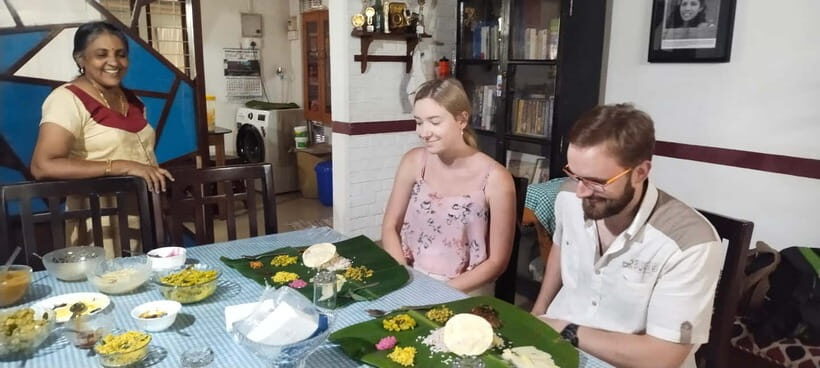
Lunch is not an afterthought on this tour. You’ll eat Kerala Sadya, a traditional vegetarian meal that’s treated as a national-style lunch experience in Kerala.
What makes Sadya special is how it fits local culture: it’s not just what’s on your plate, it’s the whole flow of dishes. Expect a satisfying mix of vegetarian preparations served in a traditional way, often at a village home or a selected mess. In at least one recent experience, the meal came across as cooked by local villagers, which adds to the feeling that you’re eating where the food knowledge comes from.
One detail to keep in mind: sometimes village workers’ schedules affect what you’ll see after lunch. The tour notes that cotton-weaving activity may depend on whether workers are on a lunch break, so the pacing can shift. If your priority is to see every single craft, keep a flexible mindset.
My suggestion: treat lunch as part of the cultural rhythm. Eat slowly, and you’ll get more from the rest of the day’s stops. Sadya can be filling, so plan that you may not want a big snack right afterward.
Narrow Canal Time on an Open Country Boat (Full-Day Option)
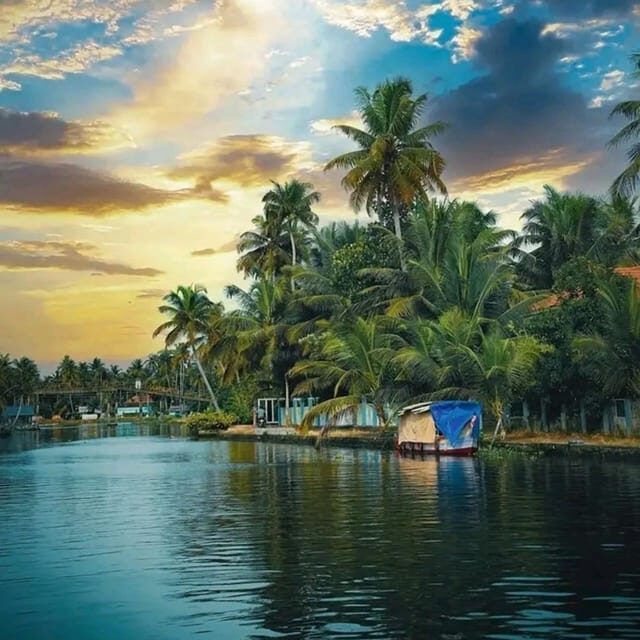
If you choose the longer day, you get extra water time after lunch: a narrow canal exploration on an open country boat. This section tends to feel different from the main shikara glide because the canal can feel tighter and more intimate.
You’ll still be watching village edges—gardens, trees, and water-adjacent work areas. But it’s more about moving through the smaller “in-between” waterways where the backwaters feel less like a route and more like a neighborhood.
This added boat time is one of the best value upgrades in the full-day version because it gives you more than one type of water experience. You’re not repeating the same route; you’re getting more ways of seeing the same system of channels.
If you only have half a day, you can still get the core elements. But the full day is the better fit if you like lingering and want a deeper sense of how villages connect to waterways.
Fishing Villages, Clam Processing, and a Small Shiva Temple Stop
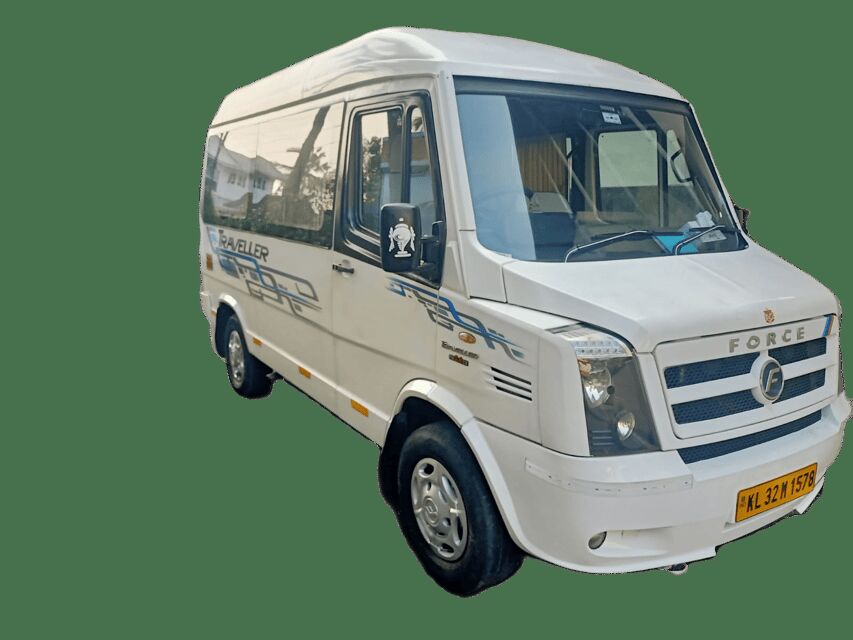
Some versions of the day include a fishing village stop with a photo stop, guided tour elements, and walking time. This helps you see the human side of the backwaters beyond the boat.
Then there can be moments focused on water-based livelihoods, including clam collection and processing. The tour also mentions you may visit additional stops like a small cloth weaving center when time permits, which adds variety if you’re already focused on fiber work.
In at least one recent report, there was also a chance to visit a small Shiva temple. That kind of stop adds context for how village life isn’t separated into “tour” and “real life.” Places of worship are part of the day-to-day setting, even for people focused on their work.
Good to know: the specific mix of stops can vary with time and day flow. The tour is set up so you’ll see a cluster of themes—boats, fiber crafts, food, and village settings—even if the exact order shifts slightly.

Pickup and Drop in Kochi: Why This Matters More Than You Think
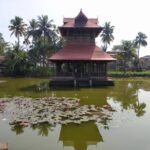
Kochi can be a traffic puzzle. That’s why pickup and drop are a big deal here. The tour offers pickup optional from a wide list of Kochi hotels and also allows pickup if you’re staying outside Kochi (the data mentions Kottayam, Alappuzha/Alleppey, and Kumarakom too).
For you, that means fewer headaches: you don’t need to arrange your own transport across different canal zones. You can show up, meet the guide, and get moving.
The route options are also broad enough that you’re likely to find something close to where you’re staying. Drop-off locations are listed too, so you’re not stuck finding your way back after a long day.
One practical tip: if your hotel isn’t on the list, you’ll want to check pickup from your specific location. The tour provider notes they can arrange pickup directly from your hotel in the Kochi region and nearby areas.
Price and Value: What $63 Covers (and What It Doesn’t)
At about $63 per person for a 5 to 8 hour outing, the value comes from what’s included.
Included basics:
- transport by car or van
- shikara/gondola hire charges
- guide fee
- lunch (vegetarian Sadya)
- entrances and fees
- parking and road tolls
Not included:
- drinks
So you’re paying for the complete “day structure,” not just a boat ride. That’s a key difference. Many backwater tours give you the boat, then add separate costs for lunch or guides. Here, you get the boat + village activity + lunch + guide in one package, which keeps your total costs predictable.
This tour also includes an English-speaking driver, and it notes you can go as a private group if you want more control over pace and questions.
The only financial risk is drinks. Budget for water or other beverages on your own, because those are not included.
Who This Kochi Backwater Tour Suits Best
This is a strong fit if you like:
- calm water travel and slow viewing
- village life that connects to local materials (coconut fiber, weaving)
- a proper traditional meal like Sadya
- learning through a guide rather than just taking photos
It’s also a decent option if you want choice. The tour mentions options for 5-hour and 7-hour backwater cruises, and it also references other boat styles like houseboats and walking options as part of possible tour formats.
It may be less ideal if:
- you want a packed “see 20 sights” day
- you don’t like walking or sitting outdoors for parts of the day
- you’re sensitive to heat (the village areas can feel sunny and exposed)
The activity isn’t suitable for children under 3, and it’s not meant for people over 95, based on the tour’s guidance.
Should You Book This Kochi Backwater + Village Experience?
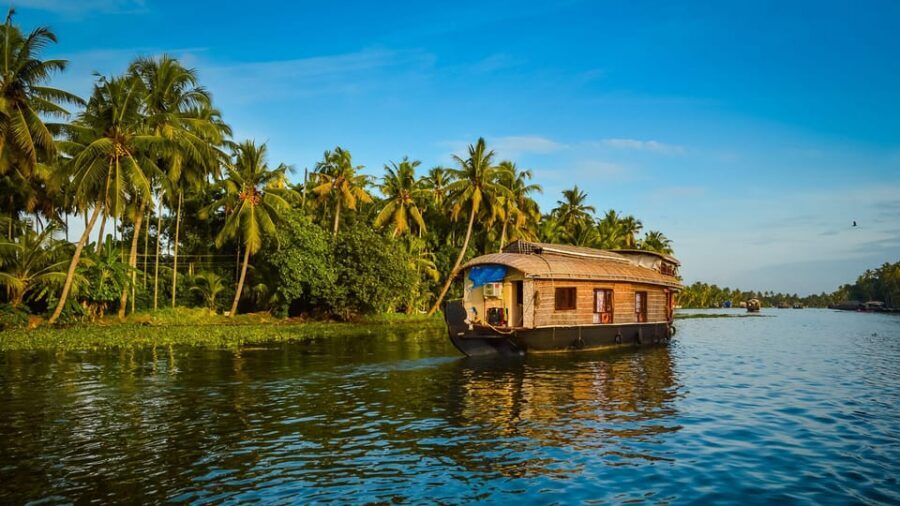
If your travel style is quiet, curious, and you care about how people live—not just how places look—this is the kind of day that can feel genuinely rewarding. The combination of bamboo-pole shikara cruising, village cottage industries (coir, mats, rope, weaving), and a real Kerala Sadya lunch is the winning formula.
I’d book it if:
- you want authentic village craft context, not just a generic “backwater boat”
- you’ll enjoy learning from an English-speaking guide (Arya is a name that shows up often)
- you like your travel at a slower pace, with time to watch
I wouldn’t book it if:
- you’re chasing speed and big thrills
- you’re the type who needs everything to run on a super tight, never-changing schedule (village work timing can affect what you see next)
FAQ
How long is the Kochi backwater cruise with village activities?
The tour runs between 5 and 8 hours, depending on which option you choose.
Is hotel pickup and drop included?
Hotel pickup and drop are optional, and the tour lists many Kochi hotels for pickup. It also notes pickup can be arranged from places like Kottayam, Alappuzha (Alleppey), or Kumarakom.
What type of boat ride will I take on the backwaters?
You’ll ride a shikara/country boat pushed with bamboo poles. The description also mentions bamboo roofs on the shikara.
Is lunch included, and what will it be?
Lunch is included. You’ll have a vegetarian Sadya lunch.
Are drinks included in the price?
No. Drinks are not included.
Do I have different time options like half-day versus full-day?
Yes. The tour offers options with different durations (including a 5-hour style option and a longer full-day program).
What language is the guide and driver?
The guide/driver service is listed as English.
Is alcohol allowed during the activity?
Alcohol and drugs are not allowed.